
Determining whether a hygiene product is safe for your child requires a close look at ingredients, age recommendations, and pediatric guidelines. When considering whether moosegear hand sanitizer is safe for your baby, the answer is not a simple yes or no. Safety depends heavily on the specific formulation of the product variant you have, your baby’s exact age, and how the sanitizer is applied.
Pediatric guidelines globally recommend avoiding all hand sanitizers for newborn infants, particularly those under two months of age. For these very young babies, plain soap and water remain the safest and most effective method for hand hygiene. For older infants and toddlers, hand sanitizers can be used cautiously under strict adult supervision, provided parents verify the active ingredients and safety warnings on the product packaging.
Before applying any sanitizing product to your child’s skin, it is essential to check the specific bottle’s label for age limits, active ingredients, and manufacturer warnings. Because infant skin is highly sensitive, consulting your pediatrician is always the best course of action before introducing new topical products to your baby’s daily care routine.
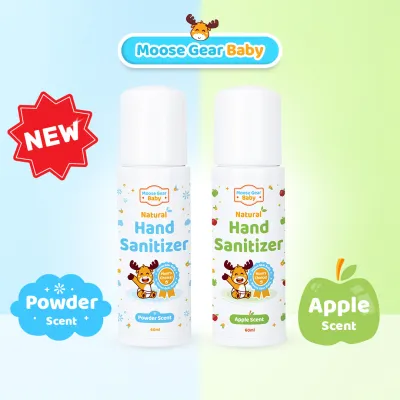
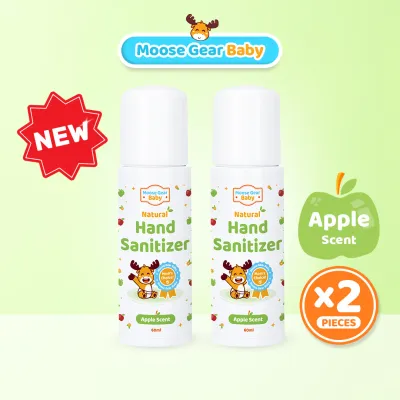
Products mentioned in this guide
Prices are valid at publication and may change. Please refer to the product page for the latest price.
General Safety Rules for Using Hand Sanitizers on Infants and Toddlers
When managing hand hygiene for young children, understanding general pediatric consensus is the first step in keeping them safe. Pediatricians generally advise against using any hand sanitizers on babies under two months old. At this stage, an infant’s skin barrier is exceptionally thin and highly permeable, which increases the risk of absorbing topical chemicals directly into the bloodstream.
For older infants and toddlers who are constantly exploring their environments, the primary risk associated with hand sanitizer is accidental ingestion. Young children frequently place their hands, fingers, and toys directly into their mouths. If a child licks or swallows hand sanitizer before it has completely evaporated, they risk ingesting active chemicals or alcohol, which can lead to adverse health effects or alcohol toxicity even in small amounts.
To prevent ingestion risks, proper application protocols must be followed strictly by caregivers. Hand sanitizer should never be left within reach of children, and adults must always control and dispense the product. When applying sanitizer to an older baby’s hands, dispense a small, pea-sized amount into your own palms first, rub it gently onto the baby’s hands, and ensure you rub their skin until the liquid is entirely dry. You must physically prevent the child from putting their hands in their mouth or eyes during this drying process, which typically takes at least 15 to 30 seconds.
Additionally, caregivers must recognize the physical limitations of hand sanitizers. These products are formulated to reduce microbial counts on clean skin, but they are highly ineffective when hands are visibly dirty, greasy, or soiled with organic matter. If your baby has mud, food residue, or diaper soil on their hands, applying sanitizer will only smear the dirt around without properly disinfecting the skin. In these situations, washing with soap and water is mandatory.
How to Check the Ingredient Label for Baby Safety
To determine if a specific bottle of moosegear hand sanitizer is appropriate for your child, you must carefully read the back of the packaging to evaluate its ingredients. Sanitizers generally fall into two categories: alcohol-based and alcohol-free, each carrying distinct safety profiles for young children.

Alcohol-based sanitizers typically utilize ethanol (ethyl alcohol) or isopropyl alcohol in concentrations ranging from 60% to 95% to effectively eliminate germs. While highly efficient at neutralizing pathogens, this high concentration of alcohol can be incredibly harsh and drying on an infant’s delicate skin barrier. When checking an alcohol-based formula, ensure it does not contain methanol (wood alcohol) or 1-propanol, which are highly toxic substances that have been the subject of various product recalls.
Alcohol-free sanitizers often use active ingredients like benzalkonium chloride (BKC) to reduce bacteria. While these formulations do not carry the same risk of alcohol toxicity and are generally less drying to the skin, they may still cause localized skin irritation or allergic reactions in sensitive infants. Caregivers should verify the active ingredient on the label and research its suitability for their child’s specific age group.
Beyond active sanitizing agents, you must inspect the label for inactive ingredients such as synthetic fragrances, essential oils, and artificial dyes. Fragrances are among the most common triggers for contact dermatitis in babies, while artificial colors serve no functional hygienic purpose and only add unnecessary chemical exposure. Opting for fragrance-free and dye-free formulations minimizes the risk of triggering an allergic response.
Conversely, look for beneficial moisturizing agents on the ingredient list. Additives like aloe vera, glycerin, and vitamin E are often included in high-quality hand sanitizers to help soothe the skin and counteract the drying effects of active sanitizing agents. These ingredients help preserve the skin’s moisture, though they do not completely eliminate the risk of irritation for highly sensitive or compromised skin.
Finally, scan the label for harsh preservatives or chemicals like parabens, phthalates, and triclosan. These compounds are best avoided in products destined for infant skin, as their long-term safety profiles on developing systems remain a point of caution among pediatric dermatologists. If a product label lacks a clear, comprehensive ingredient list, it is safest to avoid using it on your child altogether.
Skin Sensitivity, Eczema, and Humid Climate Considerations
An infant’s skin barrier is structurally different from an adult’s, being up to 30% thinner and possessing less natural moisture-retaining capability. This structural fragility makes babies highly susceptible to rapid drying, micro-tears, and cracking when exposed to harsh chemicals. Repeated exposure to strong sanitizing agents can easily disrupt this delicate outer layer, paving the way for irritation and infection.
Environmental factors play a significant role in how a baby’s skin reacts to topical products. In tropical, highly humid climates like the Philippines, babies sweat frequently, especially in skin creases and folds. High humidity and sweat can trap active sanitizer ingredients or fragrances against the skin, intensifying localized irritation. Furthermore, extreme humidity can slow down the evaporation rate of certain sanitizers, leaving the skin wet for longer and increasing the window of risk for accidental eye rubbing or hand-to-mouth transfer.
Caregivers must actively monitor their child’s hands for signs of contact dermatitis or eczema flare-ups. Common symptoms of skin irritation include localized redness, peeling, dry patches, small bumps, or a baby showing sudden fussiness and crying during or immediately after application. If your child has pre-existing eczema, their skin barrier is already compromised, making them exceptionally vulnerable to burning and inflammation from alcohol-based products.
If you observe any signs of skin irritation, redness, or discomfort, you must follow strict stop-use conditions. Discontinue using the hand sanitizer immediately and wash the baby’s hands thoroughly with clean, cool water to remove any residual product. If the redness, swelling, or peeling persists, or if the skin cracks and bleeds, consult a pediatrician or a pediatric dermatologist promptly for safe treatment options.
When to Choose Soap and Water Over Hand Sanitizer
Hand sanitizer should always be viewed as a secondary backup option rather than a primary replacement for traditional handwashing. Understanding when to prioritize soap and water ensures your baby remains clean while minimizing unnecessary chemical exposure.
There are several daily scenarios where washing with soap and water is non-negotiable. Always wash your baby’s hands with mild baby soap and clean water before they eat or breastfeed, after every diaper change, after playing outdoors in dirt or sand, and whenever their hands are visibly sticky or soiled. Washing physically removes dirt, grease, and potential chemical residues from the skin, a task that sanitizers cannot perform.
Conversely, hand sanitizers serve as a practical and safe backup when you are away from home and clean running water is unavailable. Useful scenarios include family transit, visits to public parks, shopping trips, or immediately after touching high-contact public surfaces like elevator buttons or shopping cart handles. In these moments, using a baby-safe sanitizer helps bridge the hygiene gap until you can access a proper handwashing station.
When you must use hand sanitizer on your baby, following a safe, step-by-step application guide is crucial:
- Dispense to Adult First: Squeeze a tiny, pea-sized drop of the sanitizer directly into your own clean hands.
- Rub and Apply: Rub your hands together slightly, then gently but thoroughly massage the sanitizer over your baby's hands, ensuring you cover the backs of their hands, between their fingers, and around their fingertips.
- Physical Barrier: Hold your baby's hands gently in yours, keeping them away from their face, eyes, and mouth.
- Ensure 100% Dryness: Continue holding their hands until the skin is completely dry to the touch. Do not let them touch any toys or put their fingers in their mouth until all wetness has evaporated.
Frequently Asked Questions (FAQ)
Is alcohol-free hand sanitizer always safer for babies?
Not necessarily. While alcohol-free hand sanitizers eliminate the risk of accidental alcohol poisoning and are generally less drying to sensitive skin, they are not automatically safer or more effective. Many alcohol-free formulas rely on active ingredients like benzalkonium chloride, which can still cause localized skin irritation or allergic reactions in infants. Additionally, alcohol-free sanitizers may not be as effective as alcohol-based formulas at killing certain types of resilient viruses and bacteria. Parents must weigh these trade-offs, check product labels carefully, and rely on plain soap and water whenever possible.
What should I do if my baby accidentally licks hand sanitizer?
If your baby licks wet hand sanitizer from their hands, act quickly but remain calm. Immediately wipe the inside of their mouth with a clean, damp cloth to remove any remaining wet residue. Offer your baby a small drink of water, breastmilk, or formula to help rinse their mouth and dilute any swallowed product. Monitor your child closely for any unusual symptoms. If you notice signs of lethargy, confusion, vomiting, slurred movements, or breathing difficulties—which can indicate alcohol toxicity—seek immediate emergency medical attention or contact a local poison control center.
Can I use hand sanitizer to clean my baby's toys or surfaces?
No, you should avoid using hand sanitizers to clean your baby’s toys, high chairs, or play surfaces. Hand sanitizers are specifically formulated for skin application and often contain moisturizing agents, fragrances, or thickeners that leave a sticky residue behind. Because babies frequently put toys and household objects directly into their mouths, they can easily ingest these chemical residues. To clean toys and baby surfaces safely, use mild dish soap and warm water, or utilize dedicated baby-safe surface wipes that do not leave harmful chemical residues behind.

Community discussion
Share your experience or ask a question. Comments are reviewed before publication.