
Keeping a baby’s hands clean is a constant challenge for parents, especially when navigating crowded spaces, outdoor parks, or family gatherings. When soap and water are out of reach, it is natural to reach for the nearest bottle of hand sanitizer. However, because an infant’s skin and metabolic systems are still developing, using these products requires a clear understanding of the underlying safety risks, correct application methods, and appropriate alternatives.
The Short Answer: Is Hand Sanitizer Safe for Infants?
Washing your baby’s hands with plain soap and clean water is always the safest and most effective choice. Soap and water physically remove dirt, oils, and pathogens from the skin without leaving behind chemical residues that a baby might later ingest. While hand sanitizer can serve as a temporary, on-the-go backup for older babies when handwashing facilities are completely unavailable, it is generally not recommended for newborns and very young infants.
Two primary concerns make standard hand sanitizers risky for babies: the high probability of accidental alcohol ingestion and the vulnerability of sensitive infant skin barriers. Because babies frequently put their hands, fingers, and toys directly into their mouths, any substance applied to their skin is highly likely to be swallowed. Additionally, the harsh alcohols required to kill germs can easily strip a baby’s delicate skin of its natural moisture, leading to severe irritation.
Products mentioned in this guide
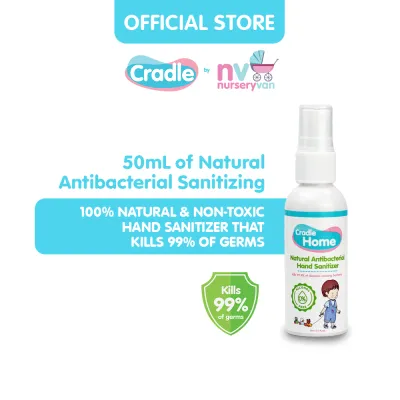
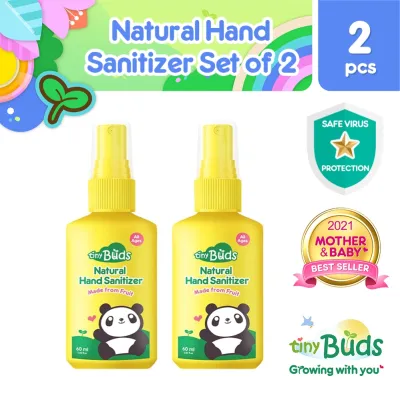
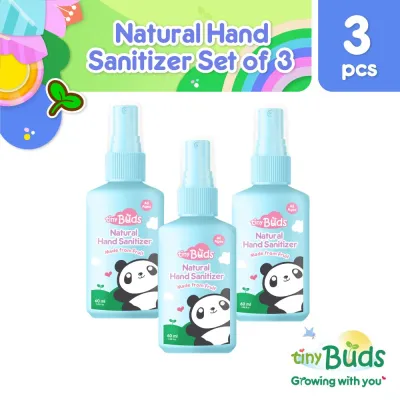
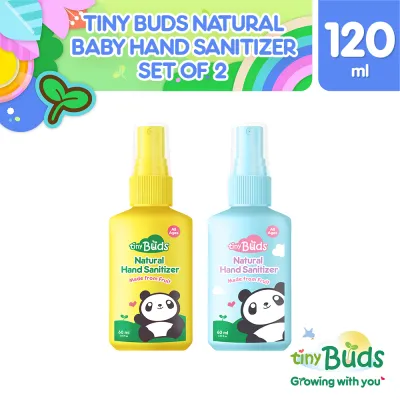
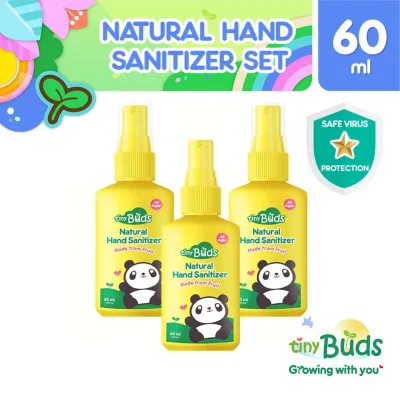
Prices are valid at publication and may change. Please refer to the product page for the latest price.
Disclaimer: Every baby’s skin and health profile are unique. Always consult your pediatrician or a qualified healthcare professional for personalized guidance regarding your baby’s hygiene routine and skin health.
Why Alcohol-Based Sanitizers Pose Risks to Babies
To understand why hand sanitizers require extreme caution, it is helpful to look at how a baby’s body interacts with the environment. What is perfectly safe for an adult can pose a significant physiological hazard to a developing child.

Ingestion and Alcohol Toxicity
Babies explore their world through sensory touch and oral exploration. Putting hands, fists, and objects into the mouth is a normal developmental milestone, but this behavior makes the use of topical alcohol highly problematic. If you apply an alcohol-based sanitizer to a baby’s hands, they may swallow the active ingredients before the liquid has fully dried.
Even a tiny amount of high-concentration alcohol can be toxic to an infant. Because babies have a very low body weight and an immature, developing liver, their bodies cannot process alcohol the way an adult’s can. Accidental ingestion of even a fraction of an ounce of hand sanitizer can lead to rapid drops in blood sugar, lethargy, confusion, or more severe metabolic complications. For this reason, constant adult supervision is mandatory whenever sanitizer is used, and you must ensure their hands are completely dry before allowing them to touch their face or mouth.
Skin Absorption and Irritation
An infant’s skin barrier is significantly thinner, more delicate, and more permeable than that of an adult. This structural difference means that harsh topical applications can easily disrupt the outer layer of the skin, leading to rapid moisture loss, painful cracking, redness, and irritation.
While accidental ingestion is the primary acute medical concern, there is also a theoretical risk of transdermal absorption. Because a baby’s skin-surface-area-to-body-weight ratio is much higher than an adult’s, chemicals applied to their skin can be absorbed into the bloodstream more readily. Parents should carefully monitor their baby’s hands for any signs of contact dermatitis, localized redness, flaking, or dry patches after any exposure to sanitizing products.
How to Read Hand Sanitizer Labels for Baby Safety
When shopping for hygiene products, parents must look past marketing claims and carefully inspect the ingredient list. The very properties that make a sanitizer effective at killing germs are often what make it hazardous for sensitive infant skin.
First, check the active ingredient and its exact concentration. To effectively kill common pathogens, an alcohol-based sanitizer typically needs to contain at least 60% ethanol (ethyl alcohol). However, this high concentration is precisely what poses the risk of toxicity and skin dryness.
Second, look out for dangerous contaminants or alternative alcohols. Never use any product containing methanol (wood alcohol) or 1-propanol. The food and drug administration authorities frequently issue recalls for products contaminated with methanol, which is highly toxic and can be absorbed through the skin or cause severe poisoning if swallowed. Isopropyl alcohol (rubbing alcohol) is also highly irritating and more toxic than ethanol upon ingestion, so it should be avoided on baby skin.
Finally, examine the inactive ingredients. Many commercial hand sanitizers contain added synthetic fragrances, artificial dyes, and harsh chemical preservatives designed to extend shelf life or create a pleasant scent. These unnecessary additives are primary triggers for contact allergies and skin sensitivities in young children. When choosing a product for family use, prioritize unscented, dye-free formulations, and always read the manufacturer’s warning labels regarding age restrictions and child-safety storage instructions.
Age-Based Guidelines for Hand Sanitizer Use
A baby’s developmental stage determines how safely they can tolerate hygiene products. Splitting your approach by age helps minimize risks while keeping your child clean.
Newborns and Young Infants
For newborns and young infants—typically those under six months of age—hand sanitizer should be avoided entirely. During these early months, a baby’s skin barrier is at its most fragile, and their hand-to-mouth habits are highly frequent and unpredictable.
Instead of sanitizing the baby’s hands directly, focus heavily on the hygiene of caregivers and visitors. Anyone who plans to handle, feed, or touch the baby must wash their hands thoroughly with warm water and soap for at least 20 seconds. In tropical climates like the Philippines, where high humidity and warm temperatures can make hands feel sticky or sweaty, frequent handwashing is especially important to prevent the transfer of environmental bacteria. If you are outdoors and your young baby’s hands become visibly soiled with dirt or saliva, use a soft cloth dampened with plain, clean water to gently wipe them clean.
Older Babies and Toddlers
Once babies reach the crawling and cruising stages, they naturally interact more with floor surfaces, public play areas, and shared items. For these older babies and toddlers, hand sanitizer may be used sparingly, but only when a proper handwashing station is completely unavailable.
When application is necessary, an adult must manage the process entirely. Never let a toddler handle or apply the bottle themselves. Squeeze a tiny, pea-sized drop onto your own palm, then rub it thoroughly over all surfaces of your child’s hands, including between their fingers and on the backs of their hands. You must physically hold the child’s hands open and gently blow on them or wave them in the air until the product has completely evaporated and the skin is bone-dry. Never let them put their hands in their mouth while the skin still feels damp.
Safe Hygiene Alternatives and Best Practices for On-the-Go
Maintaining clean hands during family outings does not require relying solely on chemical sanitizers. With a little preparation, you can establish a safe, highly effective hygiene routine that minimizes chemical exposure.
One of the most practical strategies is to pack a portable handwashing kit. You can easily assemble this by carrying a reusable bottle of clean tap water and a small travel-sized pump of baby-safe, fragrance-free liquid soap. This simple setup allows you to perform a complete, rinsing handwash anywhere—whether you are at a park, in the back of a car, or at an outdoor dining spot. A basic DIY setup like this costs less than ₱50 to put together and is far safer for your baby’s skin than any commercial sanitizer.
It is also important to understand the distinct role of baby wipes. Standard baby wipes are excellent for mechanically lifting away visible dirt, food residue, sweat, and grime from sticky fingers. However, they are not designed to disinfect or kill viral and bacterial pathogens unless specifically labeled as sanitizing wipes. For an optimal, low-risk on-the-go routine, use a two-step method: first, use a gentle baby wipe to physically clean off any surface dirt or food. Then, only if you are concerned about exposure to germs and have no access to running water, apply a minimal amount of baby-safe sanitizer, ensuring it dries completely.
Lastly, remember that sanitizing the hands of the adults and caregivers surrounding the baby is often far more impactful than sanitizing the baby’s hands directly. By keeping your own hands clean before preparing bottles, handling pacifiers, or picking up toys, you dramatically reduce the volume of pathogens introduced into your baby’s immediate environment.
When to Stop Use and Seek Medical Help
Even when parents are highly cautious, adverse reactions or accidental exposures can occur. Knowing how to spot trouble early and respond correctly is vital for your baby’s safety.
Immediately discontinue the use of any hand sanitizer if you notice signs of skin irritation on your baby’s hands. Watch for persistent redness, flaking, peeling skin, small bumps, or signs of discomfort such as scratching or crying when their hands are touched. These symptoms suggest that the product is too harsh for their skin barrier or that they are experiencing an allergic reaction to one of the ingredients. Switch back to gentle, plain water washing and consult your pediatrician if the skin does not clear up within a few days.
In the event of accidental ingestion, immediate action is required. If your baby licks a wet puddle of sanitizer from their hand or manages to swallow a small amount from an unsecured bottle, do not induce vomiting, as this can cause the liquid to enter their lungs and cause further damage. Instead, immediately wipe out their mouth with a clean, damp cloth.
Contact your local hospital, a poison control hotline, or seek emergency medical assistance right away. Be sure to bring the exact hand sanitizer bottle with you to the clinic so that the healthcare professionals can review the active ingredients, alcohol concentration, and manufacturer details to provide the most accurate treatment.
Frequently Asked Questions (FAQ)
Can I use hand sanitizer to clean my baby's toys?
You should avoid using alcohol-based hand sanitizers to clean toys, teethers, pacifiers, or any other items that your baby is likely to place in their mouth. Sanitizers leave behind bitter chemical residues, fragrances, and potential toxins that your baby will directly ingest. Instead, wash hard plastic toys with warm, soapy water, rinse them thoroughly with clean water, and allow them to air dry completely. For plush toys, refer to the manufacturer’s care instructions for safe laundering methods.
Are alcohol-free sanitizers a safer choice for infants?
While alcohol-free hand sanitizers eliminate the specific risk of acute alcohol toxicity, they are not necessarily a safer or gentler choice for infants. These formulations typically rely on alternative active chemical agents, such as benzalkonium chloride, which can still cause significant skin irritation, allergic reactions, or digestive distress if ingested. Furthermore, alcohol-free sanitizers are often less effective at killing certain types of viruses and bacteria compared to traditional alcohol-based options. Because of these trade-offs, soap and water remain the undisputed gold standard for infant hand hygiene.
What should I do if my baby licks their hands right after application?
If your baby licks their hands and the sanitizer was already completely dry to the touch, the risk of harm is very low, as the alcohol has already evaporated. Monitor them closely for any unusual behavior, but they are likely fine. However, if they lick their hands while the sanitizer is still wet, or if they swallow a visible drop, wipe their mouth out immediately with water and watch for signs of lethargy, vomiting, or breathing difficulties. If you observe any of these symptoms, or if you suspect they swallowed more than a tiny taste, seek professional medical care immediately.
Community discussion
Share your experience or ask a question. Comments are reviewed before publication.