
When selecting a cleaning agent for your infant’s feeding equipment, safety and material compatibility are the primary concerns for any caregiver. Baby bottle cleansers like the Moose Gear bottle cleaner are generally formulated to be safe for a wide variety of materials, including glass, plastic, and silicone. However, establishing absolute safety requires understanding how different materials react to liquid cleansers, verifying specific manufacturer guidelines, and practicing correct washing and rinsing techniques.
While commercial baby bottle cleansers aim to remove stubborn milk fats and proteins without leaving toxic residues, structural damage can still occur if a cleanser is mismatched with a specific bottle material. To protect your investment in high-quality feeding gear and ensure your baby’s health, you must evaluate the chemical compatibility of your cleaning products. This guide outlines how to verify if a bottle cleaner is safe for your specific inventory, how different materials respond to washing, and how to spot the warning signs of material degradation.
How to Verify Cleaner Compatibility with Baby Bottle Materials
Determining whether a liquid cleanser is safe for your baby’s bottles requires looking at safety through two distinct lenses. First, the cleanser must be biologically safe for your baby, meaning it must be formulated from non-toxic ingredients that rinse away completely without leaving harmful chemical residues. Second, the formula must be structurally safe for the bottle itself, meaning it will not cause the material to degrade, cloud, discolor, or become brittle over time.
Products mentioned in this guide
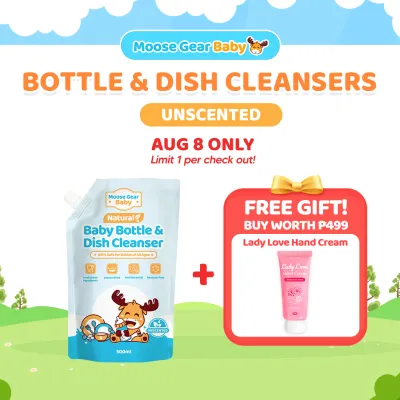
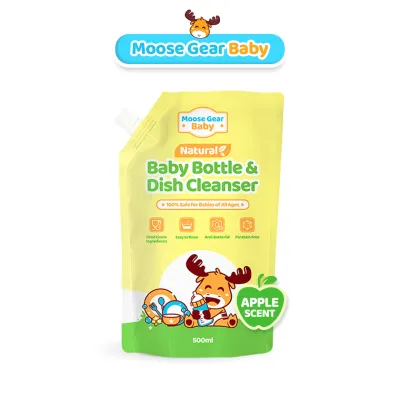
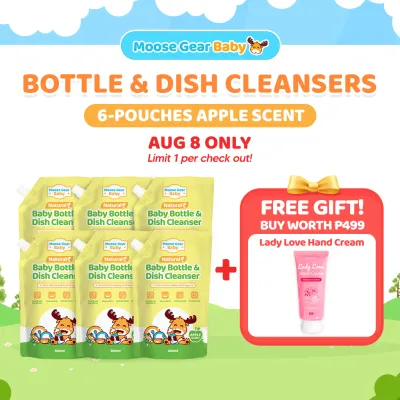
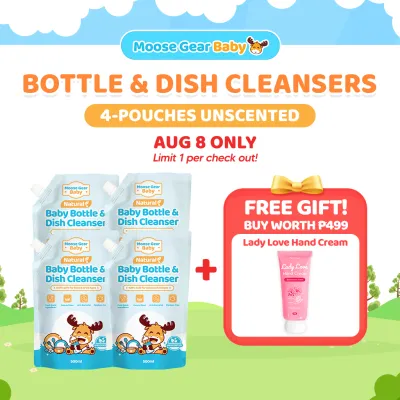
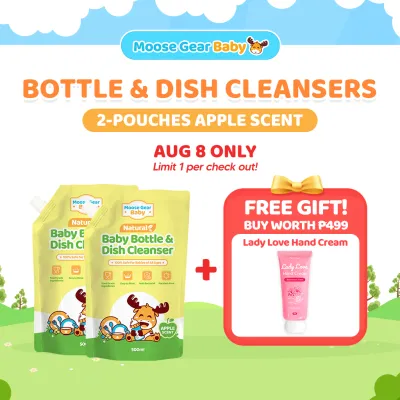
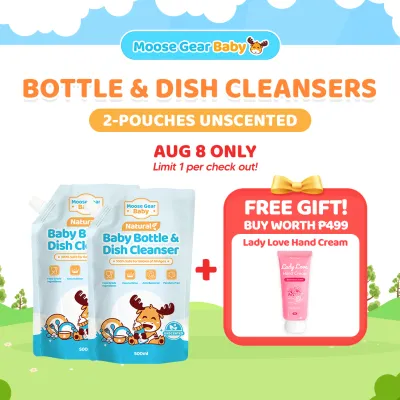

Prices are valid at publication and may change. Please refer to the product page for the latest price.
Before using any new cleaning product, caregivers should carefully inspect the Moose Gear bottle cleaner packaging for age recommendations, intended applications, and specific material warnings. Manufacturer labels often contain crucial directions regarding dilution and suitability for different types of feeding accessories. Because formulations can be updated, checking the physical bottle in your hand is always more reliable than relying on historical product descriptions or general online reviews.
In addition to checking the cleanser’s label, you must cross-reference these details with the care instructions provided by your baby bottle’s manufacturer. Premium bottle brands often specify the types of surfactants, enzymes, or pH levels that their materials can tolerate. For instance, some specialized plastic polymers or anti-colic valve systems have strict maintenance guidelines that prohibit certain plant-derived oils or require neutral-pH detergents to prevent warping.
If you cannot find explicit manufacturer approval linking a specific cleanser to your bottle material, the safest approach is to perform a spot test. Choose a single, non-essential component—such as an extra collar or a single nipple—and wash it according to the cleanser’s instructions. Inspect the item closely under bright light after drying; if you notice any changes in texture, clarity, or flexibility, discontinue use on that material immediately.
Material-Specific Safety and Care Guidelines
Different baby bottle materials possess distinct physical and chemical properties, meaning they react differently to exposure to water, heat, and cleaning agents. Understanding these differences allows caregivers to tailor their cleaning routines to prevent damage and extend the lifespan of their feeding gear.

Glass Bottles: Residue and Thermal Shock Risks
Glass is highly regarded in pediatric care because it is non-porous, highly durable, and naturally resistant to chemical degradation. Standard baby bottle cleansers will not chemically react with or damage high-quality borosilicate glass, making it one of the easiest materials to keep clean and sanitary over years of use.
However, glass bottles are highly susceptible to cosmetic film buildup if washed with cleansers containing heavy synthetic thickeners, artificial dyes, or strong fragrances. These additives can cling to the ultra-smooth surface of the glass, requiring excessive rinsing to remove completely. If a thin film of soap residue remains on the glass, it can affect the taste of subsequent milk feeds and potentially cause feeding refusal.
While chemical damage is rare for glass, physical damage from thermal shock remains a significant risk during the washing process. Thermal shock occurs when glass experiences a rapid, extreme change in temperature, such as transferring a cold bottle directly into boiling water or rinsing a hot, freshly sterilized bottle with cold tap water. To prevent micro-fractures or sudden shattering, always allow glass bottles to cool down gradually to room temperature before washing or sterilizing them.
Plastic Bottles (PP, PPSU, PES): Preventing Clouding and Scratches
Plastic baby bottles are popular due to their lightweight and shatterproof design, but they require careful maintenance to preserve their clarity and structural integrity. Common bottle plastics include Polypropylene (PP), Polyphenylsulfone (PPSU), and Polyethersulfone (PES), each offering different levels of heat resistance and durability.
These plastic polymers are vulnerable to clouding, discoloration, and physical degradation if exposed to harsh industrial solvents, highly alkaline detergents, or strong alcohols. When evaluating a cleanser like Moose Gear, caregivers must verify that the formula is free from aggressive degreasing agents that can strip the protective surface of the plastic. Over time, chemical exposure can cause plastic to become brittle, increasing the risk of cracking during assembly or feeding.
Physical abrasion is another major threat to plastic baby bottles. Using stiff nylon-bristled brushes or abrasive kitchen sponges can create microscopic scratches on the inner walls of the bottle. These tiny grooves are highly problematic because they can harbor milk proteins and bacteria, making the bottle difficult to sanitize regardless of how much cleanser you use. Always use soft-bristled silicone brushes or dedicated foam sponges when cleaning plastic bottles.
Silicone Bottles and Nipples: Managing Odor and Degradation
Silicone is widely used for bottle nipples, anti-colic valves, and flexible bottle bodies due to its soft, breast-like texture and high heat tolerance. Despite these benefits, silicone is a highly porous elastomer, meaning it behaves differently than rigid glass or plastic during the cleaning process.
Because silicone is porous, it easily absorbs chemical fragrances, essential oils, and strong preservatives from washing solutions. If a bottle cleaner features a heavy synthetic perfume, the silicone components are highly likely to retain that scent even after multiple rinses. This retained soap odor can alter the taste of breast milk or infant formula, which frequently leads to babies rejecting the bottle during feeding times.
Furthermore, prolonged exposure to highly concentrated cleaning solutions can cause silicone to degrade physically. Allowing silicone nipples or valves to soak in soapy water for hours can cause the material to absorb excess water and chemicals, leading to swelling, a sticky or tacky texture, or premature tearing. To preserve the elasticity of silicone, limit soaking times and rinse all parts immediately after washing.
Decoding the Moose Gear Ingredient Label
To truly understand the safety profile of any commercial cleaning product, caregivers must learn to read and evaluate the ingredient list on the packaging. Marketing claims such as “natural” or “eco-friendly” are not standardized safety guarantees, making a direct ingredient check the most reliable way to assess compatibility.
- Surfactants: Surfactants are the active cleaning agents responsible for breaking down milk fats and lifting them away from the bottle surface. For baby items, look for mild, plant-derived surfactants—such as those derived from coconut or corn (e.g., decyl glucoside, coco-glucoside)—rather than harsh industrial anionic surfactants like Sodium Lauryl Sulfate (SLS) or Sodium Laureth Sulfate (SLES), which can degrade plastics and irritate the caregiver's skin.
- Fragrances and Dyes: Fragrance-free and dye-free formulas are highly recommended for infant feeding gear. Eliminating synthetic perfumes and artificial colorants minimizes the risk of chemical absorption in silicone nipples and reduces the likelihood of skin irritation or allergic reactions in sensitive infants.
- Preservatives and Antibacterial Agents: While preservatives are necessary to prevent bacterial growth inside the cleanser bottle, strong chemical preservatives or aggressive antibacterial agents can accelerate the breakdown of plastic and silicone. Caregivers should verify that the product uses mild, food-contact-safe preservatives that do not leave toxic residues on feeding surfaces.
- pH Level: A neutral or slightly acidic pH level (typically between 5.5 and 7.0) is safest for both baby bottle materials and the caregiver's hands. Highly alkaline cleansers can strip the surface layers of PPSU and PES plastics, leading to premature cloudiness and structural weakness.
Rather than relying solely on general advertising, parents should look for explicit certifications on the Moose Gear bottle cleaner packaging. Verifications such as “food-contact safe,” “dermatologically tested,” or compliance with international safety standards indicate that the formula has undergone specific testing to ensure it does not pose a hazard to infant health when used as directed.
Safe Washing, Rinsing, and Drying Practices
Even the safest, most premium bottle cleaner can cause issues if applied incorrectly. Establishing a consistent, hygienic washing and drying routine is essential to prevent chemical buildup and maintain the cleanliness of your baby’s feeding equipment.
When preparing to wash your baby’s bottles, always follow the exact dilution instructions provided on the Moose Gear label. A common mistake among caregivers is applying concentrated liquid cleanser directly onto a bottle brush or nipple. Using an excessive amount of soap does not make the bottles cleaner; instead, it makes the rinsing process significantly harder and increases the likelihood of leaving a soapy residue behind.
Before washing, completely disassemble all parts of the bottle, including the nipples, collars, travel caps, and any anti-colic valves or straws. Washing assembled bottles allows milk residue to remain trapped in the joints and crevices, creating an ideal breeding ground for bacteria. Use dedicated, clean bottle brushes that are kept separate from your family’s general dishwashing sponges to prevent cross-contamination with grease or food particles.
To rinse, hold each component under a strong stream of clean, running water. Pay close attention to the inside of the silicone nipples and the tiny passages of anti-colic vents, as these areas are prone to trapping soap suds. Squeeze the tip of the nipple several times under running water to ensure that the feeding hole is completely clear of both milk residue and cleanser.
In warm, humid climates like the Philippines, drying practices are just as critical as the washing step itself. Wet bottles left on a crowded kitchen counter can quickly accumulate mold and bacterial growth due to the high moisture levels in the air. To prevent this, place all washed items upside down on a dedicated, clean, and well-ventilated drying rack located in a dry area of your home. Ensure all parts are completely bone-dry before assembling them or storing them in closed cabinets.
Warning Signs: When to Change Your Cleaning Routine
Caregivers must regularly inspect all baby feeding equipment during the washing process. Recognizing the early warning signs of material degradation allows you to adjust your cleaning routine or replace damaged items before they pose a safety risk to your baby.
First, monitor your bottles for visible material changes. If clear plastic bottles suddenly develop a cloudy, milky, or yellowed appearance, or if silicone nipples begin to feel sticky, tacky, or slimy to the touch, it indicates that the material is breaking down. This can be caused by chemical incompatibility, exposure to excessive heat, or prolonged soaking in concentrated cleanser solutions. If these changes occur, stop using the current cleanser on those items.
Second, inspect all components for physical damage. Micro-cracks, peeling surfaces, deep scratches, or a loss of elasticity in silicone nipples are clear indicators that the item has reached the end of its usable lifespan. Damaged bottles and nipples must be discarded and replaced immediately, as these physical defects can harbor harmful bacteria that cannot be removed by standard washing or sterilization.
Finally, closely observe your baby’s behavior and physical health. If your infant suddenly refuses a bottle they previously accepted, shows signs of oral discomfort, or develops unexplained rashes around their mouth, discontinue use of the bottle cleanser immediately. These symptoms can indicate that the baby is reacting to a soapy taste absorbed by the silicone nipple or experiencing irritation from chemical residues. If symptoms persist, consult a qualified pediatrician or healthcare professional for guidance.
Frequently Asked Questions (FAQ)
Do I still need to sterilize bottles after using Moose Gear cleaner?
Yes, sterilization remains a necessary step in your infant hygiene routine, particularly for newborns, premature infants, or babies with compromised immune systems. Using a bottle cleaner is designed to remove physical debris, such as milk fats, proteins, and sugars, from the surfaces of the bottle. However, cleaning alone does not eliminate all microscopic pathogens. After thoroughly washing and rinsing your bottles with a cleanser, you must use a dedicated sterilizer—such as steam, boiling water, or a UV sterilizer—while ensuring you follow the bottle manufacturer’s specific temperature limits to avoid damaging the materials.
Can I use this cleaner on breast pump parts and pacifiers?
In most cases, a mild baby bottle cleaner can be used to clean breast pump parts, pacifiers, and other silicone teething toys. However, breast pump assemblies often contain highly delicate components, such as thin silicone membranes, duckbill valves, and specialized plastic connectors, which are highly sensitive to tearing or warping. Before washing these items, you must consult both the cleanser’s packaging and the breast pump manufacturer’s care guidelines. Some pump brands require specific cleaning protocols or prohibit the use of certain liquid detergents to maintain the pump’s suction efficiency and warranty coverage.

Community discussion
Share your experience or ask a question. Comments are reviewed before publication.