
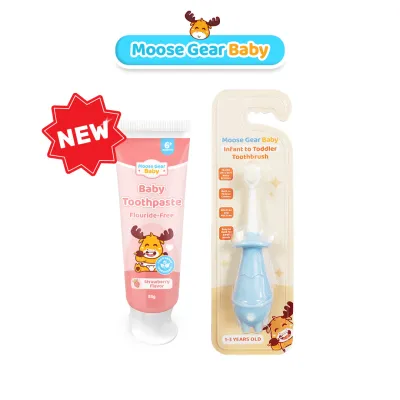
When your baby starts teething, establishing a daily oral hygiene routine is a major milestone, but it also brings up practical concerns for parents. The primary worry for most families is whether the toothpaste used is safe if swallowed, given that infants and toddlers have not yet developed the physical coordination to spit. Generally, baby toothpastes designated as training or fluoride-free formulas are designed with swallow-safety in mind, using food-grade ingredients that minimize risks when consumed in tiny, recommended amounts. To determine if your specific tube of Moose Gear baby toothpaste is safe for your little one to swallow, you must carefully inspect the product label, verify its formulation type, and strictly adhere to age-appropriate application limits.
In the Philippines, where warm and humid tropical conditions can influence how we store and handle baby care products, maintaining proper oral hygiene is essential from the very first tooth. Because babies naturally swallow almost everything put into their mouths, standard adult toothpastes are entirely unsuitable due to their high fluoride levels and foaming agents. Training toothpastes are specifically formulated to bridge this gap, offering a mild cleaning option that does not rely on ingredients requiring spitting. However, safety is never a one-size-fits-all guarantee, and parents must take an active role in verifying the product details on the packaging before introducing any gel or paste to their baby’s gums.
How to Verify If Your Moose Gear Toothpaste Is Safe to Swallow
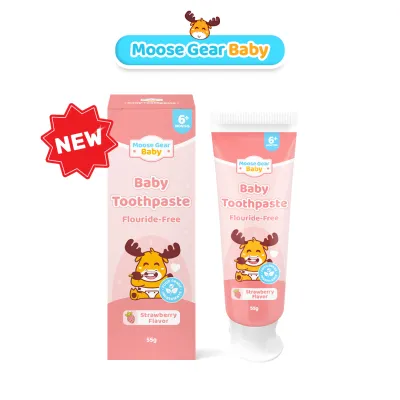
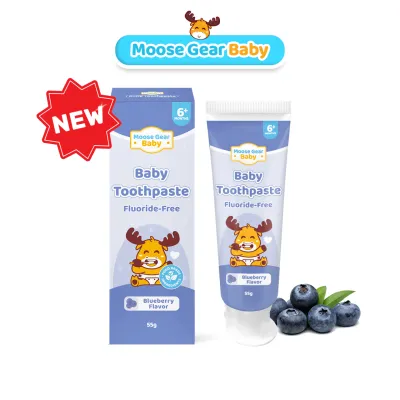
Before squeezing any product onto a baby toothbrush, you should conduct a thorough visual inspection of the packaging. Look closely at the front and back panels of the Moose Gear baby toothpaste tube and its outer box for explicit terms such as “safe to swallow,” “fluoride-free,” or “training toothpaste.” These labels indicate that the manufacturer has formulated the product specifically for children who have not yet mastered the ability to spit out oral care products. If a product does not clearly state that it is safe for ingestion or designed as a training paste, you should treat it as a formula that requires spitting and withhold it from an infant.
Products mentioned in this guide
Prices are valid at publication and may change. Please refer to the product page for the latest price.
Next, turn your attention to the ingredient list printed on the packaging. Safe training toothpastes typically avoid harsh chemical additives, artificial dyes, and strong foaming agents like sodium lauryl sulfate (SLS), which can irritate a baby’s delicate oral mucosa or cause digestive discomfort if swallowed. Instead, look for mild, food-grade ingredients and natural sweeteners like xylitol, which are commonly used to make the paste palatable without promoting tooth decay. If you spot any unfamiliar chemical compounds, preservatives, or artificial colorants on the ingredient list, consult the manufacturer’s official documentation or ask your pediatrician to clarify their safety profile for infants.
Finally, verify the manufacturer’s specific age recommendations and usage instructions, which are usually printed on the back of the tube. Many baby toothpastes are categorized by developmental stages, such as “0 to 2 years” or “6+ months,” aligning with the typical emergence of the first primary teeth. Never assume a product is suitable for a newborn or young infant simply because of the brand name or attractive cartoon characters on the packaging. If the label lacks clear age guidelines or instructions for non-spitting babies, contact the manufacturer directly or consult a pediatric dentist before allowing your child to use it.
Understanding Fluoride and Ingestion Risks for Babies
To understand why verifying your baby’s toothpaste formulation is so critical, it helps to look at the role of fluoride in dental health. Pediatric dental guidelines generally recommend fluoride-free training toothpastes for infants who cannot yet spit because fluoride is intended for topical application on the teeth, not for systemic ingestion. While fluoride is highly effective at strengthening tooth enamel and preventing cavities in older children and adults, swallowing it regularly during early infancy can lead to unwanted side effects.

The primary risk associated with the chronic ingestion of fluoride during the early stages of tooth development is dental fluorosis. This condition occurs when young children swallow excess fluoride while their permanent teeth are still forming beneath the gums, resulting in faint white lines, streaks, or discoloration on the adult teeth once they eventually emerge. Because infants have a very low body weight, even small amounts of swallowed fluoride from adult or family toothpastes can quickly exceed safe daily thresholds. Using a verified fluoride-free training toothpaste ensures that your baby can practice brushing habits daily without any risk of developing fluorosis from accidental swallowing.
When examining your Moose Gear baby toothpaste, check the label carefully to confirm the presence or absence of fluoride. Fluoride-free formulas are explicitly marked as such, providing peace of mind for parents of younger infants. If you transition to a fluoride-containing toothpaste later on, the packaging will display specific warnings, precise fluoride concentrations (often measured in parts per million or ppm), and clear instructions to use only a tiny, controlled amount under strict supervision. Always keep these products well out of reach of children to prevent accidental ingestion of large quantities.
Safe Brushing Practices for Babies Who Cannot Spit
Even when using a verified, swallow-safe training toothpaste, practicing proper application techniques is essential to minimize the total amount of product your baby ingests. The most effective way to control ingestion is to use the correct, minimal amount of toothpaste as directed by pediatric dental guidelines. For babies and toddlers who cannot spit, a tiny “smear” or a portion no larger than a single grain of rice is all that is required to clean the teeth and gums. Squeezing a large ribbon of paste across the bristles is unnecessary and significantly increases the volume of product your baby will swallow.
Supervision is another critical component of safe oral care. Always manage the toothpaste tube yourself and store it in a secure location where your baby or toddler cannot reach it. Because many baby toothpastes are formulated with pleasant fruit flavors to encourage brushing, young children may view the tube as a tasty treat and attempt to eat the paste directly from the nozzle. In the warm, humid climate of the Philippines, it is also important to keep the cap tightly sealed and store the tube in a cool, dry cupboard to prevent moisture buildup, mold, or bacterial contamination around the opening.
After you finish brushing your baby’s teeth, you can take an extra step to reduce the amount of residue left in their mouth. Take a clean, damp washcloth or a piece of sterile gauze wrapped around your finger and gently wipe your baby’s gums, tongue, and teeth. This simple action removes excess toothpaste, food particles, and loosened plaque, ensuring that very little paste remains to be swallowed. It also helps accustom your baby to the sensation of having their mouth cleaned, laying a solid foundation for more advanced brushing routines as they grow.
When to Stop Use and Consult a Professional
While high-quality baby toothpastes are formulated to be gentle, every child’s digestive and immune systems are unique, meaning mild sensitivities can still occur. Parents should closely monitor their baby during and after brushing for any signs of an adverse reaction. If you notice redness, swelling, or small bumps inside your baby’s mouth, or if they experience unexplained digestive upset, loose stools, or skin rashes after brushing, stop using the toothpaste immediately. These symptoms could indicate a sensitivity or mild allergic reaction to a specific ingredient or flavoring agent in the formula.
In the event that your baby manages to access the toothpaste tube and swallows a large, accidental amount, remain calm and take immediate, low-risk steps. First, gently wipe any remaining paste from their mouth and lips with a damp cloth. If the product is a verified fluoride-free training toothpaste, swallowing a moderate amount is unlikely to cause serious harm, though it may lead to a mild stomach ache or loose stools due to the presence of sweeteners like sorbitol or xylitol. Offer your baby a few sips of water to help dilute the paste in their stomach, and monitor them closely for any persistent discomfort.
For personalized guidance, always consult a pediatric dentist or your pediatrician regarding your baby’s oral care routine. A professional can evaluate your baby’s specific dental development, assess your local water supply’s fluoride levels, and recommend the exact timing for transitioning from a fluoride-free training paste to a fluoride formula. Establishing a relationship with a pediatric dentist early—ideally by your baby’s first birthday or when their first tooth appears—ensures you receive accurate, tailored advice that supports your child’s long-term oral health.
Frequently Asked Questions (FAQ)
Can I use regular family toothpaste for my baby in an emergency?
No, you should never use regular family or adult toothpaste for a baby who cannot spit. Adult toothpastes contain significantly higher concentrations of fluoride, which can be harmful if swallowed regularly by an infant, increasing the risk of dental fluorosis. Additionally, adult formulas often contain strong foaming agents like sodium lauryl sulfate (SLS) and intense mint flavorings that can irritate a baby’s sensitive mouth or cause a burning sensation. If you run out of baby toothpaste, it is much safer to brush your baby’s teeth using only a clean toothbrush dampened with plain water, or to wipe their teeth and gums with a clean, damp washcloth until you can purchase a proper training paste.
At what age should my baby transition to a fluoride toothpaste?
The transition to fluoride toothpaste depends largely on your child’s developmental milestones and their ability to reliably spit out the excess paste after brushing, which typically occurs around the age of three. However, because cavity risks vary from child to child, some pediatric dentists may recommend introducing a tiny smear of fluoride toothpaste earlier if a child is deemed to be at high risk for tooth decay. Before making the switch, schedule a consultation with a pediatric dentist who can examine your child’s teeth, evaluate their diet and oral hygiene habits, and provide a personalized recommendation on the safest timing and dosage for fluoride introduction.
What should I do if my baby swallows a large amount of toothpaste?
If your baby swallows a large amount of toothpaste, your immediate response should depend on whether the formula contains fluoride. For a fluoride-free training toothpaste, comfort your baby and offer them a small amount of water or milk to help soothe their stomach, as the primary risk is mild digestive upset or diarrhea from the sweeteners. If the swallowed product contains fluoride, check the packaging for specific emergency instructions and contact a local poison control center or seek immediate medical evaluation. Always keep the toothpaste tube handy when speaking to medical professionals so you can read the exact ingredient list and fluoride concentration printed on the label.

Community discussion
Share your experience or ask a question. Comments are reviewed before publication.