
Determining whether the Mommy One Diaper Pants 50pcs pack is worth your budget depends on your baby’s specific fit requirements, skin sensitivity, and your household’s daily consumption rate. Because prices and promotions on online marketplaces fluctuate constantly, this guide provides a clear framework to help you calculate the true cost per diaper. We will compare the evaluation metrics for Mommy One against Pampers, Huggies, and Equator, revealing the hidden factors that ultimately define the best value for your family.
In the Philippines, the tropical climate and high humidity levels add an extra layer of complexity to choosing the right diaper. A diaper that is highly affordable but lacks adequate breathability can quickly lead to skin irritation, requiring more frequent changes and additional skincare products. Consequently, evaluating a diaper pack like the Mommy One 50pcs option requires looking beyond the initial checkout price to understand how it performs under local conditions.
Navigating the wide variety of diaper brands on ecommerce platforms can be overwhelming for parents trying to balance a household budget. Established names like Pampers and Huggies often command a premium due to their long-standing reputation and advanced absorption technologies. Meanwhile, alternative options like Equator and Mommy One position themselves as budget-friendly alternatives, promising reliable performance at a lower price point. To make an informed decision, caregivers must employ a systematic approach to compare these brands objectively.
Products mentioned in this guide
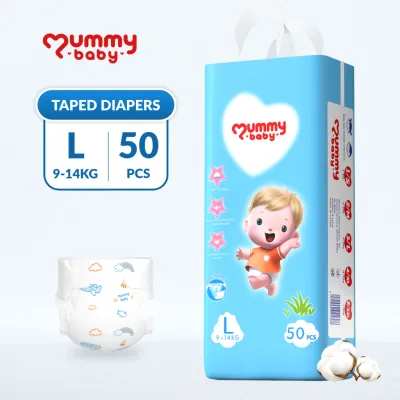
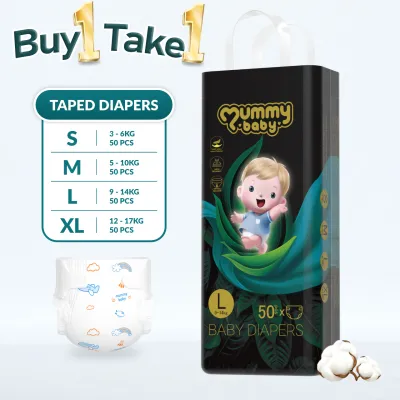


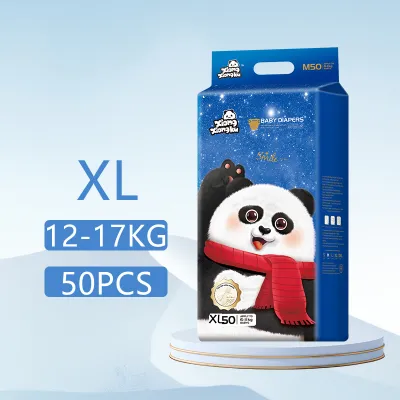
Prices are valid at publication and may change. Please refer to the product page for the latest price.
Calculating the Base Cost Per Diaper
To determine if the Mommy One Diaper Pants 50pcs pack offers genuine savings, you must first calculate the true cost per diaper. The listed price on an online marketplace storefront is rarely the final amount you pay. To get an accurate baseline, you must look at the final checkout screen where all additional costs and discounts are applied.
To calculate the true cost per diaper, use this simple normalization formula:
True Cost Per Diaper = Total Checkout Price in ₱ ÷ Total Diaper Count
When applying this formula, ensure that the “Total Checkout Price” includes the base price of the pack, any applicable shipping fees, and any deductions from platform vouchers, store coupons, or payment method discounts. Shipping fees in particular can heavily distort the value of a purchase, sometimes turning a seemingly cheap diaper pack into an expensive option if the seller is located far from your delivery address.
Once you have calculated this figure for the Mommy One 50pcs pack, perform the exact same calculation for equivalent packs from Pampers, Huggies, and Equator. It is crucial to compare equivalent sizes, such as Medium to Medium or Large to Large, because the cost per piece naturally increases as the diaper size gets larger.
Avoid the common mistake of comparing a bulk box of one brand directly with a mid-size 50pcs pack of another without converting both to a per-piece metric first. Bulk boxes often feature a lower cost per diaper but require a much higher upfront financial commitment. By normalizing the cost to a single diaper, you establish a fair and transparent baseline that allows you to see exactly where your money is going.
Tracking prices over time is also highly beneficial. Online marketplaces frequently run monthly double-day sales, mid-month paydays, or end-of-month clearances. Calculating the cost per diaper during these promotional windows can reveal the absolute lowest price point for each brand, helping you decide when and where to stock up.
Evaluating Pack Sizes and Daily Usage Rates
A 50-piece pack of diaper pants is generally considered a mid-size option, but how long it actually lasts depends heavily on your baby’s age, weight, and daily activity levels. Younger infants typically require more frequent changes, sometimes up to eight to ten times a day, meaning a 50pcs pack might only last five to six days. For older toddlers who are being potty trained or require fewer changes, the same pack might stretch to over a week.

In warm, humid environments, leaving a diaper on for extended periods is not recommended, even if the diaper has not reached its maximum capacity. Sweat and moisture buildup can quickly cause discomfort and skin issues. Therefore, caregivers often find themselves changing diapers frequently throughout the day, which rapidly depletes a 50pcs pack.
When comparing pack configurations, you will find that Pampers, Huggies, and Equator offer varying sizes. Some premium brands focus heavily on larger bulk packaging or smaller travel packs, which can make finding a direct 50-piece equivalent challenging. If a brand forces you into bulk buying to get a reasonable price, it increases your upfront cost and reduces your flexibility if your baby suddenly outgrows their current size.
Transitioning from tape diapers to pants diapers also introduces a shift in pricing and usage. Pants diapers offer excellent convenience for active babies who crawl or walk, but they often cost slightly more per piece than tape diapers. This makes calculating the cost of a 50pcs pants pack even more critical to ensure the convenience is worth the extra expense.
Purchasing a large quantity of an untested diaper brand carries a distinct financial risk. If you buy a 50pcs pack of Mommy One or Equator without first testing how the waistband elastic, leg cuffs, and overall fit suit your baby’s unique body shape, you risk being left with dozens of unusable diapers. A diaper that is too tight can cause painful red marks, while one that is too loose will inevitably leak, rendering the entire pack a poor investment.
Factoring in Hidden Costs Beyond the Price Tag
A truly cost-effective diapering strategy looks beyond the upfront retail price to consider the total cost of ownership. One of the most significant hidden costs of budget-friendly diapers is the potential for frequent leakage. When a diaper fails to contain moisture or solid waste, it leads to immediate secondary expenses that can quickly wipe out any initial savings.
Every leak results in soiled clothing, bedsheets, and crib liners, which means extra laundry cycles. In many households, the cost of water, electricity, and specialized baby-safe laundry detergents is substantial. If a cheaper diaper requires you to run your washing machine twice as often, the money saved on the diaper purchase is simply transferred to your utility bills.
Another critical factor is the financial and emotional toll of diaper rash. When a baby develops skin irritation due to poor breathability or inadequate moisture absorption, parents must invest in specialized barrier creams, soothing ointments, or extra skin-cleansing products. In severe cases, a persistent rash may require a visit to a pediatrician, introducing medical consultation fees and prescription costs to your budget.
To minimize these risks, caregivers should carefully inspect product labels for material composition, breathability features, and hypoallergenic claims. When trying a new brand like Mommy One, monitor your baby’s skin closely during a short trial period. Look for signs of redness, chafing, or dampness immediately after a change, as these are clear indicators of how well the diaper’s materials interact with your baby’s skin.
Additionally, consider the physical design of the diaper pants. Features such as double leak guards along the thighs and a wetness indicator can prevent accidents before they happen. If a budget brand lacks these features, you may end up changing the diaper prematurely out of caution, which increases your overall consumption rate and negates the lower unit cost.
Building a Smart Diaper Budget Strategy
Maximizing your diaper budget without compromising your baby’s comfort or skin health requires a strategic approach. One highly effective method is the hybrid “day vs. night” diapering strategy. During the day, when babies are active and changed frequently—often every two to three hours—you can utilize a more affordable option like Mommy One or Equator. Because these diapers are changed quickly, they do not need to hold moisture for twelve hours straight.
For overnight use, when uninterrupted sleep is vital for both the baby and the parents, you can transition to a highly absorbent, premium option from Pampers or Huggies. These diapers are designed to handle multiple wettings over a longer period, keeping the baby dry and comfortable until morning. This hybrid approach allows you to stretch your premium diapers further while keeping your daytime costs low.
Before committing to a 50pcs pack or a bulk order of any new brand, always implement a safe trial protocol. Purchase the smallest pack available—or look for official sample packs—to test the fit, waistband elasticity, and skin compatibility. This small initial investment protects your budget from the waste of a large, unusable pack if the diaper does not suit your baby.
Finally, when purchasing diapers from online marketplaces, always verify the authenticity of the seller. Look for official brand stores or highly rated preferred sellers to avoid counterfeit products. Read recent buyer reviews specifically looking for comments on sizing accuracy and material feel, and check the manufacturing dates on the packaging to ensure the elastic and absorbent materials have not degraded from prolonged storage.
Frequently Asked Questions (FAQ)
Can I mix different diaper brands in my daily routine?
Yes, mixing different diaper brands is an excellent way to optimize your household budget and cater to your baby’s changing needs throughout the day. Many caregivers successfully use budget-friendly diaper pants for active daytime hours when changes are frequent, and reserve premium, high-capacity brands for overnight sleep or long outings. This hybrid approach ensures your baby remains comfortable and dry when it matters most, while significantly lowering your overall monthly diaper expenses.
What should I do if a more affordable diaper causes a rash?
If your baby develops a rash after switching to a new diaper brand, stop using that specific diaper immediately and revert to a brand you know is safe for their skin. Allow the affected area to air dry as much as possible during changes, and apply a recommended diaper barrier cream containing zinc oxide to protect the skin from moisture. Keep diaper changes frequent, and if the redness, swelling, or irritation persists or worsens after a few days, consult a qualified healthcare professional for guidance.

Community discussion
Share your experience or ask a question. Comments are reviewed before publication.