
Determining whether Kiddie Teeth Defender toothpaste is safe for your baby or toddler requires looking beyond the marketing claims on the front of the tube. The safety of any infant oral care product depends entirely on its specific formulation, active ingredients, and how well it aligns with your child’s current developmental stage and physical abilities. Because infants and young toddlers have not yet mastered the ability to spit out excess paste, any product introduced to their routine must be evaluated with strict safety standards in mind.
While many children’s toothpastes are formulated to be gentle, parents must verify the specific ingredients, fluoride concentration, and age recommendations on the packaging before use. This guide walks you through the exact label checks, ingredient evaluations, and usage boundaries you need to verify to ensure a safe and effective oral care routine for your little one.
How to Verify Age Appropriateness and Usage Instructions
When selecting an oral care product for a young child, the first step is to locate the manufacturer’s age recommendation on the packaging. Most brands print a clear age range, such as “0-2 years” or “3+ years,” on the front or back of the tube. These guidelines correspond to the developmental milestones of a child’s oral anatomy and swallowing reflexes. If you are considering Kiddie Teeth Defender toothpaste, look closely at the label to see which age group the manufacturer has designated for that specific formulation.
Products mentioned in this guide
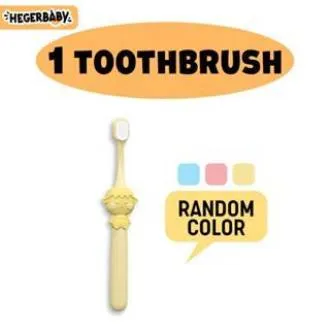

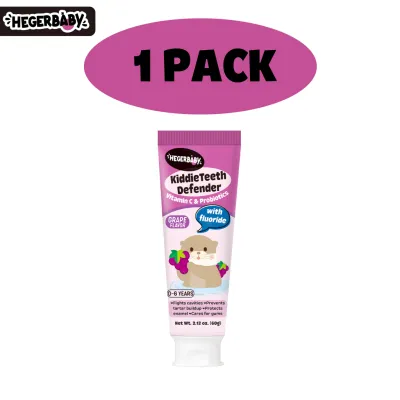
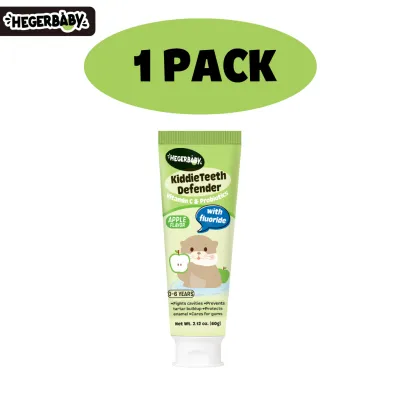
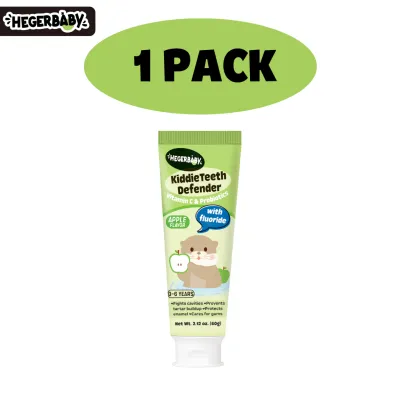
Prices are valid at publication and may change. Please refer to the product page for the latest price.
Understanding the functional difference between “training” toothpaste and standard children’s toothpaste is crucial for safety. Training toothpastes are typically formulated without fluoride and are designed to be safe if swallowed in small quantities. They are intended for infants and young toddlers who have not yet learned how to rinse and spit. Standard children’s toothpastes, on the other hand, often contain fluoride to help prevent cavities but require the child to have a reliable spitting reflex to avoid swallowing excess active ingredients.
The recommended dosage of toothpaste changes significantly as your child grows. For infants and toddlers under the age of three, dental professionals generally recommend using a tiny “smear” or a portion no larger than a single grain of rice. This minimal amount ensures that even if the child swallows the entire dose, the intake of any active ingredients remains well within safe limits. For children aged three and older, the dosage can be increased to a “pea-sized” amount, provided they can reliably spit out the excess after brushing.
Always review the packaging for specific supervision warnings or contraindications. Manufacturers of children’s oral care products almost always include a warning stating that the product should only be used under direct adult supervision. This is to prevent children from eating the toothpaste directly from the tube, which can happen easily due to the sweet, kid-friendly flavors often used in these formulations.
Understanding Fluoride Content and Safety Limits
Evaluating the fluoride content of your child’s toothpaste is one of the most important decisions you will make as a parent. To start, turn the tube over and examine the active ingredients list. If the product contains fluoride, it will list an active ingredient such as sodium fluoride or sodium monofluorophosphate, usually accompanied by a concentration measurement in parts per million (ppm). If no such ingredient is listed, the product is considered fluoride-free.

Once you have identified the fluoride concentration on the tube, compare it with the current guidelines provided by your pediatric dentist or national dental associations. In many regions, including the Philippines, dental authorities recommend using a fluoride toothpaste with a concentration of at least 1,000 ppm as soon as the first tooth erupts, provided the dosage is strictly controlled to a tiny smear. However, some parents and dentists prefer to start with fluoride-free training toothpaste until the child is slightly older. Consulting your family’s pediatric dentist will help you determine the best approach for your child’s specific cavity risk.
The safety rationale behind using a minimal smear of fluoride toothpaste is to balance effective cavity prevention with the risk of dental fluorosis. Dental fluorosis is a cosmetic condition that can cause faint white lines or streaks on the permanent teeth if a child ingests too much fluoride during the years when their adult teeth are developing under the gums. By keeping the toothpaste dosage to a tiny, rice-sized smear, you provide enough local fluoride to strengthen the tooth enamel while keeping the total amount swallowed low enough to avoid any risk of fluorosis.
When evaluating any children’s toothpaste, look for recognized dental association seals or certifications on the packaging. These seals indicate that the product has been reviewed by independent dental experts and meets specific safety and efficacy standards. While the absence of a seal does not automatically mean a product is unsafe, its presence provides an extra layer of reassurance for parents looking to verify the quality of their child’s oral care products.
Evaluating Ingredient Safety and Potential Irritants
Beyond fluoride, the inactive ingredients in your child’s toothpaste deserve close inspection. Many conventional toothpastes contain foaming agents, the most common of which is Sodium Lauryl Sulfate (SLS). While SLS is highly effective at creating a satisfying lather, it can be quite harsh on the delicate oral tissues of babies and toddlers. In some sensitive children, SLS can cause dryness, irritation, or even contribute to the development of painful mouth sores. Checking the ingredient list for SLS-free formulations is a wise precaution for young children.
Artificial sweeteners, synthetic dyes, and strong flavorings are also common additives in children’s oral care products. While these ingredients are used to make the toothpaste taste appealing, they can sometimes encourage children to swallow the product rather than spit it out. Furthermore, some children may have sensitivities or mild allergic reactions to specific synthetic colorants or artificial flavors. Opting for toothpastes that use mild, naturally derived flavors and are free from artificial dyes can help minimize these risks.
If your child has known dietary restrictions or severe allergies, you must carefully review the toothpaste label for potential allergen warnings. Some specialty toothpastes contain ingredients derived from dairy (such as milk proteins used to help remineralize teeth), soy, or gluten. While these ingredients are safe for the general population, they can pose a risk to children with specific, severe allergies. Always check the packaging for explicit allergen statements or contact the manufacturer directly if you are unsure about a specific ingredient source.
It is also important to understand what “natural” or “organic” marketing claims actually mean when printed on a toothpaste tube. These terms are not always strictly regulated in the cosmetics and personal care industry, meaning a product labeled “natural” may still contain synthetic preservatives or potential irritants. Instead of relying solely on front-of-pack marketing claims, make it a habit to read the full ingredient list on the back of the tube to verify exactly what you are putting into your child’s mouth.
What to Do If Your Child Swallows Too Much Toothpaste
It is entirely normal for babies and toddlers to swallow a small amount of toothpaste during their daily brushing routine. Infant and training toothpastes are formulated with this expectation in mind, and the recommended rice-sized smear of fluoride toothpaste is small enough that swallowing it daily does not pose a health risk. However, a different situation arises if a child gains unsupervised access to a tube of toothpaste and swallows a large quantity.
If you suspect your child has ingested a significant amount of toothpaste directly from the tube, there are immediate, low-risk first-aid steps you can take at home. First, do not panic, and do not try to induce vomiting. Instead, offer your child a small glass of milk or a serving of yogurt. The calcium in dairy products naturally binds to fluoride in the stomach, helping to neutralize it and reduce its absorption into the body. If dairy is not an option due to allergies, offering water to help dilute the product is a safe alternative.
Keep a close eye on your child for any symptoms of mild fluoride toxicity. The most common signs of overconsumption are gastrointestinal, including an upset stomach, mild nausea, abdominal pain, or vomiting. These symptoms typically appear within a few hours of ingestion and are usually temporary as the body processes the excess product.
However, you must know when to transition from home care to professional medical assistance. If your child has swallowed a large amount of fluoride toothpaste (such as half a tube or more), or if they exhibit persistent vomiting, severe lethargy, or difficulty breathing, stop home management immediately. In the Philippines, you should promptly contact your pediatrician or reach out to the National Poison Management and Control Center for professional guidance on how to proceed.
Building a Safe Daily Oral Care Routine for Toddlers
Integrating your chosen toothpaste into a safe, consistent daily routine is the key to maintaining your child’s oral health. One of the most practical safety measures you can take is establishing proper storage habits. Because children’s toothpastes are often formulated with sweet, appealing flavors, toddlers may view them as a treat rather than a cleaning product. Always store the toothpaste tube in a high cabinet or a locked drawer, completely out of your child’s reach and sight, to prevent unsupervised access. In the warm, humid climate of the Philippines, storing the tube in a cool, dry place also helps maintain the product’s consistency and prevents the ingredients from separating.
Pairing the toothpaste with the right tool is equally important. Choose an age-appropriate toothbrush with extra-soft bristles and a small, rounded head designed specifically for a child’s tiny mouth. Hard or worn-out bristles can scratch your child’s delicate gums, making the brushing experience painful and discouraging them from cooperating. Replace the toothbrush every three months, or sooner if the bristles begin to splay or if your child has recently recovered from an illness.
A successful oral care routine relies on active caregiver involvement. For babies and toddlers, parents should perform the actual brushing rather than letting the child do it alone. Hold the toothbrush at a 45-degree angle and gently brush all surfaces of the teeth in small, circular motions. Brush twice a day—once in the morning and once right before bed—to establish a healthy habit early on. Even as toddlers grow and want to brush independently, close supervision is necessary to ensure they are using the correct amount of toothpaste and attempting to spit out the excess.
As your child grows, pay attention to the developmental milestones that indicate they are ready to transition to the next stage of oral care. Once your child reaches approximately three years of age and has demonstrated the ability to consistently spit out water and toothpaste after brushing, you can safely transition from a rice-sized smear to a pea-sized amount of toothpaste. This transition should always be guided by your child’s individual progress and the advice of your pediatric dentist.
Frequently Asked Questions (FAQ)
Can I use Kiddie Teeth Defender toothpaste for my newborn?
Newborns do not require toothpaste, as their teeth have not yet erupted. Before the first tooth appears, you can maintain oral hygiene by gently wiping your baby’s gums with a clean, damp washcloth or a soft silicone finger brush after feedings. Once the first tooth emerges, you can begin using a tiny smear of toothpaste, but always check the Kiddie Teeth Defender packaging or consult your pediatrician to verify the manufacturer’s minimum age recommendation.
Is it normal for baby toothpaste to not foam?
Yes, it is entirely normal and actually beneficial for baby and toddler toothpastes to produce little to no foam. Many infant oral care products are formulated without Sodium Lauryl Sulfate (SLS) or other harsh foaming agents. This formulation choice reduces the risk of irritating your child’s sensitive oral tissues and makes the toothpaste much easier and safer to use, as a foaming product can trigger a gag reflex or encourage premature swallowing in young children.
How often should I replace my toddler's toothpaste tube?
You should regularly check the printed expiration date on the crimp or the box of your toddler’s toothpaste. Over time, active ingredients like fluoride can lose their efficacy, and the overall formulation may separate or degrade, especially in warm, humid environments. Additionally, because the nozzle of a toddler’s toothpaste tube frequently comes into contact with toothbrush bristles or wet fingers, it is a good practice to replace the tube if it has been open for an extended period to maintain proper hygiene.

Community discussion
Share your experience or ask a question. Comments are reviewed before publication.