
Parents in the Philippines often seek soothing remedies to comfort their little ones, especially during warm, humid nights or fussy evenings. Kamay ni Nanay Calming Oil has gained attention as a traditional-style massage aid, but determining if it is safe for a newborn requires looking past the comforting brand name and examining the exact formulation. Because a newborn’s skin barrier is still developing, any topical product must be evaluated with extreme care.
In the medical community, “newborn” refers specifically to the first 28 days of life—a period when the skin is uniquely vulnerable. While older infants might tolerate botanical blends well, newborns have different physiological needs that make them highly susceptible to topical irritants. There is no universal “safe” stamp for all babies; safety is highly individual and depends on the specific ingredients, concentration, and application method. Parents must learn to verify the product label directly to make an informed choice.
Understanding Newborn Skin Sensitivity Before Using Any Oil
Newborn skin is structurally distinct from adult skin and even older infant skin. It is approximately 30 percent thinner, meaning the stratum corneum—the outermost protective layer—is delicate and highly permeable. This increased permeability means that whatever is applied to the skin is absorbed much more rapidly and deeply into the bloodstream, making newborns highly sensitive to chemical exposure.
Products mentioned in this guide




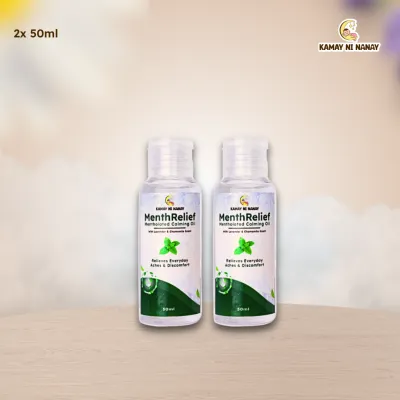
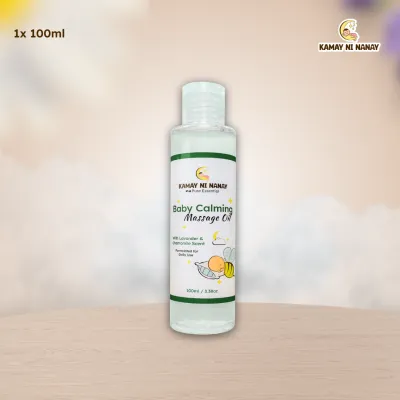


Prices are valid at publication and may change. Please refer to the product page for the latest price.
Additionally, the skin barrier of a newborn is still learning to regulate moisture and protect against environmental irritants. In tropical climates, high humidity and heat can exacerbate skin issues, leading to sweat rashes, heat rash, or friction irritation. Applying heavy or highly fragranced oils to compromised skin can trap heat and moisture, potentially worsening these conditions rather than soothing them.
Marketing terms such as “gentle,” “mild,” “organic,” or “baby-safe” are frequently used on packaging to appeal to parents, but these descriptors are not strictly regulated standard definitions. A product labeled “natural” can still contain potent botanical extracts or essential oils that are too strong for a newborn’s delicate system. Parents should not rely solely on front-of-bottle claims when choosing skincare products.
To make an informed decision, parents should look for explicit indications of professional testing on the packaging, such as “pediatrician-tested” or “dermatologist-tested.” However, even these labels should serve as a starting point rather than an absolute guarantee of safety. They should prompt a closer look at the actual ingredient list to ensure there are no hidden sensitizers.
How to Read the Ingredient List on the Product Label
The key to evaluating any baby skincare product lies in the ingredient list, which is typically printed on the back of the bottle or the outer packaging. If the physical bottle does not display the full list, parents should consult the official brand website or contact the manufacturer directly before applying the oil to their baby. If a complete list is unavailable, it is best to avoid using the product on a newborn.

Ingredients are listed in descending order of concentration, meaning the components listed first make up the majority of the product. For a calming oil, the first few ingredients are usually carrier oils, which dilute any active botanical extracts or fragrances. If a potentially irritating ingredient is listed near the top, its concentration is high, posing a greater risk to newborn skin.
Cosmetic and skincare products use the International Nomenclature of Cosmetic Ingredients (INCI) system, which standardizes names globally. This means natural plant oils will often be listed by their scientific Latin names rather than their common English names. For example, coconut oil may appear as Cocos nucifera oil, and sunflower seed oil as Helianthus annuus seed oil.
When encountering unfamiliar botanical or chemical terms, parents should cross-reference them with reputable pediatric skincare databases or consult their pediatrician. Taking a photo of the ingredient list during a routine check-up is an excellent way to get professional validation before introducing the product to a newborn’s routine. Never hesitate to ask a doctor to decode complex chemical names.
Key Ingredient Categories to Check for Newborn Safety
When evaluating a calming oil like Kamay ni Nanay, the ingredients generally fall into three main categories: carrier oils, active botanicals or essential oils, and preservatives or stabilizers. Understanding these categories helps parents identify which components are supportive and which require caution.
High-quality, single-source carrier oils are generally well-tolerated by infant skin. Mineral oil, sunflower seed oil, and coconut oil are common bases that help lock in moisture and provide a smooth glide for massage. However, even common carrier oils can have different effects; for instance, pure olive oil is sometimes discouraged for newborns with dry skin because its high oleic acid content can potentially disrupt the skin barrier.
Essential oils and synthetic fragrances represent the highest risk of sensitization and allergic contact dermatitis in newborns. Ingredients like lavender, chamomile, eucalyptus, or peppermint are often added to calming oils for their aromatic properties, but their volatile organic compounds can be highly irritating to a newborn’s respiratory system and skin. Parents should verify whether the product contains these concentrated extracts and at what dilution levels.
It is a common misconception that “natural” or “organic” ingredients are inherently safer than synthetic ones. In reality, natural botanical extracts contain complex mixtures of chemical compounds that can trigger allergic reactions just as easily as synthetic alternatives. For a newborn, a minimalist formulation with the fewest possible ingredients is always the safest approach to minimize exposure to potential allergens.
How to Perform a Patch Test and Apply the Oil Safely
Before integrating any new calming oil into a newborn’s daily routine, performing a patch test is a critical safety step that helps identify localized sensitivity without risking a full-body reaction. This simple precaution can prevent widespread discomfort and skin irritation.
To conduct a patch test, apply a single, tiny drop of the calming oil to a small, clean area of the baby’s skin, such as the inner forearm or the side of the thigh. Ensure the area is free from existing rashes or scratches so that any reaction can be clearly attributed to the product.
Leave the oil on the skin and observe the area closely for 24 to 48 hours. During this observation period, look for signs of redness, tiny bumps, swelling, dryness, or any indication that the baby is scratching or showing discomfort when the area is touched. If any of these signs appear, wash the area immediately and do not use the product.
If the patch test is successful and no reaction occurs, the oil may be used for gentle massage, keeping application techniques highly controlled. Use slow, light strokes and avoid sensitive areas entirely, including the face, eyes, hands (as babies frequently put their hands in their mouths), and the umbilical cord stump if it has not fully healed and detached.
Warning Signs: When to Stop Use and See a Doctor
Even if a product passes an initial patch test, continuous use can sometimes trigger delayed sensitivities or cumulative irritation. Parents must remain vigilant during every application and recognize the early warning signs of an adverse reaction.
Observable signs of skin irritation include localized or spreading redness, hives, dry or peeling patches, small fluid-filled blisters, or a sudden flare-up of baby acne. Behavioral signs, such as unusual fussiness, crying during or after application, or difficulty sleeping, can also indicate that the oil is causing itching or burning that is not immediately visible.
If you suspect a reaction, the immediate step is to stop using the product and gently wash the baby’s skin with lukewarm water and a mild, fragrance-free baby cleanser to remove any remaining oil residue. Avoid rubbing the skin dry; instead, gently pat it with a clean, soft cotton towel.
Consult a pediatrician or a pediatric dermatologist if the skin irritation does not improve within 24 hours, if the rash spreads, or if the baby develops a fever or signs of infection, such as oozing or warmth in the affected area. Professional guidance is especially crucial if your baby has pre-existing skin conditions like infantile eczema, which compromises the skin barrier and increases vulnerability to topical products.
Frequently Asked Questions (FAQ)
Can I use calming oil on my newborn's face?
It is highly recommended to avoid applying calming oils or any heavy body oils to a newborn’s face. The skin on a baby’s face is exceptionally delicate, thin, and highly prone to clogged pores, which can lead to infantile acne or milia. Additionally, applying oil near the face increases the risk of the product accidentally entering the baby’s eyes, nose, or mouth, causing irritation or accidental ingestion. For facial dryness, stick to mild, pediatrician-approved creams or lotions specifically formulated for facial use.
Does the calming oil help with infant colic or sleep?
While many calming oils are marketed as remedies for colic, gas, or sleeplessness, these soothing effects are primarily driven by the physical act of gentle massage and close caregiver contact rather than the oil itself. The rhythmic, warm touch of a parent’s hands helps stimulate relaxation, aids digestion, and lowers stress hormones in the baby. While a safe oil provides the necessary glide to prevent friction during massage, parents should not rely on any topical oil as a medical cure for colic or sleep disorders.
How should I store the baby oil to maintain its quality?
To preserve the integrity of the ingredients and prevent the oil from spoiling, store the bottle in a cool, dry place away from direct sunlight and heat sources. In tropical environments, fluctuating temperatures and high humidity can accelerate the oxidation of natural carrier oils, causing them to go rancid or lose their soothing properties. Always ensure the cap is tightly sealed after every use to prevent air, moisture, and environmental contaminants from entering the bottle.

Community discussion
Share your experience or ask a question. Comments are reviewed before publication.