
For generations of parents in the Philippines, keeping a newborn cool and dry in the tropical heat has been a daily priority. A quick dusting of baby powder after a bath or during a diaper change was once considered an essential step to prevent prickly heat, locally known as bungang-araw, and diaper rash. However, modern pediatric guidelines have shifted significantly, leaving many parents wondering if Johnson’s Baby Powder is truly safe for their newborns.
The safety of baby powder depends entirely on its ingredients and how it is applied, though medical experts generally advise against using any loose powders on infants. While older formulations relied on talc, which carries serious respiratory and contamination risks, newer versions are primarily made from cornstarch. Because a newborn’s respiratory system and skin barrier are incredibly delicate, parents must understand the differences between these ingredients, recognize the potential hazards of airborne particles, and learn how to verify the safety of the products they use.
Understanding the Talc vs. Cornstarch Debate
To make an informed decision, it is crucial to understand the two primary bases used in baby powders: talc and cornstarch. Talc is a naturally occurring mineral composed of magnesium, silicon, and oxygen. It has been highly valued in cosmetics for its ability to absorb moisture, reduce friction, and keep skin feeling dry and smooth. Cornstarch, on the other hand, is a natural, edible powder derived from corn kernels. It offers similar moisture-absorbing properties but consists of larger organic particles.
Products mentioned in this guide
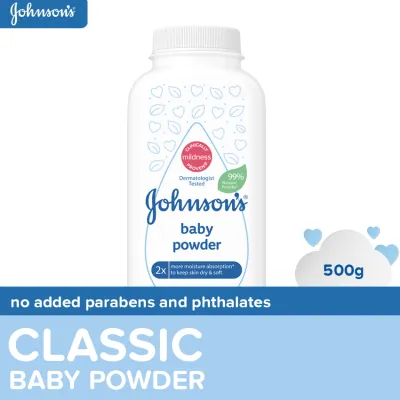
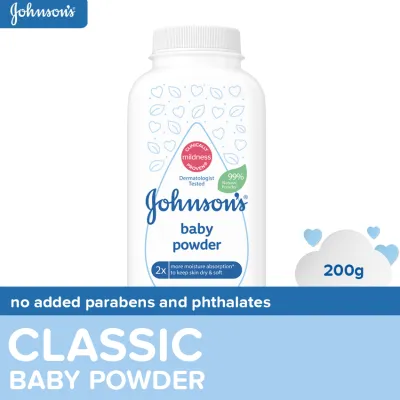
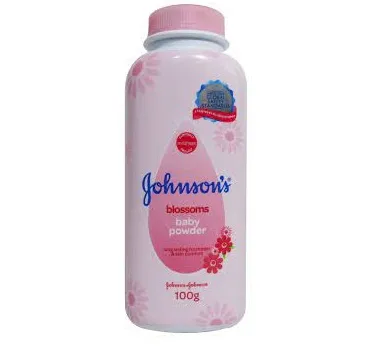
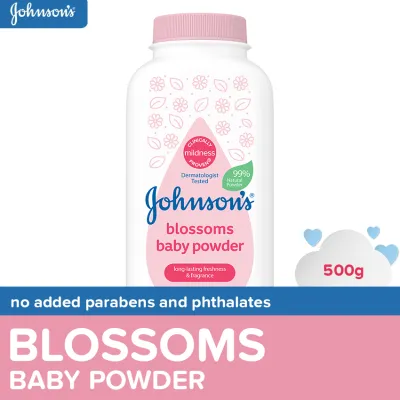
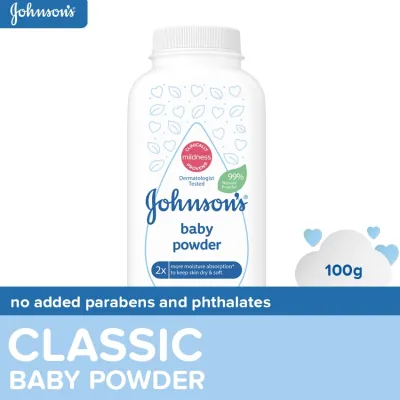
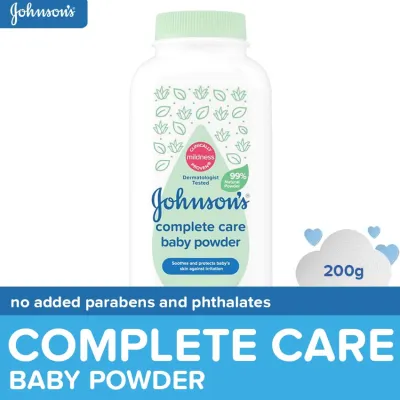
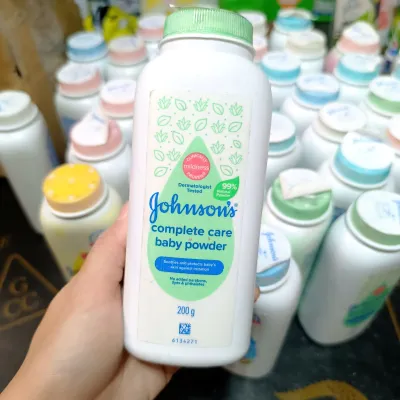
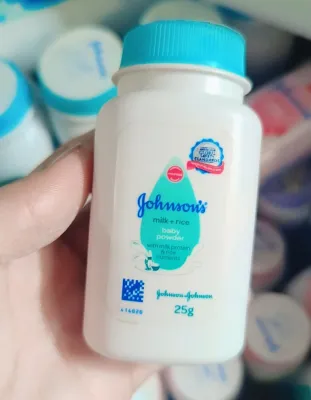
Prices are valid at publication and may change. Please refer to the product page for the latest price.
The primary concern surrounding talc-based powders involves the risk of asbestos contamination. In nature, talc deposits are often located in close proximity to asbestos, a known carcinogen. During the mining process, there is a risk that talc can be contaminated with asbestos fibers. Inhaling even trace amounts of asbestos-contaminated talc over a prolonged period has been linked to serious health issues, including respiratory diseases and certain cancers. Additionally, even asbestos-free talc consists of extremely fine mineral particles that can easily be inhaled deep into a baby’s lungs, causing severe respiratory irritation.
Because of these ongoing safety concerns and shifting global regulations, major manufacturers have largely phased out talc-based baby powders. The industry has seen a massive shift toward cornstarch-based formulations, which are widely considered a safer alternative because they do not carry the risk of asbestos contamination. However, parents must remain vigilant. Depending on the retail source, older stock or imported talc-based products may still be available on some online marketplaces or local store shelves. Therefore, you must always verify the specific formulation of the exact bottle you hold in your hand rather than assuming all products under a specific brand name are identical.
Potential Risks of Using Powder on Newborns
Even when using a cornstarch-based product, applying loose powder to a newborn carries inherent risks that parents must carefully weigh. The most significant hazard is accidental inhalation. When you shake a powder bottle, a cloud of fine, microscopic particles is released into the air. Because newborns have very small, rapidly developing airways, inhaling these airborne particles can easily irritate their sensitive respiratory tracts. In severe cases, inhaling baby powder can lead to respiratory distress, chemical pneumonia, or chronic lung irritation.

In addition to respiratory concerns, loose powder can paradoxically worsen skin conditions when used incorrectly. In the warm, humid climate of the Philippines, newborns sweat frequently, especially in areas with skin folds such as the neck, thighs, and underarms. When baby powder mixes with sweat, urine, or moisture from a diaper, it tends to clump together. These damp clumps can trap moisture directly against the baby’s delicate skin barrier instead of keeping it dry. Over time, the friction from these clumps can cause chafing, worsen diaper rash, and create an ideal environment for fungal and bacterial infections to thrive.
As a caregiver, you must monitor your baby closely for any adverse reactions. There are clear stop-use conditions that require immediate action. If your baby begins coughing, wheezing, or showing signs of labored breathing during or after the application of powder, stop using the product immediately and move them to fresh air. You should also discontinue use if you notice unexplained redness, dry patches, or a worsening rash in the skin folds where the powder was applied.
How to Check Your Product's Ingredients and Labels
With various formulations coexisting in the market, learning how to read and verify product labels is an essential skill for every parent. To confirm the safety of the baby powder you plan to use, turn the bottle over and locate the ingredient list, which is typically printed on the back label. Look for “Zea Mays (Corn) Starch” or simply “Cornstarch” listed as the primary ingredient. Ensure that the word “Talc” or “Talcum” does not appear anywhere on the packaging.
Beyond the main powder base, you should also check for other skin-sensitizing additives. Newborn skin is highly sensitive and has a much thinner barrier than adult skin, making it highly susceptible to allergic reactions. Look for labels that explicitly state the product is “fragrance-free” and “hypoallergenic.” Heavily scented powders may smell pleasant, but the synthetic fragrances used can easily trigger contact dermatitis or irritate your baby’s respiratory system when inhaled.
Finally, always inspect the physical integrity of the packaging before purchasing or using the product. Check that the safety seal is completely intact and has not been tampered with, especially if you are purchasing from an online marketplace. Verify the expiration date printed on the bottle to ensure the product is fresh. Avoid using powder from containers that are cracked, dented, or have loose caps, as moisture and bacteria from the humid air can easily contaminate the powder inside.
Pediatrician Recommendations and Safe Application
The general consensus among pediatricians and major medical organizations is to avoid the routine use of any loose baby powder on infants. Because the risk of accidental inhalation and subsequent respiratory distress is so high, medical professionals advise that the potential hazards far outweigh any cosmetic or drying benefits. For newborns, whose lungs are still in the earliest stages of development, keeping the air clean and free of airborne dust is considered paramount.
If, however, your pediatrician approves the use of a specific cornstarch-based powder for a particular skin condition, you must follow strict safety protocols during application. Never shake the powder container directly onto your baby’s body or near their face. Instead, step away from your baby, shake a small amount of the powder directly into your own hands, and gently pat your palms together to minimize the amount of dust that becomes airborne. Once the dust has settled, gently smooth the powder onto your baby’s skin, focusing only on dry areas and avoiding the face entirely.
Safe storage is just as critical as safe application. Always keep the powder container tightly closed when not in use to prevent accidental spills. Store the bottle on a high shelf or inside a closed cabinet, completely out of the reach of your baby and any older siblings. Children can easily mistake the bottle for a toy, and an accidental spill or squeeze of the container can release a massive, dangerous cloud of powder that can be highly harmful if inhaled.
Safe Alternatives to Baby Powder for Diaper Care
Fortunately, parents do not need to rely on loose powders to keep their newborns comfortable and rash-free. The most effective defense against diaper rash and moisture buildup in a tropical climate is a proactive diapering routine. Change your baby’s diaper promptly as soon as it becomes wet or soiled. Cleanse the diaper area gently using plain water and a soft cloth, or opt for fragrance-free, alcohol-free baby wipes that do not strip the skin of its natural oils.
To protect your newborn’s skin from the irritating effects of urine and stool, use a high-quality barrier cream or ointment instead of powder. Products containing zinc oxide or petroleum jelly are highly recommended by pediatricians. These creams create a safe, physical barrier on the skin’s surface that repels moisture without posing any respiratory risks to your baby. Apply a thin, even layer of the cream during diaper changes, especially before putting your baby down for a long sleep.
Another highly effective and completely safe practice is incorporating “diaper-free” air time into your daily routine. After cleansing your baby’s diaper area, lay them on a clean, dry towel or a waterproof mat and let them kick freely without a diaper for a few minutes. This allows the skin to air-dry naturally and completely, which is one of the best ways to prevent moisture-related irritation and help existing diaper rashes heal without the need for any drying powders.
Frequently Asked Questions (FAQ)
Can I use adult powder on my newborn?
No, you should never use adult powder on a newborn. Adult formulations are designed for mature skin and often contain high concentrations of strong fragrances, cooling agents like menthol, and other chemical additives that can easily irritate or burn a baby’s delicate skin. Furthermore, adult powders may still utilize talc as a base, presenting severe inhalation and contamination risks that are highly dangerous for an infant’s developing respiratory system.
What should I do if my baby inhales baby powder?
If your baby accidentally inhales baby powder, immediately move them away from the powder source into an area with fresh, clean air. Monitor their breathing closely. If they experience mild coughing, keep them upright and calm. However, you must seek urgent medical care or go to the nearest emergency room if you observe warning signs such as persistent coughing, wheezing, rapid or shallow breathing, flaring nostrils, grunting, or a bluish color around their lips or fingernails.
Is cornstarch completely safe for diaper rash?
While cornstarch is a safer alternative to talc regarding respiratory risks, it is not safe for all types of diaper rash. If your baby has a fungal diaper rash, such as a yeast infection caused by Candida, applying cornstarch can actually feed the yeast and make the infection significantly worse. If a diaper rash is bright red, has red spots spreading outward, or does not improve after a few days of frequent diaper changes, consult your pediatrician for a proper diagnosis and treatment plan before applying any drying agents.

Community discussion
Share your experience or ask a question. Comments are reviewed before publication.