
When caring for a newborn, every skincare choice feels monumental. If you are wondering whether Johnson’s Baby Oil is safe for a newborn with sensitive or eczema-prone skin, the answer requires a look at both the product’s formulation and your baby’s unique skin barrier.
While the primary ingredient in classic Johnson’s Baby Oil—highly refined, pharmaceutical-grade mineral oil—is generally considered safe, inert, and non-comedogenic for typical infant skin, the added fragrance in the classic formula can be a potential trigger for newborns with highly sensitive, reactive, or eczema-prone skin. Newborn skin is up to 30% thinner than adult skin, making it highly susceptible to absorbing topical ingredients and prone to rapid moisture loss.
Safety is highly individual and depends entirely on your baby’s specific skin barrier integrity and personal tolerance. Because baby oil functions as an occlusive—meaning it locks existing moisture into the skin rather than adding new hydration—it must be applied correctly to provide any benefit. If your baby has a diagnosed skin condition such as severe atopic dermatitis, always consult a pediatrician or pediatric dermatologist before introducing new products to their skincare routine.
Products mentioned in this guide
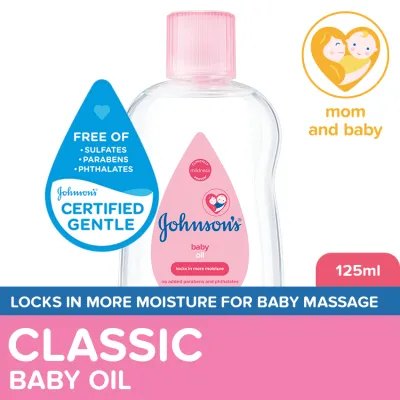
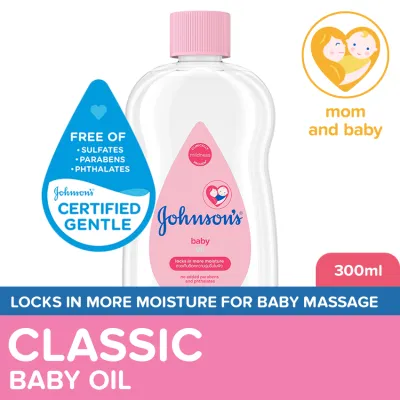
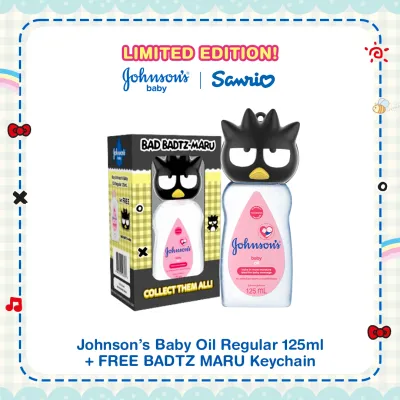
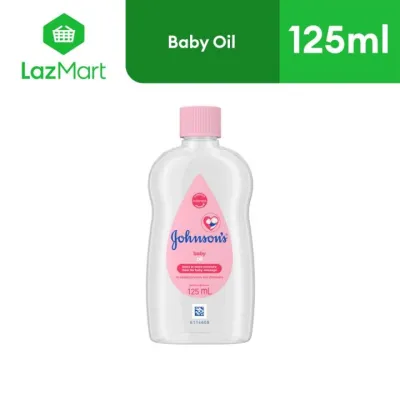
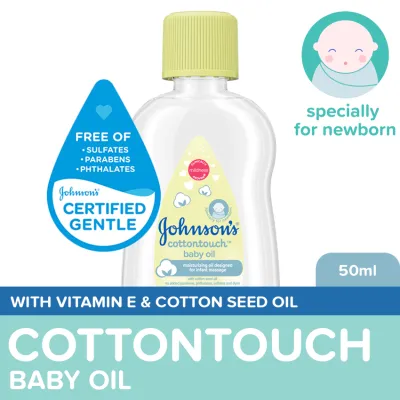
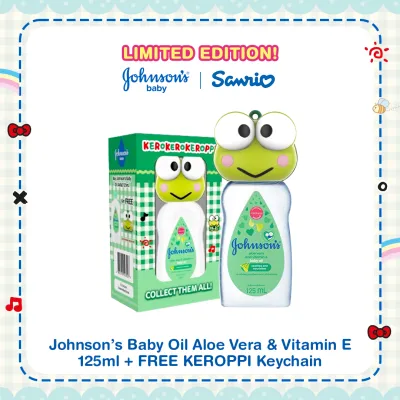
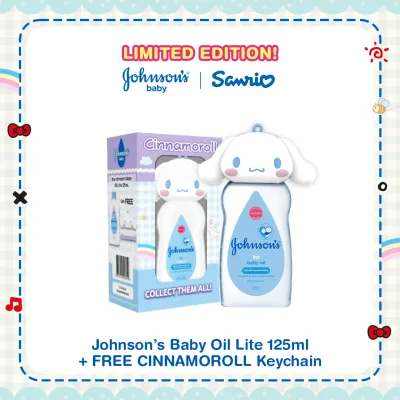
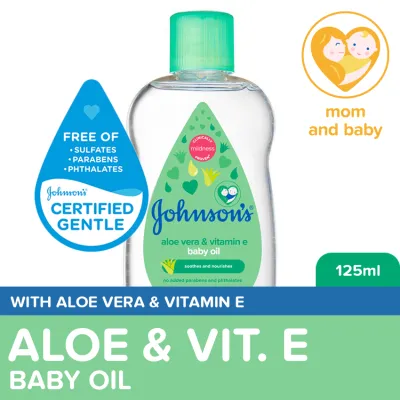
Prices are valid at publication and may change. Please refer to the product page for the latest price.
Key Ingredients and How They Affect Delicate Skin
To understand how baby oil interacts with a newborn’s skin, it helps to break down its simple formulation. The classic pink-labeled Johnson’s Baby Oil consists primarily of mineral oil and fragrance. Understanding these two components allows you to make an informed decision based on your baby’s current skin condition.
Mineral oil serves as an occlusive emollient. The mineral oil used in baby care products is highly purified, pharmaceutical-grade, and thoroughly refined to remove impurities. It sits on the surface of the skin, creating a physical barrier that prevents transepidermal water loss (TEWL). This barrier is highly effective at keeping moisture from evaporating, but because mineral oil is inert, it does not actively deliver water or nutrients to the skin cells. It simply seals in whatever moisture is already present on the skin’s surface.
Fragrance, listed as “Parfum” on the ingredient bottle, is the component most likely to cause issues for sensitive infants. While the classic scent is nostalgic for many parents, fragrance molecules are common triggers for contact dermatitis and sensory irritation in babies with compromised skin barriers. When a baby has eczema or dry skin, the outer protective layer has microscopic cracks. Fragrance molecules can penetrate these cracks, triggering an immune response that leads to redness, itching, and inflammation. For this reason, pediatric dermatologists widely recommend using fragrance-free products on newborns and infants with sensitive skin.
Formulations can vary significantly by region, product line, and manufacturing batch. For example, some variants include added ingredients like aloe vera, vitamin E, or alternative oil bases, while others are specifically formulated as fragrance-free. Always check the specific ingredient label on the back of the bottle you purchase in your local pharmacy or supermarket to verify exactly what you are applying to your baby’s skin.
Potential Risks and Side Effects to Watch For
Applying a fragranced occlusive oil to a newborn’s delicate skin carries specific risks, particularly if the skin barrier is already compromised or if you live in a warm environment.

Allergic contact dermatitis is the most common reaction to fragranced baby oil. This condition manifests as localized redness, small raised bumps, dry patches, or hives on the areas where the oil was applied. Your baby may also show signs of physical discomfort, such as fussiness or scratching at the affected skin, shortly after application.
Heat rash, also known as miliaria or prickly heat, is a significant concern in hot, humid climates like the Philippines. Because mineral oil forms a thick, non-breathable occlusive layer over the skin, it can easily trap heat and sweat beneath the surface. If sweat ducts become blocked, tiny, itchy red bumps can quickly develop across the baby’s neck, chest, and skin folds. To prevent this, avoid applying heavy oils during hot afternoons, in unventilated rooms, or when your baby is actively sweating.
Folliculitis, or the inflammation of hair follicles, can occur if baby oil is applied too thickly or is not washed off properly during regular baths. The heavy oil can trap dirt, dead skin cells, and naturally occurring skin bacteria inside the hair follicles, leading to tiny, pus-filled bumps that resemble small pimples. Keeping applications light and ensuring the oil is thoroughly cleansed during bath time helps minimize this risk.
There is also a critical safety risk regarding accidental inhalation. If baby oil is applied near a baby’s face, they can easily inhale tiny droplets into their lungs. Because mineral oil is a liquid hydrocarbon, inhaling it can lead to a serious medical condition called lipid pneumonia, which causes severe lung inflammation. Always keep baby oil far away from your baby’s face, nose, and mouth, and store the bottle safely out of reach of children.
How to Safely Test and Apply Baby Oil
If you decide to use Johnson’s Baby Oil on your newborn, taking a cautious, methodical approach to testing and application will help protect their skin and maximize the product’s benefits.
Before applying any new skincare product to your baby’s entire body, perform a standard patch test. Apply a single, tiny drop of the baby oil to a small, clean patch of skin on your baby’s inner forearm or behind their ear. Leave the oil on the skin for 24 hours, monitoring the spot closely for any signs of redness, swelling, tiny bumps, or irritation. If the skin remains clear and your baby shows no signs of discomfort, you can proceed with broader application.
To get the most out of an occlusive product, use the “damp skin” method. Applying baby oil to completely dry skin will only seal in the dryness, which can make the skin feel more parched over time. Instead, give your baby a warm bath, gently pat their skin with a soft towel so they remain slightly damp, and immediately massage a few drops of oil into their skin. This technique traps the clean bath water on the surface, locking in essential hydration.
Be highly selective about where you apply the oil. Never apply baby oil to broken skin, open scratches, raw areas, or active, weeping eczema flare-ups. Applying an occlusive over damaged skin can trap bacteria, increase the risk of localized infection, and cause intense stinging or burning sensations for your baby.
If you are using the oil for infant massage, keep the environment comfortable and safe. Ensure the room is warm and free of drafts, especially if you are using air conditioning, so your baby does not get chilled while undressed. Use gentle, gliding strokes with minimal pressure, and stop immediately if your baby becomes fussy, rigid, or shows signs of overstimulation.
When to Switch to Fragrance-Free Alternatives
There are clear scenarios where classic fragranced baby oil is not the best choice for your newborn, and recognizing these signs will help you pivot to safer alternatives.
If your baby has a known fragrance allergy, active eczema flare-ups, or a strong family history of severe atopic dermatitis, you should avoid fragranced mineral oil entirely. In these cases, the risk of triggering a painful flare-up or allergic reaction outweighs the moisturizing benefits of the product.
When looking for alternatives, consider pure, cold-pressed plant-based oils. Sunflower seed oil is highly recommended by pediatric dermatologists because it is rich in linoleic acid, which actively helps repair and strengthen the skin barrier. Virgin coconut oil, which is widely available and affordable in the Philippines, is another popular emollient with natural antimicrobial properties. However, keep in mind that “natural” does not automatically mean “allergy-free.” Plant-based oils can still trigger allergic reactions or clog pores in some infants, so they must also be patch-tested before use.
When shopping for commercial alternatives, look for products specifically labeled “fragrance-free” rather than “unscented.” Unscented products often contain chemical masking agents designed to neutralize the smell of other ingredients, and these masking agents can still irritate sensitive skin. True fragrance-free formulas contain no added perfumes or masking scents, making them much safer for compromised skin barriers.
Signs of Irritation and When to See a Doctor
Monitoring your baby’s skin after applying any product is essential for early detection of adverse reactions. Knowing how to respond to irritation ensures your baby’s skin can heal quickly.
Stop using the baby oil immediately if you observe any of the following warning signs:
- Sudden hives or raised, itchy red welts
- Spreading redness or swelling at the application site
- Weeping, oozing, or crusting skin
- Increased fussiness, crying, or signs of pain when the skin is touched
If you notice mild redness or irritation, perform basic, low-risk first aid. Gently wash the affected area with lukewarm water and a mild, fragrance-free baby cleanser to completely remove the oil barrier. Gently pat the skin dry with a clean, soft cotton towel, avoiding any rubbing or friction. Leave the skin bare to breathe, and do not apply any other oils or fragranced lotions to the irritated area.
Consult a pediatrician or a pediatric dermatologist if the rash spreads to other parts of the body, persists for more than two to three days despite stopping the product, or shows signs of infection. Signs of infection include pus-filled bumps, yellow crusting, skin that feels unusually warm to the touch, or if your baby develops a fever. Always seek professional medical advice if you are unsure about the cause or severity of your baby’s skin reaction.
Frequently Asked Questions (FAQ)
Can I use Johnson's Baby Oil on my newborn's face?
No, you should avoid applying baby oil to your newborn’s face. The skin on a baby’s face is exceptionally delicate, and applying oil near the eyes, nose, and mouth increases the risk of accidental inhalation, which can lead to lipid pneumonia. Additionally, heavy oils can easily clog facial pores, leading to milia (tiny white bumps) or baby acne. For facial care, use a dedicated, fragrance-free baby facial cream or simply wipe the face gently with plain, lukewarm water.
Is mineral oil safe for newborns?
Yes, highly refined, pharmaceutical-grade mineral oil is widely recognized as safe, inert, and highly effective for locking in skin moisture. It does not penetrate deeply into the skin or introduce foreign botanical allergens, making the base ingredient itself very low-risk. The primary concern for newborns with sensitive or eczema-prone skin is not the mineral oil, but rather the added fragrances or preservatives included in specific product formulations. Always verify the full ingredient list on the bottle before use.

Community discussion
Share your experience or ask a question. Comments are reviewed before publication.