
Welcoming a newborn brings a wave of joy along with many questions about daily care, especially when it comes to their delicate skin. If you are considering using Johnson’s Baby Oil on your newborn, the short answer is that it can be used safely under specific conditions, but it requires careful attention to your baby’s unique skin needs and the product’s specific formulation. Because a newborn’s skin barrier is still developing, parents must take a conservative approach, check product labels diligently, and consult a pediatrician before introducing any new skincare routine.
Quick Answer: Is It Safe for Your Newborn?
Using baby oil on a newborn is a common practice, but its safety is not a one-size-fits-all matter. The suitability of Johnson’s Baby Oil depends heavily on your baby’s individual skin health, the specific product variant, and guidance from your healthcare provider. Before applying any oil, it is essential to read the manufacturer’s packaging for age-specific recommendations, complete ingredient lists, and safety warnings.
Newborn skin is remarkably thin, highly permeable, and exceptionally sensitive compared to adult skin. This high permeability means that topical products are absorbed much more easily, which can sometimes lead to irritation or systemic sensitivity. Taking a cautious, observant approach during the first few weeks of life helps protect this fragile barrier while you determine how your baby’s skin reacts to new products.
Products mentioned in this guide
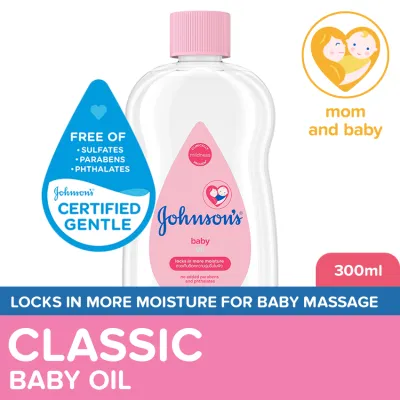
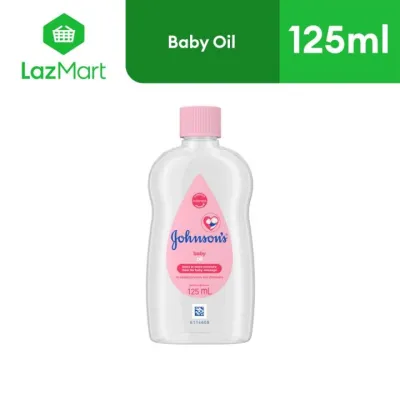
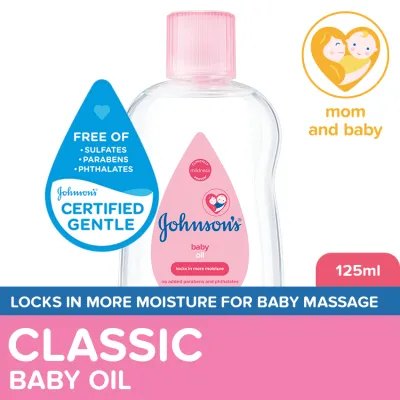
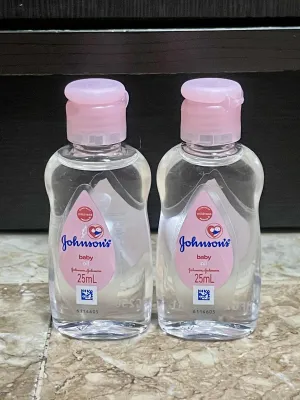
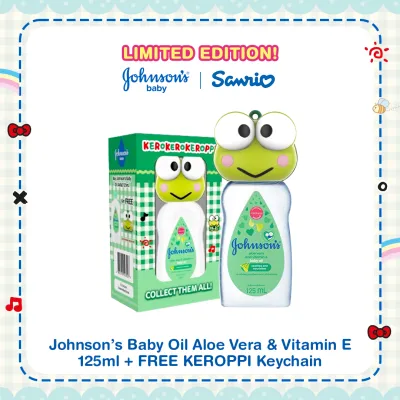
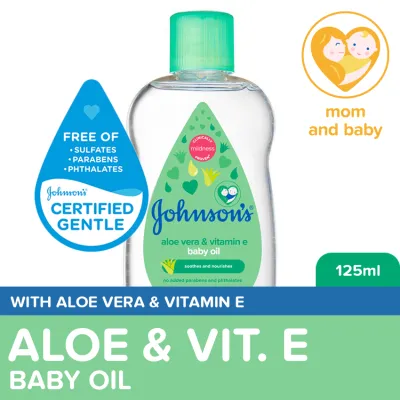
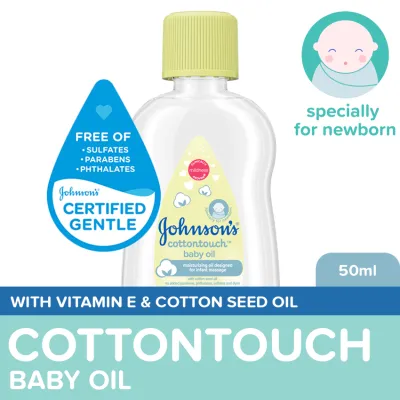
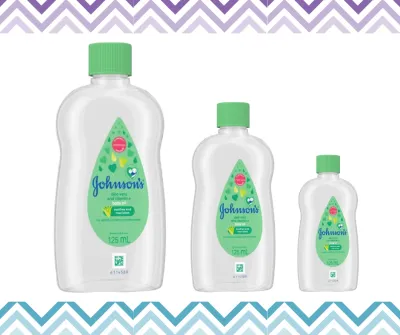
Prices are valid at publication and may change. Please refer to the product page for the latest price.
In tropical climates like the Philippines, where high humidity and heat are constant factors, skincare choices require extra mindfulness. Heavy oils can interact differently with sweat and humidity, making it even more important to monitor how your baby’s skin breathes. Always prioritize a professional pediatric consultation to ensure that baby oil fits safely into your newborn’s daily care regimen.
Understanding Newborn Skin and Baby Oil Ingredients
To make an informed decision, it helps to understand the unique structure of newborn skin and how baby oil ingredients interact with it. At birth, an infant’s skin barrier is still transitioning from the aquatic environment of the womb to the dry external world. This means the outer layer of the skin, the stratum corneum, is thinner and less efficient at retaining moisture and blocking external irritants than it will be in later childhood.

When examining a bottle of Johnson’s Baby Oil, the primary ingredient you will typically find is mineral oil. Mineral oil is a highly refined, cosmetic-grade ingredient widely used for its emollient properties. Some product variations may also feature plant-based oils, such as coconut oil, or include added ingredients like aloe vera or vitamin E. It is vital for parents to inspect the label carefully to identify the exact base oil and note any added components.
Fragrances, dyes, and preservatives are common additives in many commercial baby products. While these ingredients provide a pleasant scent, they can sometimes trigger sensitivity or allergic reactions in newborns with highly reactive skin. If you choose to use baby oil, verifying whether the formulation is fragrance-free or specifically designed for sensitive newborn skin is a crucial step in minimizing potential irritation.
Baby oil primarily functions as an occlusive agent, meaning it forms a physical barrier over the skin’s surface to lock in existing moisture. It is designed to prevent transepidermal water loss, especially when applied to damp skin immediately after a bath. However, it is important to clarify that baby oil is not a therapeutic treatment for underlying skin conditions, infections, or chronic dryness, and should not be used as a substitute for prescribed medical creams.
Potential Risks and Side Effects to Monitor
While baby oil is formulated with mild ingredients, applying it to a newborn carries potential risks that caregivers must actively monitor. The most common issues are localized skin reactions, which can manifest as redness, small bumps, or dry, flaky patches. Because newborn pores are small and easily obstructed, heavy occlusive oils can trap sweat and sebum, potentially leading to clogged pores, heat rash, milia, or baby acne.
In a warm and humid environment, the risk of clogged pores and heat rash increases significantly. If baby oil is applied too heavily in tropical weather, it can prevent the natural evaporation of sweat, leading to discomfort and prickly heat. Caregivers should observe the skin closely after application, looking for any signs of irritation or tiny red bumps, particularly in skin folds where moisture and heat tend to accumulate.
Another critical concern is the physical risk of accidental inhalation or aspiration of the oil. If baby oil is applied too close to a newborn’s face, nose, or mouth, the infant could accidentally inhale tiny droplets. Mineral oil aspiration can lead to serious respiratory complications, such as lipid pneumonia, which is a severe inflammatory condition of the lungs. For this reason, baby oil must never be applied to a baby’s face or hands, which frequently touch their mouth and eyes.
Additionally, baby oil creates a significant slip hazard during handling and bathing. A baby coated in oil becomes extremely slippery, making it difficult to maintain a secure grip while lifting, carrying, or washing them. This hazard is amplified in wet bathroom environments or when using plastic baby tubs. Caregivers must exercise extreme caution, ensuring their own hands are clean and dry, and that the baby is securely wrapped in a towel before being moved.
Step-by-Step Guide to Safe Application
If you and your pediatrician decide that baby oil is appropriate for your newborn, following a careful, low-risk application routine can help prevent irritation and physical accidents. The process should always begin with a patch test to evaluate your baby’s skin tolerance before applying the product to larger areas of the body.
Performing a Patch Test
- Select a small, discreet area of your baby's skin, such as the inside of the forearm or the thigh.
- Apply a single, tiny drop of baby oil to this area and gently smooth it in.
- Leave the area alone and monitor it closely over the next 24 hours.
- Check for any signs of redness, swelling, tiny bumps, or flaking; if any reaction occurs, wash the area immediately and do not use the product again.
Safe Application Zones
- Focus application on larger, less sensitive areas such as the arms, legs, and torso, where the skin is less prone to friction and sweat accumulation.
- Strictly avoid applying oil to the baby's face, eyes, nose, and mouth to eliminate the risk of inhalation and eye irritation.
- Keep the oil away from the hands and fingers, as newborns frequently place their hands in their mouths.
- Avoid the umbilical cord stump entirely until it has completely fallen off and the navel area has fully healed to prevent moisture entrapment and potential infection.
Caregiver Handling and Dosage
- Always wash and dry your hands thoroughly before beginning the application process.
- Pour a very small, coin-sized amount of oil into your own palms first, rather than pouring it directly onto the baby's skin.
- Rub your hands together to warm the oil slightly and distribute it evenly across your palms; this prevents shocking the baby with a cold liquid.
- Gently massage the oil into the baby's skin using light, smooth strokes, ensuring that no excess pools in skin folds or creases.
- Keep a dry, clean towel nearby to wipe your hands immediately after application, restoring your grip before lifting or moving your baby.
When to Stop Use and Consult a Pediatrician
Knowing when to discontinue the use of baby oil is just as important as knowing how to apply it safely. There are several scenarios where baby oil should be avoided entirely or stopped immediately. If your newborn has been diagnosed with specific skin conditions, such as eczema, severe diaper rash, or open wounds, baby oil can exacerbate these issues by trapping bacteria or irritating compromised skin barriers.
If you observe any signs of an allergic reaction or severe skin irritation—such as widespread redness, hives, swelling, or persistent crying that suggests discomfort—stop using the oil immediately. Wash the affected area gently with mild baby soap and warm water to remove any remaining residue. If the reaction does not improve, or if your baby shows any signs of respiratory distress, seek immediate medical attention.
Premature infants and babies with compromised skin barriers require specialized care. Their skin is even thinner and more vulnerable than that of full-term newborns, making them highly susceptible to infections and chemical absorption. Always consult a pediatrician or a qualified pediatric dermatologist before introducing any commercial skincare products, including baby oil, to a premature baby or an infant undergoing medical treatment.
Frequently Asked Questions (FAQ)
Can I use Johnson's Baby Oil for a newborn massage?
Yes, baby oil can be used for infant massage, provided you have verified its suitability on the product label and completed a successful patch test. Infant massage is a wonderful way to bond with your baby, but safety must remain the top priority. Ensure the room is comfortably warm and free of drafts, especially in air-conditioned spaces in the Philippines, to keep your baby comfortable.
During the massage, use only a minimal amount of oil to avoid making the baby excessively slippery. Keep a firm, secure hold on your baby at all times, and avoid massaging the face, hands, or any areas with irritated skin. Pay close attention to your baby’s cues; if they become fussy, stiffen their limbs, or show signs of distress, stop the massage immediately and comfort them.
Is it safe to use baby oil on a newborn's cradle cap?
Baby oil is frequently used as a home remedy to help soften and loosen the crusty scales associated with cradle cap, a common and harmless scalp condition in newborns. To do this safely, apply a few drops of oil to the affected areas of the scalp and let it sit for a short period to soften the flakes.
However, it is crucial to follow your pediatrician’s instructions for washing the oil out thoroughly afterward. Leaving baby oil on the scalp can clog the hair follicles and sweat glands, potentially worsening the condition or leading to irritation. Gently brush the scalp with a soft baby brush or washcloth during the bath to help release the softened scales, but never pick, scratch, or aggressively scrub the scalp, as this can break the skin and introduce infections.

Community discussion
Share your experience or ask a question. Comments are reviewed before publication.