
Quick Answer: Is It Safe for Newborn Skin?
Using baby oil on a newborn is generally considered safe, but this safety is highly conditional. It depends entirely on the specific formulation of the product, your baby’s individual skin health, and how carefully you apply it. Before using any product on your newborn, it is essential to inspect the exact bottle to verify the manufacturer’s age recommendations and the complete ingredient list.
Newborn skin is incredibly thin, highly permeable, and still developing its natural protective barrier. Because of this high permeability, a newborn’s skin can absorb topical products much more readily than adult skin. This makes a cautious, minimalist approach to skincare necessary during the first few weeks of life to avoid overwhelming the skin barrier.
Understanding Newborn Skin Sensitivity and Baby Oil
A newborn baby’s skin is structurally distinct from adult skin, requiring specialized care and attention. The outermost layer of the skin, known as the stratum corneum, is significantly thinner in infants than in adults. This structural difference means that the natural skin barrier is highly delicate and has a much higher rate of transepidermal water loss. While this makes newborn skin highly susceptible to dryness, it also means that the skin is exceptionally sensitive to external substances, chemicals, and environmental changes.
Products mentioned in this guide
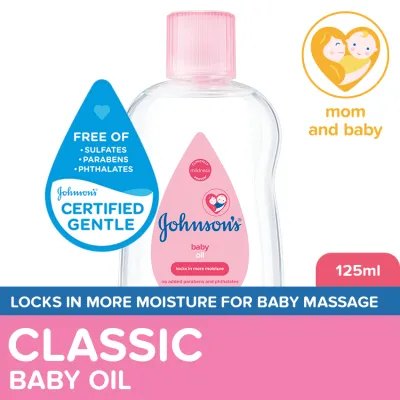
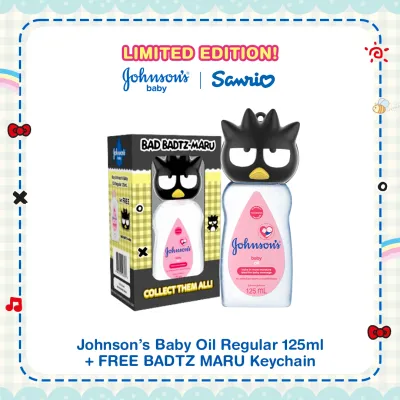
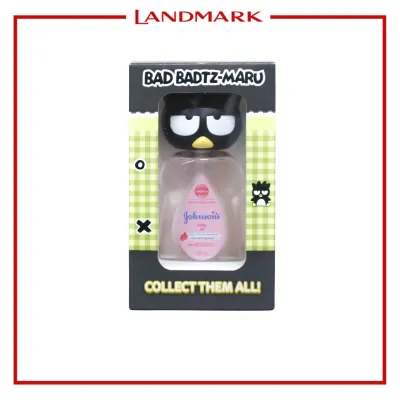
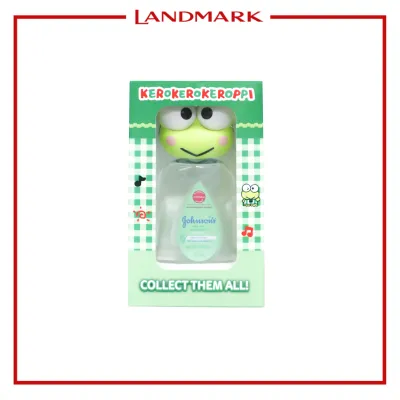
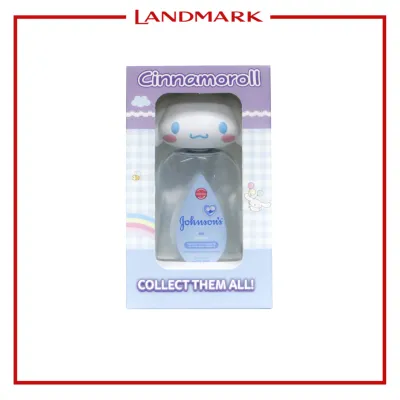
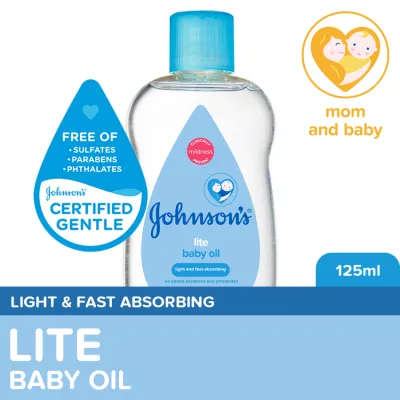
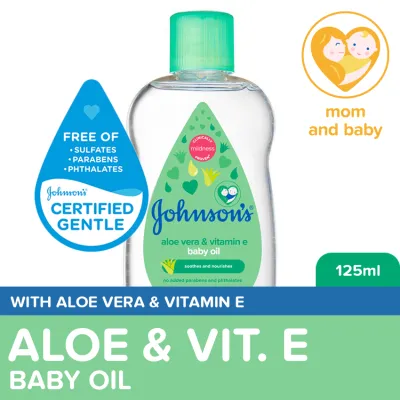
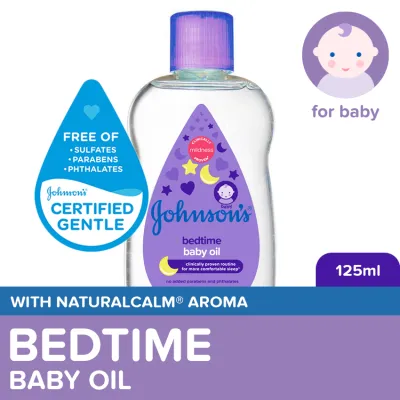
Prices are valid at publication and may change. Please refer to the product page for the latest price.

Mineral-based baby oils work by creating an occlusive barrier on the surface of the skin. This barrier acts as a physical seal, trapping existing moisture underneath to prevent it from evaporating into the dry air. While this mechanism is highly effective at locking in moisture, it must be managed with extreme care. In warm, humid tropical climates, such as in the Philippines, an occlusive layer can easily trap sweat, environmental heat, and natural skin bacteria.
When heat and moisture are trapped beneath a thick layer of oil, it can lead to skin issues like heat rash, also known as prickly heat or miliaria. It can also create an environment where bacteria or yeast can thrive, particularly in areas where skin rubs against skin. Therefore, understanding how occlusive oils interact with both the baby’s skin structure and the surrounding climate is crucial for preventing unwanted irritation.
How to Verify Ingredients and Age Recommendations on the Label
To ensure a baby oil is appropriate for your newborn, you must become adept at reading and verifying the information printed on the product packaging. Start by looking for explicit age suitability guidelines provided by the manufacturer. Many products will feature clear markers such as “suitable from birth” or “safe for newborns.” If a product lacks clear age-specific instructions, or if the labeling is ambiguous, it is safest to avoid using it until you can consult a healthcare professional.
Next, evaluate the marketing claims displayed on the front of the bottle, such as “pediatrician-tested,” “dermatologist-tested,” or “hypoallergenic.” While these labels indicate that the product has undergone safety evaluations and is formulated to minimize the risk of allergic reactions, they do not serve as an absolute guarantee of safety. Every baby’s skin is unique, and a product that is well-tolerated by one infant may still cause irritation in another.
Turn the bottle over to carefully examine the ingredient list. For newborns, a shorter, simpler ingredient list is always preferable. Look for products that contain pure mineral oil or gentle, stable plant-based oils without unnecessary additives. Be highly cautious of added synthetic fragrances, artificial dyes, or complex botanical extracts. Fragrances are among the most common triggers for contact dermatitis in sensitive skin, and even natural botanical ingredients can cause unexpected allergic reactions or respiratory irritation in young infants. If you identify any unfamiliar chemical names or if the ingredient list is not clearly disclosed, contact the manufacturer or consult your pediatrician before application.
Safe Application Steps and Daily Precautions
Implementing safe application practices is the most effective way to minimize the risk of skin irritation when using baby oil on your newborn. Before applying any new product to your baby’s entire body, you should always perform a localized patch test. Apply a single, small drop of the baby oil to a discreet area of the baby’s skin, such as the inner forearm or the side of the thigh. Monitor this specific spot closely for a full 24 hours, looking for any signs of redness, swelling, tiny bumps, or unusual dryness. If any reaction occurs, wash the area gently with lukewarm water and discontinue use of the product.
If the patch test is successful, the correct technique for applying baby oil is to use it on damp skin immediately after a bath. Applying oil to completely dry skin is far less effective, as the oil simply sits on top of the dry surface without adding hydration. By applying a few drops to damp skin, you seal in the water molecules remaining on the skin’s surface, maximizing the moisturizing benefits.
To apply, pour a very small amount of oil—just a few drops—into your own palms first. Rub your hands together to warm the oil to body temperature before gently smoothing it over your baby’s arms, legs, and torso. Avoid applying baby oil to your newborn’s face, particularly around the eyes, nose, and mouth. Facial skin is highly sensitive, and oil applied here can easily run into the eyes or be accidentally inhaled or ingested.
Furthermore, avoid applying baby oil deep inside skin folds, such as the neck creases, armpits, or thigh folds. In humid tropical environments, these areas naturally collect sweat and are subject to constant friction. Applying an occlusive oil to these tight spaces can trap moisture, leading to painful chafing, heat rash, or localized yeast infections. Finally, always maintain strict caregiver supervision during and after application. Baby oil makes an infant’s skin extremely slippery, which significantly increases the risk of accidental slips and falls during handling.
Warning Signs: When to Stop Use and Consult a Pediatrician
As a parent, you must remain highly observant of how your newborn’s skin responds to baby oil over time. If you notice any signs of localized skin irritation, such as unexpected redness, dry patches, or a bumpy rash, you should stop using the product immediately. Increased fussiness or crying during or shortly after application can also be a sign that the product is causing an uncomfortable burning or itching sensation on the baby’s delicate skin.
It is essential to distinguish between contact irritation caused by skincare products and common, benign newborn skin conditions. For example, baby acne and milia are very common in the first few weeks of life and typically present as tiny white or red bumps on the face. These conditions are hormonal and self-limiting, and they should not be treated with heavy occlusive oils, which can clog pores and worsen the bumps.
If your baby’s skin begins to break, ooze, peel, or if a rash spreads rapidly across multiple areas of the body, this indicates a more severe reaction. In such cases, immediately wash the affected skin with mild, unscented baby soap and lukewarm water to remove all traces of the oil. Seek professional medical advice from a pediatrician if the irritation does not begin to clear up within 24 to 48 hours, or if your baby exhibits any systemic signs of distress, such as a fever, lethargy, or poor feeding.
Frequently Asked Questions (FAQ)
Can I use baby oil on a newborn's face?
It is generally not recommended to use baby oil on a newborn’s face. The skin on an infant’s face is exceptionally delicate and contains a higher density of oil glands, making it highly prone to clogged pores and baby acne. Additionally, applying oil to the face increases the risk of the product accidentally running into the baby’s eyes, nose, or mouth, which can cause irritation or accidental inhalation. If your newborn has dry skin on their face, it is best to consult your pediatrician for a lighter, face-safe cream or lotion specifically formulated for infant facial skin.
What are the signs of an allergic reaction to baby oil?
While true allergic reactions to pure mineral-based baby oil are rare, they can occur, particularly if the product contains added fragrances, dyes, or botanical extracts. Signs of an allergic reaction include the sudden appearance of hives (raised, itchy welts), localized swelling of the skin, intense redness that spreads rapidly, or extreme itchiness that causes your baby to scratch or become highly distressed. If you observe any swelling around your baby’s face, lips, or eyes, or if they show any signs of breathing difficulties, seek emergency medical care immediately, as these can be symptoms of a severe, life-threatening allergic reaction.
Is baby oil safe for newborn massage?
Baby oil can be safe and highly beneficial for newborn massage, provided you follow key safety precautions. Use only a minimal amount of oil—just enough to reduce friction and allow your hands to glide smoothly over your baby’s skin. Avoid applying oil to your baby’s hands and fingers, as newborns frequently put their hands in their mouths, which can lead to accidental ingestion of the product. Ensure the room is kept at a comfortable, warm temperature to prevent your baby from getting cold, but monitor them closely to ensure they do not overheat, especially in warm and humid climates.

Community discussion
Share your experience or ask a question. Comments are reviewed before publication.