
No, it is not safe to use the pillow included in a newborn bedding set for your baby’s sleep. While these beautifully coordinated sets are popular gifts and look picture-perfect in a nursery showroom, the pillow component poses a serious suffocation and sudden infant death syndrome (SIDS) risk when placed in an unsupervised sleep environment. For the first year of life, a baby does not have the motor skills or physical development to safely sleep with any loose items, including pillows, blankets, or stuffed toys. Understanding the physical risks and establishing a minimalist sleep space is the most effective way to protect your infant during their rest.
Many parents receive these bedding sets as baby shower gifts or purchase them to match a specific nursery theme. The presence of a matching pillow in the packaging often leads to the mistaken assumption that because it is sold for newborns, it must be safe for them to use. However, retail manufacturing standards for bedding sets do not always align with pediatric safe sleep guidelines. The primary purpose of these pillows is often decorative, intended to make the crib look cozy and complete when it is empty, rather than serving as a functional sleep aid for a young infant.
Why Pillows Pose a Suffocation Risk in the Crib
Newborns have unique physical characteristics that make soft bedding items highly hazardous. An infant’s airway is extremely narrow and flexible, meaning that even slight pressure or a minor shift in head position can restrict their breathing. When a baby’s face presses against a soft, plush pillow, the material can easily conform to the shape of their nose and mouth, creating a physical barrier that blocks oxygen. Unlike older children or adults, newborns lack the neck strength and motor control required to lift their heads or roll away if their breathing becomes obstructed by soft fabric.
Products mentioned in this guide
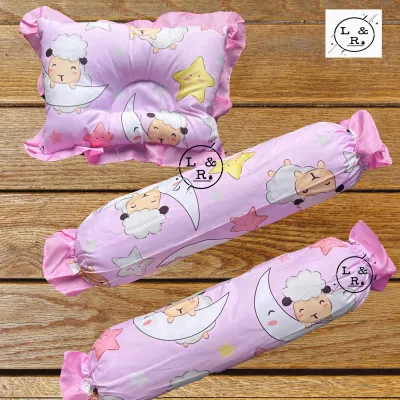
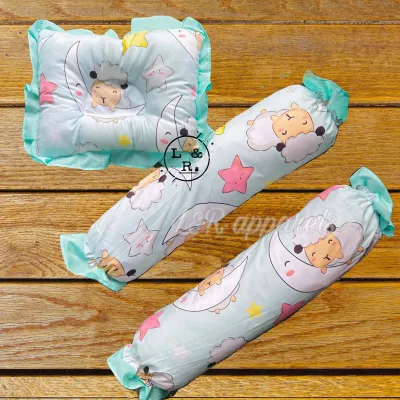
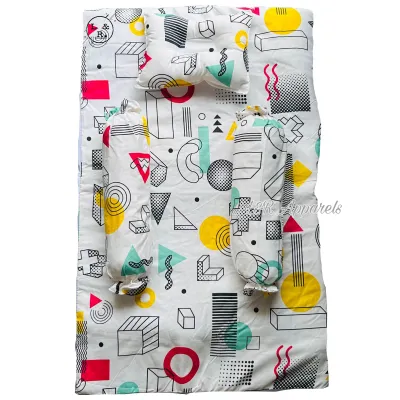
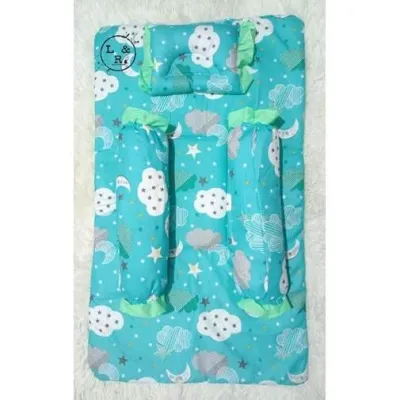
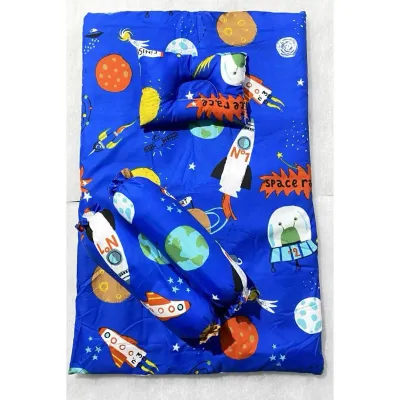
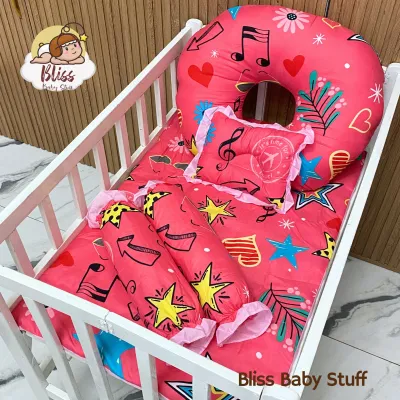
Prices are valid at publication and may change. Please refer to the product page for the latest price.
Furthermore, the developmental stage of a newborn means they spend a significant portion of their sleep cycle in active sleep, during which their movements are involuntary and unpredictable. If a baby slides down or turns slightly during the night, their head can become wedged against or underneath a pillow. This risk is compounded in tropical climates like the Philippines, where high humidity can cause soft materials to trap moisture and body heat. A baby who is overheating is at a higher risk for deep sleep states from which it is difficult to arouse, further increasing the danger of silent suffocation.
Many commercial bedding sets feature pillows filled with loose polyester fiberfill or soft foam, which are designed to feel plush and comfortable to an adult’s touch. However, what feels comfortable to an adult is dangerous for an infant. A safe sleep surface must be firm enough that it does not indent when the baby’s head is placed on it. Soft pillows fail this test completely, as they allow the baby’s head to sink in, creating a pocket of trapped carbon dioxide. When a baby rebreathes their own exhaled air, their oxygen levels drop rapidly, which can lead to fatal consequences without the baby ever waking up or crying out.
Standard Safe Sleep Conditions for Infants
To minimize sleep-related hazards, pediatric health organizations worldwide emphasize a simple, minimalist approach to the sleep environment. The gold standard for safe infant sleep is a firm, flat mattress covered only by a tight-fitting sheet. The mattress should fit snugly within the crib, playpen, or co-sleeper, leaving no gaps along the sides where a baby could become trapped. This bare-crib policy should be strictly maintained for at least the first twelve months of life, as this is the period of highest vulnerability for sleep-related accidents.

In Philippine households, families use a variety of sleep setups, ranging from traditional wooden cribs and modern travel playpens to shared family beds. Regardless of the specific furniture used, the rule of keeping the sleep surface completely bare remains absolute. This means removing all pillows, bumper pads, loose blankets, quilts, stuffed animals, and positioners from the sleep space. While a bare crib may look sparse or uninviting to well-meaning relatives, it is the safest environment you can provide for your child.
It is also crucial to distinguish between supervised awake time and unsupervised sleep. While certain positioning props, lounging pads, or small pillows might be used while a caregiver is actively watching the baby during the day, they have no place in an unsupervised sleep environment. Unsupervised sleep refers to any time the caregiver is sleeping, in another room, or otherwise unable to maintain continuous, direct visual contact with the baby. Even a brief nap requires the same strict safety standards as nighttime sleep, as accidents can occur in a matter of minutes.
Evaluating the Safety of Your Bedding Set Components
When you purchase or receive a newborn bedding set, it is essential to evaluate each component individually rather than assuming the entire package is ready for immediate use. Manufacturers often bundle multiple items—such as a fitted sheet, a comforter, bumper pads, and a small pillow—to create an appealing retail package. As a consumer, you must act as the final safety gatekeeper by reading the manufacturer labels, age recommendations, and safety warnings attached to each item.
Many of the items included in these sets are explicitly labeled “for decorative use only” or carry warnings stating they are not intended for infants under a certain age. For instance, a matching comforter or quilt may be perfectly safe to drape over the side of the crib for a photo or to use as a play mat on the floor, but it should never be used as a blanket for a sleeping newborn. Similarly, the included pillow is often intended for older toddlers who have transitioned out of a crib, or simply as a decorative accent to be removed before the baby is placed down to sleep.
When inspecting these products, look for clear warning labels regarding suffocation hazards. Reputable brands will include warnings that advise against placing the pillow in a crib or bassinet. If a bedding set lacks clear safety labeling, age recommendations, or manufacturer contact information, it is best to err on the side of caution and keep those components out of your baby’s reach. Remember that marketing terms like “orthopedic,” “ergonomic,” or “baby-friendly” on a pillow package are not substitutes for official safety guidelines and do not make a soft pillow safe for a sleeping newborn.
Safe Alternatives for Warmth and Comfort
Parents often worry that their baby will feel cold or uncomfortable sleeping on a bare mattress without a pillow or blanket. Fortunately, there are highly effective, safe alternatives that provide comfort and temperature regulation without introducing loose items into the crib. Wearable blankets, commonly known as sleep sacks, are an excellent alternative to loose blankets. These garments zip securely around the baby’s body, keeping them warm while ensuring their face and airway remain completely unobstructed throughout the night.
In the Philippines, managing the sleep environment requires careful attention to tropical heat and humidity. Many homes utilize air conditioning units or electric fans to keep the nursery comfortable. When using a sleep sack, it is important to choose lightweight, breathable fabrics such as single-layer cotton or bamboo muslin to prevent overheating. You can adjust your baby’s clothing underneath the sleep sack—such as using a short-sleeved bodysuit on warmer nights or a long-sleeved sleeper when the air conditioning is running—to maintain a comfortable body temperature.
Swaddling is another traditional method used to soothe newborns and promote better sleep by mimicking the snug feeling of the womb. If you choose to swaddle, use a lightweight, breathable swaddle blanket and ensure it is wrapped securely but not too tightly around the hips and chest. However, swaddling must be discontinued as soon as your baby shows any signs of attempting to roll over, which can happen as early as two months of age. Once a baby can roll, they need their arms free to help position themselves and keep their airway clear, making a transition to a standard sleep sack necessary.
When Is It Safe to Introduce a Pillow?
As your baby grows, their physical strength, motor skills, and airway stability develop significantly. The general consensus among pediatric experts is that a pillow should not be introduced until a child is at least 18 to 24 months old, which often coincides with their transition from a crib to a toddler bed. At this stage, their neck muscles are strong enough to easily adjust their head position, and their risk of sudden, silent suffocation is dramatically reduced.
You can also look for specific behavioral and physical signs that indicate your toddler may be ready for a pillow. If you notice your child consistently resting their head on a stuffed animal, a folded blanket, or a pillow in your own bed during family cuddle time, they may benefit from their own sleep pillow. Additionally, once a toddler’s shoulders are wider than their head, a thin, firm pillow can help keep their spine aligned when they sleep on their side.
When the time comes to select a pillow for your toddler, do not use a standard adult pillow or a plush, decorative cushion from a bedding set. Instead, look for a specialized toddler pillow that is small, flat, and firm. The pillow should provide just enough support to keep the head aligned with the spine without allowing the head to sink deeply into the material. It is also wise to choose a pillow with a removable, washable cover made from hypoallergenic materials, as this helps manage dust mites and sweat in humid environments.
Frequently Asked Questions (FAQ)
Can I use the newborn pillow for supervised tummy time or lounging?
Yes, you can use the pillow from a bedding set for supervised awake activities, but only under strict, continuous adult supervision. During tummy time, placing a small pillow or rolled towel under your baby’s chest can help prop them up slightly, making it easier for them to practice lifting their head and strengthening their neck muscles. However, you must remain right next to your baby during this time, as they can easily slip or lose their balance, putting their face directly into the soft material.
It is critical to understand that supervised awake time is entirely different from sleep. If your baby begins to show signs of drowsiness, yawns, or falls asleep while resting on or near the pillow, you must immediately remove the pillow or transfer the baby to their firm, bare sleep surface. Never leave a baby unattended on a lounging pad, nursing pillow, or decorative cushion, even for a few moments, as silent airway obstruction can occur quickly and quietly.
What should I do with the pillow if I already bought the bedding set?
If you have already purchased a complete newborn bedding set that includes a pillow, you do not need to throw it away, but you must keep it out of the crib. One practical option is to store the pillow safely in a closet or storage bin until your child reaches the appropriate toddler age of 18 to 24 months. By the time they transition to a toddler bed, the pillow will be safe to use and will still match the rest of the bedding set components you have preserved.
Alternatively, you can use the pillow strictly for decorative purposes to style the nursery. You can place the pillow on a rocking chair, a nursing glider, or a nearby shelf to complete the room’s aesthetic, making sure it is always out of the baby’s reach. To avoid the temptation of placing it in the crib for a quick photo or out of habit, establish a strict rule that the crib mattress remains completely bare at all times. This simple habit ensures that everyone who cares for your baby—including grandparents, nannies, and babysitters—maintains a safe sleep environment.

Community discussion
Share your experience or ask a question. Comments are reviewed before publication.