
When a toddler is struggling with a stuffy nose, it affects their sleep, feeding, and overall comfort. As a parent, you want to provide quick relief, and a nasal aspirator is often the first tool you reach for. A nasal aspirator for toddler use is generally safe when operated correctly, using an age-appropriate device, and focusing on gentle symptom relief. It is important to remember that these devices are mechanical tools designed to clear excess mucus from the nasal passages; they are not a cure for underlying respiratory infections such as the common cold, flu, or respiratory syncytial virus (RSV).
The safety of a nasal aspirator relies heavily on proper technique, strict limits on how often you use it, and careful adherence to the manufacturer’s age and usage guidelines. Because every child’s health situation is unique, always consult a pediatrician if your toddler has persistent symptoms, a high fever, or if you are unsure about using a new medical device.
Potential Risks and Side Effects to Watch For
To use a nasal aspirator safely, caregivers must understand the potential risks associated with improper use or over-clearing. The nasal passages of a toddler are incredibly delicate, lined with sensitive mucous membranes and a dense network of tiny, fragile blood vessels.
Products mentioned in this guide
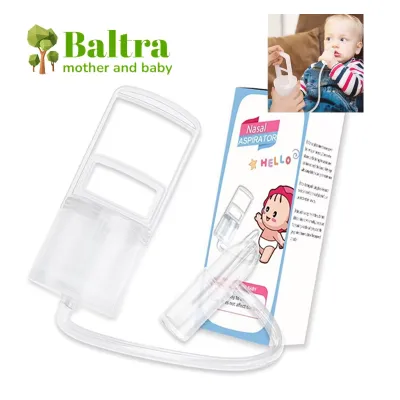
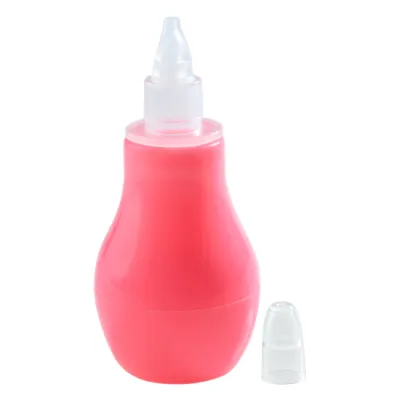
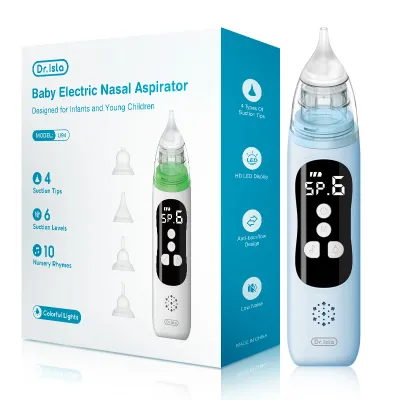
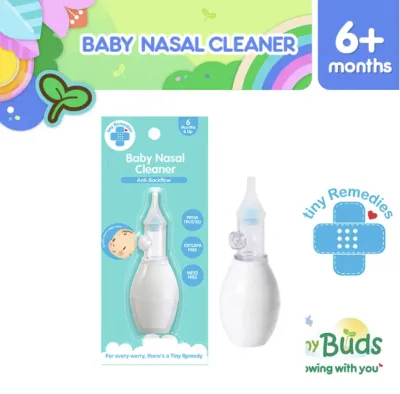
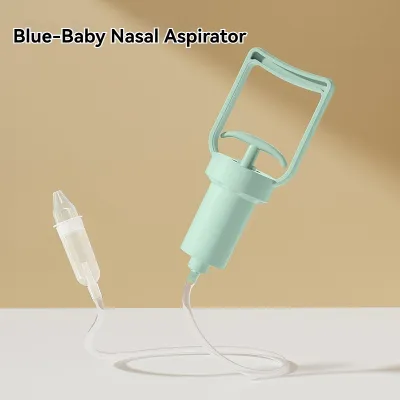
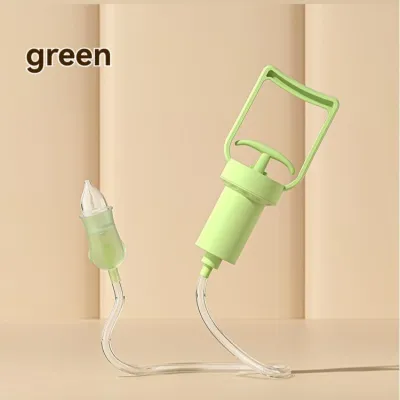
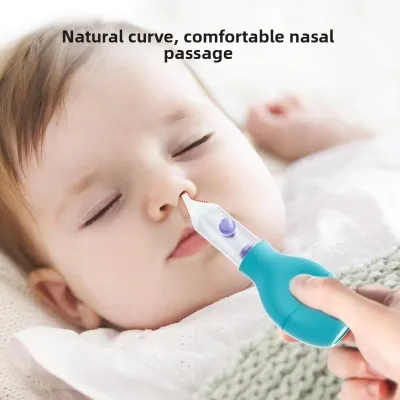
Prices are valid at publication and may change. Please refer to the product page for the latest price.
One of the most common issues is tissue irritation and minor bleeding. If the nozzle is inserted too deeply, angled incorrectly against the nasal wall, or used when the nasal passages are dry, it can scrape or irritate the lining. This friction often leads to micro-tears, resulting in blood-tinged mucus or a minor nosebleed. While a small amount of blood can be alarming, it is usually a sign that the suction technique is too aggressive or the tissues are dry.
Another risk is rebound swelling, also known as localized inflammation. When parents suction a toddler’s nose too frequently or use excessive suction force, the vacuum pressure can irritate the nasal tissues. The body responds to this physical stress by increasing blood flow to the area, which causes the mucosal lining to swell. This inflammation makes the toddler feel even more congested than before, tempting parents to suction again and creating a frustrating cycle of worsening stuffiness.
Infection and cross-contamination represent a significant safety hazard, particularly in warm and humid environments like the Philippines. Mucus is naturally filled with bacteria or viruses when a child is sick. If the nasal aspirator is not thoroughly disassembled, washed, sanitized, and allowed to dry completely after every single use, the damp interior becomes a breeding ground for mold and pathogens. Reusing a contaminated device can reintroduce these pathogens deep into the toddler’s nasal cavity, potentially worsening their illness or causing a secondary infection.
Essential Safety Precautions Before and During Use
Minimizing discomfort and preventing injury during nasal suctioning requires a methodical, gentle approach. By establishing a safe routine, you can clear your toddler’s airways effectively without causing trauma to their delicate nasal tissues.

The first and most critical step is preparation with saline. Thick, sticky, or dried mucus is highly resistant to suction. Attempting to pull dry mucus out with raw suction force is painful and highly likely to cause tissue damage. Applying two to three drops of pediatric saline drops or a gentle saline spray into each nostril helps hydrate, loosen, and liquefy the mucus. After administering the saline, wait one to two minutes before using the aspirator. This waiting period allows the solution to break down the congestion, making it much easier to clear with minimal suction pressure.
Technique and depth boundaries must be strictly observed. The nozzle of the aspirator should never be pushed deep into the toddler’s nose. Instead, place the tip gently at the very entrance of the nostril, just far enough to create a secure seal. Angle the tip slightly outward toward the ear or the side of the nose rather than pointing it straight up or inward toward the nasal septum (the middle wall), as the septum is highly sensitive and prone to bleeding.
Suction control is paramount to preventing tissue trauma. If you are using a manual bulb syringe, squeeze the bulb fully before placing it at the nostril entrance, then release it with a slow, steady motion; never release it rapidly or jerkily. For mouth-suction models, inhale with a gentle, controlled breath. If you are using an electric nasal aspirator, always start on the absolute lowest suction setting and only increase it if absolutely necessary, keeping the duration of suction to just a few seconds per nostril.
Rigorous hygiene protocols must be maintained before and after each session. Always wash your hands thoroughly with soap and water before handling your toddler or the aspirator. Ensure that every part of the device that comes into contact with the child has been cleaned and sanitized according to the manufacturer’s specific instructions. In humid climates, pay extra attention to drying the parts completely in a clean, well-ventilated area to prevent mold growth.
Proper toddler positioning is essential for safety, especially since toddlers often resist the process. Trying to suction a thrashing child increases the risk of the nozzle poking and injuring the inside of the nose. Position your toddler in a comfortable, secure way, such as sitting upright or slightly reclined on your lap, with their head supported firmly against your chest. This position helps keep their head stable, prevents sudden movements, and reduces the risk of the child choking on loose mucus or saline.
Choosing a Safe Nasal Aspirator for Toddlers: Features to Verify
When shopping for a nasal aspirator for toddler use or evaluating one you already own, it is important to focus on specific safety and design features. The market offers a wide variety of designs, with prices generally ranging from ₱150 to ₱500 for basic manual bulbs, and ₱600 to ₱1,500 or more for electric models and advanced mouth-suction kits.
First, verify that the device features an age-appropriate nozzle design. Toddlers have larger nasal passages than infants, but they are still much smaller than adults. A nozzle designed for newborns may slip too far into a toddler’s nose, while an adult-sized tip will be too large and rigid. Look for soft, flexible tips made from medical-grade silicone that are explicitly rated by the manufacturer for the toddler age range.
Hygiene and backflow prevention are critical features, especially for mouth-suction (human suction) models. Ensure the device includes a reliable physical barrier, such as a one-way valve or a disposable hygiene filter, to prevent mucus, bacteria, and viruses from traveling up the tube into your mouth or back down into the toddler’s nose.
Material safety must be verified by checking the product packaging and labels. Ensure that all parts of the aspirator that touch the child’s skin or mucous membranes are made from non-toxic, hypoallergenic materials. Look for labels indicating that the product is BPA-free, phthalate-free, and utilizes medical-grade silicone. Avoid cheap plastics that may leach harmful chemicals or have rough, unfinished seams that can scratch the skin.
Suction limiters are a vital safety feature for electric models. Unlike manual devices where you control the force directly, electric models rely on a motor. Verify that the electric aspirator has built-in suction caps or an adjustable motor with clearly defined, safe vacuum limits (often measured in kilopascals or kPa) to prevent accidental excessive pressure that could damage delicate tissues.
Finally, look for ease of disassembly. A safe nasal aspirator must be fully detachable so that every tube, chamber, and tip can be opened, thoroughly washed with warm soapy water, and completely dried. Avoid any models with sealed or hard-to-reach crevices, as trapped moisture in these hidden areas can quickly lead to mold and bacterial colonization, rendering the device unsafe for future use.
When to Stop Using the Aspirator and Seek Medical Help
While a nasal aspirator is a helpful home care tool, parents must recognize its limits and know when to stop using it. Forcing the procedure or ignoring warning signs can lead to complications or delay necessary medical treatment.
There are several immediate stopping conditions that caregivers must respect. If you see visible, bright red blood in the mucus or dripping from the nose, stop suctioning immediately. You must also stop if your toddler experiences severe distress, screams, or shows signs of pain during the process. Additionally, if the mucus is completely solid and does not loosen even after using saline drops, do not attempt to force it out with suction; doing so will only cause tissue damage.
Parents must also monitor for signs requiring pediatric evaluation. A nasal aspirator is only intended to manage temporary, mild congestion. Seek professional medical care if your toddler’s congestion persists for more than a few days without improvement, or if it is accompanied by a high fever, wheezing, rapid or labored breathing, flaring nostrils, or chest retractions (where the skin sucks in around the ribs when breathing). Other warning signs include extreme lethargy, persistent coughing, or signs of dehydration, such as dry lips or a significant decrease in wet diapers.
It is crucial to understand the limitations of the device. A nasal aspirator only clears mucus from the upper nasal passages to help the child breathe easier through their nose. It cannot treat lower respiratory tract infections, such as bronchiolitis, croup, or pneumonia, nor can it resolve severe allergic reactions. These conditions require a professional medical diagnosis, targeted therapies, and a comprehensive treatment plan prescribed by a qualified pediatrician.
Frequently Asked Questions (FAQ)
How many times a day is it safe to use a nasal aspirator on a toddler?
Using a nasal aspirator too frequently can cause mucosal swelling, dry out the nasal passages, and actually worsen your toddler’s congestion. As a general rule, limit suctioning to key times of the day when clearing the airway is most beneficial, such as right before meals to make eating easier, or right before bedtime to promote better sleep. Always check your specific device’s manual for manufacturer recommendations, and consult your pediatrician to establish safe daily limits tailored to your child’s health needs.
Can a nasal aspirator damage my toddler's nasal passages?
Yes, a nasal aspirator can cause damage if used incorrectly. The lining of a toddler’s nasal cavity is highly vascular, delicate, and easily irritated. Deep insertion of the nozzle, dry suctioning without saline, or using excessive force can cause micro-tears, bruising, and nosebleeds. This risk is highly preventable by always using pediatric saline drops first to lubricate the passages, keeping the tip strictly at the entrance of the nostril, and applying only gentle, controlled suction.
Are electric or manual nasal aspirators safer for toddlers?
Both electric and manual nasal aspirators can be used safely, but they have different safety profiles. Manual devices, such as bulb syringes or mouth-suction aspirators, offer direct tactile feedback, allowing you to feel and control the suction strength instantly. However, they require strict adherence to cleaning and filter replacement protocols to prevent mold and backflow. Electric models provide consistent, factory-regulated suction levels that minimize the risk of human error, but the motor noise may startle some toddlers, causing them to thrash and increasing the risk of accidental injury. Ultimately, safety depends on your technique, proper hygiene, and using an age-appropriate nozzle design rather than the power source itself.

Community discussion
Share your experience or ask a question. Comments are reviewed before publication.