
Creating a cozy, welcoming nursery is one of the most exciting parts of preparing for a new baby. As you browse local baby boutiques or scroll through an online marketplace in the Philippines, you will likely encounter a wide array of adorable bedding sets, including plush, oversized pillows. It is natural to want your little one to feel as comfortable as possible, especially during warm, humid tropical nights when finding a comfortable sleep setup feels essential. However, when it comes to infant sleep, the golden rule is simplicity.
Putting a big pillow in a baby’s crib is highly unsafe and poses severe risks to their health and well-being. For an infant, the safest sleep environment is a completely bare, flat, and firm surface. While adults associate pillows with comfort and support, a baby’s physical structure and developmental needs are entirely different. Introducing soft bedding too early can lead to dangerous situations that are easily preventable.
Understanding the physical risks of soft bedding, recognizing the developmental milestones that signal readiness for a pillow, and knowing how to choose safe alternatives are crucial steps for every parent. This guide breaks down the essential safety guidelines surrounding pillows in the crib, helping you make informed decisions to keep your baby safe and comfortable throughout the night.
Products mentioned in this guide
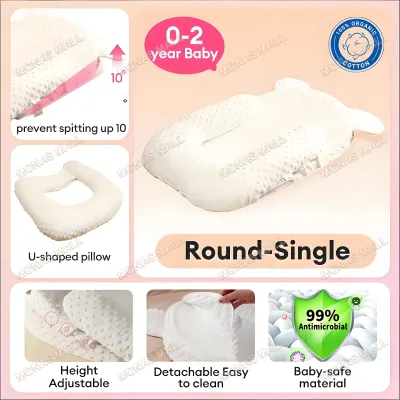
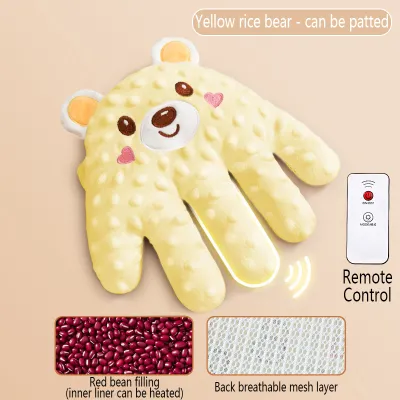
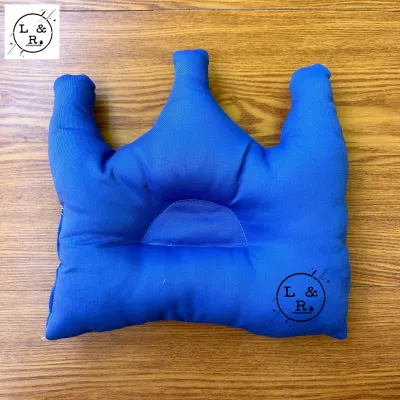
Prices are valid at publication and may change. Please refer to the product page for the latest price.
Why Big Pillows Pose Suffocation Risks for Infants
To understand why a big pillow for baby use is dangerous, it is helpful to look at an infant’s physical development. Newborns and young infants have limited motor skills and very little neck strength. If a baby rolls over or if a large, soft pillow shifts and covers their face, they do not possess the physical strength or coordination to push the pillow away or turn their head to clear their airway. This lack of mobility makes any soft, plush object in the crib a direct hazard.
When a baby’s face sinks into a soft pillow, the fabric and filling can easily obstruct their nose and mouth, cutting off their oxygen supply. This physical blockage is a primary cause of accidental suffocation in infants. Furthermore, soft bedding can trap the carbon dioxide that the baby exhales. If the baby breathes in this trapped air—a phenomenon known as re-breathing—their oxygen levels can drop dangerously low, which is a significant risk factor associated with Sudden Infant Death Syndrome (SIDS).
There is also a critical structural difference between adult-sized “big pillows” and the flat surfaces babies require. An adult pillow is designed to support a mature neck curve and wider shoulders. When an infant is placed on a thick pillow, their head is forced forward toward their chest. Because a baby’s airway is narrow and highly flexible, this chin-to-chest position can easily crimp their trachea, restricting their breathing even if their face is completely uncovered. A firm, flat mattress keeps the baby’s spine and airway in a safe, neutral alignment.
When Is It Safe to Introduce a Pillow? Age and Developmental Milestones
Parents often wonder at what point their child can safely transition to using a pillow. Authoritative pediatric health organizations worldwide, including local pediatric societies in the Philippines, recommend keeping the sleep environment completely free of pillows, blankets, and other soft bedding for at least the first twelve months of life. During this first year, the risk of sleep-related infant death is at its highest, and a bare crib remains the safest choice.

As your baby grows into a toddler, their physical capabilities change. The appropriate time to introduce a pillow is typically when they transition from a crib to a toddler bed, which usually occurs between eighteen months and three years of age. By this stage, their neck muscles are strong, their motor skills are highly developed, and their shoulders have widened enough that a low-profile pillow can provide comfortable support without pushing their head forward.
Before making any changes to your child’s sleep setup, it is highly recommended to consult your pediatrician. A pediatrician can evaluate your child’s specific developmental milestones and physical growth to confirm if they are ready for a pillow. They can also provide personalized advice based on your child’s sleeping habits, ensuring that the transition is both comfortable and safe.
What to Look for in a Safe Toddler Pillow
Once your pediatrician confirms that your child is ready for a pillow, it is vital to select one designed specifically for toddlers rather than repurposing an adult-sized pillow. When shopping, always check the product labels for specific age recommendations, intended use, and safety warnings. Avoid products that lack clear age guidelines or those marketed generically as “baby pillows” without specifying a safe minimum age.
A safe toddler pillow must meet specific physical criteria to ensure it does not pose a hazard. It should be significantly smaller than a standard adult pillow—typically measuring around 13 by 18 inches—and have a very low loft, meaning it is relatively flat. Firmness is another critical factor; the pillow should be firm enough that it does not conform deeply to the child’s face. You can test this by pressing your hand into the center of the pillow; if it takes several seconds to regain its shape or leaves a deep indentation, it is too soft.
The materials used in the pillow are also highly important, especially in the tropical climate of the Philippines. Look for pillows with breathable, hypoallergenic covers made from natural fibers like 100% cotton. High humidity can lead to sweating during sleep, which can cause skin irritation or heat rashes on a toddler’s delicate skin. A breathable cover helps regulate temperature and keeps the sleeping surface dry.
Repurposing a “big pillow” or an adult pillow for a toddler remains unsafe, even if they have reached the appropriate age. Adult pillows contain too much filling and are far too thick, which can strain a toddler’s developing neck and spine. The excess fabric and bulk also continue to present a suffocation risk if the toddler rolls over or buries their face in the pillow during active sleep.
Safe Sleep Alternatives for Infants and Young Babies
Keeping your baby comfortable and safe does not require a pillow. The foundation of a safe sleep environment is a firm, flat mattress that fits tightly within the crib frame. There should be no gaps between the mattress and the crib rails where a baby’s head or limbs could become trapped. Cover the mattress with a tightly fitted sheet that does not bunch up or pull loose when the baby moves.
In the Philippines, where nighttime temperatures can fluctuate between warm, humid evenings and cooler, rainy nights, parents often worry about keeping their baby warm without using loose blankets or pillows. A safe and highly effective alternative is a wearable blanket or sleep sack. These garments provide warmth and comfort while staying securely on the baby, eliminating the risk of loose fabric covering their face. When selecting a sleep sack, look for lightweight, breathable fabrics like muslin or single-layer cotton with a low TOG rating suitable for tropical climates.
Regulating the nursery’s room temperature is another key factor in ensuring comfort without relying on extra bedding. You can use an electric fan or air conditioner to maintain a comfortable, consistent temperature in the room. Ensure that the fan is set to rotate or that the air conditioning vent is not blowing air directly onto the baby’s crib. Keeping the room cool and well-ventilated reduces the risk of overheating, which is a known risk factor for sleep-related infant deaths, and helps your baby sleep soundly on their firm, flat mattress.
Frequently Asked Questions (FAQ)
Can I use a nursing pillow or positioning pillow in the crib?
No, nursing pillows and positioning pillows should never be used in a crib or for unsupervised sleep. These products are designed strictly for supervised awake time, such as feeding support or tummy time under direct adult supervision. Manufacturer warnings on these items explicitly state that they are not safe for sleep. If a baby falls asleep on a nursing or positioning pillow, their head can easily slump forward, blocking their airway, or they can roll off the pillow and become trapped against the side of the crib.
What should I do if my baby rolls onto a pillow during sleep?
If you discover that your baby has rolled onto a pillow or any other soft object during sleep, immediately and gently lift them and place them back onto their back on the flat, firm mattress. Remove the pillow from the crib entirely. Take a moment to inspect the rest of the crib to ensure no other loose items, such as blankets, toys, or clothing, are present. Regularly monitoring your baby’s sleep environment is a highly reliable way to ensure they remain in a safe position throughout the night.
Are crib bumpers or pillow-like toys safe for infants?
No, crib bumpers, including padded, mesh, or braided varieties, as well as pillow-like plush toys, are not safe for infants. These items pose significant risks of suffocation, entrapment, and strangulation. Furthermore, as babies grow and learn to pull themselves up, they can use bumpers and large toys as steps to climb out of the crib, leading to dangerous falls. To maintain a safe sleep environment, keep the crib completely empty of all accessories, toys, and bumpers.

Community discussion
Share your experience or ask a question. Comments are reviewed before publication.