
Hand sanitizer is a highly convenient tool for on-the-go hygiene, but it is generally not recommended for newborn babies and must be used with extreme caution on older infants. Because babies constantly explore their world by putting their hands, toys, and fingers into their mouths, applying chemical sanitizers poses a direct risk of accidental ingestion. Additionally, an infant’s skin barrier is significantly thinner, more delicate, and more permeable than an adult’s, making them highly susceptible to localized skin irritation and chemical absorption. Parents must understand the developmental milestones, ingredient profiles, and safety protocols before introducing these products to their child’s daily routine.
While keeping your little one safe from germs is a top priority, relying too heavily on quick-fix sanitizing gels can sometimes do more harm than good. Understanding when your baby’s skin is mature enough to handle these formulations—and knowing which ingredients to avoid entirely—will help you make informed decisions during family outings, travel, and daily play.
Age Guidelines: When Can Babies Use Hand Sanitizer?
Pediatricians and health authorities generally advise keeping alcohol-based hand sanitizers away from babies under six months of age. During these first few months, a baby’s skin barrier is still developing its protective functions, making it highly sensitive to drying agents and topical chemicals. The risk of systemic absorption through the skin is much higher in newborns than in older children, meaning even small amounts of topically applied alcohol can be problematic.
Products mentioned in this guide
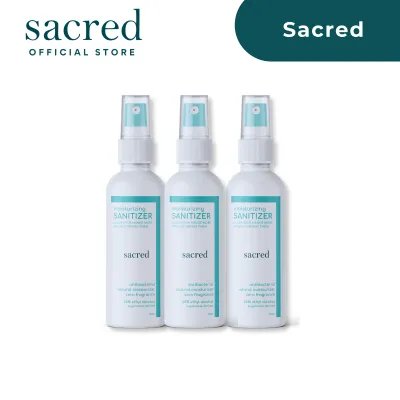
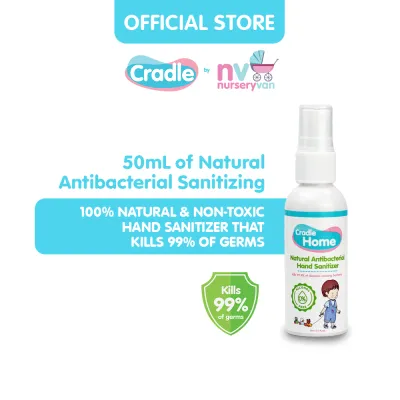
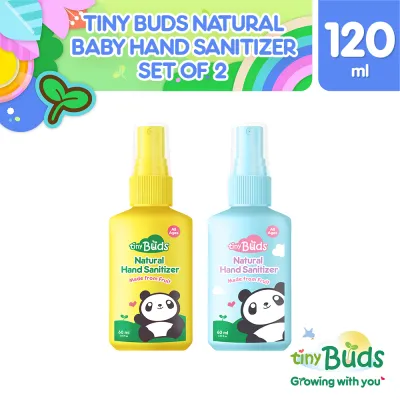
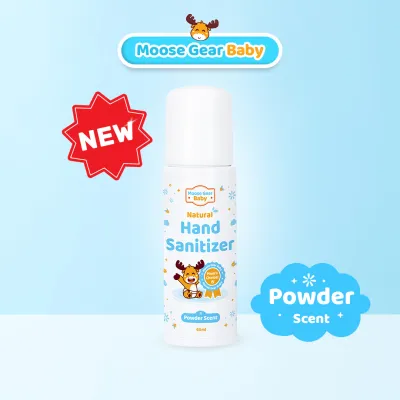
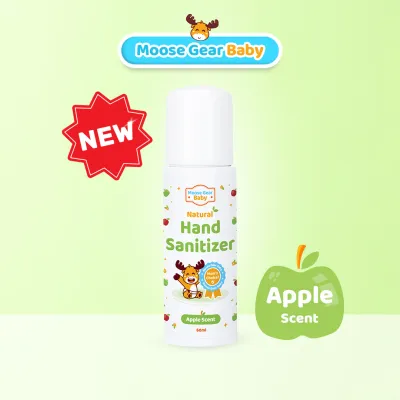
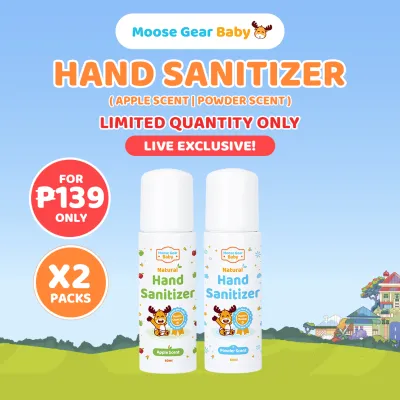
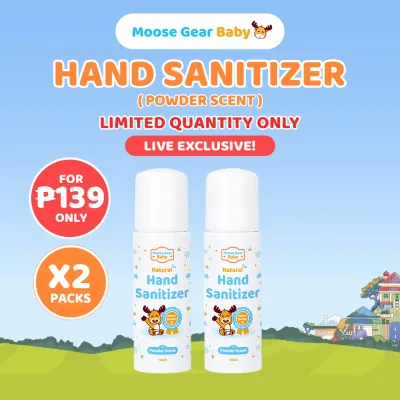
Prices are valid at publication and may change. Please refer to the product page for the latest price.
As babies grow, their developmental milestones play a massive role in determining when hand sanitizer can be introduced safely. Between six months and one year, infants naturally enter a heavy oral exploration phase where they grasp objects, touch public surfaces, and immediately put their hands in their mouths. If you apply hand sanitizer during this stage, the likelihood of them licking wet alcohol or chemical residues is exceptionally high, which can lead to accidental ingestion.
For these reasons, hand sanitizer should only be considered when a child is older, can follow simple instructions to keep their hands out of their mouth while the product dries, or when you can guarantee absolute, uninterrupted supervision. If your baby has active eczema flare-ups, open scratches from their fingernails, or extremely dry skin, you should avoid hand sanitizer entirely. The high alcohol content will cause intense stinging, pain, and further compromise their delicate skin barrier.
Key Ingredients to Look For and Avoid
When shopping for hygiene products, reading the ingredient label is your most important line of defense. If you must use an alcohol-based sanitizer, look for formulations that contain between 60% and 80% ethanol or isopropanol. This range is widely recognized as effective for neutralizing common pathogens, but parents must verify the exact percentage on the packaging, as lower concentrations will not effectively eliminate germs, while excessively high concentrations can dry out sensitive skin rapidly.

There are several ingredients you should actively avoid when selecting a product for your baby. Synthetic fragrances, often listed simply as “fragrance” or “parfum” on the label, are a leading cause of allergic contact dermatitis and skin irritation in infants. Artificial dyes and colorants should also be avoided, as they serve no hygienic purpose and only introduce unnecessary chemical exposure to your baby’s skin.
It is absolutely critical to avoid any products containing methanol or 1-propanol. These are highly toxic wood alcohols that can be absorbed through the skin or inhaled, posing severe health risks to infants. Always check product recalls and verify that the brand you choose is reputable and clearly lists all active and inactive ingredients on the bottle.
To protect your baby’s skin from excessive dryness, look for formulations specifically labeled as hypoallergenic, pediatric-tested, or formulated for sensitive skin. These products often incorporate soothing, moisturizing ingredients like aloe vera, chamomile, or glycerin. While these additives can help buffer the drying effects of alcohol, they do not make the product completely safe for ingestion, so strict safety precautions still apply.
How to Safely Apply Hand Sanitizer to Your Baby
Safe application is just as important as choosing the right product. You must never allow a baby or toddler to handle a hand sanitizer bottle or apply the gel themselves. Store all sanitizer bottles securely out of your baby’s reach, preferably zipped inside a diaper bag or placed on a high shelf where curious hands cannot grab them.
To apply the product safely, dispense a tiny, pea-sized drop of sanitizer directly into your own palm first. Rub your hands together briefly to distribute the gel, and then thoroughly massage it onto your baby’s hands. This method prevents you from accidentally applying too much liquid directly onto their delicate skin.
Make sure you cover every part of your baby’s hands during the application. Rub the gel gently but thoroughly over the backs of their hands, between their tiny fingers, around their fingernails, and across their palms. Continue rubbing continuously until the product has completely evaporated, which typically takes about 15 to 30 seconds.
Hold your baby’s hands gently during this drying process to prevent them from touching their face, rubbing their eyes, or putting their fingers in their mouth. Do not let go of their hands until you are absolutely certain the skin is completely dry to the touch and no chemical odor remains. If the hands still feel damp or smell like alcohol, the product is still active and poses an ingestion risk.
Soap and Water vs. Hand Sanitizer for Babies
Washing with plain soap and running water remains the absolute gold standard for infant hygiene. Water physically flushes away dirt, mud, sticky food residues, spit-up, and secretions that hand sanitizers simply cannot dissolve. Soap breaks down the lipid membranes of many germs while lifting physical grime off the skin so it can be rinsed away completely.
In warm, humid tropical climates like the Philippines, babies sweat frequently, and their hands easily become sticky from humidity, dust, and outdoor play. Sweat and natural skin oils can form a barrier on the skin that prevents hand sanitizers from making direct contact with pathogens. Washing with soap and water cuts through this oily layer, ensuring a much more thorough and reliable clean.
Furthermore, hand sanitizers have distinct limitations and are highly ineffective against certain types of germs, such as norovirus and bacterial spores. These resilient pathogens are easily washed down the drain with proper handwashing but can survive applications of alcohol gel. Sanitizers also lose their effectiveness when applied to hands that are visibly soiled, greasy, or covered in dirt.
Reserve hand sanitizer strictly for situations where clean, running water and soap are completely unavailable. This includes long car rides, outdoor trips to local parks, or when navigating busy shopping malls where family restrooms are out of reach. If your baby’s hands are visibly dirty and you have no access to a sink, use a damp baby wipe to physically clean off the heavy dirt and debris first, let the skin dry, and then apply a small amount of baby-safe sanitizer.
First Aid: What to Do If Ingestion or Skin Irritation Occurs
If your baby manages to lick their hands while the sanitizer is still wet, or accidentally swallows a small drop, try to remain calm. Immediately wipe the inside of their mouth with a clean, cool, damp cloth to remove any remaining chemical residue. Offer them a few sips of water, breast milk, or formula to help rinse their mouth and dilute any swallowed product.
Never attempt to induce vomiting if you suspect your baby has ingested hand sanitizer. Inducing vomiting can cause the chemical mixture to enter their lungs, which can lead to severe respiratory complications and chemical pneumonia. Monitor your baby closely for any immediate changes in behavior, breathing, or physical comfort.
Watch for red flags of alcohol ingestion or toxicity, which include unusual drowsiness, confusion, lack of coordination, drooling, or vomiting. If you observe any of these symptoms, or if you suspect your baby has swallowed a significant amount of sanitizer directly from a bottle, seek emergency medical care immediately. In the Philippines, you can contact your pediatrician or the National Poison Management and Control Center at the Philippine General Hospital for urgent professional guidance.
For localized skin irritation, such as sudden redness, dry patches, or a mild rash, wash your baby’s hands thoroughly with cool, plain water to remove all chemical traces. Apply a gentle, fragrance-free baby moisturizer or barrier cream to soothe the skin. If the redness persists, spreads, or causes your baby obvious discomfort, consult your pediatrician to rule out contact dermatitis or an allergic reaction.
Frequently Asked Questions (FAQ)
Can I use adult hand sanitizer on my baby in an emergency?
Using standard adult hand sanitizers on infants is highly discouraged. Adult formulations often contain much higher concentrations of alcohol, stronger synthetic fragrances, and harsh chemical denaturants that can easily irritate a baby’s sensitive skin and respiratory tract. If you have absolutely no other option in an emergency, dispense an extremely tiny amount onto your own hands, rub them until they are completely dry, and then wipe your dry hands over your baby’s hands to transfer a minimal amount of residue. Prioritize finding soap and clean water as soon as possible.
Are alcohol-free hand sanitizers safer for babies?
Alcohol-free hand sanitizers often use active ingredients like benzalkonium chloride instead of ethanol or isopropanol. While these products do not carry the same risk of alcohol poisoning if a tiny amount is accidentally ingested, they are not automatically safer or gentler for infant skin. Benzalkonium chloride can still cause skin irritation, dryness, and allergic reactions on highly sensitive baby skin. Additionally, alcohol-free sanitizers often take longer to dry completely and may be less effective against a broad spectrum of viruses and bacteria compared to alcohol-based options. Parents should carefully evaluate these trade-offs and check labels for pediatric safety clearances.

Community discussion
Share your experience or ask a question. Comments are reviewed before publication.