
Keeping your baby’s hands clean is a constant task for parents, especially during outdoor trips, family gatherings, or quick visits to the local park. While hand sanitizers are incredibly convenient for adults, using them on babies requires extreme caution and a clear understanding of the safety risks involved. Infant skin is significantly thinner and more sensitive than adult skin, making it highly susceptible to chemical absorption and irritation.
Generally, standard hand sanitizers are not recommended for infants under six months of age, and they should only be used on older babies when soap and clean water are completely unavailable. When you must use a baby hand sanitizer, selecting the right formulation and applying it with strict safety protocols is essential to protect your little one from accidental ingestion and skin damage. Understanding how these products interact with delicate skin will help you make informed decisions during your daily outings.
Why Soap and Water Are the Primary Choice for Babies
Soap and water physically lift dirt, oils, and pathogens from the skin, allowing them to be rinsed away completely. This mechanical removal is the most effective way to clean a baby’s hands because it does not rely on harsh chemicals remaining on the skin. This is particularly important for babies, who frequently put their hands and fingers directly into their mouths.
Products mentioned in this guide
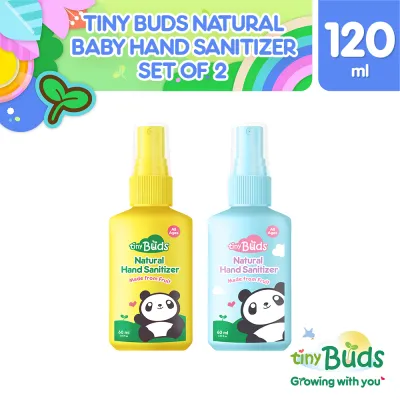
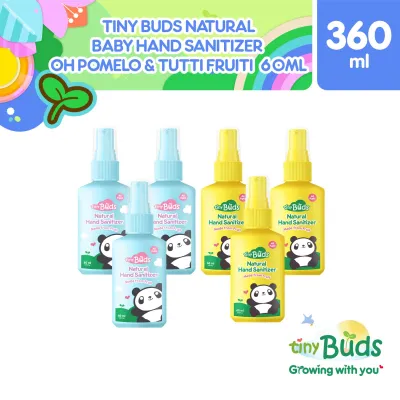
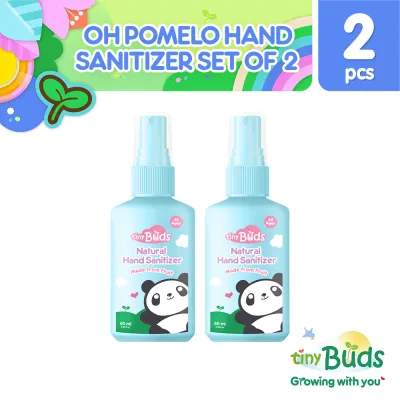
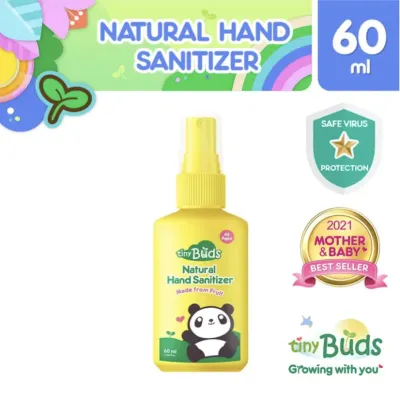
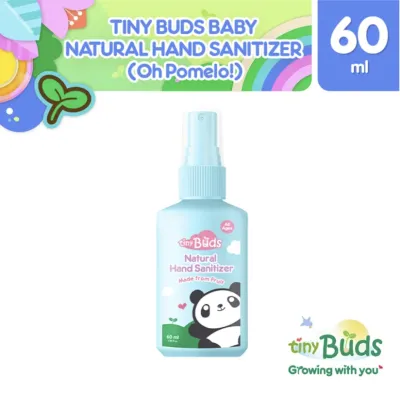
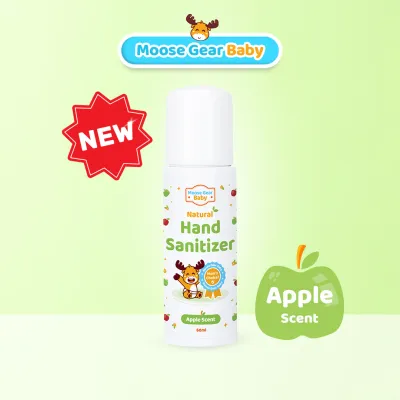
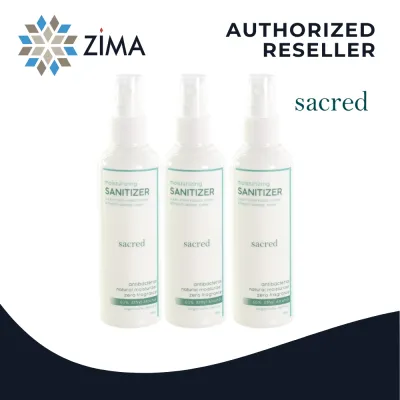
Prices are valid at publication and may change. Please refer to the product page for the latest price.
In contrast, hand sanitizers do not remove physical dirt, grease, or sticky residues. If your baby has sticky fingers from eating fresh fruits or playing in the dirt at a local playground, a sanitizer will simply spread the grime around without actually cleaning the skin. Furthermore, frequent exposure to the active chemicals in sanitizers can strip away the natural oils that protect your baby’s delicate skin barrier.
In tropical climates like the Philippines, high humidity and heat can cause babies to sweat more frequently. When sweat mixes with chemical residues left behind by hand sanitizers, it can increase the likelihood of skin irritation and clogged pores. Therefore, hand sanitizers should always be treated as a temporary backup plan, reserved strictly for situations where a clean water source and mild baby soap are out of reach.
Understanding the Safety Risks of Hand Sanitizers for Babies
Babies explore the world through their mouths, which introduces a significant risk of ingestion when using hand sanitizers. If a baby licks their hands or sucks on their fingers before the sanitizer has completely evaporated, they risk ingesting the active ingredients. Even a small amount of alcohol-based sanitizer can pose a risk of alcohol poisoning or toxicity in a small infant due to their low body weight.

Skin irritation is another common concern because the infant skin barrier is still developing, making it highly permeable. Alcohol-based sanitizers can dry out this delicate barrier rapidly, leading to painful cracking, redness, and contact dermatitis. Added synthetic fragrances and colorants, often found in standard commercial sanitizers, further elevate the risk of allergic reactions and localized skin flare-ups.
There is also a high risk of eye and mucous membrane exposure. Babies frequently rub their eyes, nose, and face throughout the day. If they do this shortly after sanitizer application, any remaining wet product can easily transfer to these sensitive areas, causing intense stinging, redness, and temporary irritation.
How to Evaluate Baby Hand Sanitizer Labels and Ingredients
When shopping at a local pharmacy or an online marketplace, carefully inspect the active ingredients list. If you choose an alcohol-based sanitizer, look for formulations containing ethyl alcohol (ethanol) at a concentration of at least 60%, which is the standard level recommended by health authorities for effective germ reduction. Avoid products containing isopropyl alcohol if possible, as it can be more drying and irritating to infant skin. Crucially, ensure the product is completely free of methanol (wood alcohol) and 1-propanol, which are highly toxic substances that should never be applied to skin.
Turn the bottle over to check the inactive ingredients and avoid products that list parabens, phthalates, synthetic dyes, and strong artificial fragrances. These chemicals are unnecessary for sanitizing and serve only as cosmetic enhancements that can trigger skin sensitivities. Instead, look for formulations that include soothing, plant-derived moisturizing agents like aloe vera or glycerin to help counteract the drying effects of the active ingredients.
Look for labels indicating the product is hypoallergenic, dermatologist-tested, or specifically formulated for babies. However, do not rely solely on front-of-package marketing claims. Always cross-reference these claims with the actual ingredient list on the back to verify that the product meets your safety standards. If you are ever uncertain about a specific ingredient, consult your pediatrician before introducing the product to your baby’s routine.
Step-by-Step Guide to Safe Application and Supervision
When water is unavailable and you must use a baby hand sanitizer, start by dispensing a very small amount. A pea-sized drop is more than enough for a baby’s tiny hands. Using too much product increases the drying time and leaves a thick, sticky residue that is more likely to be ingested if the baby puts their hands in their mouth.
Take your baby’s hands in yours and rub the sanitizer thoroughly over all surfaces. Ensure you cover the palms, the backs of the hands, the spaces between their fingers, and around their fingernails. Be gentle but thorough, making sure the product is evenly distributed rather than pooling in one spot.
This is the most critical step in the process: you must actively hold your baby’s hands and prevent them from touching their face, eyes, or mouth until the sanitizer has completely evaporated. This drying process usually takes about fifteen to twenty seconds. Do not blow on their hands to speed up the drying, as this can introduce bacteria from your breath back onto their clean skin. Simply hold their hands securely until they are completely dry to the touch.
Recognizing Adverse Reactions and When to Seek Help
Monitor your baby’s hands closely after using any new sanitizing product. If you notice signs of redness, swelling, peeling, or excessive dryness, discontinue use immediately. Wash their hands with mild soap and water as soon as possible, and apply a gentle, baby-safe moisturizer. If the irritation persists or appears painful, consult your pediatrician for guidance.
If your baby manages to lick wet sanitizer or swallows any amount from an unsecured bottle, act quickly. Do not wait for symptoms to appear. Immediately wipe their mouth with a clean, damp cloth and contact your local poison control center or seek emergency medical care at the nearest hospital. Keep the product bottle with you so healthcare professionals can identify the exact ingredients and concentration.
Prevention is always the best approach to safety. Store all hand sanitizers, including baby-specific formulations, completely out of your child’s reach and sight. Avoid leaving sanitizer bottles loose in diaper bags, low stroller compartments, or on coffee tables where curious toddlers can easily access them. Keep them zipped in secure pockets or stored on high shelves when not in use.
Frequently Asked Questions (FAQ)
Can I use adult hand sanitizer on my baby in an emergency?
Using adult hand sanitizer on a baby should be avoided whenever possible. Adult formulations often contain higher concentrations of alcohol, stronger synthetic fragrances, and harsh chemical denaturants that are highly irritating to delicate infant skin. If you find yourself in an absolute emergency with no other options, use only a tiny fraction of a drop, rub it thoroughly until completely dry, and wash your baby’s hands with soap and water at the very first opportunity.
Are alcohol-free baby hand sanitizers safer and effective?
Alcohol-free baby hand sanitizers often use active ingredients like benzalkonium chloride. While these alternatives are much gentler on sensitive skin and do not carry the same risk of alcohol poisoning, they may not be as effective against certain types of viruses and bacteria compared to alcohol-based options. When choosing an alcohol-free sanitizer, always verify the age recommendations on the label, ensure it is specifically formulated for infants, and remember that it still requires careful supervision during application.
Community discussion
Share your experience or ask a question. Comments are reviewed before publication.