
Introducing oral hygiene to your baby is a major milestone, but it often comes with questions about safety, especially regarding fluoride. Fluoride toothpaste is safe and highly effective for babies when used in the correct, age-appropriate amount and under strict adult supervision. However, the exact timing for introduction and the safe concentration depend on pediatric guidelines, local water fluoridation, and your child’s specific dental needs. Always consult a pediatric dentist or pediatrician before making changes to your baby’s oral care routine.
In tropical climates like the Philippines, where sweet tropical fruits, sticky snacks, and sugary beverages are common parts of a family’s daily life, protecting developing teeth from early decay is a priority. Establishing a proper brushing routine early on helps safeguard your baby’s smile. Understanding how fluoride works, how to select the right product, and how to apply it safely will give you the confidence to manage your baby’s dental health effectively.
Understanding Fluoride and Developing Baby Teeth
Fluoride is a naturally occurring mineral that plays a vital role in protecting dental health. When your baby’s teeth erupt, the outer layer of enamel is still relatively soft and maturing. Fluoride works by integrating into this developing enamel, making it more resistant to the acids produced by plaque and dietary sugars. This process of remineralization is the primary defense against early childhood caries, commonly known as baby bottle tooth decay.
Products mentioned in this guide
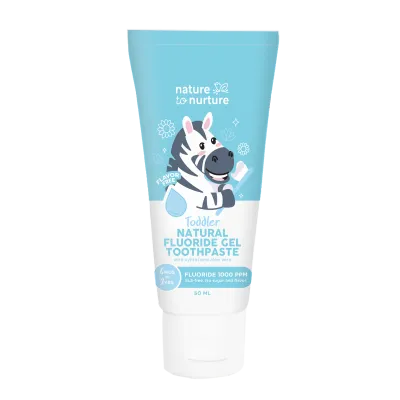
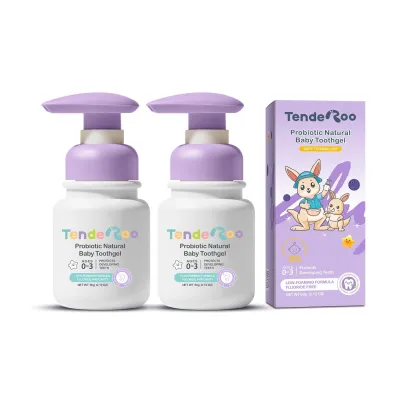

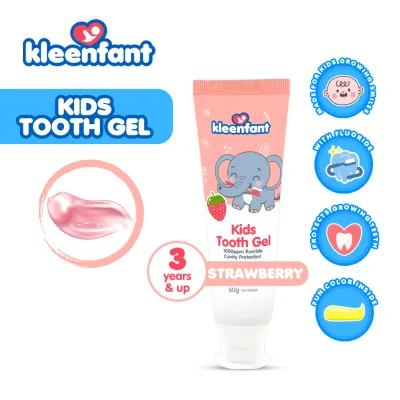
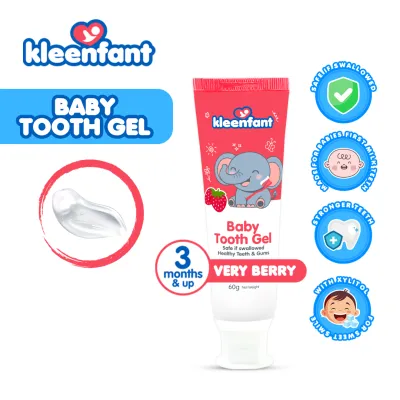
![[Bundle of 3] Hapee Kiddie Strawberry Bloom Toothpaste 40g](https://img.lazcdn.com/g/p/a12e967f298dfd18d16df4b3c5c19b31.png_400x400q80.png_.webp)

Prices are valid at publication and may change. Please refer to the product page for the latest price.
While fluoride is highly beneficial for strengthening teeth, excessive ingestion during the early stages of tooth development can lead to a condition called dental fluorosis. Dental fluorosis is a cosmetic issue that affects the appearance of permanent teeth developing beneath the gums. It typically manifests as faint white lines or spots on the tooth surface and occurs when young children regularly swallow more fluoride than recommended.
Because infants and toddlers have not yet developed the ability to spit out toothpaste, professional dental guidelines differentiate exposure limits by age and developmental stage. Pediatric dental associations emphasize strict portion control and close supervision rather than avoiding fluoride entirely. By matching the amount of toothpaste to your baby’s specific stage of growth, you can maximize the protective benefits of the mineral while keeping the risk of fluorosis exceptionally low.
When to Introduce Fluoride: Age and Developmental Milestones
Many parents wonder whether they should wait until a specific age or look for physical milestones before introducing fluoride toothpaste. General pediatric dental recommendations suggest starting fluoride toothpaste as soon as the very first baby tooth erupts. This milestone often occurs around six months of age, though it can happen earlier or later depending on the individual child.

Before that first tooth appears, oral care should focus on keeping the gums clean. You can gently wipe your baby’s gums with a clean, damp cloth or a soft silicone finger brush after feedings. Once the first tooth breaks through the surface, it is immediately vulnerable to decay, making it the ideal time to transition to a specialized toothpaste. This early introduction helps protect the tooth structure from the very beginning.
Consulting a healthcare professional, such as a pediatrician or a pediatric dentist, is an essential step in this transition. During your baby’s first dental visit—which is recommended by their first birthday—the dentist can assess your child’s individual cavity risk. They will evaluate factors like dietary habits, family dental history, and local water conditions to provide personalized advice on when and how to introduce fluoride safely.
How to Read Labels and Choose a Safe Baby Toothpaste
When browsing the shelves of local baby stores or searching online marketplaces, reading product labels carefully is crucial. Look for toothpaste specifically formulated for infants and toddlers. The packaging should clearly state the fluoride concentration, which is typically measured in parts per million (ppm). For young children, a lower concentration—often around 500 ppm to 1000 ppm—is standard, whereas adult toothpastes contain much higher levels that are unsafe for babies to swallow.
Avoid toothpastes that contain harsh abrasives, which can wear down the delicate, thin enamel of baby teeth. Ingredients like heavy silica or calcium carbonate should be minimized in infant formulas. Additionally, steer clear of products containing artificial sweeteners, sodium lauryl sulfate (SLS)—which can sometimes cause mild mouth irritation or sores in sensitive babies—and strong artificial flavorings. Mild, natural fruit flavors are generally preferred as they are less irritating to a baby’s sensitive mouth.
To ensure the product meets safety and quality standards, look for recognized dental association seals or local regulatory approvals, such as registration with the Food and Drug Administration. These seals indicate that the manufacturer has complied with strict guidelines regarding ingredient safety and labeling accuracy. Investing a little extra time in verifying these details on the packaging helps ensure you are purchasing a reliable product for your baby’s daily routine.
Safe Brushing: Correct Amounts, Supervision, and Swallowing Risks
Using the correct amount of toothpaste is the most effective way to prevent accidental over-ingestion. For babies and toddlers under three years of age, the standard recommendation is to use a tiny “smear” or “rice-grain” size of fluoride toothpaste. This minute amount provides sufficient fluoride to protect the teeth while remaining completely safe if the baby accidentally swallows it.
To measure this accurately, do not squeeze a large dollop onto the brush. Instead, place a tiny speck of toothpaste on the tips of the bristles and gently smear it flat. This ensures the paste is distributed throughout the brush and cannot be easily licked off or swallowed in one large gulp. When brushing, cradle your baby securely in your lap, gently lift their lip to expose the teeth, and brush in small, circular motions twice a day, especially before bedtime.
Because babies naturally swallow during brushing, close adult supervision is mandatory. If you suspect your baby has swallowed slightly more than the recommended rice-grain size during a routine brushing session, there is generally no cause for alarm. Simply wipe their mouth, offer them a small sip of water, and monitor them. However, if they consume a significant amount of toothpaste directly from the tube, immediate action is required to manage potential stomach upset.
Fluoride-Free Alternatives and When to Use Them
Fluoride-free “training” toothpastes serve a specific purpose in early childhood oral care. These products are designed primarily to help babies and toddlers get used to the physical sensation of brushing and the routine of cleaning their mouths without any risk of fluoride ingestion. They are highly useful for practicing the motion of brushing and learning how to spit out excess paste.
There are specific situations where a pediatric dentist might advise using a fluoride-free alternative temporarily. For instance, if your household relies on a local water source with naturally high levels of fluoride, your baby may already be receiving an adequate amount of the mineral internally. Additionally, if your baby has certain health conditions or if you prefer to wait until they can reliably spit before introducing fluoride, training toothpaste is a practical option.
Transitioning from a fluoride-free training paste to a fluoride toothpaste should be a gradual and positive process. You can start by mixing a tiny speck of fluoride toothpaste with their familiar training paste to help them adjust to the new taste and texture. Over several days, gradually increase the proportion of fluoride toothpaste while maintaining the strict rice-grain size limit, ensuring a smooth and stress-free transition for your child.
Frequently Asked Questions (FAQ)
Can I use adult toothpaste for my baby in an emergency?
No, you should not use adult toothpaste for your baby, even in an emergency. Adult formulas contain significantly higher concentrations of fluoride and stronger abrasives that can damage delicate baby enamel and irritate their sensitive gums. They also frequently contain intense mint flavors that babies find overwhelming or painful. If you temporarily run out of baby toothpaste, it is much safer to brush your baby’s teeth using a soft toothbrush dampened with clean water, or to gently wipe their teeth and gums with a clean, damp cloth until you can obtain a proper baby-safe formula.
What should I do if my baby eats the whole tube of toothpaste?
If your baby manages to eat a large amount of toothpaste directly from the tube, check the packaging immediately to identify the active ingredients and the exact fluoride concentration. If the tube contained fluoride toothpaste and a substantial portion was consumed, contact a pediatrician, a local poison control hotline, or visit the nearest medical clinic right away. Monitor your baby for mild symptoms of fluoride toxicity, which typically include stomach pain, nausea, drooling, or vomiting. To prevent such accidents, always store all toothpaste tubes securely out of your baby’s reach, treating them with the same caution as household medications.
Does my baby need fluoride supplements if we use fluoride toothpaste?
Your baby should only receive dietary fluoride supplements, such as drops or tablets, under the direct prescription and supervision of a pediatrician or pediatric dentist. Introducing supplements without a professional assessment can easily lead to overexposure and increase the risk of dental fluorosis. Before recommending supplements, your dentist will evaluate your household’s primary drinking water source to determine its natural fluoride content. If your baby is already using a fluoride toothpaste and drinking water with adequate fluoride levels, additional supplements are rarely necessary.

Community discussion
Share your experience or ask a question. Comments are reviewed before publication.