
Yes, fluoride toothpaste is safe and highly recommended for babies under 3 years old, provided it is used in strictly controlled, minimal amounts under direct adult supervision. While fluoride is a powerful tool for preventing early childhood cavities, infants and toddlers have not yet developed the reflex to spit out excess paste, making them vulnerable to swallowing too much. Managing this balance ensures that emerging teeth receive maximum protection against decay while minimizing any potential risks associated with ingestion.
Parents must navigate the transition from non-fluoride training alternatives to low-fluoride options based on developmental milestones and individual risk factors. By understanding how to select the right product and apply the correct dosage, you can establish a safe and effective oral hygiene routine from the very first tooth. This guide outlines the essential safety boundaries, risks, and practical application techniques to keep your child’s smile healthy.
Why Fluoride Matters for Early Oral Care
As soon as your baby’s first tooth erupts—often around six months of age—it becomes vulnerable to decay. Early childhood caries, commonly known as cavities, can progress rapidly in primary teeth because the outer enamel layer is much thinner and softer than that of permanent teeth. Fluoride works by integrating into this developing enamel structure, making it significantly more resistant to the organic acids produced by plaque bacteria and dietary sugars.
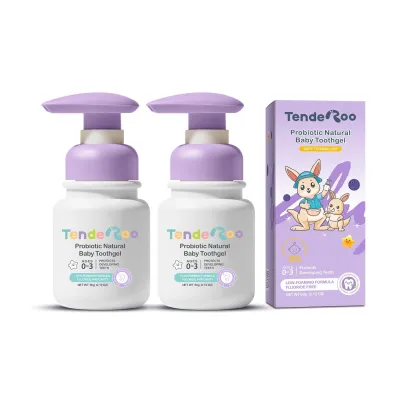
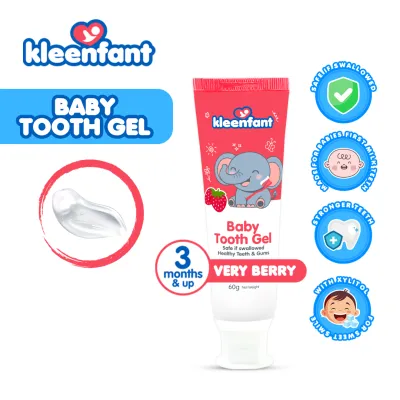
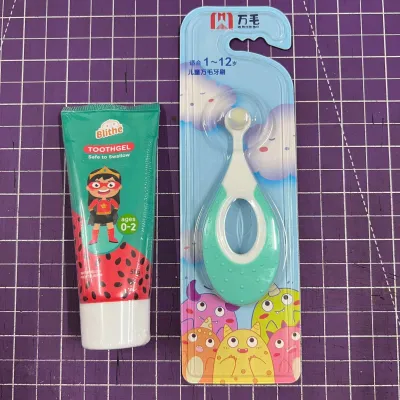
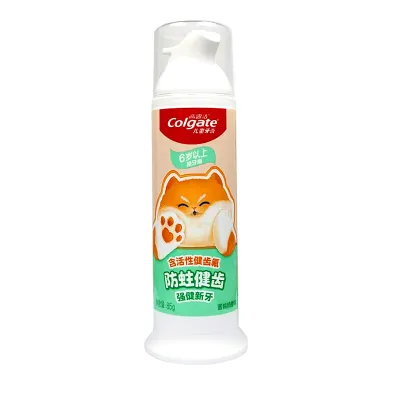
Products mentioned in this guide

![[Bundle of 3] Hapee Kiddie Orange Squeeze Toothpaste 40g](https://img.lazcdn.com/g/p/c2c7093337d129f7b90e8da702d09b23.png_400x400q80.png_.webp)
Prices are valid at publication and may change. Please refer to the product page for the latest price.
In tropical climates like the Philippines, where sweet tropical fruits, juices, and sticky rice treats are common parts of the family diet, protecting early teeth is especially critical. If left unprotected, baby teeth can decay quickly, leading to pain, early tooth loss, and potential alignment issues for future permanent teeth. Fluoride acts as a constant shield, helping to remineralize weak spots before they turn into permanent cavities.
Training toothpastes are designed primarily to help babies get used to the sensation of brushing. They do not contain active mineralizing agents, meaning they can be safely swallowed but do not offer active protection against decay. In contrast, low-fluoride toothpastes contain a controlled concentration of fluoride designed to strengthen enamel while keeping the risk of systemic absorption low if a tiny amount is swallowed.
Before teeth erupt, oral care consists simply of wiping the gums with a clean, damp cloth after feedings. Once teeth appear, the risk of decay begins immediately. Pediatric dental associations recommend introducing a tiny smear of fluoride toothpaste as soon as the first tooth cuts through the gums, rather than waiting until the child is older, to establish early defense against aggressive decay.
Potential Risks and Side Effects for Children Under 3
Dental fluorosis is a cosmetic condition that affects the appearance of tooth enamel. It occurs when young children ingest excessive amounts of fluoride over a prolonged period while their permanent teeth are still developing under the gums. Visually, mild fluorosis presents as faint white spots, streaks, or lacy markings on the enamel surface, which are usually barely noticeable and do not affect the tooth’s strength.

Toddlers under the age of three have underdeveloped swallowing reflexes and almost always swallow whatever is placed in their mouths. Because they cannot reliably spit out excess toothpaste, any fluoride applied to their brush is likely to be ingested. This makes them highly susceptible to fluorosis if the amount of toothpaste used is not strictly controlled by the caregiver during daily brushing sessions.
If a child manages to swallow a large amount of toothpaste directly from the tube, they may experience acute fluoride toxicity. This typically manifests as mild gastrointestinal distress, including nausea, vomiting, or abdominal pain. While mild cases resolve on their own, consuming a significant portion of a toothpaste tube is a medical emergency that requires immediate professional attention.
The risk of both fluorosis and acute toxicity increases dramatically under certain conditions. Using adult-formulated toothpaste, which contains much higher concentrations of fluoride, is a primary hazard for young children. Allowing unsupervised brushing or leaving toothpaste tubes within easy reach of curious toddlers also increases the likelihood of accidental over-ingestion.
How to Safely Choose and Use Toothpaste for 0 to 3 Year Olds
When shopping on local ecommerce platforms or in physical pharmacies, parents must carefully inspect product packaging. Look for toothpastes specifically formulated for infants and toddlers, which often feature clear age indicators such as “0-2 years” or “0-3 years” on the front label. Verify the fluoride concentration on the active ingredients list; pediatric formulations typically contain lower concentrations of fluoride compared to adult versions.
Additionally, check the packaging for local regulatory seals or standard safety marks to ensure the product meets quality guidelines. Avoid purchasing unbranded or imported toothpastes that lack clear ingredient lists or English translations, as these may contain inconsistent fluoride levels or unauthorized additives. Ensuring the product is sourced from a reputable manufacturer is a vital first step.
The key to safe fluoride use in early childhood is the exact dosage. For children under three years old, the recommended amount is a tiny “smear” or a portion no larger than a single grain of uncooked rice. Parents should not squeeze a full ribbon of paste across the bristles. Instead, lightly touch the tube opening to the brush to leave a minimal trace of paste, and always verify these dosage instructions on the product label.
Brushing must always be an active, parent-led task rather than an independent activity for the toddler. Hold the toothbrush for your child and gently brush all surfaces of their teeth using light, circular motions. To minimize swallowing, tilt your child’s head slightly forward so excess saliva and paste can flow outward into a cloth or the sink.
Encourage your child to make a spitting sound or mimic you spitting, even if they cannot fully clear their mouth yet. This builds the motor skills and habits they will need as they grow older. Once brushing is complete, use a clean, damp cloth or a silicone finger brush to gently wipe away any remaining paste from their teeth and gums.
Toddler toothpastes are often flavored with sweet fruit or bubblegum scents to make brushing more appealing. While this helps reduce resistance during brushing sessions, it also makes the toothpaste highly attractive to young children. Always store the toothpaste tube in a high, locked cabinet or a secure drawer out of your child’s sight and reach, and never allow them to play with the tube.
When to Consult a Pediatric Dentist
Parents should regularly lift their child’s lips to inspect their teeth for any early signs of trouble. If you notice any unexplained white spots, chalky patches, yellow or brown discoloration, or dark pits on the enamel, schedule a dental consultation promptly. These visual changes can indicate either early signs of dental fluorosis or the beginning stages of early childhood caries, both of which require professional evaluation.
A pediatric dentist can assess your child’s specific risk factors for tooth decay based on their unique circumstances. In the Philippines, factors such as local water fluoridation levels, dietary habits, and family dental history play a significant role in oral health. A professional can help you determine whether your child needs a low-fluoride toothpaste, a standard formulation, or if temporary use of fluoride-free alternatives is more appropriate.
As your child approaches their third birthday, their ability to spit will naturally improve. A pediatric dentist can guide you on when to transition from a rice-grain-sized smear to a pea-sized amount of toothpaste. They can also help you decide when it is safe to switch to standard children’s formulations, ensuring your child’s oral care routine evolves safely alongside their physical development.
Frequently Asked Questions (FAQ)
Can I use adult toothpaste for my toddler in an emergency?
No, you should avoid using adult toothpaste for a toddler under three years old, even in an emergency. Adult toothpastes contain significantly higher concentrations of fluoride, often ranging from 1,000 to 1,500 ppm, which is far too strong for a young child who cannot spit. Additionally, adult formulations frequently contain strong mint flavorings, foaming agents, and whitening ingredients that can irritate a toddler’s sensitive mouth.
If your child accidentally swallows a small smear of adult toothpaste, give them a small glass of water or milk to help bind the fluoride in their stomach, and monitor them for mild symptoms like nausea. If they have ingested a significant quantity directly from an adult tube, contact a local medical professional or emergency services immediately for guidance. It is always safer to brush with water alone for one night if toddler-safe toothpaste is temporarily unavailable.
Is fluoride-free toothpaste better for babies who cannot spit yet?
Fluoride-free toothpaste is not necessarily better, but it serves a different purpose. For babies with a very low risk of tooth decay, or for parents who prefer to practice brushing motions without any risk of fluoride ingestion, fluoride-free training paste is a practical starting option. It allows you to clean the teeth and gums while the child learns to tolerate a toothbrush.
However, fluoride-free options do not provide active protection against cavities. If your child has a diet that includes sugars, or if they are prone to early decay, transitioning to a tiny, rice-grain-sized smear of fluoride toothpaste is highly recommended by dental professionals. Always read product labels and consult your pediatric dentist to choose the option that best balances cavity protection with your child’s developmental stage.

Community discussion
Share your experience or ask a question. Comments are reviewed before publication.