
Fleece bedding is not universally safe for babies, and its suitability depends heavily on the baby’s age, the nursery’s temperature, and how the material is used. While parents often search for a cozy “little snug fleece” wearable blanket or sleep sack to keep their infants comfortable, synthetic fleece poses distinct risks of overheating and suffocation if safety guidelines are ignored. In warm or humid tropical environments, such as those experienced in the Philippines, these risks are amplified because fleece is highly insulating and lacks the natural breathability of cotton or bamboo. Understanding how to safely navigate synthetic fabrics in the nursery is essential for preventing sleep-related hazards and ensuring your baby remains comfortable throughout the night.
When selecting bedding, parents must balance the desire for softness with the physiological needs of an infant. Babies are much more sensitive to temperature fluctuations than adults, and their sleep environments require careful management. By examining the physical properties of fleece, understanding the mechanics of infant heat regulation, and adhering to established safe sleep practices, you can make informed decisions that prioritize your baby’s health and safety.
Understanding Fleece as a Baby Bedding Material
Fleece is a synthetic fabric typically made from polyester, which is a type of plastic-derived fiber. During manufacturing, the polyester fibers are woven into a light fabric and then brushed to create a thick, lofted pile. This brushing process creates millions of tiny air pockets that trap body heat, mimicking the insulating properties of natural wool. Because of its soft texture, lightweight feel, and affordable production costs, fleece is widely used in a variety of baby products, including wearable blankets, swaddles, sleepwear, and fitted mattress covers.
Products mentioned in this guide
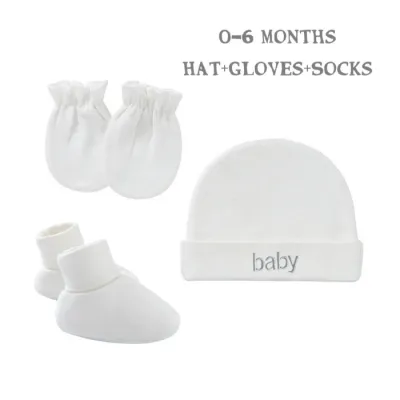
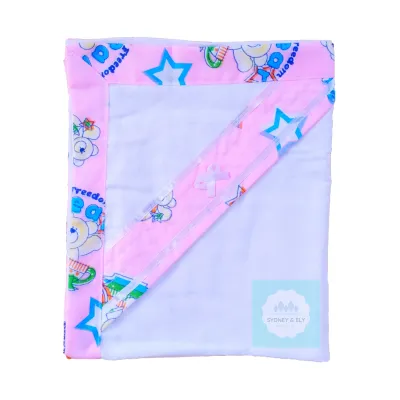
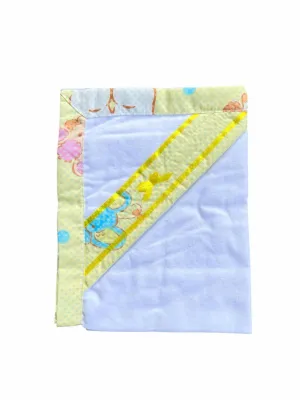
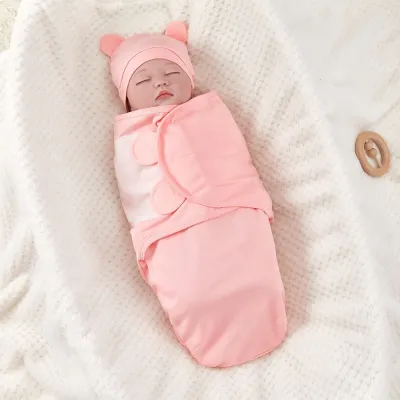
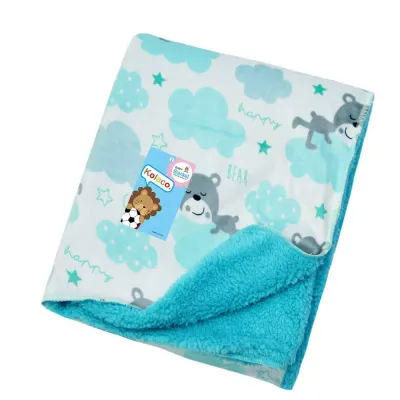
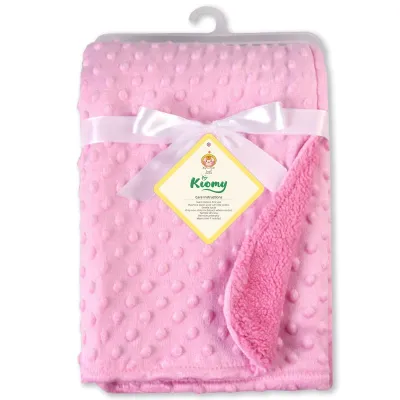
Prices are valid at publication and may change. Please refer to the product page for the latest price.
While fleece is highly effective at retaining heat, it behaves very differently from natural fibers when it comes to breathability and moisture regulation. Natural fibers like cotton, linen, and bamboo have hollow or porous structures that allow air to circulate freely and moisture to evaporate. In contrast, synthetic polyester fibers are solid and hydrophobic, meaning they do not absorb moisture. While some fleece fabrics are marketed as moisture-wicking because they do not hold water, they still create a barrier that can trap humid air and sweat close to the baby’s body, especially in closed or poorly ventilated spaces.
Before introducing any fleece product into your nursery, it is crucial to read the manufacturer’s product labels carefully. Check the exact material composition to confirm whether the item is 100% polyester or a synthetic blend. Look for specific age, weight, or height recommendations, as sleepwear must fit snugly to prevent safety hazards. Additionally, pay close attention to the care instructions; synthetic fleece can degrade, pill, or lose its flame-resistant properties if washed with fabric softeners or dried at high temperatures. Proper maintenance ensures the fabric remains safe and does not release loose fibers that your baby could inhale.
Key Safety Concerns: Overheating and Breathability
Overheating is one of the most critical safety concerns in an infant sleep environment, as it is a known risk factor associated with Sudden Infant Death Syndrome (SIDS). Infants have a limited ability to regulate their own body temperature. They do not sweat as efficiently as older children or adults, and their high surface-area-to-body-mass ratio means they can absorb environmental heat rapidly. When a baby is wrapped in synthetic fleece, the fabric’s high insulation capacity can cause their core body temperature to rise quickly, particularly if the room is not adequately cooled.

In tropical climates where ambient temperatures and humidity levels remain high year-round, the risk of overheating is a daily concern. If your nursery does not have continuous air conditioning, or if the indoor humidity prevents natural evaporative cooling, using heavy synthetic fleece can be highly risky. Parents must actively monitor the nursery’s ambient temperature using a reliable indoor thermometer. Rather than relying on how warm or cool the room feels to an adult, use objective temperature readings to guide your choice of sleepwear and bedding layers.
To keep your baby safe, you should perform regular, physical checks of their body temperature throughout the sleep period. Avoid checking their hands or feet, as peripheral circulation in infants is still developing, and cool extremities do not necessarily mean the baby is cold. Instead, gently place your hand on the baby’s chest or the back of their neck. If these areas feel hot to the touch, or if you observe physical signs such as damp hair, a sweaty chest, flushed skin, rapid breathing, or unusual restlessness, your baby is overheating. You must immediately remove the fleece layer, dress them in lighter clothing, or lower the room temperature to restore a safe sleeping environment.
Skin Sensitivity and Comfort Factors
An infant’s skin is incredibly delicate, thin, and highly susceptible to external irritants. Because synthetic fleece is made from non-porous polyester fibers, it does not absorb sweat. When a baby sleeps in a fleece garment or on a fleece sheet, any perspiration they produce remains trapped against their skin. This continuous contact with moisture, combined with the friction of the synthetic fibers as the baby moves, can easily lead to skin chafing, redness, and localized irritation.
In warm or humid conditions, this trapped moisture frequently triggers heat rash, also known as prickly heat. This condition occurs when sweat ducts become blocked, resulting in tiny, itchy red bumps that typically appear on the neck, chest, back, and in skin folds. If your baby is prone to eczema or has naturally sensitive skin, the heat-trapping nature of synthetic fleece can exacerbate these conditions, leading to painful flare-ups and disrupted sleep. Parents should inspect their baby’s skin regularly, especially after they have been sleeping in synthetic materials.
If you choose to use fleece sleepwear during cooler nights, you can minimize skin irritation by utilizing a breathable, natural-fiber base layer. Dressing your baby in a lightweight, 100% cotton onesie before putting on a fleece sleep sack creates a protective barrier. The cotton layer will absorb excess sweat and reduce direct friction between the synthetic polyester fibers and your baby’s skin. This simple layering technique helps keep the skin dry and comfortable, reducing the likelihood of rashes while still allowing you to use the fleece garment safely.
Safe Sleep Practices When Using Fleece
Adhering to strict safe sleep guidelines is essential when introducing any bedding materials into your baby’s crib or bassinet. The most critical rule established by pediatric health organizations is that loose blankets of any kind—including fleece throws, quilts, and receiving blankets—must never be placed in the sleep space of an infant under 12 months of age. Loose bedding poses a severe risk of accidental suffocation, strangulation, and entrapment if the fabric shifts and covers the baby’s nose and mouth during sleep.
To safely provide warmth without the risks of loose blankets, parents should use properly fitted wearable blankets or sleep sacks. These garments are designed to be worn over the baby’s regular sleepwear and secure snugly around the neck and armholes, ensuring the fabric cannot slip upward to cover the face. When selecting a fleece sleep sack, ensure it is the correct size for your baby’s current weight and height. A sleep sack that is too large can allow the baby’s head to slip inside the neck opening, creating a suffocation hazard, while one that is too small can restrict movement and cause discomfort.
Additionally, parents should familiarize themselves with the Thermal Overall Grade (TOG) rating system, which measures the thermal insulation of baby sleepwear. Fleece garments typically have higher TOG ratings, often ranging from 1.5 to 2.5 or more, making them suitable only for cooler room temperatures. Always check the product label for the TOG rating and the manufacturer’s temperature guidelines. Never layer a high-TOG fleece sleep sack over heavy pajamas, and always adjust the layers based on the actual temperature of the nursery to maintain a safe, comfortable sleep environment.
When to Choose Alternatives to Fleece
There are several clear scenarios where synthetic fleece should be avoided entirely in favor of safer, more breathable alternatives. If you live in a hot, humid climate, or if your baby’s nursery naturally runs warm without consistent air conditioning, fleece is simply too insulating for safe use. Furthermore, if your baby has been diagnosed with eczema, has highly sensitive skin, or is prone to excessive sweating during sleep, synthetic fabrics are highly likely to cause discomfort and skin irritation.
In these situations, natural-fiber alternatives are much better suited for baby bedding and sleepwear. Lightweight cotton, cotton muslin, and bamboo-derived fabrics are excellent choices that promote a safer sleep environment. Cotton is naturally breathable, allowing body heat to escape and air to circulate, while also absorbing moisture to keep the baby’s skin dry. Muslin is an exceptionally lightweight, open-weave cotton fabric that is ideal for warm climates. Bamboo fabrics are incredibly soft, highly breathable, and possess natural moisture-wicking properties that help regulate temperature effectively.
Ultimately, the key to a safe and comfortable sleep environment is adjusting your baby’s sleepwear layers based on the actual room temperature rather than relying on heavy, highly insulating materials. Layering lightweight, natural-fiber garments allows you to easily customize your baby’s warmth. For example, on a warmer night, a simple cotton onesie may be sufficient, while a cooler night might call for adding a lightweight cotton sleep sack. This flexible approach ensures your baby remains at a safe temperature without the risks associated with heavy synthetic fleece.
Frequently Asked Questions (FAQ)
Can I use a loose fleece blanket in my baby's crib?
No, you should never place a loose fleece blanket, or any loose bedding, in a crib or bassinet for a baby under 12 months old. Loose blankets can easily shift during sleep, posing a serious risk of suffocation or entrapment if they cover the baby’s nose and mouth. To keep your baby warm safely, use a fitted wearable blanket or sleep sack instead of loose bedding.
How do I know if my baby is too hot in a fleece sleep sack?
You can determine if your baby is overheating by checking the temperature of their chest or the back of their neck with your hand. If these areas feel hot to the touch, or if your baby has damp hair, flushed cheeks, or is breathing rapidly, they are too warm. If you observe these signs, immediately remove the fleece sleep sack, dress them in lighter clothing, or adjust the room’s temperature.
Is fleece safe for babies with eczema or highly sensitive skin?
Fleece can be problematic for babies with eczema or sensitive skin because synthetic polyester fibers trap heat and sweat against the skin, which can trigger flare-ups and irritation. If your baby has sensitive skin, it is best to avoid synthetic fleece or ensure they wear a 100% cotton base layer underneath to absorb moisture. If irritation persists, switch entirely to breathable natural fabrics like cotton or bamboo, and consult a pediatrician if skin issues do not resolve.

Community discussion
Share your experience or ask a question. Comments are reviewed before publication.