
Deciding what skincare products to use on a newborn is one of the earliest challenges parents face. In the warm, tropical climate of the Philippines, keeping a baby dry and comfortable is a constant priority. Many families traditionally reach for baby powder to combat sweat, friction, and heat rash. However, modern pediatric guidelines have raised significant questions about the safety of loose powders, leaving parents to wonder if popular brands like Enfant are safe for their newborns.
The safety of Enfant baby powder depends heavily on the specific formulation you choose and how you apply it. While traditional baby powders often relied on talcum powder, modern formulations have shifted toward plant-based alternatives to address health and safety concerns. Even with safer ingredients, the physical form of loose powder presents inherent respiratory risks for newborns that caregivers must carefully manage.
To make an informed decision for your baby, you must understand the difference between powder bases, recognize the respiratory vulnerabilities of newborns, and learn how to read product labels. By prioritizing proper application techniques and exploring alternative skincare methods, you can keep your baby comfortable while minimizing unnecessary risks.
Products mentioned in this guide
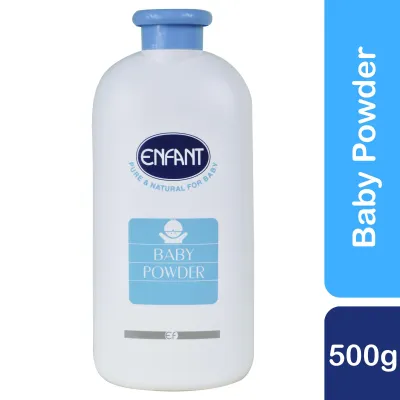
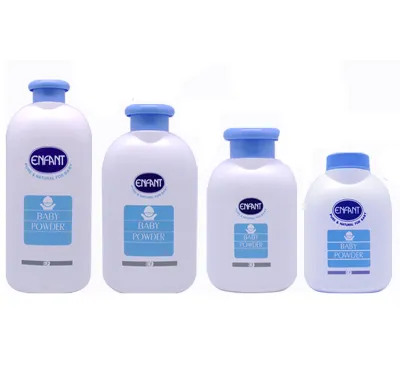
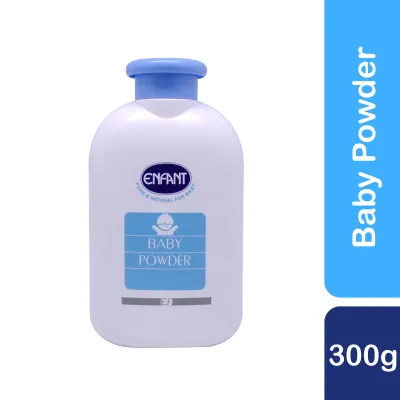
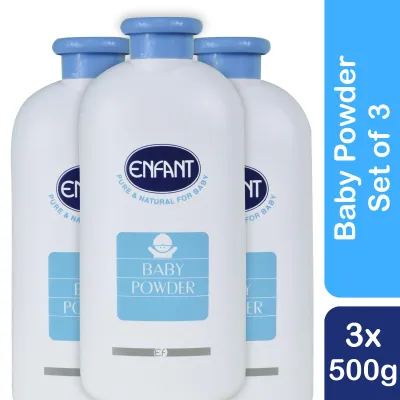
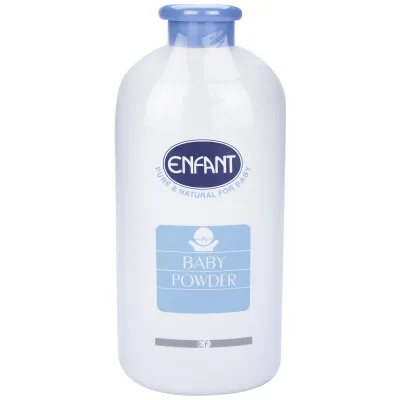
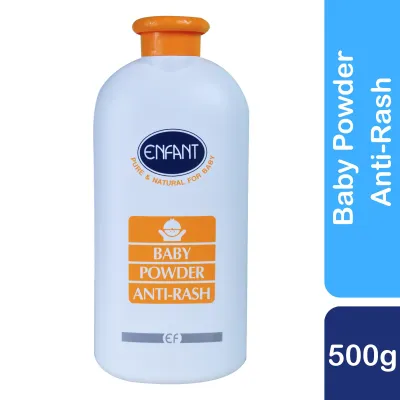
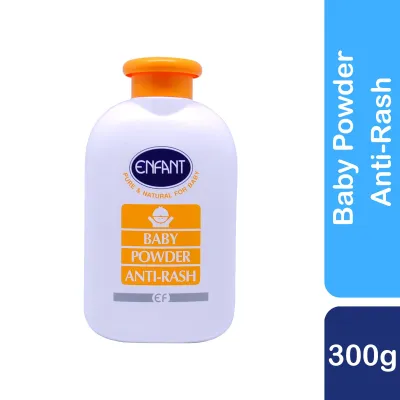
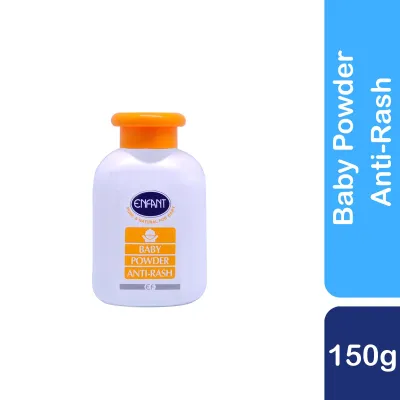
Prices are valid at publication and may change. Please refer to the product page for the latest price.
Understanding Baby Powder Ingredients: Talc vs. Cornstarch
To evaluate the safety of any baby powder, you must first look at its base ingredient. Historically, baby powders were made from talc, a naturally occurring mineral composed of magnesium, silicon, and oxygen. Talc is highly effective at absorbing moisture and reducing friction, which made it the standard ingredient in infant care for generations. However, because raw talc is mined from the earth, it can naturally occur in close proximity to asbestos, a known carcinogen. This geological overlap has led to widespread safety concerns regarding talc-based cosmetic products.
In response to these concerns and evolving safety standards, many pediatric organizations now strongly discourage the use of talc-based powders on infants. If inhaled, even asbestos-free talc particles are fine enough to settle deep within a baby’s lungs, potentially causing chronic respiratory irritation or long-term pulmonary issues. Consequently, the global baby care industry has largely transitioned toward plant-based alternatives, such as cornstarch, tapioca starch, and rice starch.
Cornstarch-based powders offer similar moisture-absorbing properties without the geological risks associated with talc mining. The starch particles are naturally larger than talc particles, making them slightly less prone to remaining suspended in the air, though they still require careful handling. Many modern Enfant product lines utilize cornstarch or other plant-based bases to provide a safer alternative for parents who prefer using powder.
To determine which base your specific bottle of Enfant baby powder uses, you must locate the active ingredient list on the back packaging. Do not rely solely on front-label marketing terms like “mild” or “gentle.” Turn the bottle over and look for “talc” or “talcum” versus “zea mays (corn) starch” or “tapioca starch” in the ingredient list to confirm exactly what you are applying to your newborn’s skin.
Pediatric Guidelines and Inhalation Risks for Newborns
Regardless of whether a baby powder is made from talc or cornstarch, pediatricians generally advise against using loose powders on newborns. The primary hazard is not always chemical; rather, it is physical. When you shake loose powder from a bottle, it creates a cloud of microscopic dust particles that easily disperse into the surrounding air, directly entering the baby’s breathing zone.

A newborn’s respiratory system is incredibly delicate, with tiny airways and developing lung tissue that are highly sensitive to airborne irritants. When an infant inhales these fine particles, the dust can bypass the natural filtration systems of the nose and upper airway. Once inside the lungs, the powder can cause inflammation, block small airways, and lead to respiratory distress.
Because of these inhalation risks, major pediatric associations recommend avoiding loose powders entirely during routine diaper changes. Newborns do not have the lung capacity or the protective reflexes to easily clear foreign particulates from their airways. Even a small, seemingly harmless cloud of powder can trigger a coughing fit or lead to more serious breathing complications over time.
As a caregiver, you must remain vigilant for any signs of respiratory irritation if powder has been used in your home. Immediate symptoms to watch for include coughing, sneezing, rapid or shallow breathing, and flared nostrils. If you notice your baby working harder to breathe, or if you observe chest retractions where the skin pulls in tightly around the ribs, discontinue powder use immediately and seek medical evaluation.
How to Verify Your Enfant Baby Powder Label
Before introducing any Enfant baby powder into your newborn’s care routine, you should perform a thorough label inspection. Manufacturers frequently update their formulations, meaning two bottles on the same shelf might contain different ingredients. Taking a few moments to verify the packaging ensures you are using the safest possible version of the product.
First, check the ingredient list to confirm the product is explicitly talc-free. Look for plant-based alternatives like cornstarch listed as the primary ingredient. If the label lists talc or talcum, it is best to avoid using it on a newborn altogether, given the strong pediatric consensus against talc use on infants.
Second, read the manufacturer’s specific age recommendations and warnings. Some formulations may include added fragrances, essential oils, or botanical extracts that are unsuitable for the highly sensitive skin of a newborn. Look for warnings that instruct you to keep the powder away from the baby’s face, nose, and mouth, as well as directions on proper application.
Finally, inspect the physical packaging for safety and quality control. Verify the expiration date and batch number printed on the bottle to ensure the product is fresh. In the humid climate of the Philippines, compromised packaging can allow moisture to seep into the bottle, creating a breeding ground for bacteria or mold. Ensure the safety seal is completely intact before opening the product for the first time.
Safe Application Practices to Minimize Risks
If you choose to use a talc-free Enfant baby powder to help manage moisture in your baby’s skin folds, you must adapt your application method to minimize the risk of inhalation. Traditional methods, such as shaking the bottle directly over the baby’s body, are highly discouraged because they generate immediate, concentrated clouds of dust.
The safest approach is the “pour into hands first” method. Step slightly away from your baby, shake a small amount of powder directly into your own palm, and gently pat your hands together to settle the dust. Once the powder is secure on your skin, gently pat it onto your baby’s skin folds. This technique keeps the particles contained and prevents them from becoming airborne near your baby’s face.
When applying the powder, keep it strictly confined to the lower half of the baby’s body. Focus on areas prone to moisture buildup, such as the diaper area and the outer thighs, while keeping the powder completely away from the baby’s face, neck, and upper chest. Never apply powder near the eyes, nose, or mouth, as this dramatically increases the likelihood of accidental inhalation.
Proper storage is also essential for maintaining a safe environment. Keep the powder container tightly closed when not in use and store it on a high shelf, completely out of reach of infants and older siblings. Toddlers are naturally curious and may accidentally squeeze or shake a bottle of powder, creating a hazardous dust cloud in the nursery.
When to Stop Using Powder and Safer Alternatives
You should immediately stop using baby powder if you observe any adverse reactions on your baby’s skin or in their breathing. Skin redness, tiny red bumps, or a worsening diaper rash are clear indicators that the powder may be irritating your newborn’s sensitive skin. Additionally, any coughing, wheezing, or unusual breathing patterns during or after application require you to cease use immediately.
It is a common misconception that baby powder is the best remedy for diaper rash. In reality, when loose powder mixes with sweat, urine, or moisture from wet wipes, it can cake and paste within the skin folds. This caked residue traps moisture against the skin and increases friction as the baby moves, which can actually trigger or worsen diaper dermatitis and fungal infections.
For safer diaper care, consider transitioning to barrier creams, ointments, or liquid-based lotions. Pediatricians widely recommend zinc oxide-based barrier creams or petroleum jelly to protect a newborn’s skin from moisture and friction. These products create a physical shield on the skin without posing any inhalation risks to your baby’s developing lungs.
The most effective way to prevent diaper rash is to keep the area clean and dry through simple hygiene practices. Change diapers frequently, clean the area gently with water or alcohol-free wipes, and allow the skin to air-dry completely before putting on a fresh diaper. If a skin rash or respiratory concern persists despite these adjustments, consult your pediatrician for professional guidance.
Frequently Asked Questions (FAQ)
Can I apply baby powder directly from the bottle?
No, you should never shake baby powder directly from the bottle onto your baby’s skin. Shaking the container creates an immediate cloud of fine airborne particles right above your baby, making it highly likely that they will inhale the dust. Instead, shake a small amount of powder into your own hands away from the baby, pat your hands together gently to minimize airborne particles, and then smooth it onto the baby’s skin.
What should I do if my baby accidentally inhales powder?
If your baby accidentally inhales baby powder, immediately move them to an area with fresh, clean air. Use a clean, damp cloth to gently wipe any excess powder away from their face, nose, and mouth. Monitor their breathing closely for several hours; if you notice persistent coughing, choking, rapid breathing, wheezing, or blue coloration around the lips, seek emergency medical attention immediately.
Are liquid powders a safer alternative to loose powders?
Yes, liquid powders are generally considered a much safer alternative to traditional loose powders. These products apply smoothly like a cream or lotion and dry into a soft, powdery finish on the skin, completely eliminating the risk of airborne dust inhalation. However, you should still check the ingredient label of any liquid powder to ensure it is free from harsh fragrances, alcohol, or other potential skin irritants before applying it to a newborn.

Community discussion
Share your experience or ask a question. Comments are reviewed before publication.