
During pregnancy, your body undergoes rapid changes, and your skin is often the first place to show them. As your belly expands, dryness, tightness, and itching can become daily discomforts. While E45 cream is a widely recognized household emollient, determining whether it is safe to use during pregnancy requires a careful look at its specific formulation and your individual health profile.
The short answer is that while basic, unfragranced moisturizers are generally considered low-risk during pregnancy, you must verify the exact ingredients of the specific tub or tube you own before applying it regularly. Because pregnancy alters your immune system and skin sensitivity, what worked for you previously might cause an unexpected reaction now. Always pause and consult your obstetrician, gynecologist, or a board-certified dermatologist before introducing any new skincare product to your prenatal routine.
Checking E45 Ingredients Against Pregnancy Skincare Guidelines
To ensure your peace of mind, the first step is to actively inspect the packaging of your product. Formulations can vary significantly depending on where the product was manufactured, when it was packaged, and whether it is a specialized variant of the classic cream. Never rely solely on online summaries or general product reviews; instead, locate the physical ingredient list printed on the back of your specific tube or jar.
Products mentioned in this guide
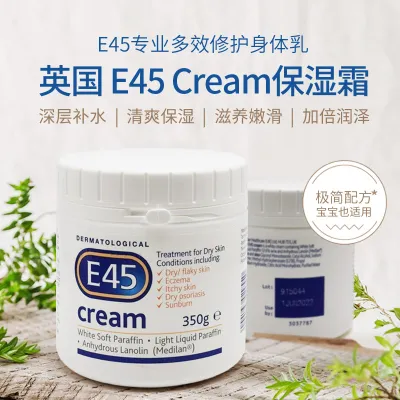
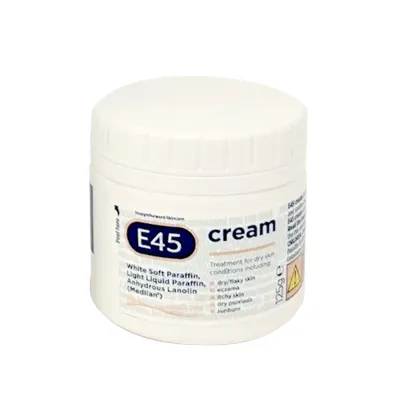
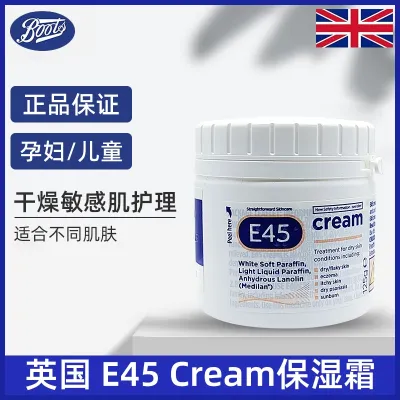
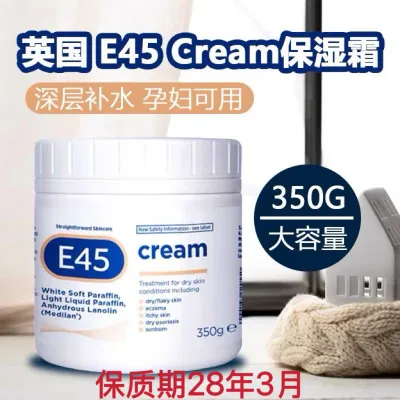
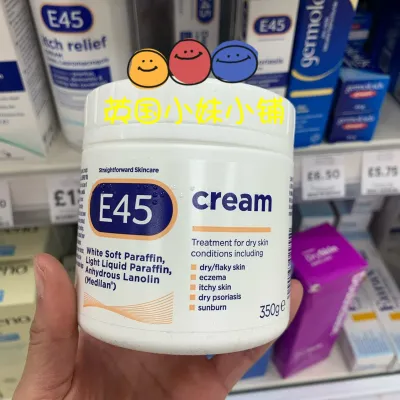
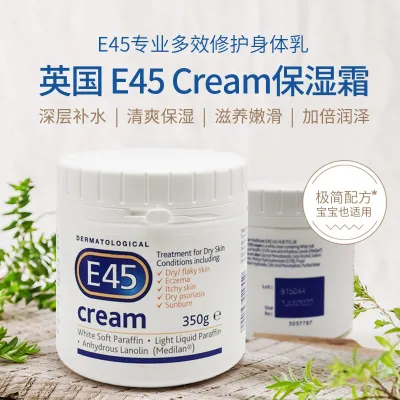
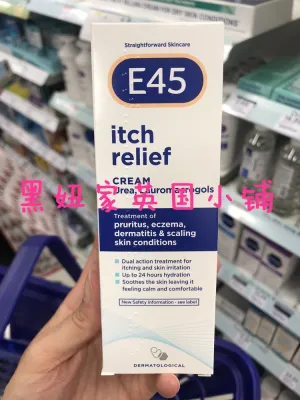
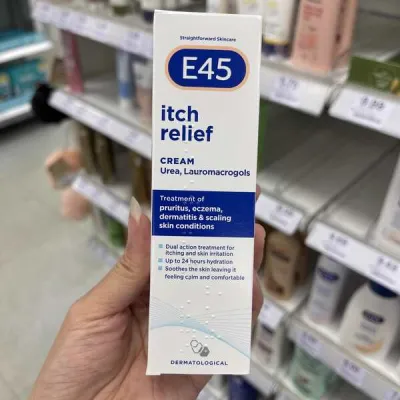
Prices are valid at publication and may change. Please refer to the product page for the latest price.
When reviewing the ingredients, cross-reference them with established pregnancy skincare guidelines. During pregnancy, certain active ingredients commonly found in dermatological products are restricted or advised against. For example, high-concentration chemical exfoliants, retinoids, and certain synthetic fragrances are typically avoided due to potential absorption or skin irritation risks. While standard E45 formulations are known for being simple, checking for any added active compounds, preservatives, or fragrance elements is a necessary safety step.
In tropical climates like the Philippines, imported skincare products may arrive from various global distributors, meaning the formulation sold in one local pharmacy might differ slightly from one purchased on an online marketplace. This regional variation makes physical label verification mandatory. Look closely for ingredients like lanolin, paraffin, or specific alcohols, and note if you have any pre-existing sensitivities to these components.
A highly practical approach is to take a clear, well-lit photograph of the ingredient list on your smartphone. During your next prenatal checkup, show this photo to your healthcare provider. They can quickly scan the list and give you personalized clearance based on your medical history, gestational stage, and any specific skin conditions you might be experiencing.
Best Practices for Applying Moisturizers to Your Pregnant Belly
Once your healthcare provider has cleared your moisturizer, adopting safe and mindful application habits will help you get the most out of the product while minimizing the risk of skin irritation. Your stretching belly skin is exceptionally delicate, requiring a gentle touch and the right environmental conditions to absorb moisture effectively.

Before applying any cream to your entire abdomen, always perform a localized patch test. Apply a small, coin-sized amount of the cream to an inconspicuous area, such as your inner forearm or the side of your lower leg. Wait at least 24 to 48 hours to observe if any redness, swelling, itching, or tiny bumps develop. If your skin remains clear, you can proceed with application on larger areas.
When moisturizing your belly, use gentle, upward circular motions with the flats of your fingers. Avoid applying heavy pressure or rubbing vigorously, as excessive friction can aggravate stretched, sensitive skin fibers. This gentle massage not only helps distribute the cream evenly but also provides a soothing, relaxing moment of self-care during your daily routine.
For optimal hydration, apply the cream immediately after a lukewarm shower while your skin is still slightly damp. In warm and humid tropical environments, hot water can strip your skin of its natural oils, making lukewarm water the ideal choice. Applying the moisturizer to damp skin helps lock in that surface water, creating a protective barrier that keeps your skin supple throughout the day without feeling excessively greasy or heavy.
Proper storage is equally critical to maintain the integrity of your skincare products. In warm, humid climates, storing creams in a cool, dry place away from direct sunlight is essential. Avoid leaving the jar in a hot bathroom or near a sunny window, as extreme heat can cause the emulsion to separate, degrading the active ingredients and potentially rendering the product ineffective or irritating to your skin.
Signs to Stop Use and When to Consult Your Obstetrician
Even if a product is generally considered gentle, pregnancy hormones can trigger sudden changes in how your skin reacts to topical applications. Being able to recognize the early signs of an adverse reaction allows you to protect your skin barrier and seek timely medical advice when necessary.
If you experience any of the following symptoms after applying the cream, stop using it immediately:
- Intense Redness or Flushing: A sudden change in skin color over the application area.
- Hives or Raised Welts: Itchy, swollen bumps that appear shortly after application.
- Severe Burning or Stinging: A persistent hot sensation that does not subside within a few minutes.
- Worsening Itchiness: An escalation of itching rather than the soothing relief you expected.
If an adverse reaction occurs, immediately wash the affected area with cool water and a mild, fragrance-free soap to remove any remaining product residue. Do not apply other creams, oils, or home remedies over the irritated skin, as this can complicate the reaction and make it harder for a doctor to diagnose the cause.
It is vital to distinguish between localized contact irritation and pregnancy-specific skin conditions. Conditions such as Pruritic Urticarial Papules and Plaques of Pregnancy (PUPPP) or intrahepatic cholestasis of pregnancy (which often presents as severe itching on the palms and soles) require professional medical diagnosis and treatment. If your skin discomfort persists, spreads beyond the application site, or is accompanied by systemic symptoms like nausea or fatigue, contact your obstetrician or dermatologist immediately.
Frequently Asked Questions (FAQ)
Does E45 cream prevent stretch marks during pregnancy?
No topical cream, including E45, is medically proven to completely prevent stretch marks. The development of stretch marks is primarily determined by genetics, your skin’s natural elasticity, and the rate at which your body and belly expand during pregnancy. While moisturizing creams are excellent for relieving the dry, tight, and itchy sensations associated with stretching skin, they work on the surface level. They cannot alter the deeper structural changes occurring in the dermis. Focus on using moisturizers to maintain skin comfort and hydration rather than expecting them to act as a preventative cure.
Can I use E45 cream on my face while pregnant?
While you can technically apply body moisturizers to your face, facial skin is generally much thinner, more sensitive, and more prone to clogged pores than the skin on your body. Pregnancy hormones can also increase sebum production, leading to prenatal breakouts. Before applying a rich emollient like E45 cream to your face, check the packaging to see if the specific variant is labeled as non-comedogenic (meaning it will not clog pores). If you are dealing with pregnancy-specific facial concerns like melasma or hormonal acne, it is best to consult a dermatologist for a targeted facial skincare routine.
What should I do if I experience itching after applying the cream?
If you experience itching after application, wash the area immediately with cool water and a mild, fragrance-free cleanser to remove all traces of the product. Avoid scratching the itchy skin, as this can break the skin barrier, increase inflammation, and introduce the risk of a secondary bacterial infection. Keep the area clean and dry. If the itching does not subside, spreads to other parts of your body, or is accompanied by a rash, contact your healthcare provider. They can evaluate whether the reaction is a simple contact sensitivity or a symptom of a pregnancy-related skin condition that requires medical management.

Community discussion
Share your experience or ask a question. Comments are reviewed before publication.