
Drapolene cream for baby is a widely recognized option for managing diaper rash, but its safety for newborns and infants with sensitive skin depends on careful label verification, ingredient checks, and proper application. Because a newborn’s skin barrier is exceptionally thin and highly permeable, caregivers must not assume any over-the-counter cream is universally safe. Instead, safety is verified by reading the manufacturer’s age indications, checking the ingredient list for potential allergens, and conducting a localized patch test.
In tropical environments like the Philippines, high humidity and heat can exacerbate skin friction and trap moisture under diapers. This makes the choice of diaper cream and the method of application critical. While barrier creams help protect the skin from wetness and irritants, improper use or an undetected sensitivity to specific ingredients can worsen skin irritation rather than soothe it.
How to Verify if Drapolene Is Suitable for Your Newborn
When selecting a drapoline cream for baby, the first line of defense is the physical packaging and the manufacturer’s official product insert. Do not rely solely on general online marketing or peer recommendations. Look closely for explicit age-suitability statements, such as “suitable from birth” or “safe for newborns.” If the packaging does not clearly state that it is safe for infants under a certain age, or if it lacks specific pediatric guidelines, consult a healthcare professional before applying it to a newborn.
Products mentioned in this guide
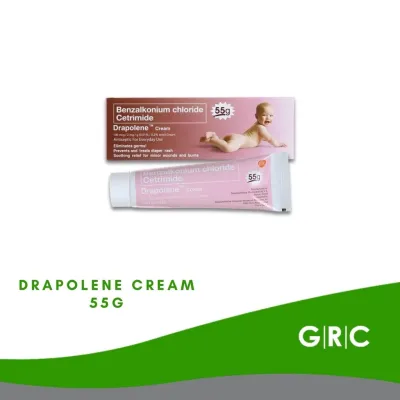

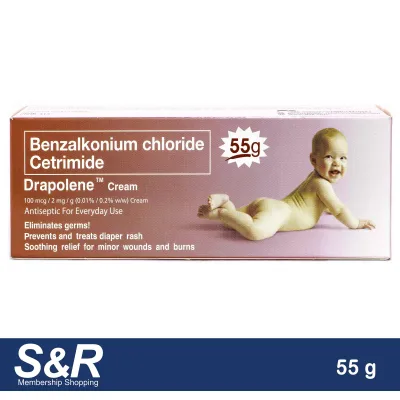
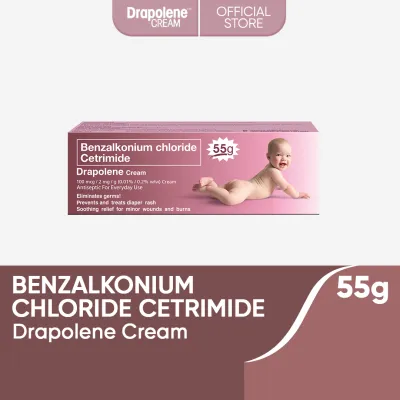
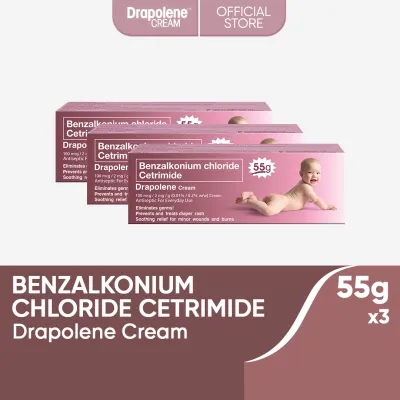
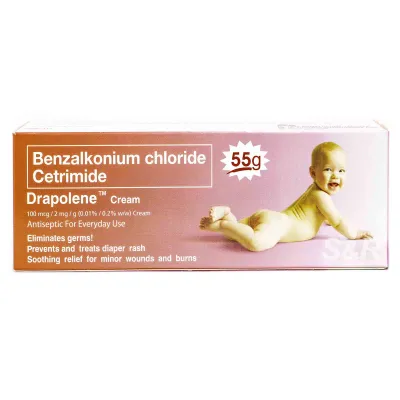
Prices are valid at publication and may change. Please refer to the product page for the latest price.
Many diaper creams feature labels such as “pediatrician-tested” or “dermatologically tested.” It is important to understand what these claims actually mean. These labels indicate that the formulation has undergone evaluation under the supervision of specialists to assess its skin compatibility. However, they do not guarantee a complete absence of allergic reactions for every individual baby. They simply mean the product has met specific clinical testing protocols for mildness, which reduces the likelihood of irritation but does not eliminate the need for parental vigilance.
Additionally, caregivers must verify the exact product variant they have purchased. Brands often manufacture multiple formulations under similar names, such as standard, sensitive, antiseptic, or extra-strength versions. The active ingredients, preservatives, and bases can vary significantly between these variants. For instance, a standard antiseptic cream may contain different active agents than a daily preventive barrier cream. Always read the precise ingredient list on the specific tube in your hand to ensure you are not applying an extra-strength or medicated formula when a mild, daily barrier is what your newborn’s skin requires.
Ingredient Checks and Precautions for Sensitive Skin
To safeguard a baby with sensitive skin, caregivers must become familiar with reading the ingredient panel. Traditional diaper creams often rely on soothing barrier agents like zinc oxide, white soft paraffin, or liquid paraffin to create a physical shield against moisture and acidic waste. However, some formulations also include active antiseptic agents, such as benzalkonium chloride and cetrimide, which help prevent bacterial growth. While these ingredients are effective for treating minor skin infections or moderate diaper rash, sensitive skin may react to them, especially if the skin barrier is already compromised.

Caregivers should also scan the label for potential irritants. Added fragrances, colorants, parabens, and certain alcohol-based preservatives are common culprits behind contact dermatitis in infants. If your baby has a history of eczema or highly reactive skin, choosing a fragrance-free and hypoallergenic formulation is essential. Even natural ingredients, such as lanolin (which is often used for its emollient properties), can occasionally trigger allergic reactions in babies with extremely sensitive skin.
Before applying any new drapoline cream for baby to the diaper area, performing a localized patch test is a highly recommended safety measure. To do this, select a small, unaffected area of your baby’s skin, such as the inner forearm or the side of the thigh. Apply a very thin layer of the cream to this spot. Ensure the area remains clean and dry, and avoid putting tight clothing or diapers directly over the test patch to prevent artificial friction.
Observe the test area closely over a 24-hour window. Check the spot periodically for any subtle signs of a localized reaction. Look for redness, swelling, warmth to the touch, tiny bumps, or signs of discomfort when the area is gently touched. If any of these signs appear, wash the cream off immediately with lukewarm water and do not use the product again. If the skin remains completely clear and normal after 24 hours, you can proceed with applying the cream to the diaper area with greater confidence.
Safe Application Practices and Diaper Care Boundaries
Even the safest diaper cream can cause issues if applied incorrectly. Proper skin preparation is the foundation of effective diaper care, especially in warm, humid climates where sweat and moisture accumulate rapidly. Before applying any cream, ensure the diaper area is thoroughly cleaned using mild, fragrance-free wipes or, preferably, lukewarm water and a soft cloth. Once clean, pat the skin completely dry with a clean towel. Never rub the skin, as friction can damage the delicate epidermal barrier. Allow the skin to air-dry for a few moments before proceeding.
When applying the drapoline cream for baby, thickness matters. A common mistake is applying a thick, heavy layer of cream in the belief that more product equals better protection. In reality, an excessively thick layer can trap heat and residual moisture against the skin, creating an ideal environment for irritation and fungal growth. It can also rub off onto the diaper, clogging the fabric or lining and reducing its ability to absorb liquid. Instead, apply a thin, even layer that lightly covers the vulnerable areas, acting as a breathable shield.
Integrate the cream mindfully into your daily diapering routine. It is not always necessary to apply a barrier cream at every single diaper change if the skin is healthy and clear. Instead, focus application during times when the baby is most vulnerable, such as before bedtime or long naps when the diaper will be worn for an extended period. During daytime changes, especially in hot weather, it is often beneficial to clean the area and leave the skin bare for a few minutes to allow it to breathe fully, applying the cream only when early signs of redness appear or as a protective measure during high-risk periods.
When to Stop Using the Cream and Consult a Pediatrician
While barrier creams are excellent for managing mild irritation, caregivers must recognize when a skin condition has progressed beyond the scope of home care. Immediate stop conditions include any signs of an adverse reaction to the cream itself. If you notice worsening redness, swelling, blistering, peeling, or if your baby shows signs of extreme discomfort, crying, or squirming during application, stop using the product immediately. Wash the area gently with plain water and seek medical advice.
It is also crucial to differentiate between standard irritant diaper rash and other types of skin infections. Standard diaper rash typically presents as flat, red patches on the areas of the skin that directly touch the diaper. In contrast, a fungal (yeast) infection often features bright red, raised patches with distinct borders and small “satellite” spots spreading outward into the skin folds. Bacterial infections may present with pus-filled blisters, oozing, or golden crusts. Standard barrier creams cannot treat fungal or bacterial infections; in fact, applying thick occlusive creams over a yeast infection can trap the organisms and make the infection significantly worse.
Establish a clear timeframe for monitoring the rash. If you have been practicing careful diaper hygiene—frequent changes, thorough drying, air-drying, and applying a mild barrier cream—and the rash does not show noticeable improvement within two to three days, it is time to consult a pediatrician. Additionally, if the baby develops a fever, if the rash spreads beyond the diaper area, or if the skin begins to bleed or ooze fluid, seek professional medical care immediately. A pediatrician can accurately diagnose the underlying cause and prescribe targeted treatments, such as mild antifungal or antibacterial ointments, to safely resolve the issue.
Frequently Asked Questions (FAQ)
Can I use Drapolene on my baby's face or other body parts?
Diaper creams, including Drapolene, are specifically formulated to be thick, heavy, and occlusive to withstand the wet environment of a diaper. Applying these heavy formulations to a baby’s delicate facial skin can easily clog pores, trap sweat, and lead to localized irritation or baby acne. Facial skin is much thinner and more sensitive than the skin on the bottom. If your baby has a facial rash, dry patches, or eczema on their cheeks, avoid using diaper barrier creams unless specifically directed by a pediatrician. Instead, look for lightweight, fragrance-free moisturizers or pediatric creams formulated specifically for facial use, and always consult your doctor if facial irritation persists.
Is it safe to use Drapolene with cloth diapers?
Using thick barrier creams containing zinc oxide, petroleum, or heavy paraffin bases can pose challenges when using cloth diapers. These ingredients are designed to repel moisture, which is excellent for protecting your baby’s skin but highly problematic for cloth diaper fabrics. Over time, the cream can transfer onto the cloth fibers, creating a stubborn, water-repellent buildup that causes the diaper to leak rather than absorb liquid. If you choose to use Drapolene while cloth diapering, it is highly recommended to use a disposable or reusable fleece liner to protect the diaper fabric. Alternatively, verify the washability of the cream or use a cloth-safe, water-soluble diaper cream during your cloth-diapering routine to maintain the absorbency and longevity of your diapers.

Community discussion
Share your experience or ask a question. Comments are reviewed before publication.