
Determining whether the Dr. Isla mouth cleaner—or any infant oral hygiene product—is safe for your baby requires a careful inspection of its specific packaging, ingredient list, and age-appropriate design. Because infants cannot spit out oral care products, everything used in their mouths will inevitably be swallowed, making ingredient transparency your highest priority.
In warm, humid climates like the Philippines, milk residue left on a baby’s tongue or gums can quickly become a breeding ground for bacteria and yeast, leading to conditions like oral thrush. While keeping your baby’s mouth clean is essential for their comfort and health, you must verify that the tools and cleaners you use are specifically formulated for their exact developmental stage.
Dr. Isla is a popular brand available on various online marketplaces, offering products like silicone finger brushes, oral gauze swabs, and baby toothpastes. However, because product formulations can change and different sellers may offer varying versions, you should never assume a product is safe based on the brand name alone. Instead, you must learn how to audit the physical label and match the product to your baby’s developmental milestones.
Products mentioned in this guide
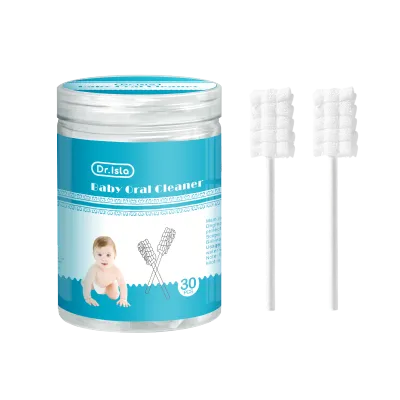
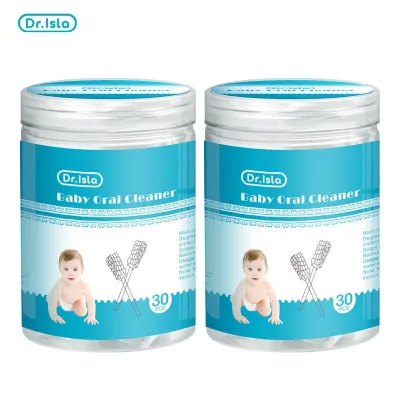
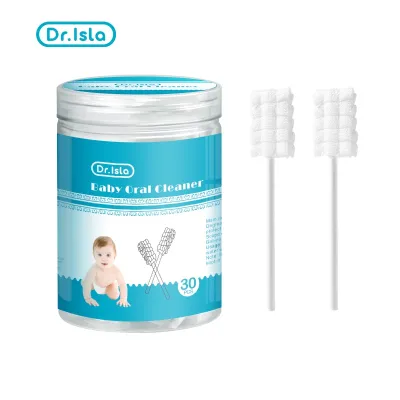
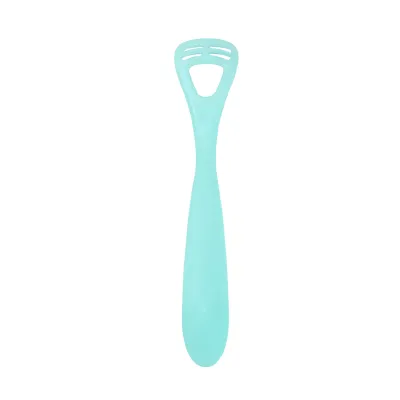
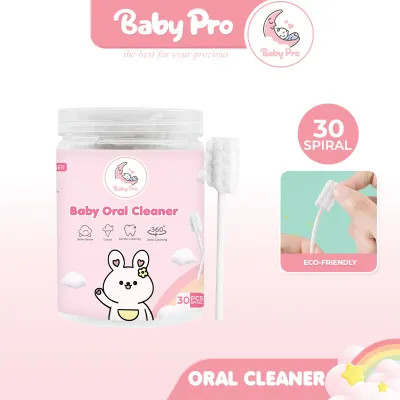
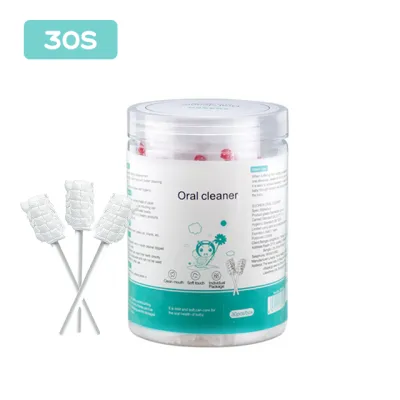
Prices are valid at publication and may change. Please refer to the product page for the latest price.
Understanding Baby Oral Care Safety Standards
Infants have incredibly delicate oral tissues and undeveloped swallowing reflexes, making adult oral care products entirely unsuitable. Adult formulations often contain high concentrations of active ingredients, strong flavorings, and foaming agents that can irritate an infant’s mouth or cause systemic issues if swallowed. Even products designed for older toddlers who can spit are often unsuitable for newborns.
When evaluating any oral care product, verify the manufacturer’s age recommendations and developmental milestones printed on the packaging. These guidelines correspond to specific stages, such as the emergence of the first tooth. For instance, a textured silicone finger brush might be excellent for massaging sore gums during teething, but a disposable cotton gauze swab is more appropriate for cleaning a newborn’s tongue after feeding.
Since you cannot personally test the chemical composition of a mouth cleaner, rely on verifiable regulatory marks and certifications. Look for indications that the materials used—especially in physical cleaning tools like silicone brushes or gauze—are food-grade, BPA-free, and non-toxic. Be cautious of products purchased from online marketplaces that lack clear, traceable manufacturer details, as substandard baby products can pose choking or chemical hazards.
Key Ingredients to Check on the Label
The back of the packaging is your most reliable tool for verifying safety. Understanding what goes into your baby’s mouth cleaner allows you to make informed decisions and protect their developing system from unnecessary chemical exposure.

Ingredients to Avoid in Baby Oral Care
Sodium Lauryl Sulfate (SLS) is a common foaming agent used in adult toothpastes to create a satisfying lather, but it can cause painful canker sores and dry out the delicate oral mucosa of an infant. Artificial sweeteners, synthetic dyes, and strong chemical preservatives should also be avoided, as they serve no therapeutic purpose for an infant and can introduce unnecessary chemical exposure.
While fluoride is a cornerstone of cavity prevention in older children, non-spitting infants require extreme caution. Ingesting too much fluoride during early development can lead to dental fluorosis, which affects the appearance of permanent teeth. Pediatric guidelines generally recommend avoiding fluoride-containing cleaners or toothpastes until a child is old enough to spit, or using only a tiny, smear-sized amount under strict professional guidance once teeth emerge.
Alcohol is sometimes used as a preservative in adult formulations but should never be present in baby oral care. Parabens, used to extend shelf life, are potential endocrine disruptors that have no place in infant products. Additionally, harsh abrasives like silica or calcium carbonate, which help scrub away stains on adult teeth, can wear down the thin, developing enamel of baby teeth.
Common Safe and Gentle Ingredients
Safe baby mouth cleaners often utilize gentle, plant-derived ingredients or simple purified water. Xylitol, a natural sugar alcohol derived from plants, is frequently included in baby oral gels because it helps inhibit the growth of cavity-causing bacteria without raising blood sugar or causing tooth decay. However, even safe ingredients must be used in highly controlled, minimal amounts.
Ingredients in infant oral care should ideally meet food-grade standards, meaning they are safe to ingest in the tiny quantities expected during a normal cleaning routine. Soothing botanical extracts, such as chamomile or calendula, are sometimes added to comfort teething gums, but you must verify that your baby does not have an individual sensitivity to these plants.
It is vital to remember that marketing terms like “all-natural” or “organic” are not strictly regulated in many regions and do not guarantee safety. A product labeled “natural” can still contain essential oils or herbal extracts that are too strong for an infant’s sensitive digestive and immune systems. Always cross-reference the actual ingredient list with recommendations from trusted pediatric dental associations.
How to Evaluate Dr. Isla Mouth Cleaner Specifically
When your Dr. Isla mouth cleaner arrives from an online marketplace, do not discard the outer box immediately. Locate the full ingredient list, the expiration date, and the batch or lot number. If the packaging lacks an ingredient list in a language you can read, or if the text is blurry and incomplete, do not use the product. In the humid climate of the Philippines, checking the expiration date is particularly crucial, as high heat and moisture can accelerate the degradation of preservatives, leading to bacterial contamination inside the tube or package.
If the front of the packaging claims the product is “fluoride-free” or “safe for newborns,” turn the box over and verify these claims against the actual ingredient list. Ensure there are no hidden chemical names that contradict these marketing promises.
Visit the official brand channels or contact their customer service to request a complete Safety Data Sheet (SDS) or documentation of pediatric safety testing. Reliable brands should be transparent about their manufacturing standards and material sourcing, especially for products designed to go inside a baby’s mouth.
Before introducing any new oral cleaner to your baby’s routine, take a photo of the ingredient list and show it to your healthcare provider. They can provide personalized advice based on your baby’s age, health history, and specific dental development.
Safe Usage Practices and When to Stop
Always wash your hands thoroughly with soap and clean water before touching your baby’s mouth or any cleaning tools. If using a disposable gauze swab, ensure it is securely wrapped around your finger or firmly attached to its paper handle so it cannot slip off and become a choking hazard. Use only the tiniest amount of oral cleaner—no larger than a grain of rice—and gently wipe the gums, tongue, and inside of the cheeks. Never leave your baby unattended with any oral care product, including silicone finger brushes, which can easily be swallowed or cause gagging if pushed too far back.
Monitor your baby closely during and after each cleaning session. Look for signs of oral irritation, such as redness on the gums or inner cheeks, swelling of the lips or tongue, or a sudden reluctance to feed. An infant who suddenly cries, pulls away, or refuses their bottle or breast after a cleaning may be experiencing discomfort or an allergic reaction to an ingredient in the cleaner.
If you observe any signs of an allergic reaction, such as hives, swelling, or difficulty breathing, stop using the product immediately and seek emergency medical care. For mild irritation or persistent redness, discontinue use and consult your pediatrician or a pediatric dentist to identify the cause and find a safer alternative.
Store all baby oral care products in a cool, dry place, safely out of reach of children. In the Philippines, the high ambient humidity can encourage mold growth on damp silicone brushes or inside storage cases. Always dry silicone brushes completely after washing them with warm, soapy water, and store them in a well-ventilated container. Keep tubes of oral gel tightly capped to prevent contamination and accidental ingestion by curious toddlers.
Frequently Asked Questions (FAQ)
When should I start using a mouth cleaner for my baby?
You can begin caring for your baby’s oral health long before their first tooth emerges. Pediatric dentists generally recommend gently wiping your newborn’s gums with a clean, damp, soft cloth or a sterile gauze swab after feedings to remove milk residue. This practice not only keeps the mouth clean but also helps your baby get used to the sensation of oral cleaning, making the transition to a toothbrush much easier later on. Once the first tooth erupts—usually around six months of age—you can transition to a soft-bristled baby toothbrush or an age-appropriate silicone brush, using a tiny smear of baby-safe, fluoride-free cleaner if recommended by your pediatrician.
Can I use regular toothpaste if I run out of baby mouth cleaner?
No, you should never use regular adult toothpaste or even toothpaste formulated for older children for an infant. Regular toothpastes contain levels of fluoride, foaming agents, and strong mint flavorings that are highly unsuitable and potentially dangerous for a baby who cannot spit. Ingesting adult toothpaste can cause severe stomach upset and, over time, lead to dental fluorosis. If you run out of your dedicated baby mouth cleaner, simply use a clean cloth or gauze dampened with cooled, boiled water to clean your baby’s gums and teeth until you can purchase a proper, age-specific replacement.

Community discussion
Share your experience or ask a question. Comments are reviewed before publication.