
Caring for your baby’s oral health begins long before their first tooth emerges. While milk is the primary source of nutrition for infants, it can leave a persistent white residue on their delicate tongues that may lead to bacterial buildup or discomfort. Choosing a safe tongue cleaner for your baby requires a careful balance of material safety, age-appropriate design, and structural integrity. By understanding what to look for, you can establish a gentle, stress-free oral hygiene routine that protects your little one’s developing mouth.
Evaluating oral care products can feel overwhelming with so many options available on the market. A safe and effective tongue cleaner must align with your baby’s developmental stage, be made from verified non-toxic materials, and feature a design that prevents choking or tissue irritation. This guide breaks down the essential criteria for evaluating materials, matching designs to specific age groups, and verifying product claims so you can confidently build a shortlist of safe oral care tools for your infant.
Understanding the Basics of Infant Oral Hygiene
Many parents wonder when it is necessary to start cleaning a baby’s mouth. In the early months, milk residue from breastmilk or formula frequently accumulates on the tongue, appearing as a thin white coating. While this is generally harmless, regular cleaning helps maintain a fresh oral environment and prepares your baby for future tooth brushing habits.
Products mentioned in this guide
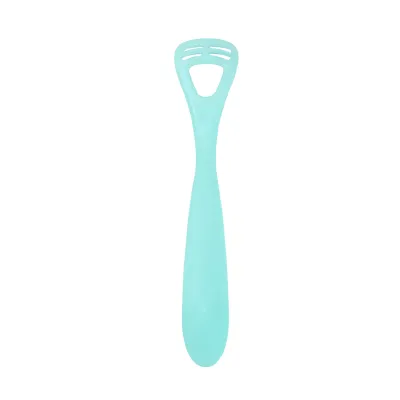
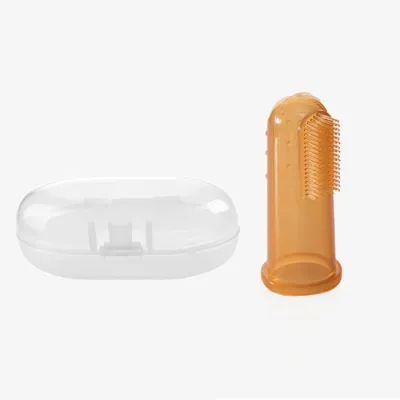
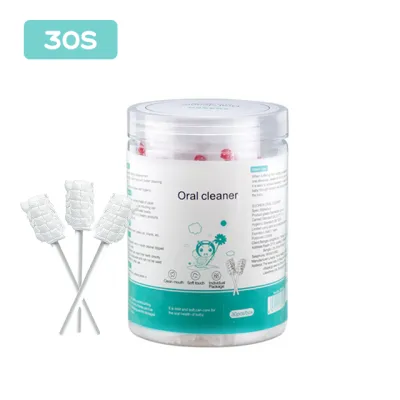

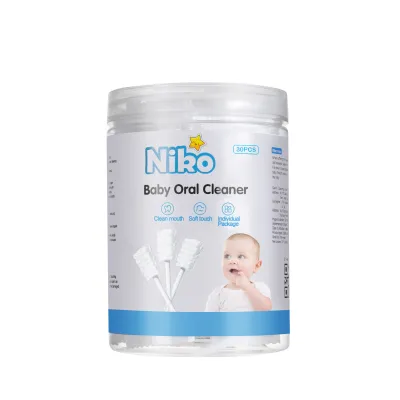
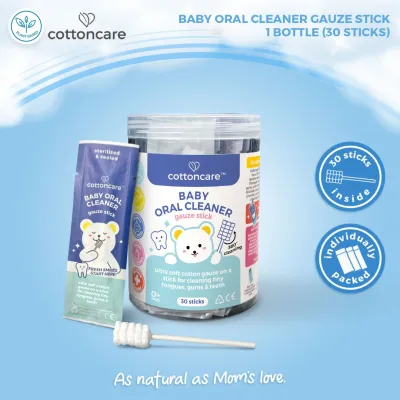
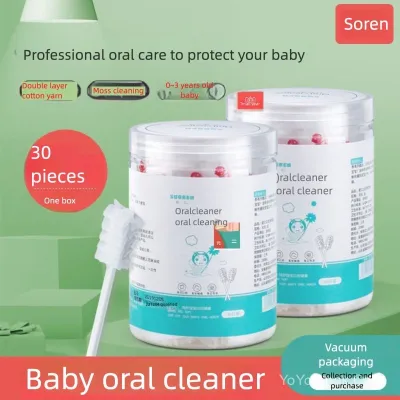
Prices are valid at publication and may change. Please refer to the product page for the latest price.
It is important to distinguish simple milk buildup from oral thrush, which is a common fungal infection. Milk residue can usually be wiped away gently with a damp cloth, whereas oral thrush presents as thick, cottage-cheese-like patches on the tongue, inner cheeks, and gums that do not wipe away easily and may bleed if rubbed. If you suspect oral thrush or notice any persistent redness, swelling, or bleeding, you should pause home oral care and consult a pediatrician or pediatric dentist for a proper diagnosis.
As your baby grows, their oral care needs change significantly. A newborn’s mouth is highly sensitive and toothless, requiring the gentlest touch and minimal friction. Once teeth begin to emerge and solid foods are introduced, the oral environment becomes more complex, requiring tools that can clean both the tongue and the new teeth without irritating sore, teething gums.
Evaluating Material Safety and Certifications
When selecting any product that goes into your baby’s mouth, material safety is the absolute priority. Look for products explicitly labeled as food-grade silicone, BPA-free, and phthalate-free. These labels indicate that the materials do not contain common harmful chemicals that could leach into your baby’s system during use.

Understanding the difference between medical-grade and standard food-grade materials can help you make an informed choice. Medical-grade silicone undergoes more rigorous biocompatibility testing than standard food-grade silicone, making it highly resistant to bacterial growth and chemical degradation. While food-grade silicone is perfectly safe for daily oral hygiene, medical-grade options offer an extra layer of quality assurance.
Be vigilant for red flags when browsing product listings on online marketplaces. Vague material descriptions, such as “soft plastic” or “synthetic rubber” without specifying the exact polymer, are major warning signs. Additionally, if a product arrives with a strong chemical or plastic odor upon unboxing, discontinue use immediately, as this often indicates poor manufacturing standards or the presence of volatile organic compounds.
Some parents prefer natural alternatives, such as organic cotton wipes or natural rubber cleaners. Organic cotton is highly gentle and biodegradable, but it requires meticulous washing and thorough drying to prevent mold growth. Natural rubber is soft and flexible, but you must verify that your baby does not have a latex allergy before introducing it, as natural rubber contains proteins that can trigger allergic reactions.
Matching the Cleaner to Your Baby's Developmental Stage
To ensure both safety and comfort, you must match the tongue cleaner to your baby’s current developmental stage. Babies progress rapidly from a pre-teething, exclusively milk-fed stage to active teething, and finally to transitioning to solid foods. Each of these milestones requires a different approach to oral hygiene.
During the pre-teething stage, the focus is on gentle wiping of the tongue and gums. As teething begins, the gums become highly sensitive, swollen, and tender; during this time, babies benefit from soft, textured surfaces that provide a soothing massage while cleaning. Once solid foods are introduced, a more structured cleaning surface is needed to effectively sweep away food particles.
Sizing is another critical factor that parents often overlook. The cleaning head must be small enough to fit comfortably inside your baby’s mouth without touching the back of the throat. A tool with an oversized head will crowd the mouth, cause physical discomfort, and trigger a strong gag reflex, making the cleaning process difficult and stressful for both you and your baby.
Newborns to 6 Months: Wipes and Finger Cots
For infants under six months of age, the safest and most effective options are sterile oral wipes or silicone finger cots. Finger cots are small, textured sleeves made of soft silicone that fit snugly over a parent’s index finger. This design allows you to use your own finger to gently feel and control the pressure applied to your baby’s delicate oral tissues.
Long-handled tools are generally unsuitable and potentially hazardous for newborns. Infants at this stage have a highly sensitive gag reflex located near the front of the tongue. A long-handled brush or scraper can easily slide too deep into the mouth, causing sudden gagging, choking, or minor throat trauma if the baby moves unexpectedly.
When using a finger cot, proper fit and supervision are paramount. Ensure the cot fits tightly on your finger so that it cannot slip off inside the baby’s mouth, which presents a severe choking hazard. Always store these tools safely out of reach of children, and never allow an infant to hold or play with a finger cot independently.
6 Months and Older: Soft Brushes and Transition Tools
As your baby reaches the six-month mark, starts showing signs of teething, or begins transitioning to solid foods, you can introduce handled transition brushes. These tools typically feature ultra-soft silicone bristles on one side and a textured scraping surface on the other, allowing you to clean both the tongue and emerging teeth.
Introducing a handled cleaner requires patience to avoid irritating the gums or triggering a strong gag reflex. Start by letting your baby hold the tool under close supervision to get used to its texture. When cleaning, use very light, sweeping motions from the middle of the tongue forward, avoiding the sensitive back area of the mouth entirely.
This is also the stage to retire finger cots in favor of handled tools. As babies develop teeth, they naturally begin to bite down on objects. A biting baby can cause pain or injury to a parent’s finger inside a thin silicone cot. Transitioning to a handled brush with a built-in safety shield protects your fingers while allowing you to guide the cleaning process safely.
Critical Design Features for Safety and Usability
When evaluating handled tongue cleaners, certain structural design features are non-negotiable for safety. The most critical of these is a built-in choke guard or physical shield. This wide, circular barrier is positioned just below the cleaning head, physically preventing the tool from being inserted too deeply into the baby’s mouth.
An ergonomic, non-slip grip is equally important for usability. Parents often have wet hands during bath time or oral care routines, making slick plastic handles difficult to control. Look for handles made with textured silicone or rubberized grips that allow you to maintain a firm, steady hold, minimizing the risk of accidental slips.
Additionally, prioritize one-piece constructions over multi-part designs. Tools with detachable heads, glued components, or small decorative parts can easily break apart over time due to wear, sterilization heat, or biting. A single, solid piece of molded silicone eliminates the risk of small parts detaching and becoming life-threatening choking hazards.
Building Your Shortlist and Verifying Product Claims
Before making a purchase, it is wise to establish a systematic verification process to ensure the product you choose is genuine and safe. Start by carefully reading the product packaging and manufacturer specifications. Verify that the packaging clearly lists the manufacturer’s name, contact information, age recommendations, and specific material compositions.
Cross-reference the seller’s claims with official brand websites or authorized retailers. Counterfeit or substandard baby products are common on major online marketplaces, often using copied images and false safety claims. If a brand does not have an official website or verified retail partners, it is safer to choose a different, well-established brand.
If you have doubts about a product’s safety, do not hesitate to contact the manufacturer’s customer service. Ask specific questions regarding their material sourcing, compliance with international safety standards, and approved sterilization methods. A reputable company will readily provide clear, detailed answers and safety documentation.
Finally, take the time to evaluate user reviews, paying close attention to negative feedback. Look for recurring complaints regarding rapid material degradation, bristles shedding, or the choke guard slipping out of place. While high-quality oral care sets may range from ₱150 to ₱500, prioritizing verified safety features over a low price tag is essential for your peace of mind.
Proper Cleaning, Sterilization, and Replacement
Maintaining the hygiene of your baby’s tongue cleaner is just as important as choosing the right one. Always consult the manufacturer’s instructions before applying heat to the tool. While most high-quality silicone products can withstand boiling, steam sterilization, or top-rack dishwasher cycles, some materials may warp or degrade under high temperatures.
In tropical climates with high humidity, such as the Philippines, mold and bacterial growth can occur rapidly on damp surfaces. After cleaning and sterilizing, ensure the tool is dried thoroughly. Store the tongue cleaner in a clean, dry, and well-ventilated area, avoiding closed plastic travel cases or damp bathroom countertops where moisture can trap bacteria.
Regularly inspect the tongue cleaner before every single use for any signs of wear and tear. Look closely for micro-tears in the silicone, frayed or loose bristles, discoloration, or a sticky texture. If you detect any of these changes, discard the tool immediately and replace it, as damaged surfaces can harbor bacteria or break off during use.
Frequently Asked Questions (FAQ)
Can I use a regular adult or toddler tongue scraper for my baby?
No, you should never use an adult or toddler tongue scraper on an infant. Adult and toddler scrapers are designed for larger oral cavities and are typically made of rigid plastics or metals with sharp, firm edges. Using these tools on a baby can easily scratch or bruise their highly delicate oral tissues, damage the tiny taste buds, and trigger a severe gag reflex or choking episode. Always stick to tools specifically sized and designed for infants.
How often should I clean my baby's tongue?
Generally, cleaning your baby’s tongue once or twice a day is sufficient to maintain good oral hygiene. Many parents find it easiest to incorporate this into their daily routine, such as during bath time or right before bed. Always pay close attention to your baby’s comfort; if you notice any redness, irritation, or if your baby shows signs of distress, reduce the frequency or consult your pediatrician for guidance.
What should I do if my baby gags during tongue cleaning?
If your baby gags, stop the cleaning process immediately to prevent distress or vomiting. Adjust your technique by cleaning only the front half of the tongue, using extremely light, gentle pressure, and avoiding the back of the mouth entirely. If you are using a handled brush, try switching back to a soft silicone finger cot or a damp, warm cotton wipe, which allows for better control. If the gagging is severe, persistent, or accompanied by vomiting, consult a healthcare professional before continuing.
Community discussion
Share your experience or ask a question. Comments are reviewed before publication.