
Quick Answer: Is Celine Plus With Zinc Safe for Daily Use?
Pediatric multivitamins containing zinc, such as Celine Plus with Zinc, are generally safe for daily use only when administered strictly according to the manufacturer’s instructions and under the direct guidance of a pediatrician. Parents must verify the specific product label to ensure the dosage matches their child’s current age, weight, and developmental stage. Because nutritional needs vary significantly based on diet, growth phases, and individual health profiles, consulting a healthcare professional before starting or maintaining any daily supplementation routine is the safest approach.
While zinc is a vital nutrient, daily supplementation is not a one-size-fits-all solution. Giving your child a daily supplement without professional oversight can lead to accidental over-supplementation, especially if they already consume fortified foods or other vitamin products. Always prioritize a personalized medical assessment to determine if a daily supplement is truly necessary for your child’s specific growth requirements.
Understanding the Supplement and Its Intended Use
Zinc is an essential trace mineral that plays a fundamental role in supporting normal child development, cellular growth, and immune function. Pediatric supplements often combine zinc with other vitamins to help fill potential nutritional gaps in a child’s daily diet. These formulations are designed to support the body’s natural defenses and overall metabolic processes during critical stages of early childhood growth.
Products mentioned in this guide

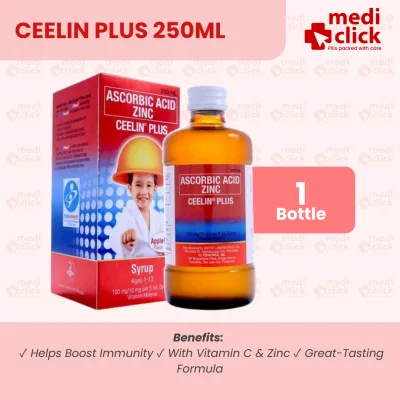


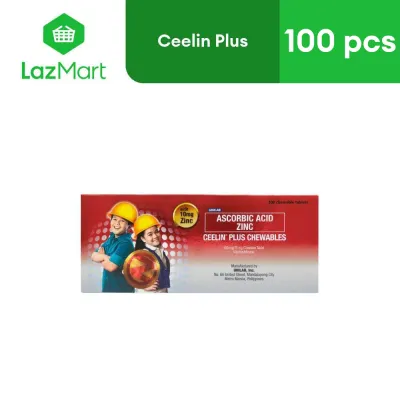
Prices are valid at publication and may change. Please refer to the product page for the latest price.

However, parents should avoid making assumptions about safety, efficacy, or appropriate dosage based solely on the brand name or general product category. Every pediatric supplement has specific concentrations of active ingredients that dictate how much a child should safely consume. What is appropriate for an older child could be highly unsuitable or even harmful for an infant or toddler.
Before administering any supplement, carefully read the physical packaging to verify the exact ingredient list, active concentrations, and age-appropriate dosage guidelines. In tropical climates like the Philippines, where dietary patterns, local food availability, and environmental factors vary, ensuring your child receives the correct balance of nutrients requires looking closely at what each serving actually contains. Never rely on general online advice or peer recommendations when determining what goes into your child’s body.
Side Effects and Signs of Zinc Over-Supplementation to Watch For
While daily vitamins can support a child’s nutritional needs, excessive intake of zinc or sensitivity to the formulation can lead to adverse reactions. Monitoring your child closely during the initial days of starting a new supplement is crucial for early detection of any issues. Parents must be able to distinguish between mild, temporary adjustments and serious signs of toxicity.
Mild Gastrointestinal Discomfort
- Stomach Upset: Some children may experience mild nausea, abdominal discomfort, or temporary changes in bowel habits, such as loose stools or constipation, when starting a supplement.
- Dietary Adjustment vs. Side Effect: These mild symptoms often occur as the digestive system adjusts to the concentrated nutrients. However, they should be mild and temporary, resolving within a few days without causing distress or loss of appetite.
Signs of Excessive Zinc Intake
- Metallic Taste: A persistent metallic taste in the mouth is a common early indicator that a child's system is receiving more zinc than it can comfortably process.
- Vomiting and Lethargy: Frequent vomiting, severe nausea, or unusual lethargy and fatigue are serious signs of acute zinc over-supplementation. High levels of zinc can irritate the stomach lining and interfere with the absorption of other essential minerals like iron and copper.
Allergic Reactions
- Skin and Facial Changes: Although rare, some children may develop allergic reactions to specific ingredients, flavorings, or binders in the syrup. Watch closely for unexplained skin rashes, hives, itching, or sudden swelling of the face, lips, and tongue.
- Respiratory Distress: Any difficulty breathing, wheezing, or persistent coughing after administration is a medical emergency that demands immediate intervention at the nearest healthcare facility.
Safe Administration and Daily Precautions
Ensuring the safety of daily supplementation relies heavily on proper administration practices and careful household management. Parents can minimize risks by establishing a consistent, safe routine at home.
Strict Dosage Adherence
- Follow the Label: Always use the precise measuring tool provided with the product, such as a calibrated dropper or dosing cup, rather than a standard household spoon. Administer the exact volume recommended by the manufacturer for your child's specific age and weight bracket.
- No Double Dosing: If you miss a scheduled dose, do not double the next dose to make up for it. Simply skip the missed dose and resume the regular schedule the following day to avoid overloading your child's system.
Managing Nutrient Overlap
- Check Other Sources: Many commercial baby foods, fortified milk formulas, and other dietary supplements also contain added zinc and vitamins. Carefully review all labels to ensure the cumulative daily intake does not exceed the safe upper limits for your child's age group.
- Consultation on Combinations: If your child is taking prescribed medications or other over-the-counter remedies, verify compatibility with a healthcare professional to prevent unwanted interactions or nutrient competition.
Timing and Storage
- Administer with Food: Giving the supplement alongside a meal or a small snack can significantly reduce the likelihood of stomach irritation and nausea, which are common when minerals are introduced to an empty stomach.
- Secure Storage: Store the bottle in a cool, dry place away from direct sunlight, which is especially important in humid, tropical environments to prevent the degradation of active ingredients. Keep the container securely closed and completely out of reach of children to prevent accidental ingestion.
When to Stop the Supplement and Seek Medical Advice
Knowing when to pause supplementation is just as important as knowing how to administer it. Parents must remain vigilant and prioritize professional medical evaluation over home remedies or waiting for symptoms to clear on their own.
Immediate Discontinuation Triggers
- Severe Symptoms: Stop giving the supplement immediately if your child exhibits persistent vomiting, severe diarrhea, signs of dehydration (such as dry mouth, lack of tears, or sunken eyes), or any signs of an allergic reaction.
- Unresolved Discomfort: If mild gastrointestinal issues do not resolve within a few days of starting the supplement, pause administration and consult your pediatrician to rule out sensitivities or underlying digestive issues.
Long-Term Nutritional Planning
- Pediatric Evaluation: Use routine pediatric check-ups to discuss your child's ongoing nutritional needs. A doctor can help evaluate whether a daily supplement is still necessary or if dietary adjustments can fulfill those requirements naturally.
- Avoid Self-Prescribing: Do not extend the use of daily supplements indefinitely without periodic professional reviews of your child's growth, dietary intake, and overall health status.
Frequently Asked Questions (FAQ)
Can my child take Celine Plus With Zinc on an empty stomach?
It is generally recommended to avoid administering zinc-containing supplements on an empty stomach. Zinc can irritate the gastric lining, leading to nausea, mild abdominal pain, or spitting up. Giving the supplement during or immediately after a meal helps buffer the stomach and improves overall tolerance. Always check the specific product label for any unique administration instructions provided by the manufacturer.
What happens if I accidentally give my child too much?
If an accidental overdose occurs, do not induce vomiting or administer home remedies unless explicitly instructed by a medical professional. Contact your pediatrician or a local poison control center immediately for guidance. Keep the original product packaging nearby so you can read the exact ingredients, concentration, and volume consumed to the healthcare provider.
Does my child need a zinc supplement if they eat a balanced diet?
Children who regularly consume a diverse diet rich in natural zinc sources—such as meat, poultry, fish, beans, nuts, and fortified grains—often meet their daily nutritional requirements without supplements. Dietary supplements are designed to address specific nutritional gaps or diagnosed deficiencies rather than serve as a replacement for whole foods. A healthcare provider can perform a personalized assessment to determine if supplementation is truly necessary for your child.

Community discussion
Share your experience or ask a question. Comments are reviewed before publication.