
Vitamin gummies can be a safe and convenient way to support a child’s nutritional needs, provided they are used strictly according to the manufacturer’s guidelines and under close adult supervision. While these chewable supplements are highly appealing to children due to their taste and texture, their safety depends entirely on proper dosage, individual health profiles, and secure storage. Parents must always verify the age recommendations on the packaging and consult a pediatrician before introducing any new supplement to their child’s daily routine.
In the warm, humid climate of the Philippines, managing dietary supplements requires extra care. High humidity and elevated temperatures can affect the physical stability of gummy vitamins, making proper storage and careful inspection essential. Understanding how to read the product label, recognize potential risks, and determine the correct serving size ensures that these supplements remain a safe addition to your child’s wellness plan rather than a health hazard.
Understanding the Safety Profile of Ceelin Gummies
Vitamin gummies are formulated to supplement a child’s diet, not to replace whole, nutrient-dense foods. When manufactured by reputable brands and stored under optimal conditions, they offer a controlled dose of specific nutrients, such as Vitamin C, which supports immune function. However, safety is not a blanket guarantee; it is highly dependent on how the product is administered, monitored, and integrated into a child’s lifestyle by their caregivers.
Products mentioned in this guide
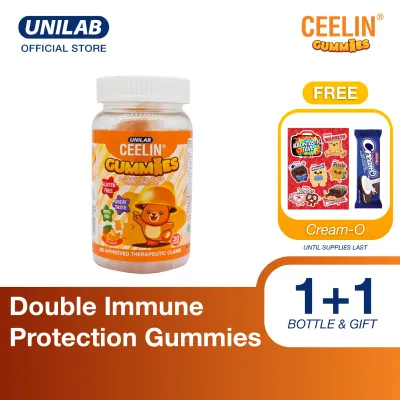
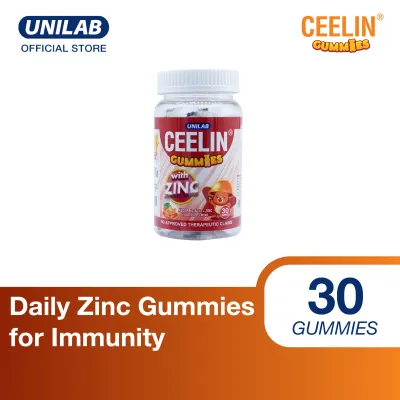
Prices are valid at publication and may change. Please refer to the product page for the latest price.
Carefully inspecting the ingredient list on the packaging is a critical first step for any parent. Many gummy vitamins contain added sugars, corn syrup, or sugar alcohols to make them palatable to young children. While these ingredients make the supplement easier for children to accept, they also contribute to daily sugar intake, which parents need to monitor closely to protect dental health, especially in tropical climates where sweet treats are common. While high-quality supplements may require a modest budget of several hundred pesos (₱) per bottle, prioritizing safety and proper formulation is always the best investment for your child’s health.
Potential allergens are another vital factor to verify on the product label before purchase. Check for the presence of gelatin, artificial colorings, flavorings, or preservatives that might trigger sensitivities or allergic reactions in your child. Some formulations may use plant-based pectin instead of animal-derived gelatin, which is an important distinction for families with specific dietary preferences or cultural restrictions.
A child’s individual health profile, age, and current diet ultimately dictate whether a gummy supplement is safe and necessary. Children with specific medical conditions, metabolic differences, or those who already consume a highly fortified diet may not require additional supplementation. Introducing vitamins without assessing these factors can lead to unnecessary nutrient overlap, making it essential to evaluate your child’s unique physical needs first.
How to Determine the Correct Daily Dosage
Determining the correct daily dosage begins with a thorough examination of the supplement facts panel on the back of the product packaging. Manufacturers provide specific serving sizes that are typically categorized by age ranges or weight brackets to ensure safety. Never assume that one gummy equals one serving, as some products require two or more gummies to deliver the stated nutrient values on the label.

Guessing the appropriate dose or estimating based on a child’s size can lead to under-supplementation or accidental overconsumption. Similarly, attempting to split a single gummy to customize a dose is highly inaccurate, as the active vitamins may not be distributed evenly throughout the gelatin or pectin matrix. Always follow the exact serving size recommended by the manufacturer unless a healthcare professional instructs otherwise.
Using adult vitamin formulations for children is a significant safety risk that parents must avoid. Adult supplements contain much higher concentrations of vitamins and minerals that can easily exceed a child’s tolerable upper intake levels, potentially leading to toxicity. Always purchase products specifically formulated and labeled for children, and verify that your child meets the minimum age requirement specified on the packaging.
Consulting a pediatrician remains the most reliable way to establish a safe and effective dosage plan. A healthcare professional can evaluate your child’s growth, dietary habits, and physical health to determine if a supplement is warranted. They can provide a personalized recommendation that aligns with local nutritional guidelines and your child’s specific developmental stage, helping you avoid unnecessary risks.
Potential Side Effects and Overdose Risks
While vitamin gummies are generally well-tolerated, consuming more than the recommended daily limit can lead to uncomfortable side effects. Mild symptoms of overconsumption often manifest as digestive upset, including stomach cramps, nausea, diarrhea, or a temporary loss of appetite. These symptoms typically subside once the excess intake stops, but they serve as an immediate warning sign that the dosage needs adjustment.
The risk of more severe toxicity depends heavily on the types of vitamins present in the gummy formulation. Water-soluble vitamins, like Vitamin C, are generally excreted in urine when consumed in excess, though very high doses can still cause gastrointestinal distress. In contrast, fat-soluble vitamins, such as Vitamins A, D, E, and K, accumulate in the body’s tissues and pose a much higher risk of toxicity if consumed in large quantities over time.
Because of their sweet taste, appealing colors, and chewy texture, children often mistake vitamin gummies for regular candy. This misconception is a primary cause of accidental pediatric vitamin overdoses in households. It is vital to educate your child that these are medicines designed to keep them healthy, not treats, and to never refer to them as candy during administration.
To prevent accidental ingestion, establish strict storage practices in your household. Keep all vitamin bottles in a locked cabinet or on a high shelf completely out of your child’s sight and reach. Even if the bottle features a child-resistant cap, do not rely on it as a foolproof safety measure, as determined children can often find ways to open them.
When to Stop Use and Consult a Pediatrician
Parents must remain vigilant for any adverse reactions after introducing a new supplement to their child’s routine. Stop administering the gummies immediately and consult a pediatrician if you observe signs of an allergic reaction, such as hives, unexplained rashes, itching, swelling of the face or throat, or difficulty breathing. Persistent digestive issues or sudden changes in behavior should also prompt an immediate halt to use.
Combining multiple dietary supplements, fortified milk formulas, or enriched cereals can inadvertently lead to nutrient duplication. Many modern food products in the Philippines are heavily fortified with vitamins and minerals, meaning your child might already be reaching their daily nutritional targets through diet alone. A pediatrician can help map out your child’s total daily intake to prevent cumulative overexposure and ensure balanced nutrition.
Special caution is required if your child is taking prescription medications, as certain vitamins can interact with drugs, altering their effectiveness or causing adverse side effects. Always disclose all active supplements, including gummies, to your healthcare provider before starting any new medical treatment. This transparency helps prevent dangerous drug-nutrient interactions.
Children with pre-existing medical conditions, metabolic disorders, or compromised immune systems require highly specialized nutritional management. For these children, standard over-the-counter vitamin gummies may not be suitable or safe. A qualified medical professional must oversee their nutritional plan to ensure that any supplementation does not interfere with their ongoing medical care or exacerbate their condition.
Frequently Asked Questions (FAQ)
Can my child take these gummies if they already eat a balanced diet?
If your child regularly consumes a diverse, balanced diet rich in fruits, vegetables, whole grains, and proteins, they may already be meeting their daily vitamin requirements. In such cases, adding a daily vitamin gummy might be unnecessary and could potentially push their nutrient intake close to the tolerable upper limits. It is best to have a pediatrician assess your child’s growth metrics and dietary patterns to confirm whether supplementation is truly beneficial or if dietary adjustments are a safer alternative.
What should I do if my child accidentally eats too many gummies?
If you suspect or discover that your child has consumed an excessive number of vitamin gummies, remain calm but act quickly. Do not attempt to induce vomiting, as this can cause additional physical distress or complications unless explicitly directed by a medical professional. Immediately contact your pediatrician, a local hospital emergency room, or the national poison control hotline in the Philippines, and keep the product packaging nearby so you can read the exact ingredients and dosages to the medical responder.
How do I know if the gummies are still safe to consume?
To ensure the safety and efficacy of the supplement, regularly inspect the physical condition of the gummies and check the expiration date printed on the bottle. In the tropical heat and high humidity of the Philippines, gummies are highly susceptible to melting, clumping, discoloration, or developing an unusual sticky texture and off-odor. Store the bottle in a cool, dry place away from direct sunlight, strictly following the storage temperature guidelines on the label, and discard any product that shows signs of degradation or has passed its expiration date.

Community discussion
Share your experience or ask a question. Comments are reviewed before publication.