
While many skin elasticity oils are formulated specifically for maternity use, the definitive safety of Buds and Blooms Skin Elasticity Oil during pregnancy depends on its exact ingredient list and your personal medical history. Because cosmetic formulations can change over time and individual skin sensitivities vary greatly during gestation, you must take an active role in verifying what goes onto your body. This guide helps you navigate the process of reading product labels, understanding the boundaries of pregnancy-safe skincare, and identifying when to consult your healthcare provider before applying any new product to your growing bump.
During pregnancy, your skin undergoes significant changes due to hormonal fluctuations. The stretching of the abdomen, breasts, and thighs can lead to dryness, itching, and the development of stretch marks. While topical oils are popular solutions to keep the skin supple, the ingredients they contain can be absorbed through the skin barrier. Therefore, verifying the safety of every product in your maternity skincare routine is a crucial step in protecting both your health and your developing baby.
How to Verify Ingredient Safety on the Product Label
To ensure that Buds and Blooms Skin Elasticity Oil—or any other maternity skincare product—is safe for your specific needs, you must start by examining the physical packaging or the manufacturer’s official digital storefront. Look for the International Nomenclature of Cosmetic Ingredients (INCI) list, which is the standardized, globally recognized list of ingredients printed on the back of the bottle or box. This list is organized by concentration, meaning the ingredients present in the highest amounts are listed first.
Products mentioned in this guide
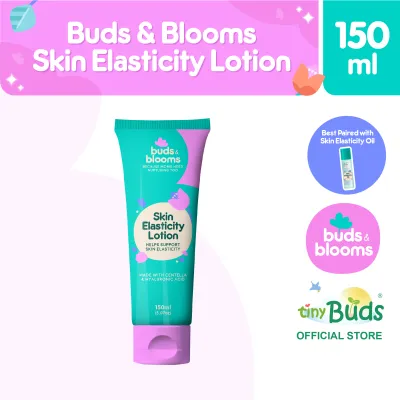
Prices are valid at publication and may change. Please refer to the product page for the latest price.
When reviewing the INCI list, cross-reference the ingredients against known pregnancy-restricted compounds. Although many maternity brands formulate their products to be free of high-risk ingredients, it is always wise to double-check. Avoid products containing retinoids (often listed as retinol, retinyl palmitate, or retinoic acid) and high-dose salicylic acid, as these are generally restricted during pregnancy due to potential risks associated with systemic absorption. Additionally, look closely at any botanical extracts or essential oils. While natural, certain essential oils such as rosemary, clary sage, jasmine, or sage are often avoided or heavily restricted during pregnancy because they can trigger uterine contractions or affect hormone levels when used in high concentrations.
Another critical factor to consider is the presence of potential allergens, synthetic fragrances, or harsh preservatives. Pregnancy hormones can make your skin significantly more sensitive and prone to contact dermatitis, even if you have never had sensitive skin before. In tropical climates like the Philippines, high humidity and heat can cause you to sweat more, which can trap synthetic fragrances and preservatives against your skin, leading to increased irritation, redness, or heat rashes. Opting for products that explicitly list mild, plant-derived oils and are free from artificial perfumes can help minimize these risks. Always check the label for terms like ‘fragrance-free’ or ‘hypoallergenic,’ but verify these claims by reading the actual ingredient list to ensure no hidden sensitizers are present.
Safe Application Practices and Stop Conditions
Even if an ingredient list appears perfectly safe on paper, your body’s reaction to a new skincare product can be unpredictable during pregnancy. Before applying Buds and Blooms Skin Elasticity Oil over large areas of your body, such as your abdomen or thighs, you should perform a localized patch test. Apply a small, dime-sized drop of the oil to a clean, discreet area of skin, such as your inner forearm or the side of your calf. Leave the oil on the skin for 24 hours without washing the area, and monitor it closely for any signs of reaction, including redness, swelling, itching, or tiny bumps. If your skin remains clear and comfortable after 24 hours, the product is generally considered suitable for wider application.

When you begin using the oil regularly, apply it only to intact, healthy skin. Avoid applying skincare products to open wounds, scratches, sunburns, or areas affected by active eczema or rashes. The skin barrier is compromised in these areas, which can lead to rapid absorption of the product and a higher likelihood of severe irritation. Furthermore, keep the oil away from mucous membranes, your face, and highly sensitive areas unless the product is explicitly labeled as safe for those specific zones.
It is equally important to recognize the signs that indicate you must stop using the product immediately. If you experience burning, intense itching, hives, or a spreading rash after application, wash the area thoroughly with mild soap and cool water to remove any remaining oil. In rare cases, highly sensitive individuals might experience systemic symptoms such as mild dizziness, headache, or nausea, which can sometimes be triggered by strong scents or an underlying sensitivity. If you experience any of these unusual symptoms, discontinue use immediately, keep the product packaging for reference, and seek medical advice.
When to Consult Your Obstetrician or Dermatologist
While self-monitoring and label-checking are excellent first steps, they do not replace the personalized medical advice of a qualified healthcare professional. You should consult your obstetrician or a board-certified dermatologist before introducing any new skincare product if you have a high-risk pregnancy, a history of severe allergic reactions, or pre-existing skin conditions like eczema, psoriasis, or gestational pemphigoid. Your doctor can provide tailored guidance based on your medical history and the specific stage of your pregnancy.
You should also seek professional advice if the product label lacks a clear, comprehensive ingredient disclosure. If a product uses vague terms like ‘proprietary botanical blend’ or ‘natural active ingredients’ without listing the specific scientific or botanical names of those ingredients, it is impossible to verify its safety. A reputable healthcare provider will advise you to avoid products with ambiguous labeling, as you cannot accurately assess what is being absorbed into your skin.
During your routine prenatal checkups, make it a habit to discuss your daily skincare regimen with your obstetrician. You can bring the physical bottle of Buds and Blooms Skin Elasticity Oil or take a clear photo of the ingredient list to show your doctor. This allows them to quickly review the formulation and confirm whether it aligns with your overall prenatal care plan. Remember that topical ingredients can enter the bloodstream in minute amounts, so keeping your medical team informed about everything you apply to your body ensures a safer, more coordinated approach to your pregnancy wellness.
Simple Alternatives for Pregnancy-Safe Skin Hydration
If you find that the ingredients in a specific elasticity oil do not align with your preferences, or if you experience skin irritation during use, there are several simple, highly effective alternatives to keep your skin hydrated. One of the most reliable options is to use single-ingredient, cold-pressed carrier oils. Pure coconut oil, which is widely available and highly valued in the Philippines, is an excellent natural moisturizer that helps lock in skin moisture without the need for added synthetic chemicals or complex fragrance blends. Other excellent carrier oils include jojoba oil, which closely mimics the skin’s natural sebum, and sweet almond oil, which is rich in nourishing fatty acids.
If you prefer a cream or lotion texture over a pure oil, look for minimalist, fragrance-free maternity moisturizers. These products are typically formulated with a limited number of ingredients to minimize the risk of skin reactions. When shopping for these alternatives, prioritize products recommended by dermatologists and those that carry clear labels indicating they are free from parabens, phthalates, and synthetic dyes.
Finally, remember that maintaining skin elasticity is not solely dependent on topical applications. True skin health and elasticity begin from within. Ensuring you drink adequate amounts of water throughout the day is essential, especially in warm, tropical climates where dehydration can occur quickly. A balanced diet rich in essential fatty acids, vitamins C and E, and zinc also supports your body’s natural collagen production and skin repair mechanisms. Combining a healthy diet and proper hydration with a simple, verified topical moisturizer provides the best overall support for your stretching skin.
Frequently Asked Questions (FAQ)
Can any topical oil completely prevent stretch marks?
No topical oil or cream can completely guarantee the prevention of stretch marks. Stretch marks, or striae gravidarum, occur in the deeper dermis layer of the skin when rapid physical expansion outpaces the skin’s natural elasticity. The development of stretch marks is primarily influenced by genetics, your skin type, and the rate at which your body and baby grow during pregnancy. While topical oils cannot prevent the structural tearing of collagen fibers in the deep dermis, they play a vital role in keeping the superficial layers of your skin hydrated, which significantly relieves the uncomfortable itching and tightness commonly associated with a growing belly.
Are essential oils in skincare safe during the first trimester?
During the first trimester of pregnancy, your baby is undergoing rapid, critical organ development, making this a period where extreme caution is advised regarding any active botanical extracts. Many essential oils are highly concentrated and contain volatile organic compounds that can be absorbed into the bloodstream. Because of the lack of extensive clinical testing on pregnant individuals, many obstetricians recommend avoiding skincare products containing high concentrations of essential oils during the first twelve weeks of pregnancy. If you wish to use a product containing essential oils, always verify the exact botanical species and concentration with your obstetrician to ensure it is safe for your specific stage of pregnancy.

Community discussion
Share your experience or ask a question. Comments are reviewed before publication.