
During pregnancy, your body undergoes remarkable physical changes, and your skin must rapidly adapt to accommodate your growing baby. Many expectant mothers turn to skin elasticity oils to keep their skin supple, relieve dryness, and address concerns about stretch marks. While many of these products are safe and highly beneficial, safety is not universal. The safety of any skin elasticity oil depends entirely on its specific ingredient profile rather than its marketing claims, brand popularity, or “natural” labels.
Skin elasticity oils—frequently marketed as stretch mark oils—are designed to deeply moisturize the stratum corneum, strengthen the skin’s lipid barrier, and improve overall tissue pliability. However, because the skin is a semi-permeable organ capable of absorbing topical substances into the bloodstream, some ingredients commonly found in body oils can cross the placenta and potentially affect fetal development. Furthermore, pregnancy hormones can make your skin significantly more sensitive, reactive, and prone to irritation.
While basic, pure carrier oils are generally safe, many commercial formulations contain active chemicals, synthetic preservatives, or highly concentrated botanical extracts that are strictly contraindicated during pregnancy. It is a common misconception that “organic” or “natural” ingredients are inherently safe; some natural plant extracts are highly potent and carry physiological risks. For these reasons, it is a critical medical boundary to consult your obstetrician, midwife, or dermatologist before introducing any new skincare product into your daily routine.
Products mentioned in this guide


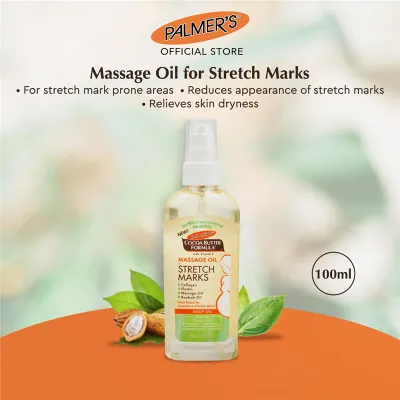
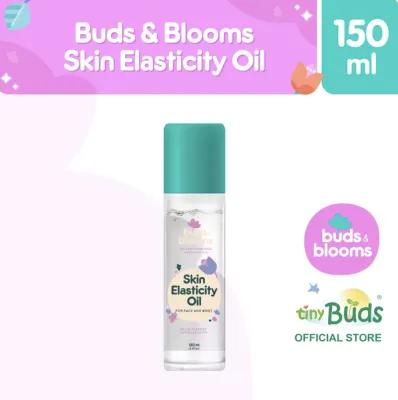
Prices are valid at publication and may change. Please refer to the product page for the latest price.
Harmful Ingredients to Avoid in Skin Elasticity Oils
To protect your developing baby and maintain your own skin health, you must become an active label reader. Skincare manufacturers often use complex chemical names on their ingredient lists, known as the International Nomenclature of Cosmetic Ingredients (INCI). Understanding which specific compounds pose a risk allows you to screen products effectively before purchase.
Retinoids and Vitamin A Derivatives
Retinoids are highly celebrated in conventional skincare for their ability to accelerate cell turnover and stimulate collagen production, but they must be completely avoided during pregnancy. When evaluating ingredient labels, look for and avoid the following compounds:
- Retinol
- Retinyl palmitate
- Retinaldehyde
- Tretinoin
- Adapalene
High systemic levels of Vitamin A are proven to be teratogenic, meaning they can cause severe congenital anomalies, skull and facial malformations, and central nervous system defects in the developing fetus. Although topical absorption from a body oil is lower than that of oral medications, clinical consensus dictates a strict avoidance of all topical retinoids throughout pregnancy to eliminate any unnecessary risk.
High-Concentration Salicylic Acid and Hydroquinone
Chemical exfoliants and skin-lightening agents are occasionally blended into body oils to improve skin texture and address hyperpigmentation, but certain types carry safety concerns.
Salicylic acid is a beta-hydroxy acid (BHA) prized for its ability to penetrate deep into pores. While low-concentration salicylic acid (2% or less) used in rinse-off facial cleansers is generally considered low-risk by dermatologists, high-concentration leave-on body oils or professional-strength chemical peels should be avoided. Large-scale topical application over extensive body areas increases systemic absorption, which can pose risks to fetal health.
Hydroquinone is a potent skin-lightening agent frequently used to treat melasma, a form of hyperpigmentation common during pregnancy. However, hydroquinone has an exceptionally high systemic absorption rate—with up to 45% of the topical dose entering the bloodstream. Due to this high absorption rate and a lack of robust safety data regarding its impact on fetal development, hydroquinone is strictly contraindicated for pregnant individuals.
Certain Essential Oils
Many consumers assume that essential oils are safe because they are derived from plants, but these highly concentrated botanical extracts contain active chemical constituents that can exert systemic effects. Several essential oils should be strictly avoided in body oil blends during pregnancy, including:
- Rosemary oil
- Clary sage oil
- Jasmine oil
- Juniper berry oil
- Parsley seed oil
- Pennyroyal oil
Some of these botanical extracts act as emmenagogues, meaning they can stimulate blood flow in the pelvic area and uterus, potentially triggering premature uterine contractions or uterine instability. Furthermore, essential oils should never be applied to the skin in their pure, undiluted form, as they can cause severe chemical burns, sensitization, and systemic toxicity.
Endocrine Disruptors and Hidden Chemicals
Preservatives and synthetic fragrance elements are common additives in body oils, but some can interfere with the delicate hormonal balance required to sustain a healthy pregnancy.
Phthalates are chemical plasticizers often used to help fragrances adhere to the skin, but they are rarely listed explicitly on ingredient labels. Instead, they are typically hidden under the generic terms “fragrance,” “parfum,” or “aroma.” Phthalates are known endocrine disruptors that have been linked in clinical studies to reproductive and developmental issues. To avoid them, choose products explicitly labeled “fragrance-free” or those scented only with verified, highly diluted, pregnancy-safe plant extracts.
Parabens, such as methylparaben, propylparaben, and butylparaben, are widely used as chemical preservatives to prevent bacterial growth in beauty products. However, parabens can mimic the hormone estrogen in the body, potentially disrupting the endocrine system during crucial stages of fetal development. Opting for paraben-free formulations is a prudent safeguard for maternity skincare.
How to Choose a Pregnancy-Safe Skin Elasticity Oil
Selecting a safe and effective skin elasticity oil does not have to be overwhelming. By focusing on simple, high-quality formulations and verifying product details, you can protect your skin and your baby with confidence.

Prioritize Simple Carrier Oils
Rather than complex, multi-ingredient chemical blends, look for single-ingredient or minimal-ingredient cold-pressed carrier oils. These oils are rich in essential fatty acids, vitamins, and antioxidants that naturally support the skin barrier. Excellent, generally recognized as safe options include:
- Sweet Almond Oil: Rich in Vitamin E and monounsaturated fatty acids, it deeply nourishes dry skin and improves elasticity.
- Jojoba Oil: Technically a liquid wax, jojoba closely mimics the skin's natural sebum, making it highly compatible and easily absorbed without clogging pores.
- Squalane: A highly stable, lightweight lipid that provides exceptional hydration without leaving a heavy, greasy residue.
- Sunflower Seed Oil: Packed with linoleic acid, it helps maintain the skin barrier and retains essential moisture.
- Virgin Coconut Oil: Widely available and highly moisturizing, it is excellent for soothing dry, stretching skin. However, in the warm, humid climate of the Philippines, heavy oils like coconut oil can sometimes trap sweat and clog pores on acne-prone areas. If you are prone to body breakouts, lighter options like squalane or jojoba are highly recommended.
Verify Certifications and Testing
When shopping for maternity skincare, look for products that have undergone rigorous safety evaluations. Prioritize formulations labeled as:
- Dermatologist-tested
- Hypoallergenic
- Formulated for pregnancy or maternity use
- Certified by recognized safe-skincare databases
Keep in mind that certifications and brand claims are dynamic. Always perform a personal check of the ingredient list to ensure no contraindicated substances have been introduced in a recent product reformulation.
Avoid Synthetic Fragrances
Pregnancy hormones can dramatically heighten your sense of smell, making strong synthetic fragrances a common trigger for morning sickness and nausea. In hot and humid tropical climates, heavy synthetic scents can become overwhelming and cause headaches. Choosing fragrance-free oils eliminates these sensory triggers while protecting your skin from potential irritation and hidden phthalates.
Conduct a Patch Test
Because pregnancy hormones alter your immune system, your skin may react to ingredients you tolerated perfectly well before pregnancy. This increased sensitivity can sometimes lead to inflammatory skin conditions, such as pruritic urticarial papules and plaques of pregnancy (PUPPP).
Before applying any new oil to large areas of your body, always perform a patch test:
- Apply a small, dime-sized amount of the oil to your inner forearm.
- Keep the area dry and leave it undisturbed for 24 hours.
- Monitor the site for any signs of redness, swelling, itching, burning, or hives.
- If any irritation occurs, discontinue use immediately and do not apply the product to your body.
Safe Application Practices and When to Stop Use
How you apply your skin elasticity oil is just as important as the ingredients it contains. Following proper application techniques ensures maximum hydration while protecting your safety.
Target Areas
Focus your application on the areas of your body that experience the most rapid stretching and physical pressure during pregnancy. These key regions include:
- The abdomen
- The hips and buttocks
- The thighs
- The lower back
- The breasts
For optimal absorption, apply the oil immediately after bathing or showering while your skin is still slightly damp. This helps lock in surface moisture and keeps the skin hydrated for longer periods.
Nipple and Breastfeeding Precautions
While keeping breast tissue hydrated is important, you should avoid applying skin elasticity oils directly to your nipples and areolas, particularly as you enter the third trimester. This precaution prevents your newborn from accidentally ingesting oil residue during breastfeeding. If you do apply oil to your breasts, ensure the skin is thoroughly washed with mild soap and water before nursing your baby.
Massage Technique
When applying the oil, use gentle, light, circular motions. Avoid deep-tissue massage, firm pressure, or aggressive rubbing on your abdomen. Heavy abdominal pressure can cause physical discomfort, muscle strain, or unnecessary uterine stimulation. A soft, soothing touch is all that is required for the skin to absorb the oil.
When to Stop Immediately
Your safety and comfort are paramount. Discontinue using any skin elasticity oil immediately and consult your obstetrician or dermatologist if you experience any of the following adverse reactions:
- Persistent redness or inflammation
- Hives, welts, or raised red bumps
- Severe or worsening itching
- A burning or stinging sensation
- Any unusual abdominal cramping or uterine tightening after application
Manage Expectations
It is important to maintain realistic expectations regarding the capabilities of topical oils. While skin elasticity oils are outstanding for relieving dryness, soothing the intense itchiness of stretching skin, and keeping the skin soft, they cannot guarantee 100% prevention of stretch marks.
Stretch marks (striae gravidarum) occur in the deeper dermal layer of the skin, where collagen and elastin fibers tear due to rapid expansion. Whether you develop stretch marks is primarily determined by genetics, your natural skin type, your age, and the rate of your weight gain. Topical oils cannot alter these genetic or structural factors, but they remain highly valuable for keeping the outer layers of your skin healthy and comfortable.
Holistic Ways to Support Skin Elasticity During Pregnancy
Supporting your skin’s ability to stretch requires a comprehensive approach that addresses skin health from both the inside and the outside.
Internal Hydration
Topical oils act as occlusives, meaning they trap existing moisture in the skin, but they do not create hydration. To keep your skin cells plump and resilient, you must stay well-hydrated internally. Drink plenty of water throughout the day. In the warm, humid climate of the Philippines, staying hydrated is especially vital, as sweat loss can quickly lead to systemic dehydration, which leaves the skin dry, tight, and more prone to irritation.
Nutrition for Collagen Support
Your body requires specific nutritional building blocks to synthesize collagen and elastin, the proteins responsible for skin strength and elasticity. Ensure your pregnancy diet includes adequate amounts of the following nutrients:
- Vitamin C: A critical cofactor for collagen synthesis. Excellent local sources include calamansi, guavas, papayas, and bell peppers.
- Vitamin E: A powerful antioxidant that protects skin cells from oxidative damage. Found in nuts, seeds, and leafy green vegetables.
- Zinc: Supports tissue repair and skin health. Found in legumes, whole grains, pumpkin seeds, and lean proteins.
- High-Quality Proteins: Provide the essential amino acids necessary for tissue growth and repair.
Steady Weight Management
Work closely with your obstetrician to manage your weight gain gradually and steadily. Rapid weight fluctuations stretch the dermal layer of the skin faster than it can adapt, which significantly increases the likelihood of tissue tearing. A steady, controlled rate of weight gain gives your skin more time to naturally expand and adjust.
Gentle Exfoliation
To maximize the effectiveness of your skin elasticity oil, incorporate gentle exfoliation into your routine once a week. Use a soft, damp washcloth or a mild, pregnancy-safe body scrub to gently sweep away dead skin cells. This process improves local blood circulation and allows your hydrating oils to penetrate the skin barrier more effectively. Avoid harsh physical scrubs or strong chemical exfoliants, which can compromise the skin barrier and cause irritation.
Frequently Asked Questions (FAQ)
Can I use popular commercial stretch mark oils during pregnancy?
Popularity does not guarantee safety, as product formulations frequently change over time. Many well-known commercial brands contain hidden retinoids (such as retinyl palmitate), synthetic fragrances, or essential oils that are not recommended during pregnancy. Always check the current ingredient list on the packaging before use, look for dedicated maternity-safe product lines, and verify any questionable ingredients with your OB-GYN.
When is the best time to start using skin elasticity oil?
The ideal time to start using skin elasticity oil is during the first or early second trimester, before your abdomen begins to expand rapidly. Initiating application early helps maintain baseline skin hydration, improves skin suppleness, and prepares the tissue for gradual stretching. However, you can safely introduce a pregnancy-safe oil at any stage of your pregnancy, provided the ingredients have been cleared by your healthcare provider.
Is it safe to use essential oils like lavender or chamomile while pregnant?
While highly diluted lavender and Roman chamomile essential oils are considered low-risk by some aromatherapists after the first trimester, medical consensus on their safety varies. Essential oils are highly concentrated chemical compounds that can cause skin sensitization or carry systemic risks if absorbed in large quantities. Never apply pure, undiluted essential oils to your skin, and always consult your obstetrician before using any product containing essential oils, particularly during the first trimester.
Community discussion
Share your experience or ask a question. Comments are reviewed before publication.