
Determining whether Buds and Blooms perineal spray is safe for your postpartum recovery depends on its specific ingredient list, the severity of your perineal trauma, and your individual medical history. Because the healing perineum is highly sensitive and may have open wounds, you must consult your obstetrician or midwife before applying any new product. This guide will help you evaluate the product’s ingredients, understand safety considerations for breastfeeding, and recognize when to stop use.
Understanding Postpartum Perineal Care and Ingredient Safety
The physical reality of vaginal childbirth involves significant stretching and pressure on the pelvic floor. Whether you experience a natural tear, require an episiotomy, or escape with minor micro-tears, the perineal tissue undergoes substantial trauma. During the postpartum period, this area becomes highly vascularized, exceptionally sensitive, and significantly more permeable than normal skin, making it highly susceptible to irritation, chemical sensitivities, and infection. The skin barrier is temporarily compromised, meaning any substance applied to it can penetrate deeper and faster than it would on intact skin elsewhere on your body.
In the tropical climate of the Philippines, high humidity and heat can exacerbate sweat and moisture buildup in the pelvic region. This environmental factor makes the healing skin even more vulnerable to friction, chafing, and bacterial growth. Applying products containing denatured alcohol, synthetic fragrances, or harsh chemical astringents to this compromised tissue can cause severe stinging, disrupt the natural vaginal pH, and dry out the skin, which ultimately delays the body’s natural cellular repair process. Maintaining a balanced, clean, and dry environment is essential for optimal tissue regeneration.
Products mentioned in this guide
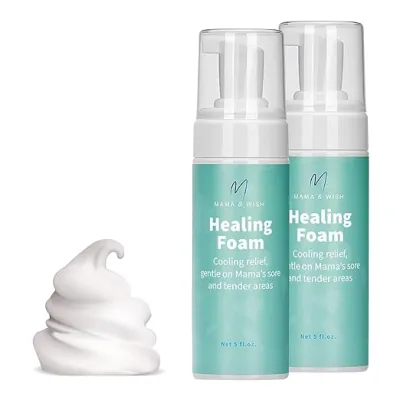
Prices are valid at publication and may change. Please refer to the product page for the latest price.
It is crucial to distinguish between general cosmetic mists and specialized postpartum care products. General body mists or standard cooling sprays often contain high concentrations of menthol, artificial perfumes, or chemical preservatives that are completely unsuitable for broken skin. Postpartum-specific formulations are designed to respect the delicate vaginal microbiome and the fragile state of healing wounds, but even these require close inspection to ensure they align with your specific recovery needs. A product that works well for one mother might cause discomfort for another, depending on individual skin sensitivity and the degree of tissue trauma.
How to Evaluate the Ingredients in Buds and Blooms Perineal Spray
Because product formulations can change over time, you should always locate the physical ingredient list on the outer packaging of your Buds and Blooms bottle or verify it directly on the brand’s official website before purchasing. Do not rely solely on third-party online marketplace descriptions, as these listings may contain outdated or incomplete information. When budgeting for postpartum care essentials in the Philippines, where specialized recovery products can range from ₱300 to ₱800, ensuring the safety of your purchase through label verification is a vital first step. Taking a few minutes to read the fine print can prevent painful application mistakes.

Many perineal sprays utilize soothing botanical agents like witch hazel (Hamamelis virginiana) or aloe vera (Aloe barbadensis) leaf juice to provide relief. Witch hazel is traditionally valued for its mild astringent and cooling properties, while aloe vera provides hydration and forms a temporary protective barrier over sensitive skin. However, you must verify that the witch hazel used in any product is alcohol-free, as many commercial distillates contain up to 14% alcohol, which will cause intense burning on open wounds or stitches. Pure, alcohol-free witch hazel is gentle, whereas alcohol-based versions can severely dry out and irritate healing tissues.
You should also identify potential irritants that may be hidden under the guise of natural ingredients. Look out for high concentrations of essential oils, such as tea tree, lavender, or peppermint. While marketed as natural antiseptics or cooling agents, these oils contain volatile organic compounds that can trigger allergic contact dermatitis or worsen inflammation on compromised skin. If you have a history of sensitive skin or eczema, these botanical extracts are more likely to cause an adverse reaction on your healing perineum.
Terms like “natural,” “organic,” or “plant-based” are frequently used in maternity skincare marketing, but they are not regulated medical terms. A botanical extract can still cause an allergic reaction or irritate a fresh tear just as easily as a synthetic compound. Always prioritize ingredient transparency and clinical suitability over marketing claims, and check the label for any known personal allergens before application. If you are unsure about a specific ingredient, you can perform a patch test on a small patch of intact skin, such as your inner wrist, though keep in mind that the perineal tissue is far more sensitive than your arm.
Safety Considerations for Breastfeeding Mothers
When you apply a product topically to the perineal area, the active ingredients are absorbed through the skin. Fortunately, because the application area is localized and the product is applied externally, systemic absorption into your bloodstream—and subsequently into your breast milk—is typically very low. However, low absorption does not mean zero risk, especially during the early weeks of frequent nursing when your newborn’s metabolic systems are still developing. It is always best to err on the side of caution when evaluating any topical recovery aid.
To ensure complete peace of mind, cross-reference each ingredient on the product label with reputable, evidence-based lactation resources such as the LactMed database, or consult a certified lactation consultant. This step is crucial for identifying any botanical extracts or chemical preservatives that might have systemic effects or alter infant behavior if absorbed. Many natural ingredients are perfectly safe for topical use, but verifying them against professional databases ensures you are making an informed decision for both yourself and your baby.
Beyond systemic absorption, physical transfer is a practical concern that caregivers must manage. After applying any perineal spray, ensure your hands are thoroughly washed with soap and water before handling your baby, practicing skin-to-skin contact, or breastfeeding. In warm, humid conditions, sweat can cause topical products to migrate, so keeping your hands clean prevents the baby from accidentally ingesting or coming into contact with the spray’s active ingredients during diaper changes or nursing sessions. Keeping a dedicated hand hygiene routine in your postpartum recovery station is an easy way to prevent accidental cross-contamination.
When to Stop Use and Seek Medical Advice
Your body will quickly signal if a postpartum product is not suitable for your healing tissue. Watch closely for immediate or delayed signs of irritation, including increased redness, swelling, a persistent burning sensation that lasts more than a few seconds, intense itching, or the development of a localized rash. Because the perineum is highly sensitive, any reaction can feel amplified, making early detection and action important for your comfort.
If you experience any of these symptoms, immediately stop using the spray. Gently rinse the area with clean, lukewarm water using a peri bottle to remove any remaining residue, and pat the area dry with a clean, soft cloth. Do not rub the skin, as this can worsen the irritation or disrupt healing stitches. Allowing the area to air-dry completely before putting on clean cotton underwear can also help soothe the irritated skin and prevent further friction.
Always consult your obstetrician, midwife, or healthcare provider before introducing any perineal spray, particularly if you have second-, third-, or fourth-degree tears, or if you have active stitches. Seek immediate medical attention if you observe signs of a postpartum infection, such as a foul-smelling discharge, worsening pelvic pain, a fever above 38°C, or stitches that appear to be pulling apart. Your healthcare team is your best resource for determining the safest and most effective recovery plan tailored to your body’s unique healing timeline.
Frequently Asked Questions (FAQ)
Can I use perineal spray directly on stitches or an episiotomy?
While some postpartum sprays are formulated to be gentle enough for use near sutured areas, you must obtain explicit approval from your healthcare provider before applying anything directly to an episiotomy or tear. Introducing external liquids to a fresh wound can disrupt the delicate healing environment. If the area is kept excessively wet, it can soften the tissue and potentially cause the stitches to dissolve prematurely or pull apart, delaying your recovery.
How often should I apply perineal spray during postpartum recovery?
You should strictly follow the manufacturer’s instructions printed on the product label regarding daily application limits. Generally, these sprays are used after using the toilet or taking a bath, but over-application can lead to tissue maceration—a condition where the skin remains too wet and begins to break down. Adjust your usage based on your personal comfort level and the specific guidance of your doctor, ensuring the perineum has adequate time to air-dry between applications.

Community discussion
Share your experience or ask a question. Comments are reviewed before publication.