
As your body changes to accommodate your growing baby, your skin undergoes remarkable stretching, particularly around your abdomen. This rapid expansion often leads to dryness, tightness, and a persistent itch that can be highly uncomfortable. To find relief, many expectant mothers turn to belly butter as a daily self-care ritual. However, because what you apply to your skin can potentially be absorbed into your bloodstream, safety is the foremost priority when choosing maternity skincare.
Applying a high-quality belly butter is generally safe and highly beneficial for keeping stretching skin hydrated, supple, and comfortable. However, the ultimate safety of any product relies entirely on its specific ingredient list rather than the marketing claims on the front of the jar. Terms like “natural,” “organic,” or “botanical” are often used loosely in cosmetic marketing and do not automatically guarantee that a product is safe for pregnancy. Some natural plant extracts and essential oils can carry risks or trigger allergic reactions, which is why a careful look at the back label is essential.
Quick Answer: Is Belly Butter Safe for Pregnant Skin?
Yes, using belly butter is safe and highly recommended during pregnancy, provided you verify the safety of every ingredient in the formulation. During these nine months, your skin barrier can become more sensitive and prone to irritation due to hormonal fluctuations. A deeply moisturizing butter helps lock in hydration, support skin elasticity, and soothe the intense itching associated with a growing belly.
Products mentioned in this guide
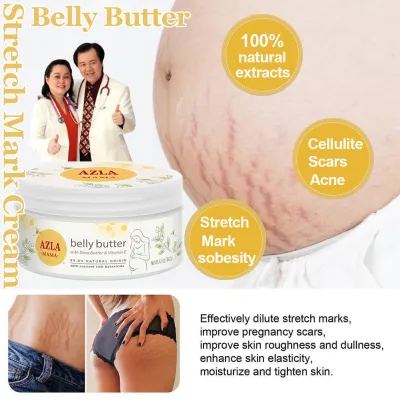
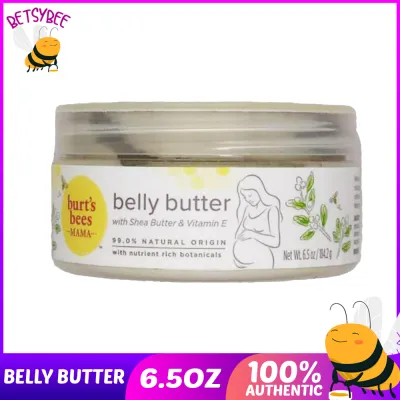
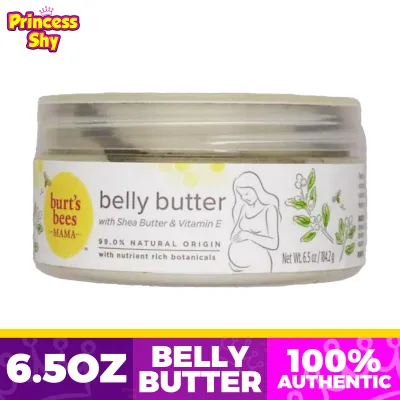
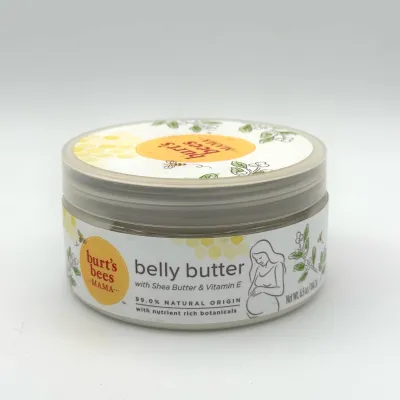
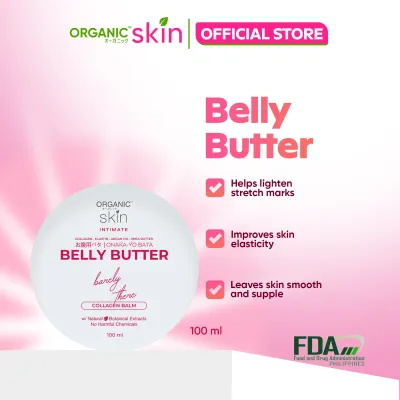
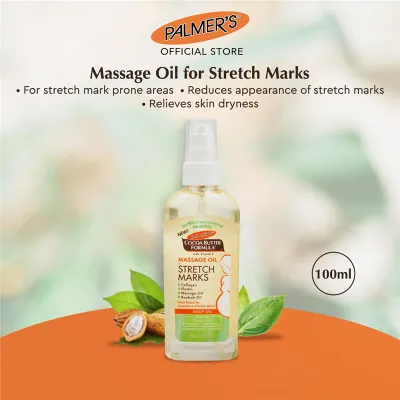
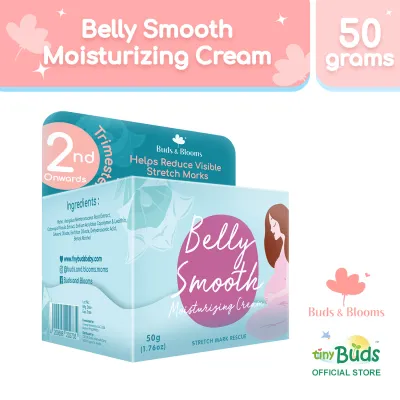
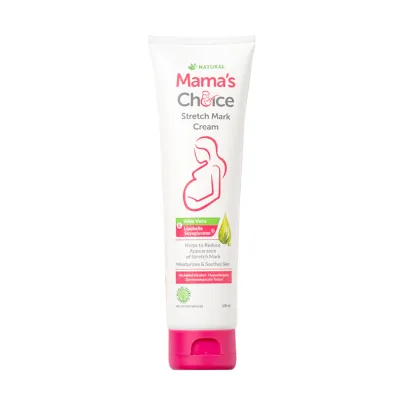
Prices are valid at publication and may change. Please refer to the product page for the latest price.
However, you cannot rely solely on front-of-package claims. Many products marketed as “maternity-safe” or “pure” may still contain preservatives, synthetic fragrances, or botanical extracts that dermatologists advise against during pregnancy. In the tropical climate of the Philippines, where high humidity and heat can already make skin prone to sweat rashes and irritation, choosing a clean, non-comedogenic formula is especially important. Always cross-check the full ingredient list against clinical safety guidelines, and consult your obstetrician or dermatologist if you are unsure about any specific compound.
Skincare Ingredients to Avoid During Pregnancy
When evaluating a belly butter, the first step is to rule out ingredients that carry potential risks for fetal development or maternal health. While systemic absorption through the skin is generally lower than oral ingestion, medical experts recommend a highly cautious approach during pregnancy. Below are the key ingredients you should actively check for and avoid on cosmetic labels.

Retinoids (Vitamin A Derivatives) Retinoids are highly popular in anti-aging and skin-renewing products, but they are strictly advised against during pregnancy. This category includes ingredients listed as retinol, retinyl palmitate, retinaldehyde, and retinyl acetate. While topical absorption is relatively low, high doses of Vitamin A have been linked to developmental issues in unborn babies. Because belly butter is applied over a large surface area of the body daily, the cumulative absorption risk is higher than applying a tiny drop of serum to your face. It is safest to avoid all Vitamin A derivatives entirely until after you finish breastfeeding.
High-Concentration Salicylic Acid (BHA) Salicylic acid is a beta-hydroxy acid commonly used to exfoliate skin and treat acne. While low-dose, wash-off products (like a daily facial cleanser containing 2% or less salicylic acid) are generally considered safe by dermatologists, high-dose, leave-on applications are not recommended. Avoid body creams, peels, or butters that contain high concentrations of salicylic acid. When left on a large surface area like the abdomen for hours, BHA can be absorbed into the bloodstream in higher amounts, posing unnecessary risks.
Certain Essential Oils Many people assume that because essential oils are plant-derived, they are inherently safe for pregnancy. In reality, essential oils are highly concentrated chemical compounds that can exert physiological effects. Certain oils—such as rosemary, clary sage, jasmine, and parsley seed—are recommended to be avoided during pregnancy due to a lack of robust safety data or their potential to stimulate uterine contractions under specific conditions. Additionally, highly fragrant oils can exacerbate pregnancy-induced nausea and trigger contact dermatitis on sensitive skin.
Phthalates and Parabens Parabens (such as methylparaben, propylparaben, and butylparaben) are common preservatives used to prevent bacterial growth in cosmetics, while phthalates are often used to help fragrances last longer. Both ingredient groups are classified as potential endocrine disruptors, meaning they can interfere with the body’s hormonal systems. Because pregnancy is a period of delicate hormonal balance, many maternal health advocates advise choosing paraben-free formulas. Phthalates are rarely listed directly on labels; instead, they are often hidden under the generic terms “fragrance” or “parfum.”
Hydroquinone Hydroquinone is a powerful skin-lightening agent used to treat hyperpigmentation, melasma, and dark spots. While it is less common in standard nourishing belly butters, some multi-purpose body creams designed to fade stretch marks or evening skin tone may contain it. Hydroquinone has a remarkably high systemic absorption rate—estimated at up to 45% through the skin. Because of this high absorption rate and the lack of safety studies during pregnancy, medical professionals recommend avoiding hydroquinone completely during gestation and lactation.
Safe and Soothing Ingredients to Look For
Now that you know what to avoid, you can focus on the nourishing, low-risk ingredients that excel at protecting your skin barrier. The ideal belly butter should provide deep emollient action to soften the skin, humectants to bind water, and soothing agents to calm inflammation.
Shea Butter and Cocoa Butter These two natural plant butters serve as the gold standard for maternity skincare. Shea butter is exceptionally rich in fatty acids and vitamins, providing deep, long-lasting hydration that helps maintain skin suppleness. Cocoa butter is highly emollient, melting at body temperature to form a protective barrier that locks in moisture. Both are widely recognized as safe, non-toxic options that help the skin stretch more comfortably. In tropical climates, look for whipped or lightweight formulations that absorb easily without leaving a heavy, suffocating film on your skin.
Hyaluronic Acid and Glycerin While butters soften the skin surface, humectants are needed to draw moisture deep into the skin layers. Hyaluronic acid and glycerin are highly effective, pregnancy-safe humectants. They act like microscopic sponges, pulling moisture from the air into your skin without posing any systemic risks to your baby. Combining humectants with rich emollients ensures your skin remains hydrated from the inside out, reducing the tight, dry sensation of stretching skin.
Vitamin E and Ceramides Vitamin E (often listed as tocopherol) is a gentle antioxidant that helps protect skin cells from oxidative stress while promoting skin healing. Ceramides are naturally occurring lipids that make up the skin’s protective barrier. Applying a belly butter enriched with ceramides helps rebuild and strengthen a compromised skin barrier, preventing moisture loss and keeping environmental irritants out. Together, they help maintain the structural integrity of your skin during rapid physical changes.
Centella Asiatica (Cica) and Colloidal Oatmeal If your stretching skin is highly sensitive, red, or intensely itchy, look for soothing botanical agents. Centella Asiatica, commonly known as Cica or Gotu Kola, is famous for its exceptional wound-healing and anti-inflammatory properties, making it a popular choice for supporting skin elasticity. Colloidal oatmeal is another outstanding ingredient that relieves itching and irritation by forming a soothing, protective layer over compromised skin.
Fragrance-Free Formulations During pregnancy, your sense of smell is often heightened, and fragrances—even natural ones—can trigger morning sickness or skin sensitivity. Opting for fragrance-free or very lightly scented belly butters reduces the risk of allergic contact dermatitis. If you prefer a scent, ensure it comes from safe, low-risk fruit extracts or extremely mild, pregnancy-safe botanical sources rather than synthetic perfumes.
How to Read the Label and Test Your Belly Butter
Navigating cosmetic labels can feel overwhelming, but a few simple strategies can help you confidently verify whether a belly butter is safe for you and your baby.
Reading the INCI List All cosmetics are required to list their ingredients using the International Nomenclature of Cosmetic Ingredients (INCI) system. These ingredients are listed in descending order of concentration. The first five to ten ingredients typically make up the vast majority (often 80% to 90%) of the product. If you see highly beneficial ingredients like shea butter, cocoa butter, or glycerin at the very top of the list, you know the product is rich and effective. Conversely, if beneficial ingredients are listed at the very bottom, they are present only in tiny, trace amounts.
Spotting Hidden Names Unsafe ingredients often go by chemical names that are not immediately obvious. For example, Vitamin A derivatives might be labeled as “retinyl palmitate,” “retinyl acetate,” or “hydroxypinacolone retinoate.” Preservatives like parabens might appear as “propylparaben” or “methylparaben.” If you see “parfum” or “fragrance” on the label, be aware that cosmetic regulations allow companies to keep their fragrance formulas secret, meaning it could contain hidden phthalates or synthetic allergens. When in doubt, look for products explicitly labeled “phthalate-free” or “fragrance-free.”
Performing a Patch Test Even if a product contains 100% safe, clean ingredients, pregnancy hormones can dramatically alter your skin’s sensitivity, making you vulnerable to sudden allergic reactions or contact dermatitis. Before applying any new belly butter to your entire abdomen, perform a simple 24-hour patch test. Apply a small, dime-sized amount of the butter to a clean, discreet area on your inner arm or the side of your leg. Leave it on for 24 hours without washing the area. If you experience any redness, itching, swelling, or irritation, do not use the product on your belly.
When to Stop Using and Consult a Doctor
While dry, stretching skin is a normal part of pregnancy, it is crucial to recognize when a skin reaction or symptom requires medical attention rather than a cosmetic solution.
Signs of Irritation and Allergic Reactions Discontinue use of your belly butter immediately if you experience any of the following symptoms:
- Severe redness or localized swelling
- Intense burning, stinging, or blistering
- Hives, small red bumps, or a spreading rash
- Itching that worsens significantly after applying the product
If an adverse reaction occurs, gently wash the area with cool water and a mild, fragrance-free cleanser to remove any remaining product. Avoid scratching the skin, as this can break the barrier and lead to secondary bacterial infections.
Differentiating Normal Itching from Medical Conditions It is vital to distinguish standard, dry-skin stretching itch from serious pregnancy-specific dermatological conditions.
- PUPPP (Pruritic Urticarial Papules and Plaques of Pregnancy): This condition typically presents as extremely itchy, hive-like bumps that start within stretch marks on the abdomen and can spread to the thighs and arms. It requires a proper medical diagnosis and prescribed topical treatments.
- ICP (Intrahepatic Cholestasis of Pregnancy): This is a potentially serious liver condition that typically occurs in the third trimester. It causes severe, relentless itching, particularly on the palms of your hands and the soles of your feet, usually without a visible rash. ICP requires immediate medical evaluation, as it carries risks for your baby.
Disclaimer: This guide is for educational purposes only and does not replace professional medical advice, diagnosis, or treatment. Always consult your obstetrician, dermatologist, or primary healthcare provider before starting any new skincare regimen during pregnancy.
Frequently Asked Questions (FAQ)
Can I use my regular body butter instead of a specific pregnancy product?
Yes, you can absolutely use your regular body butter, provided you carefully audit its ingredient list. Products do not need to be marketed specifically for pregnancy to be safe. Many standard body moisturizers are formulated with clean, deeply hydrating ingredients like pure shea butter, coconut oil, or glycerin. The key is to ensure your regular product is free from pregnancy-unsafe compounds, such as retinoids, high-dose salicylic acid, and synthetic fragrances that might contain phthalates. Always read the complete INCI list rather than relying on marketing labels.
Does belly butter actually prevent stretch marks?
While belly butter is highly effective at keeping your skin deeply hydrated, improving elasticity, and relieving the discomfort of stretching skin, it cannot guarantee the prevention of stretch marks. The formation of stretch marks (striae gravidarum) is primarily determined by genetics, hormonal changes, and the rapid rate at which your body grows. No topical cream or butter can completely alter these biological factors. However, maintaining well-hydrated skin supports the skin’s natural healing process, reduces itching, and ensures your skin remains as healthy and comfortable as possible throughout your pregnancy journey.

Community discussion
Share your experience or ask a question. Comments are reviewed before publication.