
Newborn skincare can be a source of confusion for many new parents. While baby oil has been a staple of nursery shelves for generations, modern pediatric guidelines suggest a more cautious approach. For infants under one to two months old, whose skin barriers and respiratory systems are still developing, baby oil may not be the safest choice.
Whether baby oil is safe for your baby depends heavily on their age, the specific ingredients in the bottle, and how the product is applied. Because newborn skin is highly delicate and vulnerable to external substances, parents must understand these variables before introducing any oil to their daily routine. Always consult your pediatrician before using any new skincare product on a newborn.
During the first few weeks of life, a baby’s skin undergoes a natural transition from the sterile, fluid-filled environment of the womb to the dry, external world. This transition often involves natural peeling, known as desquamation, which parents frequently mistake for dry skin that requires heavy moisturizing. In most cases, this peeling is a normal, self-limiting process that does not require the application of heavy oils.
Products mentioned in this guide
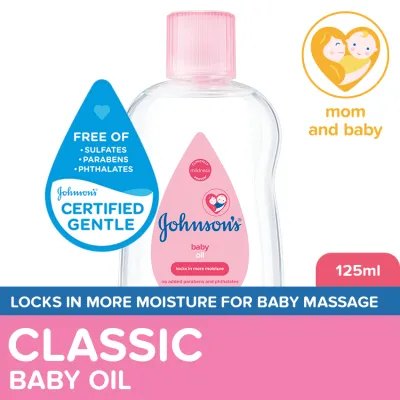
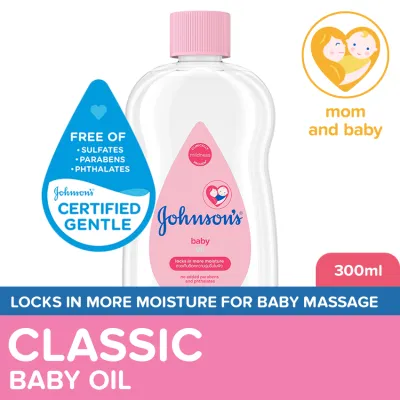
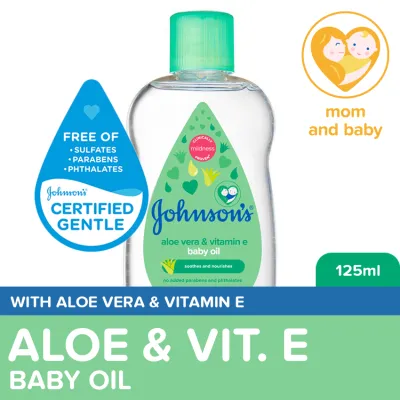
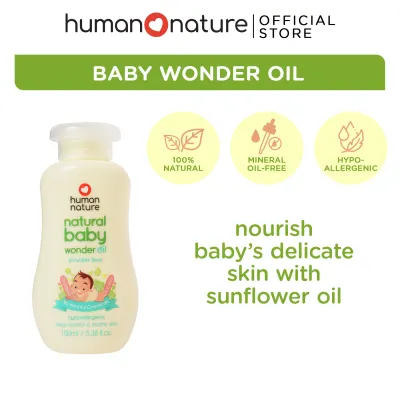
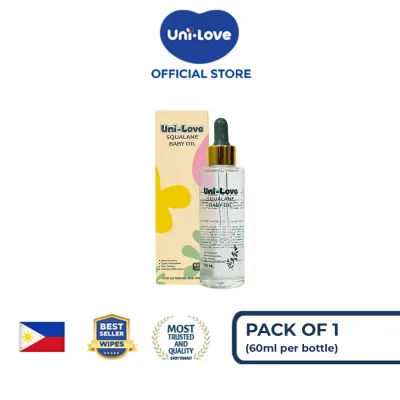

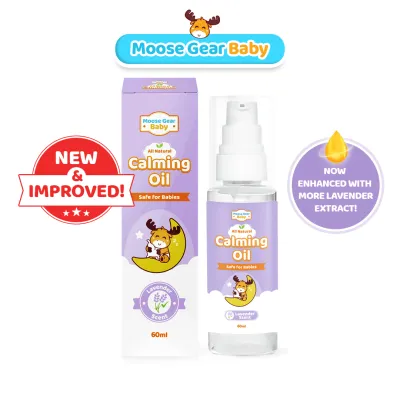
Prices are valid at publication and may change. Please refer to the product page for the latest price.
Understanding Baby Oil Ingredients and Skin Absorption
To make an informed decision, it is helpful to understand what goes into a bottle of baby oil. Traditional commercial baby oils are typically made of mineral oil, which is a highly refined, purified byproduct of petroleum. Cosmetic-grade mineral oil is highly stable, resistant to oxidation, and generally hypoallergenic because it does not contain complex botanical proteins. However, it is an extremely efficient occlusive agent, meaning it forms a physical barrier on top of the skin to lock in moisture.
In contrast, many modern baby oils are plant-based or botanical formulations. These products utilize natural oils such as virgin coconut oil, sunflower seed oil, or sweet almond oil. While these plant-based options often contain beneficial fatty acids that can help nourish the skin barrier, they can also carry natural proteins or added essential oils that may trigger allergic reactions in sensitive individuals. Parents should always verify the complete ingredient list on the product packaging, as formulations vary widely.
The primary concern with applying any heavy oil lies in the unique physiology of newborn skin. An infant’s skin barrier is up to 30 percent thinner than adult skin and has a much higher rate of transepidermal water loss. Because the intercellular lipids in a newborn’s epidermis are less organized, their skin is highly permeable and absorbs topical substances much more rapidly and deeply than adult skin.
Furthermore, a newborn’s skin is still developing its natural acid mantle—the slightly acidic surface film that protects against harmful bacteria. Applying a highly occlusive barrier like mineral-based baby oil can interfere with this natural developmental process. If applied to damp skin or used in excessive amounts, the oil can trap moisture and block pores, disrupting the skin’s ability to breathe and regulate its temperature naturally.
Potential Risks and Side Effects to Watch For
While baby oil is generally non-toxic when used correctly on older children, applying it to newborns carries distinct risks that parents must carefully monitor.

Aspiration and Breathing Risks
The most serious health risk associated with baby oil is lipoid pneumonia, a severe lung condition that occurs when liquid hydrocarbons are inhaled or aspirated into the respiratory tract. Because mineral oil is thin and slippery, it can easily slide down the throat and into the lungs if applied near a baby’s face.
Newborns have immature, uncoordinated swallowing and breathing reflexes, which significantly increases their vulnerability to aspiration. If a caregiver applies baby oil to the infant’s face, near the nose or mouth, or even on the baby’s hands—which inevitably find their way into the mouth—the risk of inhaling microscopic oil droplets rises. Once inside the lungs, the body cannot easily clear the oil, leading to chronic inflammation, respiratory distress, and potential long-term lung damage.
Skin Irritation and Heat Rash
In tropical and highly humid climates like the Philippines, the body relies heavily on the evaporation of sweat to regulate temperature. A newborn’s eccrine sweat glands are still underdeveloped and easily obstructed. When heavy, occlusive oils are applied to the skin, they trap sweat, sebum, and environmental moisture directly inside the pores.
This blockage frequently results in miliaria, commonly known as heat rash or bungang-araw. This condition presents as clusters of tiny, itchy red bumps that cause significant discomfort and restlessness for the baby. Additionally, applying heavy oils can exacerbate neonatal acne—a common, self-limiting skin condition triggered by maternal hormones—by trapping oils and bacteria within the developing hair follicles.
Allergic Reactions and Fragrance Sensitivities
Many popular commercial baby oils contain added synthetic fragrances to give them a pleasant, recognizable scent. However, synthetic fragrances are among the most common triggers for allergic contact dermatitis in young infants.
A newborn’s highly permeable skin is particularly susceptible to these chemical additives. Exposure can lead to localized skin irritation, characterized by redness, dry patches, scaling, or hives. Even botanical oils that contain natural fragrances or added essential oils can act as potent sensitizers, causing allergic reactions that may worsen with repeated use.
Safe Usage Guidelines and Age-Appropriate Precautions
If you choose to incorporate baby oil into your infant’s skincare routine, waiting until they are past the newborn stage—typically older than one to two months—is highly recommended. By this time, the skin barrier has had more time to mature and stabilize. Always check the manufacturer warnings on the specific product packaging to verify age suitability and proper usage instructions.
When using baby oil on an older baby, adhering to strict safety precautions can minimize the risk of adverse reactions:
- Apply to your hands first: Never pour baby oil directly onto your baby's skin. Instead, dispense a small, dime-sized amount into your own palms, rub your hands together to warm the oil, and then gently massage it onto the baby's body.
- Avoid high-risk areas: Keep the oil completely away from the baby's face, nose, mouth, and hands. This prevents both accidental inhalation of the product and oral ingestion.
- Ensure proper ventilation: Always apply baby oil in a well-ventilated room to prevent the accumulation of airborne oil droplets that the baby could inhale.
- Conduct a patch test: Before applying any new oil to a larger area of the body, perform a localized patch test. Apply a single drop of the oil to a small, clear patch of healthy skin on the baby's inner forearm or thigh. Monitor the area closely for 24 hours. If you notice any redness, swelling, bumps, or dry patches, wash the area immediately and discontinue use.
- Know when to stop use: Discontinue the use of baby oil immediately and consult your pediatrician if your baby develops a rash, persistent redness, peeling, or hives. Seek immediate medical attention if you notice any signs of respiratory distress, such as rapid breathing, flared nostrils, or grunting.
- Avoid broken skin and sun exposure: Never apply baby oil to open scratches, active diaper rashes, or eczema flare-ups, as the occlusive barrier can trap bacteria and worsen the inflammation. Additionally, avoid applying oil before going outdoors, as the oil can concentrate heat on the skin and increase the risk of sunburn in tropical climates.
Safe Alternatives to Baby Oil for Newborn Skin Care
For parents seeking safer, pediatrician-approved ways to care for their newborn’s skin, several highly effective alternatives are available:
- Gentle bathing routines: For the first few weeks of life, routine newborn bathing requires nothing more than lukewarm water. If a cleanser is necessary for soiled areas, choose a gentle, fragrance-free, pH-balanced liquid baby wash that cleanses without stripping the skin's natural moisture barrier.
- Fragrance-free baby lotions and creams: To address general dryness, fragrance-free, hypoallergenic baby lotions or creams are excellent choices. Formulations containing skin-identical lipids, such as ceramides, help support and rebuild the natural skin barrier. Unlike oils, these creams absorb easily, hydrate the skin, and allow the skin to breathe comfortably in warm, humid weather.
- Pediatrician-approved massage oils: If you wish to practice infant massage, many pediatric dermatologists recommend using cold-pressed, food-grade plant oils, such as organic sunflower seed oil or virgin coconut oil, instead of mineral-based oils. These oils are lightweight and contain beneficial fatty acids, but you should still consult your pediatrician to verify suitability for your baby's specific skin type.
- Localized barrier ointments: For targeted dry patches or diaper area protection, plain white petroleum jelly or pediatrician-recommended zinc oxide barrier ointments are safer and highly effective. They provide a reliable protective seal against wetness without the runniness or aspiration risks associated with liquid baby oils.
Frequently Asked Questions (FAQ)
Can I use baby oil for newborn massage?
While infant massage offers wonderful bonding and developmental benefits, mineral-based baby oils are generally not recommended for newborns due to the risks of skin occlusion and accidental inhalation. If you would like to practice massage, consult your pediatrician first to ask about safe, food-grade, cold-pressed plant oils that are appropriate for your baby’s age and skin condition.
Is baby oil good for treating newborn cradle cap?
Historically, parents often used baby oil to loosen the crusty scales associated with cradle cap (seborrheic dermatitis). However, modern pediatric guidance advises against leaving heavy mineral oil on the scalp, as it can trap yeast (Malassezia) and actually worsen the condition. A safer approach is to wash the baby’s scalp with a mild baby shampoo and gently brush the scales away with a soft-bristled brush.
Should I avoid fragranced baby oils?
Yes, pediatricians strongly recommend avoiding fragranced baby products, including fragranced baby oils, for newborns. Synthetic fragrances and essential oils are common triggers for skin sensitization, contact dermatitis, and respiratory irritation in young infants. Always opt for fragrance-free, hypoallergenic formulations and carefully read the ingredient labels before purchase.

Community discussion
Share your experience or ask a question. Comments are reviewed before publication.