
An electric duyan—a motorized baby hammock or swing—is a popular modern convenience for many parents in the Philippines seeking to soothe a fussy newborn. While the gentle, rhythmic rocking motion can mimic the womb and help calm a crying infant, parents must understand that an electric duyan is not a substitute for a safe crib or bassinet. When considering whether an electric duyan is safe for your newborn, it can be a helpful, supervised soothing tool during awake hours, but it is not safe for unsupervised sleep or overnight rest. Ensuring your baby’s safety requires a clear understanding of infant sleep guidelines, a rigorous inspection of the product’s mechanical features, and strict adherence to manufacturer instructions.
Understanding Sleep Safety Guidelines for Newborns
To evaluate the safety of an electric duyan, it is essential to first understand the foundational principles of safe infant sleep. Pediatric health organizations worldwide emphasize that newborns should always sleep on their backs on a flat, firm, and separate sleep surface. This surface should be free of loose blankets, pillows, bumper pads, stuffed toys, or soft padding. These guidelines are designed to minimize the risk of Sudden Infant Death Syndrome (SIDS) and accidental suffocation.
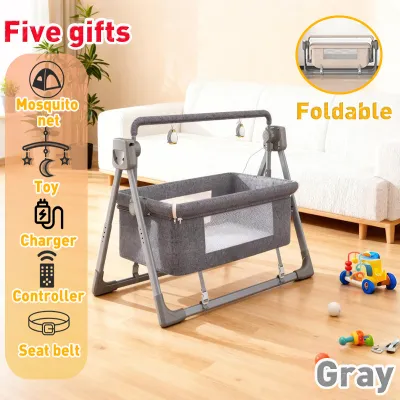
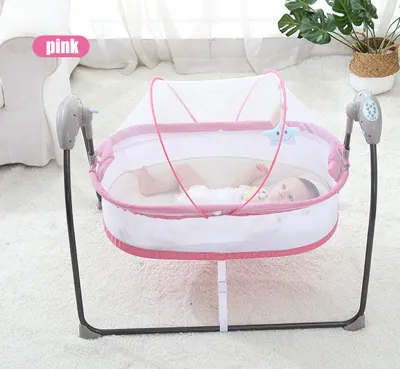
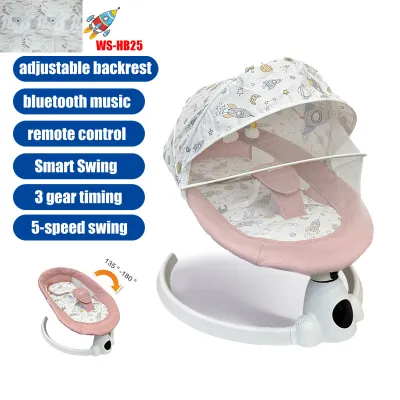
An electric duyan typically features a suspended, curved, or slightly inclined fabric pocket that cradles the baby. Because this design does not provide a completely flat and firm surface, it does not meet the criteria for a safe primary sleep environment. When an infant’s chin drops toward their chest on an inclined or curved surface, it can restrict their relatively weak airway—a condition known as positional asphyxiation.
Products mentioned in this guide
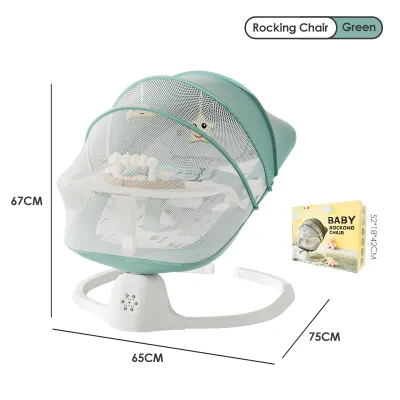
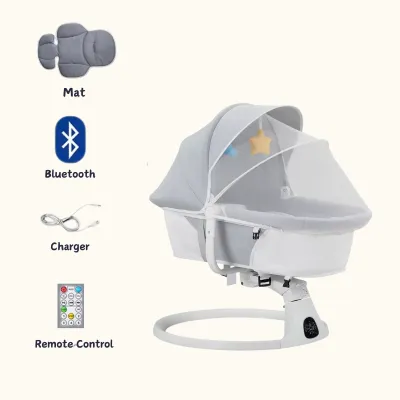
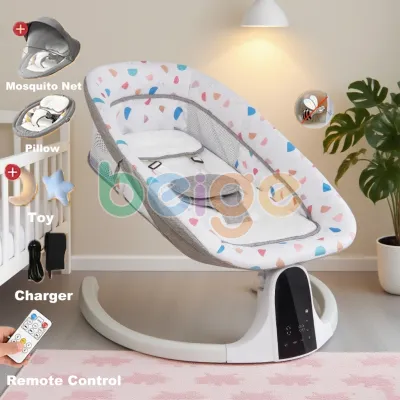

Prices are valid at publication and may change. Please refer to the product page for the latest price.
Therefore, parents must draw a strict distinction between a primary sleep environment and a supervised soothing tool. The electric duyan should only be used when your newborn is awake, calm, and under direct, continuous adult supervision. If your baby happens to fall asleep while in the duyan, you should gently transfer them to a compliant crib, bassinet, or play yard as soon as possible to ensure their airway remains clear and unobstructed. If you have any concerns about your baby’s sleep habits or breathing, always consult a pediatrician or a qualified pediatric sleep specialist.
Critical Safety Features to Check Before Buying
If you decide to purchase an electric duyan for supervised soothing, you must carefully evaluate its physical and mechanical construction. Not all models available on the market are built to the same standards, making a thorough pre-purchase inspection vital. When comparing options in local stores or online marketplaces, do not let a low price tag in ₱ compromise your child’s safety.

First, assess the structural stability of the frame. The base must be heavy and wide enough to prevent the entire unit from tipping over, even when the motor is operating at its highest speed setting or if the baby shifts their weight. Look for a wide support leg span and non-slip rubber feet that grip the floor securely. A flimsy or narrow frame poses a severe tipping hazard, especially on smooth tiled or wooden floors common in tropical homes.
Second, evaluate the harness system. A secure harness is non-negotiable to prevent your baby from sliding down, shifting into an unsafe position, or falling out. Look for a three-point or five-point harness with durable, child-proof buckles that require a deliberate effort to release. The straps should be adjustable to fit a newborn snugly, and the material should be soft yet strong, with anti-slip backing or padding to prevent skin chafing.
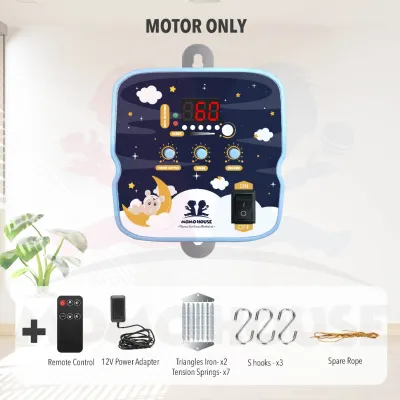
Third, inspect the motor and electrical components. Because these devices rely on electricity to swing or bounce, cable management is critical. Ensure that all power cords are kept completely out of reach of the baby and any older siblings. The motor housing should be fully sealed to prevent pinch points where tiny fingers or fabric could get caught. Additionally, verify that the unit features built-in overheating protection, which automatically shuts off the motor if it runs too long or encounters resistance.
Fourth, prioritize fabric breathability and hygiene. In the warm, humid climate of the Philippines, a baby can quickly overheat in thick, synthetic fabrics. Choose a duyan that utilizes breathable mesh panels or lightweight, natural cotton fabrics to promote optimal airflow. The fabric cover should also be easily removable and machine-washable, allowing you to maintain a clean, hygienic environment free from sweat, spit-up, and diaper leaks.
How to Verify Age, Weight, and Developmental Limits
Every electric duyan is engineered with specific physical limits that dictate its safe operating capacity. Before placing your baby in any device, you must locate and read the physical manufacturer label or user manual to verify the minimum and maximum weight and age limits. Never rely solely on online product titles, marketing descriptions, or ecommerce listings, as these can sometimes be inaccurate, generalized, or misleading.
Newborns have very different physical needs compared to older infants. A device that is safe for a three-month-old may lack the necessary head and neck support for a newborn. Conversely, as your baby grows, their increasing weight and movement can strain the motor or compromise the stability of the frame.
Equally important are developmental milestones. Even if your baby is well under the maximum weight limit, you must stop using the electric duyan the moment they show signs of attempting to roll over, push up on their hands and knees, or sit up independently. These movements change the baby’s center of gravity and increase the risk of the duyan tipping or the baby escaping the harness. Always cross-reference these milestones with the specific product documentation to ensure you are using the device within its intended safety window.
Safe Usage Practices and Supervision Rules
Owning a safe electric duyan is only half the battle; using it correctly is what truly protects your child. The golden rule of using any motorized baby swing or hammock is that the baby must remain awake and under active supervision at all times. Active supervision means you are in the same room, keeping a direct line of sight on your baby, and are close enough to intervene immediately if their head slumps forward or if they appear uncomfortable.
Placement of the device is another critical safety factor. Always position the electric duyan on a flat, level floor. Never place it on elevated surfaces like tables, beds, or countertops, as the vibrations from the motor can cause the unit to drift and fall. Keep the duyan well away from hazards such as window blind cords, electrical outlets, wall fans, heaters, or water sources.
Finally, establish reasonable daily time limits. While the rhythmic motion can be incredibly soothing, leaving a baby in a duyan for extended periods can limit their opportunities for natural movement. Newborns need plenty of flat floor time—such as supervised “tummy time”—to develop their neck, shoulder, and core muscles. Limit duyan sessions to short intervals, using it primarily as a temporary tool to calm a fussy baby rather than a place for them to spend hours at a time.
When to Stop Using the Electric Duyan
Knowing when to retire the electric duyan is crucial for preventing accidents as your baby transitions out of the newborn stage. You must immediately discontinue use if your baby reaches any of the manufacturer’s specified limits, whether it is age, weight, or height.
Additionally, watch your baby’s behavior closely during use. If they actively struggle against the harness, attempt to climb out, or successfully roll over while strapped in, the device is no longer safe for them.
Regularly inspect the equipment itself for signs of wear and tear. Over time, the constant motion can loosen screws, fray harness straps, or wear down the motor. If you notice any unusual grinding noises from the motor, loose structural joints, frayed fabric seams, or damaged electrical cords, stop using the duyan immediately. Do not attempt temporary DIY repairs on critical safety components; instead, contact the manufacturer or replace the unit entirely.
Frequently Asked Questions (FAQ)
Can a newborn sleep overnight in an electric duyan?
No, a newborn should never sleep overnight or unsupervised in an electric duyan. Safe sleep guidelines require a flat, firm, and independent surface to minimize the risk of SIDS and positional asphyxiation. The curved or inclined design of a duyan can cause a newborn’s heavy head to tilt forward, potentially blocking their airway. If your baby falls asleep in the duyan, gently transfer them to a compliant crib or bassinet.
What safety certifications should I look for when buying locally?
When purchasing an electric duyan in the Philippines, look for recognized safety marks on the packaging. For the electrical components and motor, check for local quality and safety marks such as the Import Commodity Clearance (ICC) sticker or the Philippine Standard (PS) quality mark, which indicate compliance with national electrical safety standards. For the physical structure and baby-gear safety, look for international certifications such as ASTM (American Society for Testing and Materials) or EN (European Standards). Always buy from official brand stores or authorized sellers, and do not hesitate to ask the seller for official compliance documentation or safety test reports before finalizing your purchase.

Community discussion
Share your experience or ask a question. Comments are reviewed before publication.