
When your little one is uncomfortable from a mosquito bite, your first instinct as a parent is to find fast, soothing relief. However, if you are holding a tube of AfterBite or any similar insect bite relief product, you must pause before applying it to your baby’s skin. The safety of these topical treatments depends entirely on the specific product variant, its active ingredients, and the manufacturer’s explicit age restrictions.
Before applying any topical solution, you must check the product label immediately. Not all products under the same brand name are formulated for delicate baby skin, and some contain strong chemicals that are unsafe for infants. No topical bite relief should be used on infants without verifying the label’s minimum age requirement or consulting a pediatrician. In tropical environments like the Philippines, where high humidity and frequent rains bring a constant influx of mosquitoes, having a clear, safe strategy for infant skin care is essential.
Checking the Label: Active Ingredients and Baby Skin
To make an informed decision, you must first locate and read the active ingredients list on the specific product packaging. Insect bite relief products are not all created equal; different formulations under the same brand family can contain vastly different chemical compounds. Some variants are designed strictly for adults or older children, while others are marketed as gentler formulas.
Products mentioned in this guide
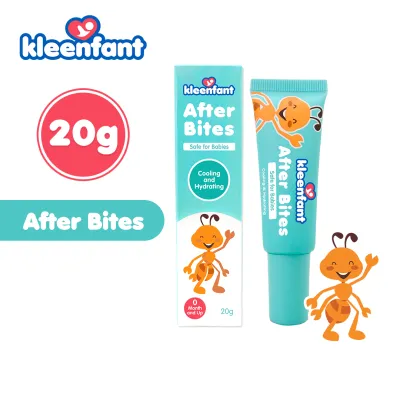
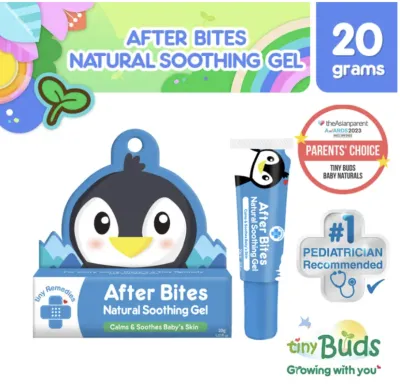
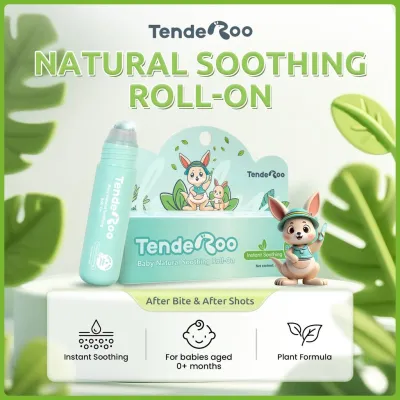
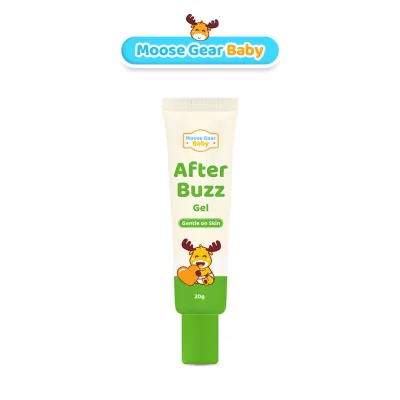
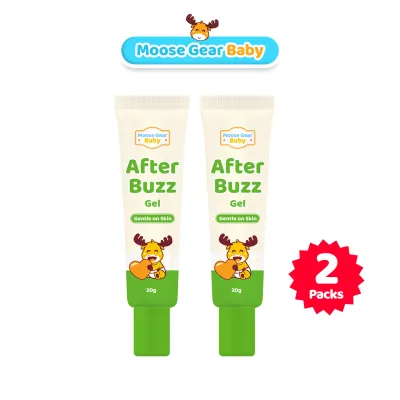
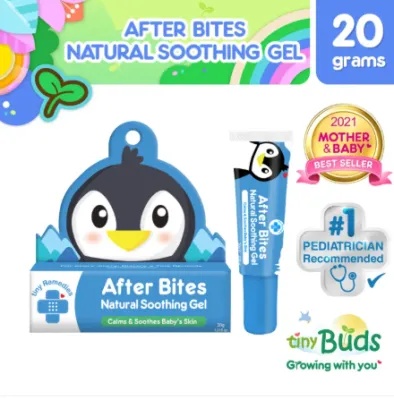
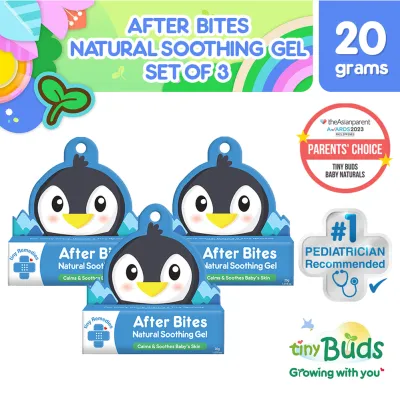
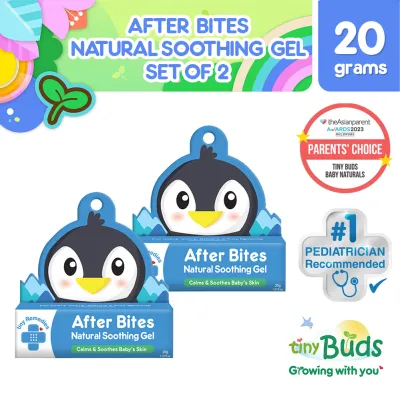
Prices are valid at publication and may change. Please refer to the product page for the latest price.
When reviewing the ingredients, you will often find substances like ammonia, topical antihistamines, essential oils, camphor, or menthol. While these ingredients are highly effective at neutralizing the itch or providing a cooling sensation on adult skin, they present significant risks to infants. Ammonia, for instance, can cause severe irritation or chemical burns on highly sensitive skin. Camphor and menthol, though natural in origin, can be toxic if absorbed in high quantities or accidentally ingested. Topical antihistamines, if applied over large areas of broken skin, can lead to unwanted systemic side effects.
Infant skin is fundamentally different from adult skin. It is much thinner, more permeable, and has a higher surface-area-to-body-weight ratio. This means that any chemical applied to a baby’s skin is absorbed much more rapidly and deeply into their system. What might be a mild, soothing sensation for an adult can easily become a source of severe irritation, redness, or systemic absorption for a baby. For this reason, you must treat every topical bite relief product as a active chemical exposure and evaluate its ingredients with extreme caution.
Age Guidelines for Insect Bite Relief Products
Determining the appropriate age to introduce topical bite treatments to your child requires a strict adherence to manufacturer guidelines. You should never guess or assume a product is safe based on its shelf placement or brand reputation. Always locate the minimum age recommendation, which is typically printed on the outer box or the back of the tube.

For infants under six months of age, the general rule of pediatric care is to avoid almost all over-the-counter medicated topical treatments unless specifically prescribed by a doctor. At this stage of development, the skin barrier is still maturing, and the risk of adverse reactions is at its highest. As children transition into toddlerhood, some gentle, non-medicated, or specifically formulated pediatric products may become appropriate, but the manufacturer’s label remains the ultimate authority.
If your child is under the specified age limit on the product label, or if they have pre-existing skin conditions like eczema or sensitive skin, you must consult a pediatrician before application. A healthcare professional can provide a safe, personalized recommendation and help you weigh the risks of the topical treatment against the discomfort of the insect bite itself.
Safe Application Steps and Precautions
If you have verified that a product is age-appropriate for your child, you must still follow a disciplined application process to minimize risks and prevent accidental ingestion. Taking a few extra seconds to apply the product correctly can prevent a minor bite from turning into a more significant skin issue.
First, clean the bite area gently with mild soap and cool water before applying any treatment. This simple step removes any lingering insect saliva, dirt, or bacteria from the surface of the skin, which helps reduce the risk of secondary infection and prepares the skin for a clean application.
Second, always perform a patch test before applying the product to the actual bite. Apply a tiny, pea-sized amount of the product to a small, unaffected area of your child’s skin, such as the outer arm or leg. Wait at least twenty-four hours to monitor the spot for any signs of redness, swelling, or irritation. If the skin remains clear, you can proceed with applying it to the bite.
When applying the product, you must strictly avoid sensitive areas. Never apply topical treatments near the eyes, mouth, nose, or on open wounds and broken skin. Additionally, avoid applying the product to your child’s hands or fingers. Babies and toddlers frequently rub their eyes and put their hands in their mouths, which can easily lead to accidental ingestion or painful eye irritation. Apply only a minimal, thin layer of the product and supervise your child closely until the application is completely dry and absorbed.
When to Stop Use and Seek Medical Help
As a parent, you must remain vigilant after applying any new product to your child’s skin. Even products labeled as safe or gentle can occasionally trigger adverse reactions. Knowing when to stop treatment and seek professional medical care is crucial for your child’s safety.
Immediately discontinue use and wash the product off with mild soap and water if you observe any signs of skin irritation or contact dermatitis. These signs include sudden redness, swelling, a raised rash, or if your child begins scratching the area more intensely after application.
Furthermore, you must be able to distinguish between a normal localized reaction to an insect bite and a severe allergic reaction or secondary infection. Seek immediate medical attention if you notice any of the following symptoms:
- Pus or yellowish crusting around the bite area
- The skin feels unusually warm to the touch
- Red streaks spreading outward from the bite
- A fever, lethargy, or general irritability
- Swelling of the face, lips, or tongue, or any difficulty breathing, which indicates a medical emergency
Always trust your parental instincts. If a bite looks unusually large, angry, or does not begin to improve after a few days, a quick visit to your pediatrician is the safest course of action.
Frequently Asked Questions (FAQ)
Can I use adult AfterBite on my toddler if I dilute it?
No, you should never attempt to dilute or alter adult formulations for use on a baby or toddler. Diluting a product with water, lotion, or oil does not safely change the chemical nature of potentially harsh active ingredients, such as ammonia or strong essential oils. Instead, it can cause uneven distribution of the active chemicals, potentially exposing your child’s skin to concentrated pockets of the irritant. Adult products are formulated specifically for mature skin barriers and can compromise your child’s safety if modified at home.
What are safe alternatives for soothing baby insect bites?
For infants who are too young for standard over-the-counter medicated bite relief, physical soothing methods are the safest and most effective options. You can apply a clean, cool, damp cloth to the affected area for a few minutes to reduce swelling and numb the itch. If the itch is persistent, consult your pediatrician to ask about baby-safe, non-medicated soothing lotions, barrier creams, or simple emollients that are specifically formulated to protect and calm delicate infant skin without active chemical risks.
How can I prevent insect bites on my baby in the first place?
Preventing bites is always the safest approach, especially in warm, tropical climates. Utilize physical barriers such as fine-mesh mosquito nets over cribs, playpens, and strollers to keep insects away without chemicals. Dress your baby in lightweight, long-sleeved shirts and long pants when spending time outdoors. When choosing insect repellents, always check the product labels for baby-safe environmental options, and avoid applying strong chemical repellents directly to the skin of young infants.

Community discussion
Share your experience or ask a question. Comments are reviewed before publication.