
A rocking bed can be a soothing addition to your nursery, but it is safe for a newborn only when used under strict safety conditions. While the gentle swaying motion can help calm a fussy baby during supervised wakeful moments, unsupervised sleep requires a completely flat, stationary, and firm surface. Understanding how to evaluate these products is essential for preventing sleep-related hazards in your baby’s early months.
In warm and humid tropical climates like the Philippines, choosing nursery furniture requires extra attention to material breathability and structural integrity. High humidity can affect wood, fabric, and metal components over time, making regular safety inspections even more critical. Before you set up a rocking bed in your home, you must learn how to distinguish between safe sleep environments and temporary soothing tools.
Every caregiver wants to provide the most comfortable environment for their newborn, but comfort must never compromise safety. By focusing on physical design, locking mechanisms, and proper usage guidelines, you can make an informed decision that protects your infant. This guide outlines the essential safety checks and buying guidelines to help you navigate the options available on the market.
Products mentioned in this guide
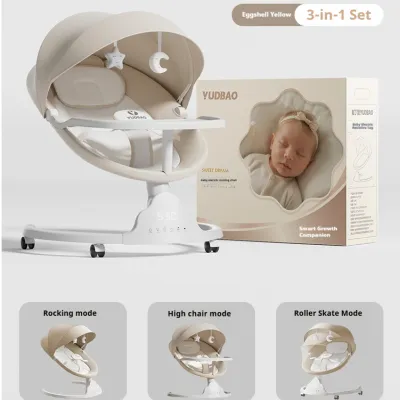
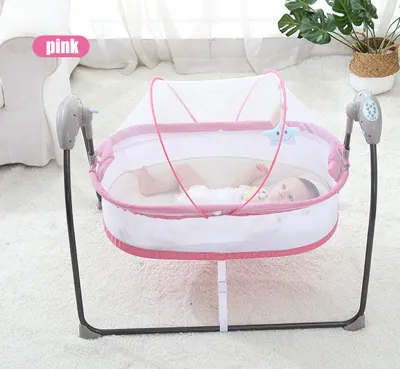
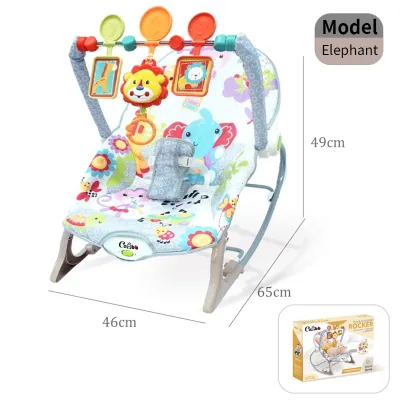

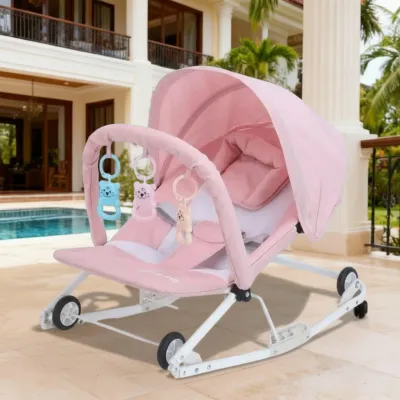
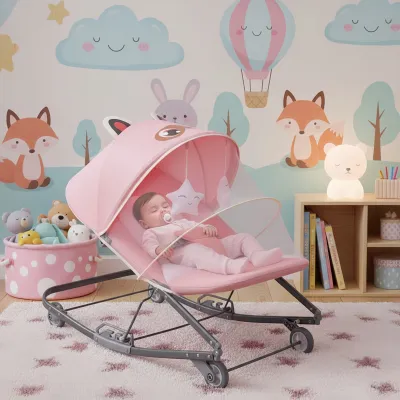
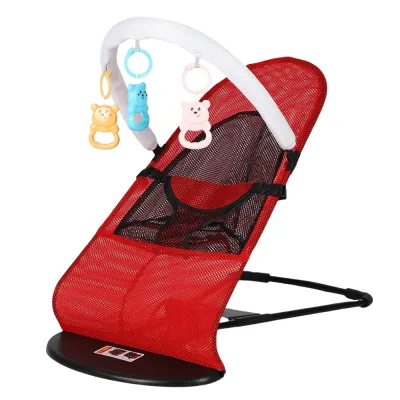
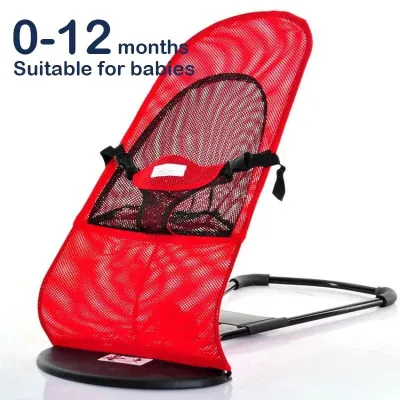
Prices are valid at publication and may change. Please refer to the product page for the latest price.
Understanding Rocking Beds vs. Standard Cribs
A rocking bed for baby—which includes rocking cradles, motion bassinets, and specialized cribs with curved runners or mechanical swaying bases—is designed to mimic the comforting movement a baby experiences in the womb. Unlike standard stationary cribs that remain completely rigid, these beds feature a pivot point, curved legs, or electronic mechanisms that allow the sleeping platform to sway from side to side or glide back and forth.
Standard stationary cribs are built to remain entirely immobile, providing a consistent, unmoving foundation that aligns with traditional safe sleep guidelines. Rocking beds introduce a dynamic element that, while helpful for soothing, requires active management by the caregiver. If a rocking bed does not have a reliable way to stop the motion, it presents risks that a standard stationary crib does not.
When shopping on an online marketplace or visiting a local showroom, you will find that rocking beds generally have a much smaller footprint than standard cribs. This smaller size makes them convenient for keeping your newborn close to your own bed during the first few months. However, this compact design also means they have a shorter usable lifespan and lower weight limits than full-sized cribs.
Before making a purchase, you must locate and read the manufacturer’s documentation to verify the intended age, height, and weight ranges. Never assume a rocking bed is suitable for your newborn simply because of its name or marketing images. Some models are designed strictly for older infants who have different developmental capabilities, while others are engineered exclusively for the first few weeks of life.
Understanding these structural differences helps you set realistic expectations for how long the furniture will serve your family. A standard crib can often transition into a toddler bed, whereas a rocking bassinet or cradle is a specialized, short-term investment. Recognizing this distinction prevents the dangerous practice of keeping a growing, active baby in a small, mobile sleeper for too long.
Key Safety Features to Verify Before Buying
Evaluating a rocking bed requires looking past aesthetic appeal and focusing on physical construction and safety mechanisms. Whether you are inspecting a model in a physical store or reviewing specifications on an ecommerce platform, you should use a strict checklist to verify its structural safety.

First, examine the mattress base to ensure it is completely flat and firm. A firm mattress should not conform to the shape of your baby’s head or body; when you press your hand down on the surface and release it, the material must snap back instantly without leaving an indentation. Avoid any rocking beds that feature built-in inclines, hammock-like slumping, or soft, pillowy surfaces, as these designs can compromise a newborn’s airway.
Second, verify the presence and reliability of the locking mechanism. A safe rocking bed must have a secure, heavy-duty lock that completely disables the rocking or gliding motion, turning the bed into a rigid, stationary sleeper. Test this lock yourself to ensure it cannot be accidentally disengaged by a passing sibling, a pet, or the baby’s own movements. The lock should feel robust and engage with a distinct, positive click.
Third, assess the breathability of the side walls and the overall fit of the mattress. In warm, humid environments, proper air circulation is vital to prevent heat retention and ensure your baby breathes fresh air. Look for sides made of tight, breathable mesh rather than solid wood or heavy fabrics. Additionally, check that there are absolutely no gaps between the edges of the mattress and the frame of the bed; a gap wider than two fingers poses a serious entrapment hazard.
Fourth, look for physical certification labels and safety tags permanently attached to the frame of the bed. Do not rely on vague product descriptions or verbal promises of safety from online sellers. Instead, look for physical markings indicating compliance with recognized international safety standards, such as ASTM International or European Standards (EN). These labels confirm that the product design has undergone rigorous physical testing for stability, structural strength, and non-toxic materials.
Finally, consider the overall stability of the base. A rocking bed with a narrow base is more prone to tipping if bumped or if the baby shifts weight abruptly. Look for models with a wide, stable footprint that resists tipping even when the rocking mechanism is fully extended. If you are planning your nursery budget, remember that spending ₱5,000 to ₱15,000 on a certified, highly stable model is a direct investment in your peace of mind.
Aligning Rocking Bed Use With Safe Sleep Guidelines
Using a rocking bed safely means integrating it into a broader routine of safe sleep practices established by pediatric health authorities. The fundamental rule of infant sleep is that babies must always be placed on their backs on a flat, firm, and level surface for every sleep, whether it is a daytime nap or nighttime slumber.
Leaving a rocking bed in an active, unlocked rocking position while your baby sleeps unsupervised introduces significant hazards. If the bed sways continuously, the baby’s head can roll to one side, or their body can slide against the fabric wall, potentially blocking their nose and mouth. Furthermore, if the baby rolls or shifts weight while the bed is free to move, the tilt of the bed can make it difficult for them to clear their airway.
To maintain a safe sleep environment, you must keep the interior of the rocking bed completely bare. This means no loose blankets, pillows, stuffed toys, sleep positioners, or padded bumper guards should ever be placed inside the bed. In tropical climates, instead of using loose blankets to keep your baby comfortable, opt for a lightweight, breathable swaddle or a wearable sleep sack that fits securely around their shoulders.
If your newborn experiences frequent spitting up or has been diagnosed with gastroesophageal reflux, you might feel tempted to use an inclined or rocking bed to help them sleep. However, you should never use non-flat or moving sleep surfaces to manage medical conditions without direct guidance. Always consult a qualified pediatrician to discuss safe, approved feeding and sleeping strategies tailored to your baby’s health needs.
Supervision is the key differentiator when using any motion-based baby gear. If you choose to use the rocking motion to help soothe a crying newborn, you must remain in the room and actively watch them. Once the baby drifts off to sleep, you must immediately stop the motion and engage the physical lock to secure the bed in a stationary position.
When to Stop Using a Rocking Bed: Clear Boundaries
A rocking bed is a temporary sleeping solution designed for the earliest stages of infancy, and you must plan for the transition to a standard crib well in advance. Knowing exactly when to stop using the rocking bed is crucial for preventing falls and entrapment as your baby grows and gains strength.
Always monitor the manufacturer’s maximum weight and height limits, which are typically printed on a safety label on the underside or side panel of the bed. Even if your baby seems small, reaching either the weight or height limit means the structural integrity and balance of the rocking mechanism are no longer guaranteed. Keep a close eye on these limits, especially if you purchased a lightweight travel model.
Developmental milestones are even more critical than age or weight limits when deciding to transition. You must stop using the rocking bed immediately as soon as your baby shows any signs of rolling over, pushing up on their hands and knees, or sitting up. A baby who can move independently can easily shift their weight, causing the rocking bed to tilt excessively or allowing them to climb or fall over the relatively shallow sides of a bassinet-style bed.
Finally, perform regular maintenance checks on the hardware of the bed to ensure it remains safe throughout its period of use. Inspect the frame weekly for loose screws, worn joints, or any degradation of the locking mechanism. If you notice any wobbling, squeaking, or failure of the lock to hold the bed completely stationary, discontinue use immediately and contact the manufacturer for guidance or replacement parts.
In humid regions, pay close attention to any signs of mold, mildew, or rust on the fabric and metal components. Moisture can accumulate quickly in tropical climates, weakening fabrics and compromising joints. Regular cleaning according to the manufacturer’s instructions and keeping the nursery well-ventilated will help preserve the structural safety of the bed during its period of use.
Frequently Asked Questions (FAQ)
Can I leave the rocking bed in motion while my baby sleeps?
No, you should not leave the rocking bed in motion while your baby is sleeping unsupervised. The rocking mechanism should only be used to soothe your baby while they are awake and under your direct supervision. Once your baby falls asleep, you must engage the physical locking mechanism to keep the bed completely stationary and flat, minimizing the risk of positional airway obstruction or accidental rolling.
Are bedside rocking bassinets safer than standalone rocking cribs?
Neither style is universally safer than the other, as both must meet the same fundamental safety requirements of a flat, firm mattress and a secure locking mechanism. If you choose a bedside rocking bassinet, you must verify that its attachment straps secure tightly to your adult bed frame without any gaps, and you must lock the rocking feature completely during sleep. Standalone rocking cribs require the same strict adherence to locking mechanisms and flat sleep surfaces to ensure your baby’s safety.

Community discussion
Share your experience or ask a question. Comments are reviewed before publication.