
The Short Answer: Is a Traditional Duyan Safe for Newborns?
When welcoming a new infant into a Filipino household, one of the most common family heirlooms or gifts you might receive is a traditional fabric hammock. If you are considering using a duyan for baby sleep, understanding the clinical safety guidelines is the most critical first step. While this traditional swinging hammock has been used for generations across the Philippines to calm fussy infants, modern pediatric health guidelines offer a clear and vital consensus on its safety.
Mainstream pediatric organizations, including local pediatric societies and global health authorities, recommend that newborns always sleep on a firm, flat, and separate sleep surface. This recommendation is designed to minimize the risks of Sudden Infant Death Syndrome (SIDS), accidental suffocation, and positional asphyxia. Because a traditional fabric hammock does not feature a flat or rigid base, it does not meet these safety criteria.
Therefore, a traditional fabric hammock is not considered a safe primary or unsupervised sleep environment for a newborn. There is, however, a strict clinical distinction between using a hammock for brief, supervised soothing while your baby is fully awake, versus using it for overnight sleep or unsupervised naps. If you choose to integrate this traditional tool into your daily parenting routine, it must be restricted to active, awake relaxation under direct adult eyes. For any doubts regarding your baby’s unique developmental needs, always consult your pediatrician for personalized guidance.
Products mentioned in this guide

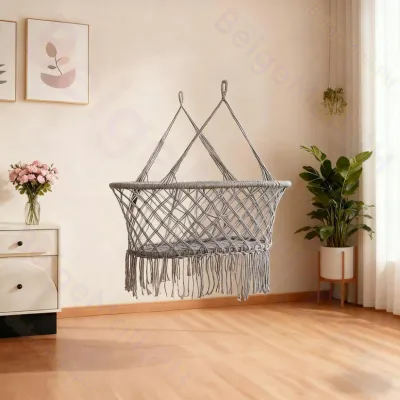
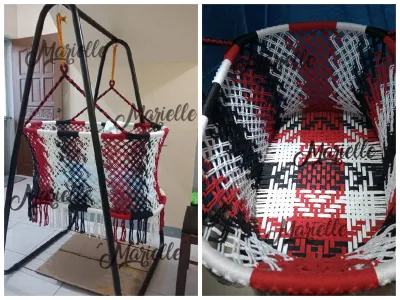
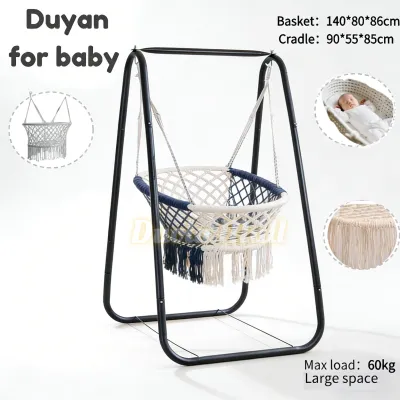
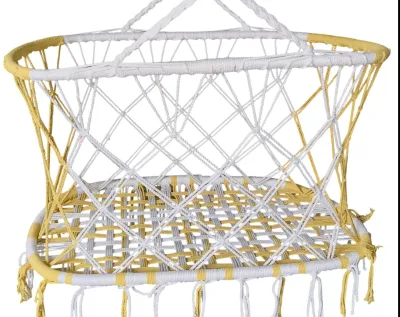
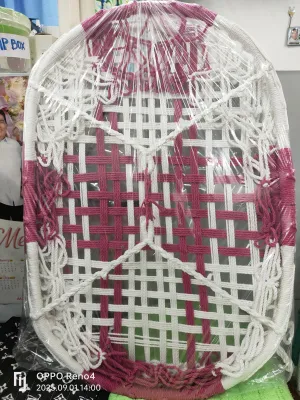
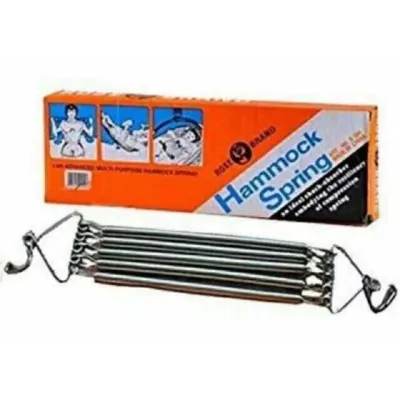
Prices are valid at publication and may change. Please refer to the product page for the latest price.
Understanding the Safety Risks of a Duyan for Baby
To make informed choices for your nursery setup, it is essential to understand the specific physical and environmental hazards associated with a traditional fabric duyan for baby use. While the gentle swaying motion is highly effective at calming an infant, the physical structure of a suspended fabric sling introduces several anatomical and mechanical vulnerabilities for a developing newborn.

Airway Restriction and Suffocation Hazards
The most immediate and life-threatening risk of a fabric hammock is positional asphyxia. When a newborn is placed on a soft, curved surface, the hammock naturally bows under the baby’s weight. This curvature forces the infant’s head to tilt forward, causing their chin to rest heavily against their chest. Because a newborn’s airway is highly flexible and about the width of a drinking straw, this chin-to-chest position can easily kink and restrict their breathing, leading to silent suffocation without the baby showing outward signs of struggle.
Additionally, newborns do not possess the neck strength or motor control required to lift or turn their heads if they shift position. If a baby rolls slightly or is pushed by the fabric’s natural contour, their nose and mouth can easily become pressed against the soft material. This creates a high risk of suffocation as the baby rebreaths trapped carbon dioxide or has their airway completely blocked by the fabric folds.
Finally, loose fabric is a major hazard in any infant environment. The excess material of a traditional cloth sling can easily bunch up or drape over the baby’s face as they move or as the hammock swings. Without a rigid frame to keep the fabric taut, these loose folds act as immediate suffocation barriers that a newborn is physically incapable of clearing on their own.
Fall Risks and Structural Failures
The suspension mechanisms of a traditional hammock introduce significant mechanical risks. Whether suspended from a ceiling beam, a doorway frame, or a metal stand, the entire structure relies on hooks, ropes, springs, and knots that are subject to continuous physical stress. Over time, friction and high humidity in tropical environments can degrade these components, leading to sudden structural failure and dropping the baby to the floor.
There is also a high risk of the baby falling directly out of the sides of the hammock. Unlike a modern crib with high, rigid slats, a fabric sling relies entirely on the depth of its fabric fold to keep the baby contained. If the edges are not adequately secured, or if the baby makes a sudden, reflexive movement, the fabric can easily shift or tilt, causing the infant to roll over the edge and fall.
For freestanding metal frames, tipping is a constant hazard. If the base of the stand is not sufficiently wide, weighted, or placed on a perfectly level floor, any vigorous movement from the baby can shift the center of gravity. This can cause the entire metal frame to tip over, creating a severe impact hazard for the child and anyone nearby.
Impact on Spinal and Hip Development
A newborn’s skeletal system is highly malleable, consisting largely of flexible cartilage that gradually ossifies into bone. To support healthy musculoskeletal alignment, pediatric orthopedists emphasize that infants require a firm, flat surface that supports the natural development of the spine and hip joints.
When an infant spends prolonged periods in a curved fabric hammock, their spine is forced into a continuous C-shaped curve without any flat resistance. This lack of structural support can put unnatural pressure on the developing vertebrae and surrounding muscles. Furthermore, the tight wrapping effect of a narrow fabric sling can force the baby’s legs into a straight, adducted position, which is a known risk factor for developmental hip dysplasia.
While occasional, short-term use of a hammock for a few minutes while the baby is awake and active is unlikely to cause long-term developmental harm, using it as a primary sleep space is highly discouraged. Consistent, multi-hour sleep sessions in a curved environment deny the baby’s body the flat, resistive surface needed to practice natural movements and develop healthy muscle tone.
Harm Reduction: Safety Rules for Supervised Duyan Use
If you decide to use a traditional swinging hammock to soothe your fussy baby, you must treat it strictly as an active soothing tool rather than a bed. Implementing rigorous harm-reduction protocols can significantly lower the risks of accidents and physical strain during these brief sessions.
Strict Supervision and Environment Setup
The single most important rule of using a fabric hammock is maintaining constant, active adult supervision. This means an adult must be in the same room, with an unobstructed line of sight, actively watching the baby the entire time they are in the hammock. You must never leave the room, fall asleep, or become distracted by chores or screens while your baby is in the sling.
Under no circumstances should a hammock be used for overnight sleep, or for naps when you also plan to rest. If your baby falls asleep in the hammock, you should gently transition them to a safe, flat sleep surface, such as a certified crib or bassinet, as soon as possible.
Keep the interior of the hammock completely bare. Do not add pillows, rolled-up towels, folded blankets, or stuffed toys to “cushion” the curved surface or prop the baby up. These additions only increase the risk of suffocation and airway obstruction.
To keep your baby comfortable in the warm, humid Philippine climate, dress them in lightweight, breathable clothing, such as a single-layer cotton onesie. Avoid using loose blankets or heavy swaddles inside the hammock, as these can trap heat and pose a suffocation hazard if they unravel.
Hardware, Fabric, and Height Inspections
Before placing your baby in the hammock for any session, perform a thorough physical inspection of all structural components. Check the ropes for any signs of fraying, inspect metal carabiners and ceiling hooks for rust or wear, and ensure that all knots or fasteners are completely secure. If you are using a metal stand, verify that all joints are locked and that the frame is stable on a flat surface.
The choice of fabric is also critical for safety and comfort. Opt for tightly woven, high-quality, breathable fabrics like natural cotton. Avoid loose knits, lace, or fabrics with decorative holes, as these can easily catch your baby’s fingers, toes, or clothing buttons, leading to injury or restricted circulation.
Always hang the hammock at a very low height. The bottom of the fabric sling should sit just high enough off the floor to swing freely without touching the ground when the baby’s weight is added. Keeping the hammock close to the floor ensures that in the highly unlikely event of a fall or structural failure, the distance of the drop is minimized.
As an extra layer of precaution, place a thick, impact-absorbing play mat or a dense rug directly underneath the entire swinging area of the hammock. This cushioned barrier provides a secondary safety net to absorb impact and protect your baby from serious head or bodily injury if a fall does occur.
Traditional Duyan vs. Standard Cribs and Bassinets
When planning your nursery or choosing where your baby will sleep, comparing the traditional hammock against modern, safety-certified sleep options is essential for making an informed decision.
| Feature | Traditional Fabric Duyan | Safety-Certified Crib / Bassinet |
|---|---|---|
| Sleep Surface | Curved, soft, and body-conforming | Firm, flat, and rigid |
| Airway Safety | High risk of positional asphyxia | Designed to keep airways clear and open |
| Fall Protection | Low; relies on fabric folds and height | High; features secure, rigid slats and walls |
| Suffocation Risk | High due to loose fabric and potential rolling | Low; minimal fabric, tight-fitting mattress sheets |
| Safety Standards | Generally uncertified; variable construction | Tested and certified to meet strict safety regulations |
Standard cribs and bassinets are engineered specifically to eliminate the primary hazards of infant sleep. The flat, firm mattress prevents the baby’s head from tilting forward, keeping the airway fully open. The rigid sides and secure slats prevent the baby from falling or rolling out, while the lack of loose fabric minimizes any risk of accidental suffocation.
In contrast, the traditional hammock is highly valued for its cultural heritage and its ability to soothe fussy babies by mimicking the close, rocking environment of the womb. While these soothing benefits are real and can be helpful for calming a crying infant, they do not outweigh the safety risks associated with unsupervised sleep.
If you are budgeting for your nursery, standard cribs in the Philippines generally range from ₱2,000 to over ₱10,000 depending on materials and convertible features, while basic bassinets can be found starting around ₱1,500. The most practical decision framework for parents is to invest in a certified crib or bassinet for all sleep periods—including daytime naps and overnight sleep—and reserve the traditional hammock strictly for brief, fully supervised soothing sessions when the baby is awake and fussy.
When to Stop Using the Baby Duyan: Key Milestones
As your baby grows, their physical abilities and strength change rapidly. A sleep or soothing environment that was relatively manageable during the first few weeks of life can quickly become highly dangerous as your baby reaches specific developmental milestones.
You must immediately discontinue using the hammock if your baby shows any signs of attempting to roll over, whether from back to front or front to back. Once a baby can roll, the risk of them turning over inside the flexible fabric sling and suffocating against the material increases exponentially.
Another critical milestone is when your baby begins to push up on their hands and knees, or attempts to sit up. These movements shift the baby’s center of gravity drastically, making it incredibly easy for them to climb over the fabric edges or cause the entire hammock or stand to tip over.
Always check and strictly adhere to the manufacturer’s specified weight limit for your specific hammock fabric, ropes, and stand. However, do not rely solely on the weight limit; you must stop using the hammock well before the maximum weight is reached if your baby becomes highly active, kicks vigorously, or attempts to sit up.
As your infant transitions into a more mobile stage, their curiosity and physical strength make a suspended fabric sling highly unsafe. To prevent severe fall injuries, plan to transition your baby permanently to a secure, flat crib, playpen, or floor bed as they approach these developmental milestones.
Frequently Asked Questions (FAQ)
Can a duyan help soothe a baby with colic or reflux?
The gentle, rhythmic rocking motion of a hammock and its slightly elevated, curved position can temporarily soothe a fussy baby or seem to ease symptoms of infant reflux while they are awake. This soothing effect occurs because the motion mimics the environment of the womb and helps calm the baby’s nervous system.
However, despite this temporary soothing effect, the curved position is not a safe posture for sleep or digestion. The risk of airway restriction and positional asphyxia remains high. If your baby suffers from frequent colic or severe reflux, consult your pediatrician for safe, evidence-based management strategies and feeding positions rather than relying on a hammock for sleep.
Are freestanding duyan stands safer than ceiling hooks?
Freestanding metal stands offer several practical advantages over traditional ceiling hooks. They eliminate the risk of structural damage to your ceiling and ensure you do not have to rely on potentially weak wooden beams or improper DIY anchor installations. They also allow you to easily move the setup to different rooms, making continuous supervision much easier.
However, while a stand may reduce the risk of a ceiling anchor pulling loose, it introduces a new risk of the entire frame tipping over if the base is not properly weighted or if the baby’s movements become too vigorous. Furthermore, regardless of whether you use a stand or a ceiling hook, the primary safety hazards regarding the soft, curved sleep surface, airway restriction, and suffocation remain exactly the same.
Community discussion
Share your experience or ask a question. Comments are reviewed before publication.