
No, it is not safe to use a pillow (unan) for a newborn baby. Pediatricians and child safety organizations worldwide strongly advise against placing any pillows, loose bedding, or soft objects in a newborn’s sleep environment. During the first few months of life, infants lack the motor skills and neck strength to move their heads if their breathing becomes compromised. A soft pillow can easily conform to a baby’s face, blocking their nose and mouth and leading to accidental suffocation.
Sudden Infant Death Syndrome (SIDS) and other sleep-related infant deaths are closely linked to unsafe sleep environments. When a newborn sleeps on a soft surface or with loose items like pillows, the risk of SIDS increases dramatically. The safest way for a newborn to sleep is on their back on a flat, firm, and completely clear surface.
Understanding the mechanics of airway obstruction is crucial for every parent. A baby’s airway is highly flexible and narrow, meaning even a slight tilt of the head or a soft fabric pressing against the face can restrict oxygen flow. To ensure your nursery setup aligns with current medical consensus, always verify the latest safe sleep guidelines from recognized pediatric authorities, such as the Philippine Pediatric Society or the American Academy of Pediatrics.
Products mentioned in this guide
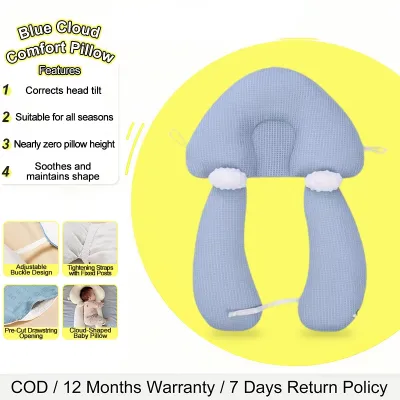
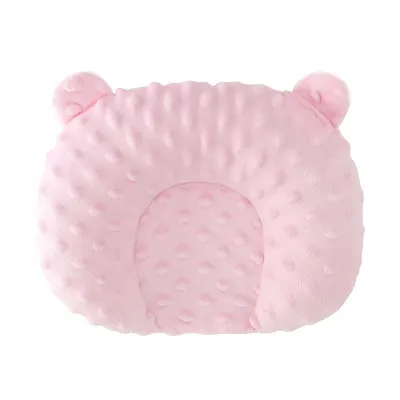
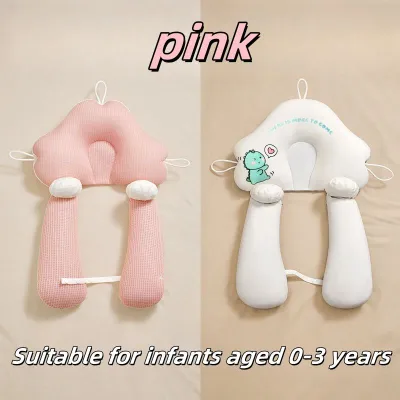
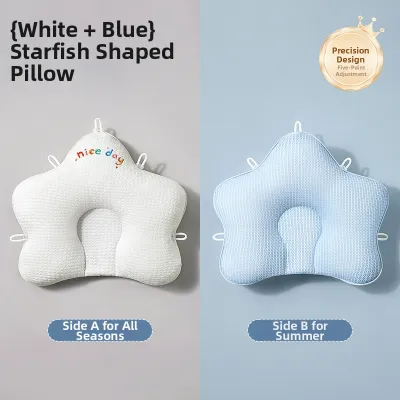
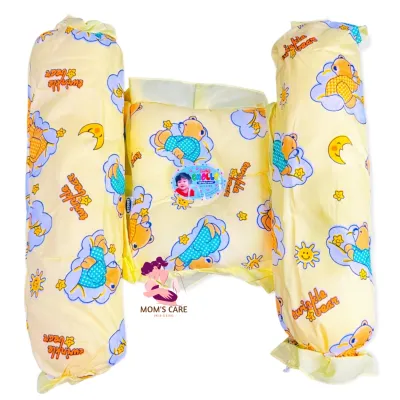
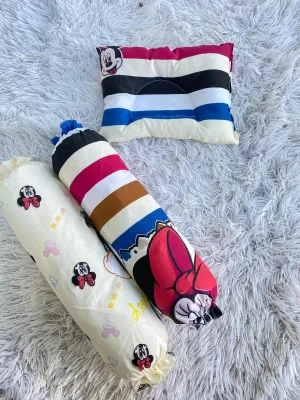
Prices are valid at publication and may change. Please refer to the product page for the latest price.
Why Flat and Firm Sleep Surfaces Are Recommended
Newborns have unique anatomical features that make soft sleep surfaces highly dangerous. Their heads are proportionally larger and heavier than their bodies, while their neck muscles are still weak and undeveloped. When a baby is placed on a soft surface or a pillow, their heavy head can easily tilt forward, pressing their chin down toward their chest. This position can restrict or completely block their trachea, leading to positional asphyxia.
Positional asphyxia is a silent hazard because a baby cannot cry out or struggle when their airway is compromised. Additionally, soft bedding can trap exhaled carbon dioxide. If a baby’s face is close to a soft pillow, they may breathe in this trapped carbon dioxide—a process known as rebreathing—which leads to a dangerous drop in oxygen levels. A firm surface prevents the baby’s head from sinking, keeping the airway straight and clear.
As adults, we associate plush pillows and soft mattresses with comfort and a good night’s sleep. However, infants do not share this physiological need. Their skeletal systems are rapidly developing, and a flat, firm surface provides the necessary support for their spine and neck. Introducing soft surfaces too early disrupts this natural alignment and introduces unnecessary hazards.
In warm and humid tropical climates like the Philippines, soft pillows present additional challenges. Thick, plush fabrics can trap body heat and sweat, leading to overheating, which is a known risk factor for sleep-related infant distress. A firm, flat mattress covered with a tight-fitting, breathable sheet helps regulate the baby’s body temperature and keeps them comfortable without compromising safety.
When Can Babies Safely Start Using a Pillow?
Most pediatricians recommend waiting until a child is at least one to two years old before introducing a pillow. This transition often aligns with moving the child from a crib to a toddler bed. Before this age, children do not require any head elevation for comfort or spinal alignment, and keeping the sleep space clear remains the safest practice.

To determine if your child is ready for a pillow, look for key developmental milestones rather than relying solely on age. Your child should have excellent neck control, the ability to roll over easily in both directions, and the coordination to push objects away from their face. If they still sleep actively and move around the crib constantly, a pillow may still pose a hazard by shifting and trapping them.
Introducing a pillow while a baby is still sleeping in a crib is generally discouraged, even if they are past their first birthday. The confined space of a crib increases the chance of the pillow shifting and trapping the child against the crib bars or mattress corners. Waiting until they transition to a larger toddler bed provides more space and reduces these physical entrapment risks.
Because every child develops at their own pace, it is highly recommended to consult your pediatrician before adding any sleep accessories, pillows, or heavy blankets to your child’s bed. A qualified professional can assess your child’s physical development and provide personalized safety advice tailored to their specific needs.
Safe Alternatives for Newborn Positioning and Comfort
Many parents worry that sleeping on a flat, firm surface will cause their baby to develop a flat spot on the back of their head, a condition known as positional plagiocephaly. To prevent this safely, prioritize supervised tummy time while your baby is awake. Placing your baby on their stomach for short, supervised intervals throughout the day helps build their neck, shoulder, and arm muscles, reducing the time they spend lying flat on their back.
When putting your baby down to sleep, you can also gently alternate the direction their head faces. For example, position their head toward the left one night and toward the right the next. This simple practice distributes pressure evenly across their skull without the need for dangerous positioning pillows or head-shaping devices.
If your newborn struggles with spit-up or gastroesophageal reflux, you might feel tempted to elevate their head with a pillow or wedge. However, elevating the sleep surface is not recommended because it can cause the baby to slide down to the foot of the crib, bending their neck and compromising their airway. Instead, keep your baby upright for 20 to 30 minutes after feeding before laying them down flat on their back.
To keep your baby warm during cooler nights or in air-conditioned rooms, avoid loose blankets, which pose similar suffocation risks as pillows. Instead, use a well-fitting sleep sack or wearable blanket. These garments zip up securely, keeping the baby’s arms and head free while providing warmth without the risk of loose fabric covering their face.
What to Check Before Buying Baby Bedding
When shopping for nursery bedding, the mattress should be your primary focus. Look for a mattress that is specifically labeled as firm and designed for infants. When you press your hand down on the mattress and lift it, the surface should snap back immediately without leaving an indentation.
Ensure the mattress fits snugly inside your crib or playpen. There should be no gaps between the mattress and the crib walls where a baby’s head or limbs could become trapped. A simple way to test this is to see if you can fit more than two fingers between the mattress and the frame; if you can, the fit is too loose, and you need a mattress that matches the crib dimensions more precisely.
Be highly cautious of products marketed as “breathable,” “anti-suffocation,” or “SIDS-proof” pillows. There are no medical standards that certify a pillow as completely safe from suffocation for a newborn, and these claims are often untested marketing strategies. Rely on a completely clear crib rather than relying on product claims to keep your baby safe.
Always check product labels for age recommendations and safety certifications. Ensure any bedding materials you purchase are free from harmful chemicals and are easy to wash. In humid environments, choosing hypoallergenic, machine-washable sheets helps prevent mold and dust mite buildup, keeping your baby’s sleep environment clean and healthy.
Frequently Asked Questions (FAQ)
Can I use a nursing pillow for my baby to sleep?
No, nursing pillows are not safe for infant sleep. These C-shaped or U-shaped pillows are designed solely to support your arms and position the baby during feeding while you are awake and alert. They are not built to support a sleeping baby safely.
If a baby falls asleep on a nursing pillow, they can easily slide down into the center opening or roll over, pressing their face into the soft fabric. This can lead to rapid suffocation or positional asphyxia. Always transfer your sleeping baby to a firm, flat surface immediately if they drift off during feeding.
Are head-shaping pillows safe for preventing flat spots?
No, head-shaping pillows—often designed with a small indentation or hole in the center—are not safe for newborns. Despite claims that they prevent or treat flat head syndrome, these pillows pose the same suffocation and airway obstruction risks as standard pillows.
Pediatric guidelines advise against using any positioning devices in a baby’s sleep environment. If you are concerned about your baby’s head shape, discuss safe physical therapy exercises, supervised tummy time, and positioning techniques with your pediatrician rather than purchasing unapproved bedding accessories.

Community discussion
Share your experience or ask a question. Comments are reviewed before publication.