
Finding comfortable resting positions becomes increasingly challenging as your pregnancy progresses. While your body undergoes rapid changes, you might find yourself looking at various specialized cushions to ease the strain on your joints and muscles. One option that frequently comes up is the nursing pillow. Although traditionally designed to support an infant during feeding, many expectant parents find that using a nursing pillow for adult support during pregnancy can offer targeted, firm comfort during the prenatal months.
Whether you actually need to purchase a nursing pillow for adult support depends on your unique physical discomforts, your sleeping habits, and your plans for the postpartum period. Because these pillows are compact and firm, they can serve as highly effective, localized support tools. However, they are not a universal necessity or a medical solution, and understanding how they compare to other options will help you make an informed decision for your comfort and budget.
Physical Signs That Indicate You Need Extra Pregnancy Support
As your pregnancy progresses, your body naturally shifts its center of gravity to accommodate your growing baby. This shift often manifests as physical signals that indicate your muscles and joints require additional support. Paying close attention to these daily cues can help you determine if a structured pillow would be a beneficial addition to your routine.
Products mentioned in this guide
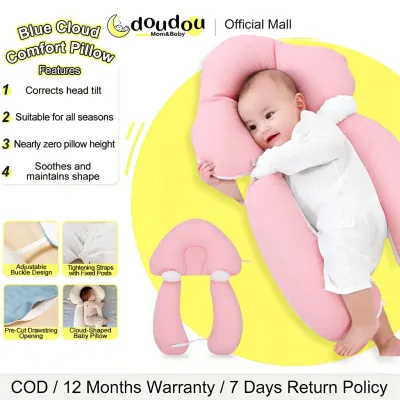

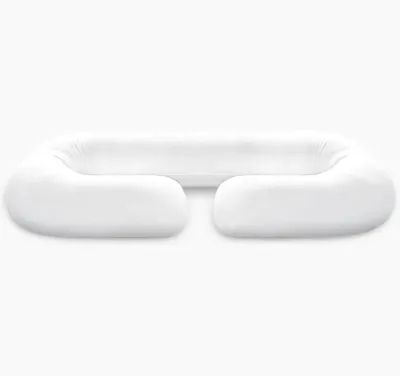
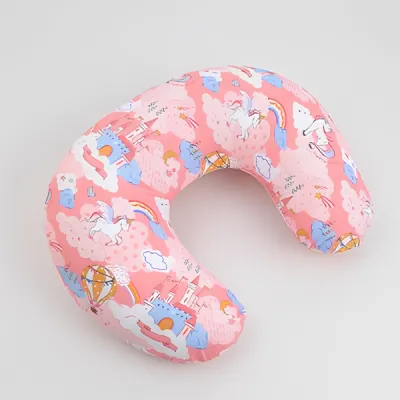
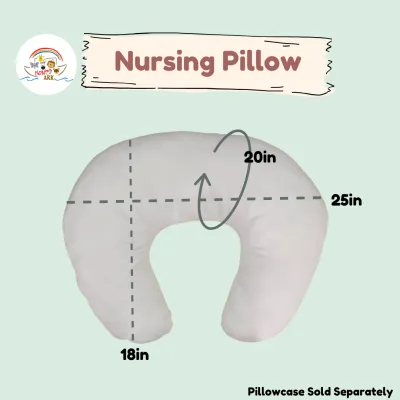
Prices are valid at publication and may change. Please refer to the product page for the latest price.
One of the most common signs is lower back strain, particularly when sitting for extended periods. If you work at a desk or sit on a standard couch and find yourself constantly adjusting your position or experiencing a dull ache in your lumbar region, your spine may be lacking adequate support. A firm, contoured cushion can help maintain the natural curve of your lower back.
Another indicator is the difficulty of maintaining a comfortable side-sleeping position. As the weight of your abdomen increases, sleeping on your side can cause your upper leg to slide forward, twisting your pelvis and straining your lower back. If you wake up with stiff hips or a sore pelvis, you likely need a supportive barrier to keep your knees and hips properly aligned throughout the night.
Additionally, you might feel a pulling sensation or mild pressure in your lower abdomen when lying on your side. This downward pull can make it hard to relax your abdominal muscles, leading to restless sleep. Providing gentle, localized support directly under the belly can alleviate this tension and make transitions between resting positions much smoother.
While mild aches are a normal part of pregnancy, it is crucial to recognize when physical discomfort requires medical attention. Severe, sharp, or persistent pain—such as intense pelvic girdle pain, shooting pain down your legs (sciatica), or constant abdominal cramping—cannot be resolved by a pillow. If you experience these symptoms, consult your obstetrician-gynecologist or a qualified physical therapist in the Philippines for a professional evaluation.
Nursing Pillow vs. Dedicated Pregnancy Pillow: Which Do You Need?
Choosing the right support product requires comparing different designs to see which one aligns with your daily habits and long-term goals. While both nursing pillows and dedicated pregnancy pillows aim to improve comfort, they serve very different primary functions and occupy different amounts of space in your home.

Shape, Size, and Body Coverage
Nursing pillows are typically compact, C-shaped, or U-shaped cushions designed to wrap snugly around an adult’s waist. Their smaller footprint makes them highly portable and easy to store, which is particularly convenient if you have limited bed space or want a cushion you can easily move from the bedroom to the living room.
In contrast, dedicated pregnancy pillows are much larger, full-body systems that often come in J-shapes, C-shapes, or massive U-shapes. These pillows are designed to support your head, back, belly, and knees simultaneously, essentially wrapping your entire body in a supportive cocoon. While highly supportive, they take up a significant amount of space on a bed and can be cumbersome to adjust during the night.
Firmness and Material Differences
Because nursing pillows are built to hold the weight of a developing baby during feeding, they are generally constructed with high-density foam or tightly packed polyester fiberfill. This high level of firmness provides excellent, non-yielding support for your back or joints, but some adults may find it too rigid to sleep against for long periods.
Dedicated pregnancy pillows tend to prioritize cushioning and pressure relief, utilizing softer, more yielding materials like shredded memory foam or loose polyester fiber. These materials conform more easily to your body shape but may not offer the same structural rigidity as a nursing pillow. Always check the product label and manufacturer specifications to verify the fill materials and cover fabric before purchasing.
Long-Term Value and Postpartum Use
Evaluating the longevity of your purchase is essential for practical budgeting. If you plan to breastfeed or bottle-feed your baby postpartum, buying a nursing pillow early allows you to get dual-use value out of a single item. It serves as an adult comfort aid during pregnancy and transitions seamlessly into its primary role once your baby arrives.
On the other hand, if your sole objective is finding maximum comfort during your pregnancy sleep cycles, a dedicated pregnancy pillow or a simple body pillow may offer better overall value. These options are specifically engineered for sleeping ergonomics, whereas a nursing pillow requires some creative positioning to work as a sleep aid.
| Feature | Nursing Pillow (for Adult Use) | Dedicated Pregnancy Pillow | Belly Wedge Pillow |
|---|---|---|---|
| Primary Shape | Compact C-shape or U-shape | Large U-shape, J-shape, or C-shape | Small, angled triangular wedge |
| Support Areas | Waist, lower back, knees, or belly | Head, back, belly, and knees | Targeted under-belly or lower back |
| Firmness | Generally firm and supportive | Medium to soft and contouring | Very firm, high-density foam |
| Postpartum Use | High (designed for infant feeding) | Low (primarily for lounging/recovery) | Low (can assist with back support) |
| Typical Price Band | ₱500 to ₱2,500 | ₱1,200 to ₱5,000 | ₱300 to ₱1,000 |
Practical Ways to Use a Nursing Pillow for Adult Support
If you decide to use a nursing pillow during your pregnancy, positioning it correctly is key to achieving optimal comfort and avoiding muscle strain. Because these cushions are highly versatile, you can adapt them for both sitting and sleeping configurations.
For sitting support, place the nursing pillow behind your lower back while seated on an office chair, dining chair, or sofa. The firm curve of the pillow acts as a robust lumbar support, helping you maintain an upright posture and reducing the tendency to slouch. Alternatively, you can place the pillow on your lap and rest your forearms on it, which helps take the downward pressure off your shoulders and upper back.
For sleep support, lie on your side and place the curved end of the nursing pillow between your knees and ankles. Keeping both your knees and ankles separated by the cushion helps keep your hips level, preventing pelvic rotation and easing lower back tension. You can also tuck one curve of the pillow gently under your growing belly to prevent it from pulling forward while you sleep.
Because the tropical climate of the Philippines can lead to high humidity and sweating, maintaining your pillow is essential for hygiene. Always check the manufacturer’s care label to see if the cover is removable and machine washable. Regularly washing the cover helps prevent the buildup of sweat, dust mites, and allergens.
Additionally, avoid using the pillow to elevate your head in a way that forces your neck into an unnatural, forward-bending angle. Always stop using the pillow immediately if you experience numbness, tingling, restricted circulation, or if your physical discomfort worsens.
When to Skip the Nursing Pillow and Explore Alternatives
A nursing pillow is not the ideal solution for every expectant parent. If you prefer a highly plush, soft sleeping surface, the rigid firmness of a nursing pillow may feel uncomfortable against your joints. Furthermore, if you are tall or have a broader frame, the compact size of a standard nursing pillow may not wrap comfortably around your waist or provide enough length to support both your knees and ankles simultaneously.
If a nursing pillow does not suit your needs, you can easily create customized support using items you already own. Arranging two or three standard bed pillows can provide highly adaptable comfort. You can place one pillow under your head, tuck another between your knees, and wedge a slightly deflated pillow under your belly for targeted pressure relief.
Another excellent alternative is a compact foam belly wedge. These small, triangular cushions take up very little space in bed and are specifically designed to slide under your abdomen, preventing the uncomfortable pulling sensation when side-sleeping. They are also highly portable and affordable.
For daytime support while standing or walking, you might consider a maternity support belt or band. These garments help distribute the weight of your belly across your hips and lower back. However, because compression and support garments can affect circulation and pelvic alignment, you must consult your healthcare provider and carefully read the manufacturer’s instructions before using them.
Frequently Asked Questions (FAQ)
Can I use regular bed pillows instead of a nursing pillow?
Yes, you can absolutely use regular bed pillows to support your body during pregnancy. By stacking or folding standard pillows, you can customize the height and placement under your knees, back, or belly. However, keep in mind that regular pillows tend to slide around during the night and may flatten out quickly, whereas a nursing pillow offers a more structured, pre-contoured shape that stays in place.
Does a nursing pillow make it safe to sleep on my back during pregnancy?
No, using a nursing pillow does not make back-sleeping safe during the later stages of pregnancy. Medical professionals generally recommend side-sleeping after the first trimester to optimize blood flow to the placenta and your baby. A nursing pillow should be used to make side-sleeping more comfortable, not as a tool to prop yourself up for back-sleeping, unless specifically advised by your doctor.

Community discussion
Share your experience or ask a question. Comments are reviewed before publication.