
No, hooded pranela blankets are not safe for babies to sleep in. While pranela, a soft brushed cotton fabric, is a traditional favorite in many households for keeping infants cozy, using a hooded version during unsupervised sleep presents serious safety hazards. These hazards include an increased risk of suffocation, airway obstruction, and rapid overheating. Because infants cannot easily regulate their body temperature or move loose fabric away from their faces, hooded blankets should be reserved strictly for supervised awake times and kept completely out of the crib.
In tropical climates like the Philippines, managing an infant’s sleep environment requires extra vigilance. High ambient temperatures and humidity levels mean that heavy, heat-trapping fabrics can quickly cause a baby to overheat, which is a known risk factor for sleep-related infant deaths. Understanding the specific dangers of these blankets, learning how to spot the signs of heat stress, and choosing safer bedding alternatives are essential steps in creating a secure sleep space for your little one.
Why Hooded Pranela Blankets Pose Risks During Sleep
Pranela, commonly known as flannel, is highly valued for its warmth and soft texture, which is achieved by brushing the cotton fibers to create a fuzzy loft. While this loft makes the fabric incredibly comfortable against a baby’s skin, it also makes it highly insulating. When a baby wears or is covered by a hooded pranela blanket during sleep, this insulation traps body heat very efficiently. Because infants primarily regulate their body temperature and release excess heat through their heads, covering the head with a hood severely limits their natural cooling mechanism, leading to a rapid rise in core body temperature.
Products mentioned in this guide
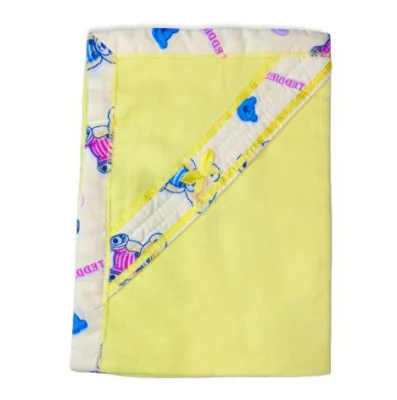
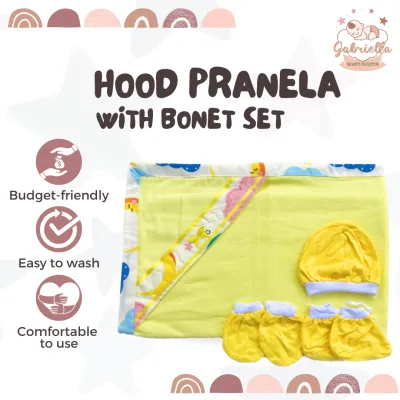
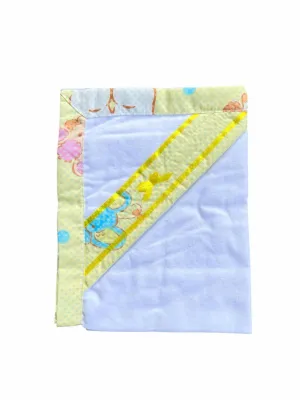
Prices are valid at publication and may change. Please refer to the product page for the latest price.
Beyond the risk of overheating, the physical design of a hooded blanket introduces a significant threat of suffocation and airway obstruction. During sleep, babies naturally wiggle, stretch, and shift positions. A loose blanket can easily bunch up, and a hood can slip down over the baby’s nose and mouth. Because infants do not yet possess the motor skills or strength to pull heavy, loose fabric off their faces, a shifted hood can block their oxygen supply or cause them to rebreath exhaled carbon dioxide, which can quickly lead to hypoxia.
These dangers align directly with established pediatric safe sleep guidelines, which recommend keeping the infant sleep environment completely free of loose items. A safe crib should contain only a firm mattress and a tightly fitted sheet, with no loose blankets, pillows, bumper pads, or soft toys. Introducing a hooded pranela blanket into a bassinet or crib violates these core safety principles by bringing both loose bedding and an unnecessary head covering into the baby’s sleep space, significantly increasing the risk of sleep-related accidents.
How to Tell if Your Baby is Overheating Under a Pranela Blanket
Because babies cannot communicate when they are uncomfortably warm, caregivers must remain highly observant of physical cues that indicate heat stress. Common signs of overheating include visible sweating, damp hair, and flushed or red cheeks. You might also notice that the baby is breathing more rapidly than usual or seems unusually restless or, conversely, extremely lethargic and difficult to wake. In warm and humid environments, prolonged exposure to excess heat can also trigger heat rash, often called “bungang-araw,” which appears as tiny, itchy red bumps on the neck, chest, shoulders, and skin folds.

To accurately assess your baby’s temperature, avoid relying on the feel of their hands or feet. An infant’s circulatory system is still developing, which means their extremities will naturally feel much cooler than their actual core body temperature. Instead, use the “chest or back touch” method. Gently place your bare hand flat against the baby’s chest, upper back, or the back of their neck. If these areas feel hot, clammy, or sweaty to your touch, your baby is overheating and needs immediate cooling.
If you detect any signs of overheating, take prompt action to lower your baby’s temperature. Immediately remove the pranela blanket and any excess layers of clothing, opting for a single layer of lightweight cotton instead. You can improve air circulation in the room by turning on a ceiling or floor fan, ensuring the airflow is directed away from the baby rather than blowing directly on them. If the room is air-conditioned, consider adjusting the thermostat to a comfortable range, typically between 20°C and 22°C, and offer a feed to help keep your baby hydrated.
When and How to Safely Use a Hooded Pranela Blanket
While hooded pranela blankets are unsafe for unsupervised sleep, they remain highly useful and practical items when used under direct adult supervision during awake hours. One of the most common and appropriate uses is wrapping your baby immediately after a bath. The absorbent, soft brushed cotton is excellent for drying delicate skin and keeping the baby warm while their hair is damp. They are also highly suitable for keeping your baby cozy during supervised stroller rides on cooler mornings, during outdoor family gatherings, or when holding them in heavily air-conditioned indoor spaces like shopping malls.
The critical rule for caregivers is to always remove the hooded blanket before transitioning the baby to a sleep space. If your baby falls asleep while wrapped in a pranela blanket during a stroller walk or while being held in your arms, you must gently unwrap them and remove the blanket entirely before placing them in their crib or bassinet. Never leave a sleeping baby unattended with a hooded blanket, even for a short nap, as the risks of shifting fabric and overheating remain present regardless of the sleep duration.
Before using any hooded pranela blanket, always inspect the manufacturer’s labels for specific safety warnings, age recommendations, and weight limits. Check the construction of the blanket carefully; ensure there are no loose threads, fraying seams, or decorative drawstrings around the hood, as these can easily wrap around a baby’s fingers, toes, or neck, posing a strangulation hazard. Additionally, verify that the fabric is clean and free of lint before wrapping your little one.
Safer Sleep Alternatives to Keep Your Baby Warm
To provide your baby with comfortable warmth during sleep without the hazards of loose blankets, pediatric experts recommend using wearable blankets, commonly known as sleep sacks. A sleep sack is a wearable garment that zips securely over your baby’s sleepwear, keeping their torso and legs enclosed while leaving their arms, neck, and head completely free. Because it is worn like a vest or sleeping bag, there is no loose fabric that can shift, bunch up, or accidentally cover the baby’s face, making it a much safer alternative to traditional blankets.
When choosing a sleep sack, it is important to select the appropriate fabric weight, which is often indicated by a Thermal Overall Grade (TOG) rating. In tropical climates or warm rooms, look for lightweight sleep sacks with a low TOG rating, such as 0.5 TOG or lower, typically made from breathable cotton, muslin, or bamboo blends. These materials allow air to circulate freely, preventing heat from building up around the baby’s body while still providing a comforting, secure layer that mimics the feeling of being held. High-quality, breathable sleep sacks are widely available in local baby boutiques and online marketplaces, with prices typically starting around ₱300 to ₱800, making them an affordable investment in your child’s safety.
In addition to using a sleep sack, ensuring a safe sleep surface is fundamental to protecting your baby. The crib or bassinet should feature a firm, flat mattress that fits tightly against the frame with no gaps. Cover the mattress with a well-fitted sheet that wraps securely around the corners and cannot be easily pulled loose. Keep the sleep area completely clear of extra items, including pillows, quilts, heavy comforters, stuffed animals, and traditional padded crib bumpers, to maintain a clean, hazard-free environment.
Frequently Asked Questions (FAQ)
Can I use a hooded pranela blanket for my newborn?
No, you should not use a hooded pranela blanket for a newborn, especially during sleep. Newborns are exceptionally vulnerable to sleep-related hazards because they lack the physical strength and motor control to move their heads or clear their airways if a blanket shifts over their face. Furthermore, a newborn’s internal thermoregulation system is highly immature, meaning they can overheat very quickly, which significantly increases SIDS risks. If you want to keep your newborn warm, swaddle them securely using a single, lightweight cotton or muslin receiving blanket wrapped below the shoulder line, or use a specially designed newborn swaddle sack that keeps their head completely free.
What should my baby wear to sleep instead of a blanket?
Instead of using a loose blanket, dress your baby in comfortable, breathable sleepwear tailored to the room’s temperature. A helpful guideline is to dress your baby in one more layer than you would wear to feel comfortable in the same room. In warm tropical climates, a short-sleeved cotton bodysuit or a lightweight, footed sleeper is often all that is needed. If you are using air conditioning, you can layer a lightweight, sleeveless sleep sack (0.5 TOG or lower) over a basic cotton onesie. Always ensure that all sleepwear fits properly around the neck and armholes to prevent the fabric from riding up over the baby’s face.
How do I wash a pranela blanket to keep it safe and soft?
To maintain the softness of a pranela blanket and protect your baby’s sensitive skin, always follow the manufacturer’s care instructions on the label. Wash the blanket using a mild, hypoallergenic baby detergent that is free from harsh chemicals, artificial fragrances, and optical brighteners. Avoid using liquid fabric softeners or dryer sheets, as these products can leave a chemical residue that reduces the natural breathability of the cotton fibers and may compromise any flame-resistant properties. Ensure the blanket is completely dry—either by tumble drying on a low setting or hanging it in direct sunlight—to prevent the growth of mold, mildew, or bacteria in the damp fibers.

Community discussion
Share your experience or ask a question. Comments are reviewed before publication.