
Using a hand pillow for your baby during unsupervised sleep is not safe. While these small, hand-shaped or contoured pillows are often marketed as comforting sleep aids that mimic a parent’s touch, they introduce serious hazards into an infant’s sleep environment. Pediatric health authorities universally recommend keeping a baby’s sleeping area completely free of soft objects, loose bedding, and pillows of any kind to minimize the risk of accidental suffocation and other sleep-related dangers.
Understanding how these products affect an infant’s breathing and body temperature is essential for creating a secure nursery. By focusing on evidence-based sleep practices, caregivers can support their baby’s comfort while maintaining a high standard of safety.
Understanding the Safety Risks of Hand Pillows in Baby Sleep
Introducing any extra padding or pillows into a baby’s independent sleep space presents several critical hazards. The primary concern is the risk of suffocation and airway obstruction. Infants do not yet possess the motor skills or neck strength to easily turn their heads if a soft, compressible material covers their nose and mouth. A hand pillow, despite its small size, can easily conform to a baby’s face if they roll over or shift during the night, blocking their oxygen supply.
Products mentioned in this guide
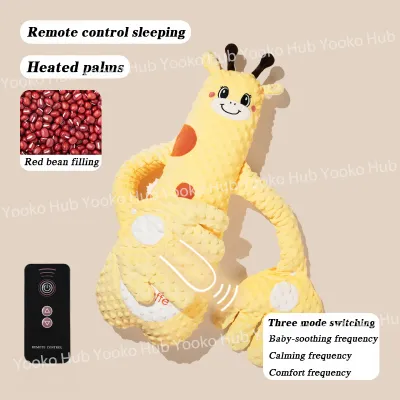
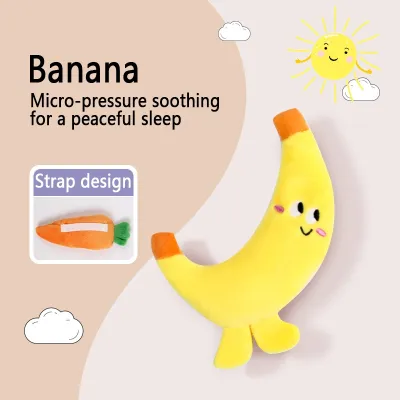
Prices are valid at publication and may change. Please refer to the product page for the latest price.
There is a well-established link between loose bedding or soft accessories in the sleep space and an increased risk of Sudden Infant Death Syndrome (SIDS). Any object that can move freely within the crib or bassinet can become a hazard. Even if a pillow is placed with the intention of keeping a baby in one position, infants frequently wiggle and shift, which can cause the pillow to migrate near their face.
Overheating is another significant risk associated with soft sleep accessories, particularly in tropical climates like the Philippines. High humidity and warm ambient temperatures mean that dense, synthetic, or highly compressible pillow materials can trap excess heat around the baby’s head and body. Overheating is a known stressor for infants and is closely linked to sleep-related safety risks.
Additionally, hand pillows can cause positional asphyxia. A baby’s airway is highly flexible and can easily become compressed if their head is elevated or tilted forward. If a pillow alters the baby’s natural, flat sleep posture, it can cause their chin to rest on their chest, significantly restricting their breathing without outward signs of struggle.
Evaluating Your Specific Use Case: Crib vs. Caregiver Support
To determine whether a hand pillow can be used safely, caregivers must distinguish between placing the pillow in an independent sleep space and using it for active support while awake.

Placing a Hand Pillow Inside the Crib or Bassinet
Major pediatric guidelines universally recommend a bare, firm, and flat sleep surface without any loose accessories. This means that placing a hand pillow directly inside a crib, bassinet, or playard is a strict safety boundary that should not be crossed. The risk of a baby rolling into, burying their face in, or becoming trapped against the pillow is simply too high during unsupervised sleep.
Many parents are misled by commercial comfort pillows that claim to soothe babies or prevent startle reflexes. It is important to understand that commercially sold comfort items do not carry the same safety profiles as medically prescribed positioning devices. Unless specifically directed and monitored by a qualified healthcare professional for a diagnosed medical condition, no pillow-like object should ever be left in an infant’s independent sleep area.
Using an Arm Pillow for Nursing or Holding
Using a hand or arm pillow can be highly beneficial when a caregiver is awake and actively supporting the baby during feeding, soothing, or bonding. These pillows can relieve strain on the caregiver’s arms and shoulders, making feeding sessions more comfortable. However, the critical rule for this use case is absolute caregiver alertness.
If you use an arm pillow to support your baby, you must remain fully awake. If a caregiver dozes off while holding a baby on a pillow, there is a severe risk of the baby slipping, experiencing airway obstruction against the caregiver’s body, or suffering an accidental fall. The pillow should only serve as an active feeding aid, not a sleep surface.
Once the baby falls asleep or the feeding session is complete, the caregiver must immediately transition the baby to a safe, flat, and independent crib. Leaving a sleeping baby on an arm pillow while you rest or attend to other tasks compromises their airway safety.
How to Check Product Labels and Safety Warnings
When shopping for baby bedding on online marketplaces or in local department stores, caregivers must look past appealing marketing designs and carefully evaluate product safety labels.
Be highly skeptical of red-flag marketing claims. Phrases such as “prevents flat head,” “anti-roll,” “guarantees safe sleep,” or “SIDS-proof” are often used to sell products but frequently contradict established pediatric safety guidelines. No commercial product can guarantee safety or prevent medical conditions on its own, and such claims are often unregulated.
Always check the physical packaging and product tags for mandatory manufacturer safety warnings. Look for explicit statements regarding suffocation hazards, the requirement for constant adult supervision, and strict age or weight limits. If a product label indicates that it is not intended for unsupervised sleep, that instruction must be followed without exception.
Verify the physical safety of the product before purchase. Check that the materials are firm rather than plush or highly compressible. Ensure there are no loose parts, decorative strings, long ribbons, or poorly secured zippers that could present choking or strangulation hazards. The fabric should feel breathable and lightweight to prevent heat retention.
If you find a conflict between a manufacturer’s marketing instructions and general pediatric advice, always prioritize the stricter safety standard. Pediatric health guidelines are designed around broad clinical safety data, whereas product marketing is designed to drive sales. Choosing the safer, more conservative approach is always the best path for your baby.
Safer Sleep Alternatives for Comfort and Security
Fortunately, there are several low-risk alternatives that can fulfill your baby’s need for warmth, comfort, and security without compromising their airway safety.
Using an appropriately sized wearable blanket or sleep sack is an excellent way to keep your baby warm. Unlike loose blankets, a sleep sack cannot ride up over a baby’s face, eliminating a major suffocation hazard. In warm, tropical climates, look for sleep sacks made from lightweight, breathable fabrics like single-layer cotton or muslin to prevent overheating.
For younger infants who still have a strong startle reflex, safe swaddling can provide a gentle, secure feeling that mimics the womb. When swaddling, ensure the wrap is secure around the chest but allows plenty of room for the baby’s hips and knees to move freely. It is critical to stop swaddling as soon as your baby shows any signs of attempting to roll over, as a swaddled baby who rolls onto their stomach faces a high risk of suffocation.
Ensuring your crib mattress is exceptionally firm is another foundational safety step. The mattress should fit the crib frame snugly, leaving no gaps along the edges where a baby’s head or body could become trapped. You can test the firmness by pressing your hand down on the mattress; it should snap back immediately without retaining the impression of your hand.
Offering a clean, dry pacifier during naps and bedtime is another simple practice associated with a reduced risk of SIDS. If you are breastfeeding, wait until nursing is well established before introducing a pacifier. Never attach a pacifier to a cord, ribbon, or stuffed animal while the baby is sleeping, as these attachments introduce strangulation and suffocation risks.
When to Stop Using Sleep Accessories and Seek Professional Advice
As babies grow, their physical capabilities change rapidly, requiring caregivers to continuously adapt their sleep environments.
Keep a close eye on developmental milestones. The moment your baby shows signs of rolling over, pushing up on their hands and knees, or shifting significantly in their sleep, you must immediately remove all swaddles, transitional sleepwear, and any remaining soft accessories from their sleep space. These milestones indicate that the baby can easily move into positions where soft materials pose an active hazard.
Regularly inspect your baby’s sleepwear and bedding for physical signs of wear and tear. Check for loose threads, unraveling seams, or compromised zippers and fasteners. Damaged sleepwear can pose choking or entanglement risks and should be repaired or replaced immediately.
Consult a pediatrician if you have specific concerns about your baby’s sleep positioning, severe acid reflux, or suspected positional plagiocephaly (flat head syndrome). A qualified professional can provide safe, medically supervised strategies to address these issues without relying on unapproved commercial pillows.
Avoid using internet-sourced “hacks” or improvised sleep positioning devices, such as rolled-up towels or homemade cushions. These improvised items have not undergone safety evaluations and can easily shift, creating dangerous traps or suffocation hazards in the crib.
Frequently Asked Questions (FAQ)
Can I use a hand pillow to prevent my baby from getting a flat head?
No, pediatricians strongly advise against using positioning pillows, hand pillows, or head-shaping devices to prevent or treat a flat head. These products introduce significant suffocation and positional asphyxia risks that far outweigh any unproven cosmetic benefits. To safely prevent flat spots, practice supervised, awake tummy time daily and alternate the direction your baby’s head faces when placing them down to sleep.
At what age is it generally safe to introduce a pillow to a child's bed?
It is generally safest to wait until your child is at least two years old before introducing a small, firm pillow to their bed. Before this age, infants and young toddlers do not require pillows for comfort because their shoulders are narrower than their heads, making a flat surface anatomically natural and comfortable. Always ensure that any toddler pillow you eventually introduce is firm, small, and free of loose decorative elements.

Community discussion
Share your experience or ask a question. Comments are reviewed before publication.