
Flannel blankets can be safe for babies, but their safety depends entirely on the child’s age, developmental stage, and the sleeping environment. For newborns and infants under twelve months old, pediatric health organizations advise keeping all loose bedding, including flannel blankets, out of the crib to prevent suffocation, entrapment, and Sudden Infant Death Syndrome (SIDS). Once your child transitions into toddlerhood and meets key physical milestones, a flannel blanket can become a cozy addition to their bedtime routine. However, because flannel is designed to trap heat, parents must carefully evaluate the fabric’s composition, weight, and breathability to prevent overheating, especially in warm or humid climates.
Understanding how to safely introduce and use flannel bedding is essential for protecting your baby’s delicate skin and ensuring a secure sleep environment. By learning to distinguish between different types of flannel, recognizing the signs of overheating, and adhering to strict age guidelines, you can make informed decisions that prioritize both comfort and safety.
Evaluating Flannel Material for Baby Skin and Comfort
Flannel is not a specific fiber but rather a finish characterized by its soft, brushed surface. This texture is achieved through a mechanical brushing process that lifts fine fibers, creating tiny air pockets that trap heat and provide a velvety feel against the skin. When shopping for baby bedding, it is crucial to understand that flannel can be made from various materials, including 100% cotton, synthetic polyester, or a blend of both. Cotton flannel is highly recommended for babies because it offers natural breathability and moisture-wicking properties, whereas synthetic flannel blends tend to trap moisture and heat, which can lead to discomfort and skin irritation.
Products mentioned in this guide
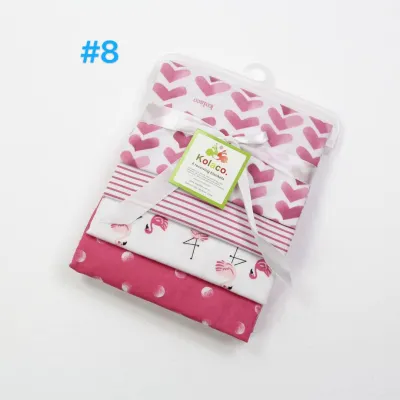
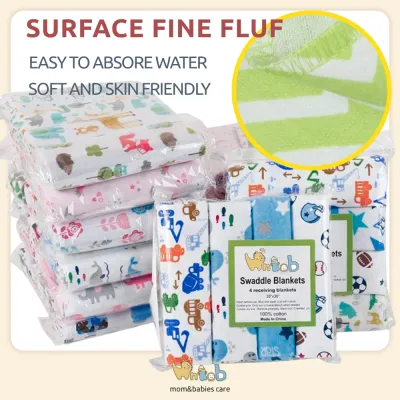
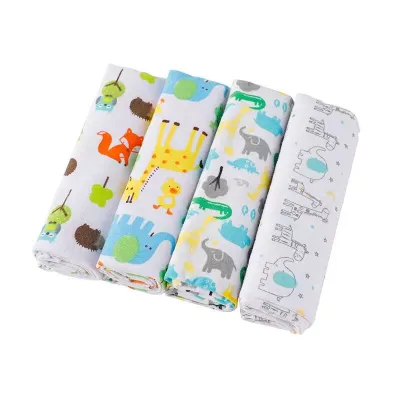
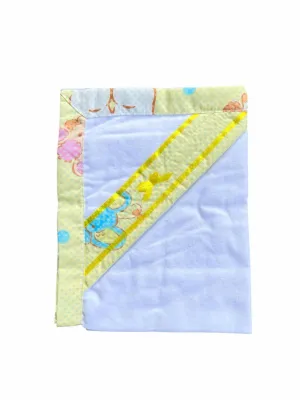
Prices are valid at publication and may change. Please refer to the product page for the latest price.
To protect your baby’s sensitive skin, always check the product labels and packaging for detailed material specifications. Look for blankets made from 100% cotton or those certified by recognized organic textile standards, such as the Global Organic Textile Standard (GOTS) or OEKO-TEX Standard 100. These certifications indicate that the fabric has been tested for harmful substances and chemical residues that could trigger allergic reactions or contact dermatitis. Because a baby’s skin barrier is much thinner and more permeable than an adult’s, choosing high-quality, chemical-free cotton fibers minimizes the risk of redness, itching, and localized rashes.
Even with high-quality cotton flannel, it is wise to perform a simple check before regular use. Wash the blanket first, then allow your baby to interact with it during supervised awake time. Observe their skin closely for any signs of contact dermatitis, such as localized redness, small bumps, or dry patches. Additionally, monitor how their body reacts to the fabric’s warmth; if you notice their skin feels unusually hot or clammy after brief contact, the blanket may be too heavy for the current ambient temperature, and you should opt for a lighter fabric.
Age Guidelines: When to Introduce a Blanket to the Crib
The most critical factor in baby blanket safety is timing. Major pediatric associations recommend keeping the sleep area completely free of loose blankets, pillows, quilts, sheepskins, and bumper pads for at least the first year of life. During these early months, infants lack the motor skills and strength to pull a blanket off their faces if it accidentally covers their nose and mouth, creating a high risk of accidental suffocation or rebreathing exhaled carbon dioxide.

As your baby grows, they will reach physical milestones that indicate a developing ability to interact safely with bedding. These milestones include rolling over independently in both directions, pushing up on their hands and knees, and sitting up without support. While these physical achievements demonstrate increased head control and upper-body strength, they do not automatically mean a loose blanket is safe for unsupervised sleep. Most pediatric experts suggest waiting until the child is at least 12 to 18 months old before introducing a small, lightweight blanket to the crib.
Because every child develops at a unique pace, it is highly recommended to consult your baby’s pediatrician before introducing any loose bedding to their sleep environment. A qualified professional can assess your child’s specific physical development, motor skills, and overall health to provide personalized safe sleep advice. Until you receive professional confirmation and your child has transitioned out of the high-risk infant stage, keeping the crib completely bare remains the safest practice.
Managing Overheating Risks and Room Temperature
Overheating is a significant risk factor for infants and is closely linked to an increased risk of SIDS. Because flannel is specifically manufactured to retain warmth, using it in a baby’s sleep environment requires vigilant monitoring of both room temperature and clothing layers. In tropical climates or during warm seasons, a heavy flannel blanket can quickly cause a baby’s body temperature to rise to unsafe levels, especially if the nursery lacks air conditioning or adequate ventilation.
To prevent overheating, parents must learn to recognize the physical signs that a baby is too warm. These signs include sweating, damp hair, a flushed or red face, rapid breathing, and skin that feels hot to the touch on their chest or the back of their neck. Do not rely on the temperature of your baby’s hands or feet to gauge their overall body warmth, as peripheral circulation in infants is still developing and their extremities often feel cool even when their core temperature is normal. If you observe any signs of overheating, immediately remove the blanket, adjust the room’s ventilation, or dress the baby in lighter clothing.
When selecting a flannel blanket, evaluate its physical weight and weave density rather than relying solely on the material name. Hold the fabric up to the light to assess how tightly the threads are woven; a looser, lighter weave allows for better airflow and is more suitable for moderate temperatures. Additionally, consider the overall thermal load on your baby by balancing the blanket with their sleepwear. If you are using a lightweight flannel blanket, ensure their pajamas are made of thin, breathable cotton, and keep the room temperature at a comfortable, consistent level.
Checklist for Choosing and Using a Flannel Blanket Safely
When your child has reached the appropriate age and developmental milestones to use a blanket, selecting the right product and using it correctly is vital for maintaining a safe sleep environment. Use this practical checklist to guide your purchasing decisions and daily bedtime routines:
- Verify the Fabric Composition: Choose 100% cotton flannel over synthetic polyester blends to ensure maximum breathability and moisture absorption.
- Inspect the Construction: Check the blanket for secure, tight stitching along the borders. Avoid blankets with loose threads, decorative fringes, ribbons, or tassels, as these can easily unravel and pose strangulation or choking hazards.
- Select the Right Size: Opt for a small, baby-sized blanket rather than a large throw. Excess fabric increases the risk of the blanket wrapping around the child's body or covering their face.
- Practice Safe Placement: If you choose to tuck the blanket, secure it firmly at the foot and sides of the mattress, ensuring it reaches no higher than your baby's chest. This prevents the blanket from shifting upward during sleep.
- Keep the Face Uncovered: Always ensure your baby's head and face remain completely uncovered. Never drape a blanket over a crib or stroller where it could restrict airflow.
- Wash Before First Use: Launder the blanket before it touches your baby's skin. Use a mild, hypoallergenic, fragrance-free detergent to remove any chemical residues, dust, or manufacturing starch, which helps soften the fibers and prevents skin irritation.
Safe Sleep Alternatives Before Blankets Are Allowed
If your baby is under one year old or has not yet reached the necessary developmental milestones for loose bedding, you can still keep them warm and comfortable without using loose blankets. The most widely recommended safe sleep alternatives are wearable blankets, commonly known as sleep sacks or baby sleeping bags. These garments are designed to be worn over regular sleepwear, providing consistent warmth while remaining securely attached to the baby’s body, eliminating the risk of fabric shifting over their face.
When choosing a sleep sack, it is important to check the thermal resistance rating, often referred to as the TOG (Thermal Overall Grade) rating, or the fabric weight. Sleep sacks are available in various TOG ratings, ranging from ultra-lightweight cotton (around 0.5 TOG) suitable for warm, humid climates, to heavier, padded versions (2.5 TOG or higher) designed for cold winter nights. Matching the sleep sack’s TOG rating to your nursery’s ambient temperature ensures your baby stays comfortable without the risk of overheating.
Additionally, always ensure the sleep sack fits your baby correctly according to their current weight and height, rather than their age in months. The garment should fit snugly around the neck and armholes so that the baby cannot slip their head inside the sack, yet remain loose enough around the hips and legs to allow for natural movement and healthy hip development. Regularly inspect the zippers, snaps, and seams to ensure they remain intact and functional, providing a secure and worry-free sleep environment for your little one.
Frequently Asked Questions (FAQ)
Can I use a flannel swaddle blanket for my newborn?
Yes, you can use a flannel blanket for swaddling a newborn, but you must exercise extra caution regarding temperature control. Because flannel is highly efficient at trapping body heat, a swaddled newborn can easily overheat, especially in warm rooms. Ensure the swaddle is wrapped securely but not too tightly, and monitor your baby closely for signs of sweating or flushed skin. Most importantly, you must stop swaddling your baby as soon as they show any signs of attempting to roll over, which can happen as early as two months of age, as a swaddled baby who rolls onto their stomach faces a high risk of suffocation.
How do I wash a baby flannel blanket to keep it soft and safe?
To maintain the softness and safety of a baby flannel blanket, wash it in cold or warm water on a gentle cycle using a mild, hypoallergenic, fragrance-free detergent. Avoid using liquid fabric softeners or dryer sheets, as these products leave a chemical residue on the fibers that can irritate sensitive baby skin and significantly reduce the fabric’s natural breathability and flame-resistant properties. To dry, tumble dry on a low heat setting or line dry in a well-ventilated area. Gentle drying helps preserve the brushed texture of the flannel and prevents the cotton fibers from shrinking or becoming stiff over time.

Community discussion
Share your experience or ask a question. Comments are reviewed before publication.