
A traditional duyan is a deeply cherished part of Filipino child-rearing, passed down through generations to soothe fussy babies with its gentle, rhythmic sway. However, when it comes to unsupervised sleep, a traditional soft-bottomed duyan is not considered safe for newborns. Pediatric safe sleep guidelines emphasize that infants must sleep on a firm, flat, and empty surface to minimize the risk of Sudden Infant Death Syndrome (SIDS) and accidental suffocation.
While a duyan remains an effective tool for brief, awake soothing under active adult supervision, it should never replace a standard crib or bassinet as a primary sleep environment. The physiological vulnerability of a newborn during the first few months of life requires strict adherence to modern safety standards. If you are navigating your baby’s sleep habits, consulting a pediatrician can provide personalized guidance tailored to your child’s development.
Key Safety Risks of Using a Traditional Duyan for Newborns
Suffocation and Airway Obstruction
The primary hazard of a traditional fabric duyan lies in its curved, flexible design. When a newborn is placed inside, the fabric naturally sags, creating a deep C-shape that forces the baby’s body into a curved posture. Because newborns have relatively large, heavy heads and weak neck muscles, this curved position easily causes the baby’s head to tilt forward, resting the chin directly on the chest.
Products mentioned in this guide

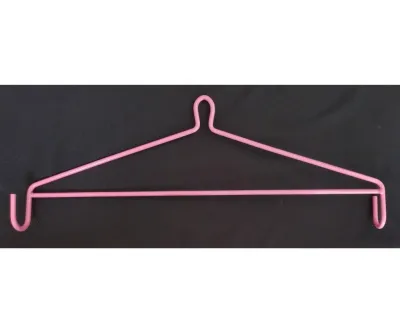
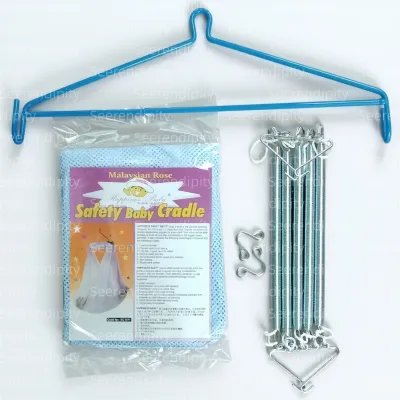
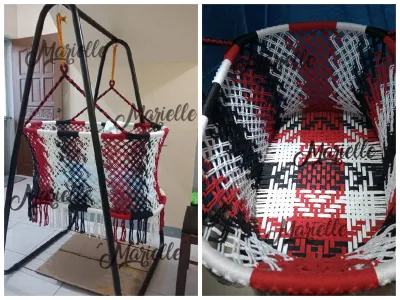
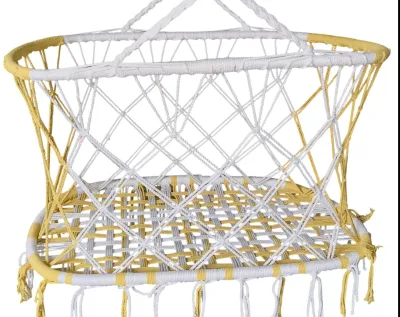
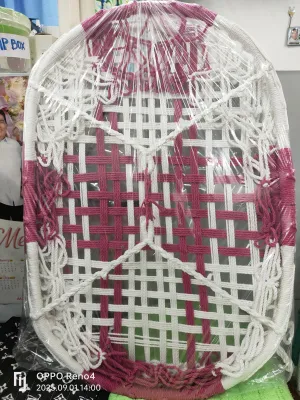
Prices are valid at publication and may change. Please refer to the product page for the latest price.
This chin-to-chest positioning can lead to positional asphyxia, a silent and rapid form of suffocation where the infant’s airway becomes compressed and blocked. Additionally, if the baby shifts or rolls slightly, the loose, enveloping fabric of the hammock can easily press against their nose and mouth. Even breathable fabrics can pose a suffocation risk when they gather closely around a newborn’s face, preventing adequate oxygen flow.
Fall and Suspension Failures
Traditional duyan setups often rely on improvised suspension systems, such as ropes tied to wooden beams, metal springs, carabiners, or hooks anchored directly into the ceiling. Over time, these components are subject to mechanical wear, friction, and environmental degradation. In the humid tropical climate of the Philippines, metal hardware can rust silently, and ropes can fray or weaken without immediate physical signs.
A sudden structural failure can cause the entire assembly to collapse, leading to severe impact injuries. Furthermore, because a duyan lacks rigid, protective side walls, any sudden movement or uneven weight distribution can cause the hammock to tilt violently. A baby who begins to wiggle or shift weight can easily roll over the edge and fall onto the hard floor below.
Spinal and Hip Alignment Concerns
A newborn’s skeletal system is highly malleable, consisting largely of flexible cartilage that gradually ossifies into bone. To support the natural, healthy development of the spine and hip joints, pediatricians recommend a firm, flat sleeping surface. A flat mattress allows the baby’s spine to remain in a neutral alignment and encourages natural movement of the limbs.
In contrast, spending prolonged periods in a curved, soft-bottomed duyan forces the infant’s spine into an exaggerated, unnatural curve. This lack of structural support can put unnecessary strain on the developing back muscles and joints. Additionally, it can restrict the baby’s ability to naturally stretch and move their hips, which is an important factor in preventing developmental hip dysplasia.
Modern Safe Sleep Guidelines vs. Traditional Practices
Modern pediatric health organizations globally agree on a set of core principles designed to protect sleeping infants. The gold standard for safe sleep requires placing the baby on their back (supine position) for every sleep session. The sleep environment must consist of a firm, flat mattress covered only by a tight-fitting sheet, completely free of loose blankets, pillows, bumper pads, stuffed toys, or soft positioning devices.

When compared directly to these standards, a traditional duyan fails on almost every metric. The surface is inherently soft and curved rather than firm and flat. The fabric sides naturally fold inward, acting much like loose bedding that can drape over the baby’s face. While these hammocks have been used for generations across the Philippines to successfully calm crying infants, modern physiological research has clarified the hidden dangers that traditional practices did not account for.
Acknowledging the cultural value of the duyan is important, as the gentle rocking motion mimics the soothing environment of the womb. However, cultural familiarity does not alter the biological vulnerabilities of an infant’s airway and skeleton. Transitioning to evidence-based safe sleep practices for overnight and unsupervised naps is a vital step in safeguarding your baby’s health.
Strict Precautions for Supervised, Awake Soothing
Setup and Hardware Verification
If you choose to use a duyan solely for brief, awake soothing sessions, you must treat the installation with the same rigor as any critical piece of safety equipment. Regularly inspect all suspension points, including ceiling joists, heavy-duty hooks, ropes, and metal springs. Look closely for signs of metal fatigue, rust, fraying fibers, or loose knots that could compromise the structure.
Inspection Checklist for Parents:
- Check the fabric: Examine the entire sling for thinning spots, loose seams, or tearing threads, especially around the attachment loops.
- Verify the height: Ensure the lowest point of the duyan is hung only a few inches above the floor, ideally positioned directly over a thick, padded playmat to cushion any accidental slips.
- Clear the surrounding area: Position the duyan far away from walls, sharp furniture edges, electrical cords, window blinds, and hanging decorations to prevent strangulation or impact hazards.
- Test the weight load: Periodically apply firm downward pressure on the empty hammock to verify that the ceiling anchors and ropes remain completely secure under load.
Active Supervision and Positioning Rules
Active supervision means the caregiver’s eyes must remain on the baby at all times. A duyan should never be used to rock a baby to sleep while the parent or caregiver rests, performs chores in another room, or browses a phone distractedly. If the baby begins to fall asleep in the duyan, they must be gently transferred immediately to a safe, flat crib or bassinet.
Safe Soothing Protocols:
- Maintain clear visibility: Ensure the baby's face is fully visible at all times, with no fabric folding over their eyes, nose, or mouth.
- Keep the airway open: Position the baby flat on their back within the sling, checking regularly that their neck is straight and the chin is lifted away from the chest.
- Rock gently: Limit the motion to slow, rhythmic swaying. Avoid vigorous swinging or bouncing, which can cause motion sickness, distress, or in extreme cases, neurological injury.
- Monitor the microclimate: The tropical heat and humidity in the Philippines can cause heat to build up rapidly within enclosed fabric folds. Touch the back of your baby's neck to check for sweat, and ensure the room is well-ventilated to prevent overheating.
Warning Signs and When to Transition Away from the Duyan
As babies grow, their physical capabilities change rapidly, making previously manageable risks highly dangerous. You must stop using a duyan immediately once your baby reaches specific developmental milestones. The most critical milestone is showing any signs of attempting to roll over, whether from back to front or front to back.
Once an infant can roll or push up on their hands and knees, they can easily shift their center of gravity inside a flexible hammock. This mobility allows them to climb or roll over the edge, leading to catastrophic falls or leaving them trapped face-down against the fabric. If you are using a commercially manufactured baby hammock, always check the manufacturer’s documentation for explicit weight and age limits, and stop use well before your baby reaches those thresholds.
Additionally, watch for physical signs of discomfort or restriction. If your baby appears restless, struggles to move their limbs freely, or shows signs of heat distress such as flushed skin or rapid breathing, it is time to transition away from the duyan.
Safer Alternatives for Nursery Sleep and Soothing
For overnight sleep and unsupervised naps, a safety-certified crib, cot, or bassinet equipped with a firm, flat mattress is the only recommended environment. These structures provide rigid barriers that prevent falls and ensure the infant’s airway remains open and unobstructed throughout the night.
When looking for supervised soothing options during the day, freestanding baby bouncers, stationary swings, or loungers designed with built-in safety harnesses offer a more secure alternative to a suspended duyan. These products keep the baby at a reclined but supported angle, though they still require active supervision and are not approved for unsupervised sleep.
To manage comfort in a warm, tropical climate without using loose blankets, consider dressing your baby in a lightweight, breathable cotton sleep sack or wearable blanket. When purchasing any nursery furniture or soothing gear in the Philippines, prioritize products that carry recognized safety certification marks, such as the Philippine Standard (PS) mark, the Import Commodity Clearance (ICC) sticker, or international certifications like ASTM or EN standards. Always verify these certifications on the product packaging or the manufacturer’s official registry.
Frequently Asked Questions (FAQ)
Can I make a duyan safe for sleep by adding a firm board or mattress inside?
No, placing a rigid board, wooden plank, or small mattress inside a flexible fabric duyan does not make it safe for unsupervised sleep. The underlying structure remains unstable and suspended, meaning the sides of the fabric can still collapse inward and create a suffocation hazard if the baby rolls. Furthermore, adding heavy items inside the hammock increases the load on the suspension hardware, raising the risk of structural failure. A safe sleep surface must be flat, firm, and structurally stable by design, which an improvised hammock setup cannot replicate.
Is a freestanding baby hammock safer than a ceiling-hung duyan?
While a freestanding metal or wooden frame reduces the risk of ceiling anchor failures or poor DIY knot-tying, it does not eliminate the primary physiological safety hazards. The core risks of a baby hammock—such as positional asphyxia from a curved sleeping posture, suffocation against soft fabric sides, and lack of proper spinal support—remain identical regardless of how the hammock is suspended. For unsupervised sleep, a freestanding hammock is still unsafe; a flat, firm, and stationary crib or bassinet must always be used instead.

Community discussion
Share your experience or ask a question. Comments are reviewed before publication.