
Transitioning a child from the secure confines of a crib to a larger bed is a major milestone for growing families. During this transition, many parents naturally worry about their little ones rolling out of bed and injuring themselves on the hard floor. To ease this anxiety, installing a bed fence—often referred to as a bed rail—seems like a simple, practical, and affordable solution. However, while these products are designed to prevent falls, they can introduce serious, sometimes life-threatening hazards if they are not selected, installed, or maintained with extreme care.
For parents evaluating home safety, understanding the balance between fall prevention and entrapment risks is critical. Bed fences are not passive, set-and-forget accessories. They require active supervision, precise installation, and a clear understanding of your child’s developmental stage. By learning how these safety barriers interact with different mattresses and sleep environments, you can make informed decisions that protect your child from hidden bedroom hazards.
Understanding Entrapment and Suffocation Risks
The primary safety concern associated with bed fences is not the fall they are meant to prevent, but the potential for entrapment and suffocation. Entrapment occurs when a child becomes wedged in a gap between the bed fence and the mattress, headboard, footboard, or wall. Because young children have relatively large heads and developing motor skills, they can easily slide into these spaces but lack the strength or coordination to pull themselves out.
Products mentioned in this guide

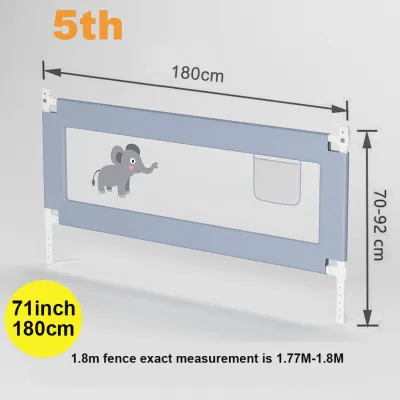

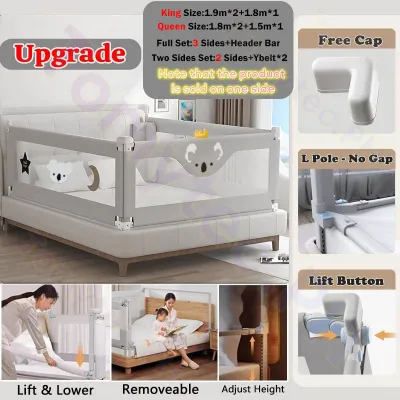
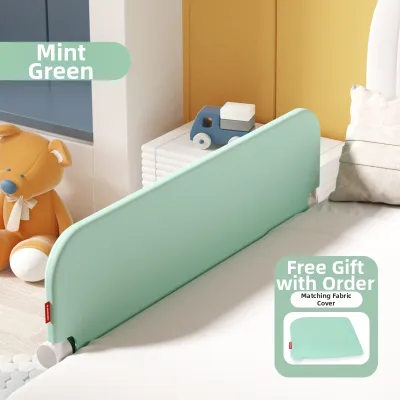

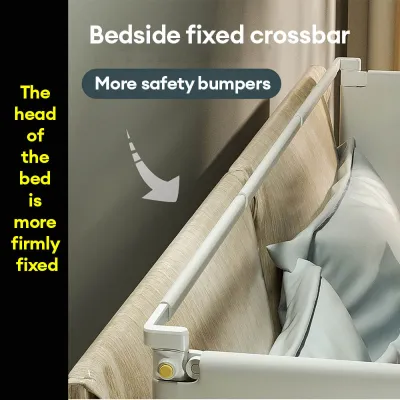

Prices are valid at publication and may change. Please refer to the product page for the latest price.
These dangerous gaps typically form because mattresses are flexible, compressible objects. When a child rolls against a bed fence, their body weight pushes the mattress inward, creating a “V-shaped” void between the mattress edge and the vertical rail. If the fence is not anchored securely, the entire barrier can bow outward, widening this gap. A child who slides into this space can quickly become trapped, leading to chest compression or positional asphyxiation.
Suffocation risks are further compounded by the materials used in both the fence and the surrounding sleep environment. In warm, tropical climates, many parents opt for bed fences with mesh panels to encourage airflow and keep the sleeping area cool. However, if the mesh fabric is loose, worn, or of poor quality, a child’s face can press into the sagging material, blocking their airway. Additionally, the common practice of placing soft pillows, heavy blankets, or plush bolsters along the inside of the bed fence to cushion the child can backfire. These soft items can easily get wedged into the gap between the mattress and the rail, creating an immediate suffocation hazard if the child rolls into them.
A child’s age, mobility level, and sleep habits directly dictate the severity of these risks. Younger toddlers and infants do not possess the developmental capability to extricate themselves from tight spaces. If a baby rolls onto their stomach or side against a soft barrier, they may not have the neck strength to turn their head away to breathe. Active sleepers who toss and turn throughout the night are also at a higher risk of shifting the mattress or sliding into hazardous positions while their parents are asleep.
Key Safety Features to Check Before Buying
Minimizing the risks associated with bed fences starts long before installation. When shopping for a bed fence, parents must look past appealing designs or marketing claims and carefully evaluate the structural integrity and safety specifications of each product.

First and foremost, always verify the manufacturer’s explicit age, weight, and developmental limits printed on the product packaging or instruction manual. Most standard bed fences are strictly designed for children between the ages of 2 and 5 years who are physically capable of getting in and out of an adult bed without assistance. They are never intended for infants or babies who cannot climb out of bed on their own. Using a bed fence for a child who is too young or too small significantly increases the likelihood of a fatal entrapment incident.
Next, evaluate the rigidity of the mesh and the frame. A high-quality bed fence should feature a robust, unyielding frame—typically made of steel or heavy-duty aluminum—and a tightly stretched mesh panel. When you apply pressure to the center of the mesh, it should not bow outward or sag. Any flexibility in the frame or fabric represents a potential gap where a child’s head or limbs could become wedged. Avoid products that use flimsy plastic poles or loose, stretchy fabrics that easily deform under light pressure.
The stability of the locking mechanism is another critical feature to inspect. The fence must have a secure, multi-step locking system that prevents the rail from accidentally folding down or collapsing inward if a child leans, sits, or bumps against it. Look for locks that require a deliberate, dual-action motion to release, ensuring that an inquisitive toddler cannot accidentally unlock the barrier from the inside. Additionally, check the anchoring system. Reliable bed fences use heavy-duty straps that wrap around the opposite side of the bed frame or solid metal anchor plates that sit flat beneath the mattress. Avoid models that rely solely on the weight of the mattress to hold the rail in place, as lightweight foam mattresses can easily shift and compromise the barrier’s stability.
Proper Installation and Daily Maintenance
Even the highest-quality bed fence can become a severe hazard if it is installed incorrectly or left unmaintained. Proper installation requires strict adherence to the manufacturer’s instructions and a commitment to regular safety checks.
The most crucial rule of installation is ensuring a completely flush fit between the bed fence and the side of the mattress. There must be absolutely zero gap between the vertical rail and the edge of the mattress. To test this, run your hand along the entire length of the installed fence. If you can easily slide your hand or fingers between the mattress and the rail, the installation is unsafe. The fence must press firmly into the side of the mattress, compressing the foam slightly to ensure a tight, seamless seal.
To achieve this flush fit, you must secure the base of the fence firmly under the mattress according to the specific product instructions. If the product utilizes anchoring straps, thread them underneath the mattress and attach them securely to the opposite side of the bed frame. Pull these straps as tight as possible to eliminate any slack. If you are using a lightweight foam mattress—which is highly common in tropical regions due to its breathability and affordability—be extra vigilant. Lightweight mattresses shift much more easily than heavy spring mattresses, meaning the anchoring straps must be checked and tightened frequently to prevent the mattress from sliding away from the rail.
Daily maintenance is essential because bed fences naturally shift and loosen over time due to daily bed-making, changing sheets, and the child’s movement. Establish a quick, daily visual checklist before putting your child to bed:
- Check the alignment: Ensure the rail is still perfectly flush against the mattress and has not shifted outward.
- Inspect the straps: Verify that the anchoring straps under the bed remain taut and have not slipped or loosened.
- Examine the hardware: Look for any cracked plastic joints, bent metal poles, or torn mesh fabric.
- Test the locks: Ensure the folding or locking mechanisms are fully engaged and cannot be pushed open with light pressure.
If you notice any wear, sagging fabric, or loose parts, discontinue using the bed fence immediately until it can be properly adjusted or replaced.
When to Stop Using the Bed Fence
A bed fence is a temporary safety tool, not a permanent fixture. Knowing when to remove the fence is just as important as knowing how to install it correctly. As children grow and develop new physical skills, a barrier that once protected them can quickly turn into a dangerous climbing hazard.
Parents must closely monitor their child for physical signs that they are outgrowing the bed fence. If your child can pull themselves up to a standing position using the rail, shake the fence loose, or push down on the top bar with their body weight, the fence is no longer safe. A child who can shake or push the fence can easily compromise the locking mechanism or create a dangerous gap at the base.
Strictly follow the manufacturer’s maximum height and weight thresholds. Once a child exceeds these limits, their center of gravity is higher, making it much easier for them to accidentally tip over the top of the rail and fall to the floor. This type of fall can be far more dangerous than rolling out of a low bed, as the child may land headfirst from a greater height.
Pay close attention to behavioral cues as well. If you observe your child attempting to use the bed fence as a stepping tool or ladder to climb out of bed, remove the fence immediately. Toddlers are naturally curious and adventurous; a bed fence can look like an appealing climbing frame. If they attempt to scale it, they risk getting their limbs caught in the frame or falling awkwardly onto the floor. When these behaviors or physical milestones are reached, it is time to transition to a safer sleep setup.
Safe Sleep Alternatives for Transitioning Toddlers
If a bed fence is not suitable for your child’s age, or if they have outgrown it, several practical, low-risk alternatives can keep them safe during the transition to a big bed.
One of the most reliable options is transitioning to a standard toddler bed. These beds are specifically designed close to the floor and often feature built-in, manufacturer-tested safety rails. Because these rails are integrated directly into the wooden or plastic frame of the bed, they do not rely on straps or mattress weight to stay in place, virtually eliminating the risk of shifting and creating dangerous gaps. Instead of spending ₱1,500 to ₱3,000 on an aftermarket bed rail that may not fit your frame securely, investing that budget toward a dedicated toddler bed can offer far greater peace of mind.
Another highly effective and budget-friendly alternative is setting up a floor bed. This approach is particularly popular in modern parenting because it encourages independence while eliminating fall risks entirely. By placing a high-quality, firm mattress directly on the floor, you remove the height hazard. If your child rolls off the mattress during the night, they will simply roll a few centimeters onto the floor. To make this setup comfortable and safe, place a soft play mat, a low-pile rug, or a clean banig next to the mattress to cushion any accidental rolls.
When setting up a floor bed, it is vital to adjust the room layout to prevent new hazards. Ensure the mattress is placed in the center of the room or away from walls and heavy furniture. Pushing a mattress directly against a wall can create a dangerous entrapment zone between the mattress and the wall itself. Additionally, because the child has free access to the entire room, you must thoroughly baby-proof the space. Secure all heavy furniture (such as wardrobes and chests of drawers) to the wall, cover electrical outlets, remove cords or choking hazards, and install a secure baby gate at the bedroom door to prevent unsupervised wandering at night.
Frequently Asked Questions (FAQ)
Is a bed fence safe for newborns and young infants?
No, bed fences are never safe for newborns or young infants. Safe sleep guidelines emphasize that infants must sleep on a flat, firm, separate surface—such as a crib, cot, or bassinet—free of any soft bedding, pillows, bumpers, or side rails. Infants lack the head control and motor skills to free themselves if they roll into a gap or press their face against a mesh barrier. Always check the manufacturer’s label, which typically specifies a minimum age of 2 years or older for bed fence use.
What should I do if my child gets trapped against the bed fence?
If you find your child trapped, remain calm but act immediately. Gently and quickly lift the mattress or release the fence’s locking mechanism to free them; do not pull their limbs or neck forcefully, as this can cause further injury. Once freed, immediately check their breathing, responsiveness, and heart rate. If they are struggling to breathe, have blue lips, or are unresponsive, call emergency services or seek medical attention right away. Even if they appear uninjured, discontinue using the bed fence immediately and do not reinstall it until you have transitioned to a safer sleep alternative.

Community discussion
Share your experience or ask a question. Comments are reviewed before publication.