
While bed fences can help prevent older toddlers from rolling off an adult bed, they introduce significant entrapment and suffocation risks if not carefully selected, properly installed, and continuously monitored. Because adult beds are not inherently designed for infant sleep safety, using a bed fence requires strict adherence to manufacturer guidelines and a clear understanding of when alternative sleep setups are much safer. This guide will help you evaluate the risks, identify crucial safety features, and establish safe usage boundaries for your child.
Evaluating Sleep Setups: Bed Fences vs. Cribs and Floor Beds
When planning your child’s sleep environment, it is essential to understand that adult beds and infant cribs serve entirely different safety standards. Adult mattresses are typically softer, thicker, and surrounded by plush bedding, pillows, and blankets. When you add a bed fence to an adult bed, you are attempting to retrofit a space that was never engineered for an infant’s safety. For young babies, the risk of rolling into a soft mattress or becoming wedged between the mattress and a rail is exceptionally high.
Pediatric safety guidelines globally emphasize that infants should sleep on a firm, flat surface free of loose bedding, which is why dedicated cribs, bassinets, or playpens remain the standard recommendation. These structures have fixed, tested barriers designed to prevent falls without creating dangerous gaps. A bed fence, by contrast, is an aftermarket accessory. It relies on the weight of the adult mattress or a strap system to stay in place, leaving room for shifting and structural failure.
Products mentioned in this guide
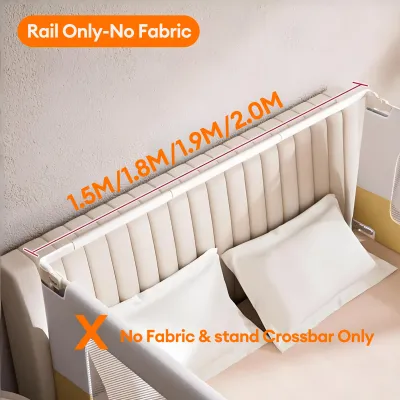
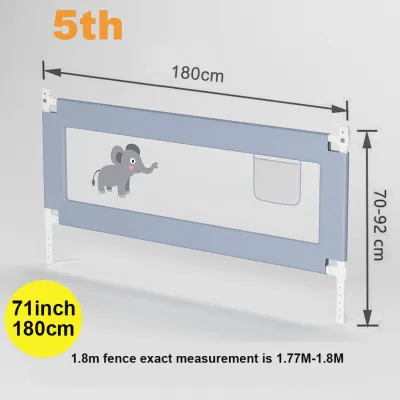

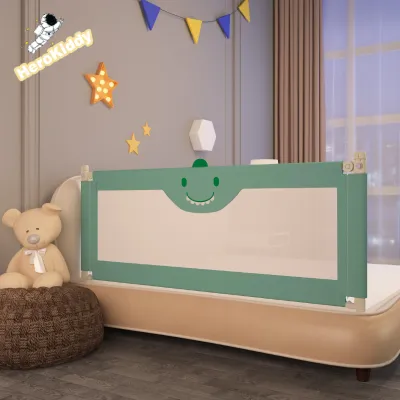
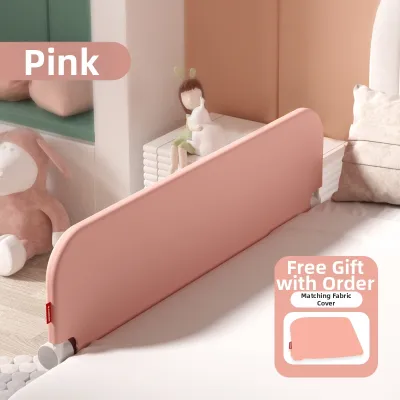
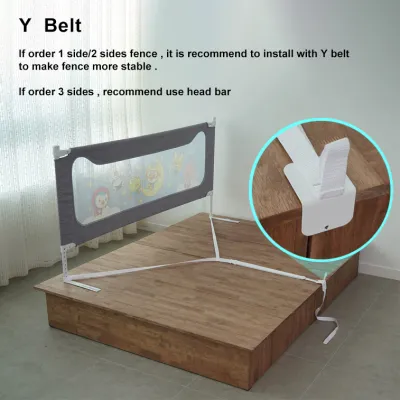
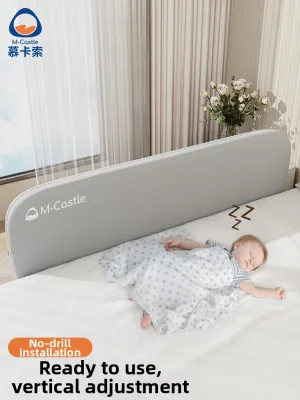

Prices are valid at publication and may change. Please refer to the product page for the latest price.
A bed fence should only be considered during specific developmental stages, typically when an older toddler is transitioning out of a crib. This transition usually occurs when the child is physically capable of climbing out of a crib but still needs a barrier to prevent accidental rolls during sleep. If your child is still an infant or cannot yet sit up, crawl, or pull themselves up reliably, a bed fence is not a safe option. Instead, a dedicated toddler bed or a floor bed setup is a much safer alternative.
In tropical climates like the Philippines, where families often use thinner foam mattresses on wooden slatted frames or directly on the floor to maximize airflow, the compatibility of a bed fence changes. A lightweight foam mattress may not provide enough downward pressure to secure a tension-based bed fence, increasing the risk of the rail slipping. Understanding these structural differences is the first step in deciding whether a bed fence is appropriate for your home.
Identifying Entrapment and Fall Hazards
The primary hazard associated with bed fences is entrapment. This occurs when a child slips into a gap between the mattress and the bed rail, or between the bed frame and an adjacent wall. Because babies lack the neck strength and motor skills to extricate themselves, getting stuck in these tight spaces can quickly lead to positional asphyxiation. Even a gap of just a few centimeters is wide enough for a baby’s body to slip through while their head remains trapped.

Suffocation is another critical risk, particularly with poorly designed or incorrectly installed rails. If a baby rolls face-first against a bed fence made of non-breathable material or loose, sagging mesh, their airway can easily become blocked. In warm and humid environments, a lack of adequate ventilation through the barrier can also contribute to overheating, which is a known risk factor during sleep. The mesh must remain taut and highly breathable under all conditions to minimize this hazard.
Fall risks do not disappear simply because a bed fence is installed. If the rail does not cover the entire length of the bed, an active child might crawl around the ends of the fence and fall onto the floor. Furthermore, as toddlers grow more active, they may attempt to use the bed fence as a climbing aid. If a child manages to climb over the top of the rail, the fall distance to the floor is often much greater than it would be from a low-profile toddler bed or a floor mattress, potentially resulting in more severe injuries.
What to Look for When Choosing a Bed Fence
Selecting a bed fence requires a meticulous inspection of its structural design and compatibility with your existing furniture. First, you must verify mattress compatibility. Many bed fences are designed specifically for heavy, standard-sized spring mattresses. If you use a lightweight polyurethane foam mattress, which is common in many Filipino households, the mattress may not have the weight required to hold the anchor straps or base plates firmly in place. Always check the manufacturer’s specifications regarding the minimum mattress weight and thickness required for secure installation.
Gap prevention is the most critical safety feature to evaluate. Look for bed fences that feature a secure anchoring system, such as straps that wrap around the opposite side of the bed frame or a rigid base plate that bolts directly to the bed slats. The design should ensure that the vertical rail pressed against the side of the mattress leaves zero space, even when a child pushes their weight against it. Avoid models that rely solely on the friction of the mattress to stay upright.
Material and mesh safety must also be scrutinized. The fabric barrier should consist of a tight, durable mesh that allows for maximum airflow. You can test this by holding the mesh close to your face to ensure you can breathe through it effortlessly. Inspect the stitching and frame to ensure there are no sharp edges, exposed metal hinges, or small detachable parts that could pose a choking hazard. The mesh must be stretched tightly across the frame without any sagging or loose pockets.
Finally, examine the locking mechanisms. If the bed fence features a fold-down or slide-down design for easy access, the hinges must have robust, double-action locks. These locks should require two distinct physical actions to disengage, ensuring that an inquisitive toddler cannot accidentally trigger the mechanism from the inside. The controls for lowering the fence should always be positioned on the exterior side, completely out of the child’s reach.
How to Install and Use a Bed Fence Safely
Proper installation is just as important as choosing the right product. Begin by assembling the bed fence strictly according to the manufacturer’s instruction manual. Once assembled, position the base under the mattress and secure the safety straps to the opposite side of the bed frame. Tighten these straps until the rail is pressed firmly against the mattress. Test the installation by vigorously shaking the rail; if it shifts, slides, or creates a gap wider than a finger’s width, you must adjust the tension or re-evaluate the compatibility of your bed frame.
Never rely on makeshift solutions to fill gaps between the mattress and the bed fence. Pushing pillows, rolled-up blankets, or towels into a gap creates an additional, highly dangerous suffocation hazard. If the bed fence does not fit snugly against your mattress, do not use it. If you position the bed against a wall, ensure the mattress is pushed tightly against that wall, and place the bed fence on the open side. Alternatively, ensure there is a safe clearance of at least 30 centimeters between the bed and the wall to prevent a child from becoming trapped in between.
Establish a strict routine for operating the bed fence. When your child is awake and active in the room, lower the fence if they are supervised, or ensure they are not left unattended on the bed. Leaving a raised bed fence unattended can tempt a toddler to climb it from the floor or the bed, leading to falls. Always check the locking indicators every time you raise the rail to confirm it has clicked securely into its locked position.
Regularly inspect the entire setup on a weekly basis. Over time, daily use and the natural movement of the mattress can cause safety straps to loosen or the base to shift. Check that the mesh remains taut and that the locking mechanisms operate smoothly without sticking. If you notice any frayed fabric, cracked plastic, or bent metal components, discontinue use immediately and contact the manufacturer for replacement parts or guidance.
When to Stop Using a Bed Fence
A bed fence is a temporary safety measure, not a permanent fixture. You must continuously monitor your child’s physical growth and behavioral changes to determine when the fence is no longer safe. Every manufacturer specifies maximum weight and height limits for their products. Once your child approaches or exceeds these limits, the structural integrity of the rail can no longer be guaranteed, and the risk of the fence breaking or tipping over increases significantly.
Behavioral signs are often the most urgent indicators that it is time to remove the bed fence. If you observe your child attempting to climb over the rail, shaking the fence vigorously, or trying to dismantle the locking mechanisms, the product has become a hazard. An active child can easily tumble over the top of a raised rail, resulting in a fall from a significant height.
When these signs appear, plan a transition to a safer sleep environment. A floor bed—where a mattress is placed directly on a clean, baby-proofed floor—is an excellent, low-risk alternative that eliminates fall hazards entirely. Alternatively, you can transition your child to a dedicated toddler bed that sits low to the ground and features built-in, low-profile wooden rails designed specifically to prevent rolling without creating entrapment gaps.
Frequently Asked Questions (FAQ)
Can I use a bed fence for a baby under 6 months old?
No, you should never use a bed fence for a baby under 6 months old. Infants in this age group lack the motor skills, head control, and strength to extricate themselves if they roll into a gap or press their face against the rail. Standard adult mattresses and bedding are too soft for young infants, presenting severe suffocation and entrapment risks. For babies under 6 months, a dedicated crib, bassinet, or co-sleeper that complies with infant safety standards is the only recommended sleep environment.
What should I do if there is a gap between the mattress and the bed fence?
If you detect any gap between the mattress and the bed fence, you must stop using the product immediately. Do not attempt to fill the gap with pillows, cushions, folded blankets, or towels, as these soft items pose a severe suffocation risk if a baby rolls into them. Instead, check the installation manual to ensure the safety straps are fully tightened and anchored correctly. If the gap persists due to mattress size or bed frame design, the bed fence is incompatible with your setup and must be removed.
Are mesh bed fences safer than wooden ones?
Neither material is universally safer, as safety depends entirely on the specific product design, installation, and compliance with safety standards. Mesh bed fences offer excellent breathability and a soft surface if a child bumps into them, making them highly suitable for preventing suffocation, provided the mesh remains taut. Wooden rails are structurally sturdier and do not sag, but they can present harder impact surfaces and may have wider slat gaps that require careful checking to ensure a child’s limbs or head cannot become trapped. Always verify that any design you choose eliminates gaps between the rail and the mattress.
Community discussion
Share your experience or ask a question. Comments are reviewed before publication.