
Transitioning your toddler from a baby bottle to an insulated tumbler is a major developmental milestone. It marks a shift in how your child swallows, coordinates their hands, and interacts with daily meals. In a warm, tropical climate like the Philippines, an insulated tumbler is not just a convenience; it is a practical tool to keep water cool and refreshing while preventing the rapid spoilage of milk or juices. However, finding the right kids insulated tumbler requires looking beyond bright colors and cute cartoon designs. The ideal transition cup must match your child’s current oral motor skills, feature safe and durable materials, and offer a design that you can easily clean to prevent mold growth in humid conditions.
Understanding Your Toddler's Readiness for an Insulated Tumbler
Recognizing when your toddler is ready to move away from the bottle involves observing their physical coordination and interest in family meals. Most pediatric experts suggest introducing transitional cups around six to twelve months of age, with complete weaning from the bottle often targeted by eighteen months. Look for clear physical indicators, such as the ability to sit upright in a high chair without support, a strong grasp that allows them to lift objects intentionally, and a curious gaze directed at your own drinking cups during mealtime. If your child can bring their hands to their mouth reliably, they possess the basic motor skills needed to handle a toddler-friendly tumbler.
In tropical environments, the role of insulation in toddler drinkware becomes highly significant. High humidity levels mean that cold liquids in single-walled plastic or metal cups quickly create condensation on the exterior. This sweating makes the surface incredibly slippery, causing frustrated toddlers to drop their cups repeatedly. Double-wall vacuum insulation solves this issue by keeping the outer surface dry and easy to grip, while also ensuring that water remains at an appealing, cool temperature throughout warm afternoons. Keeping water cool encourages consistent hydration, which is vital for active toddlers playing in warm weather.
Products mentioned in this guide
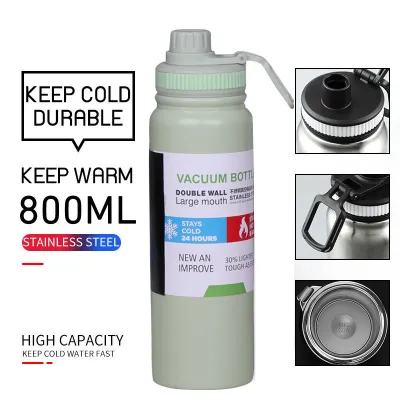
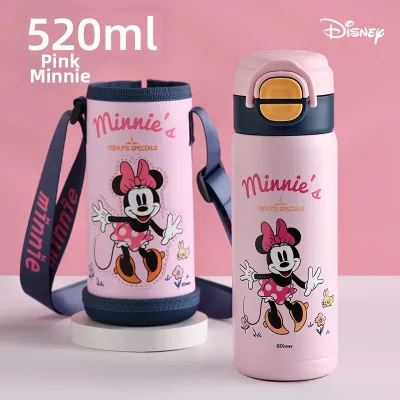
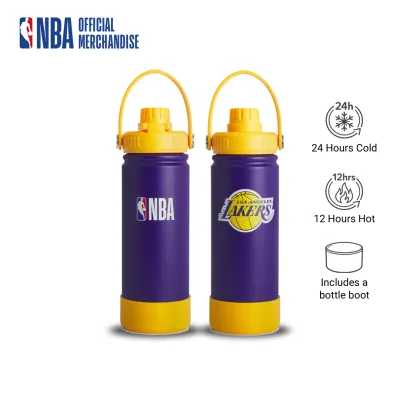
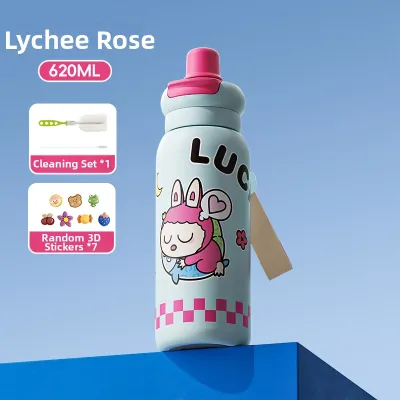
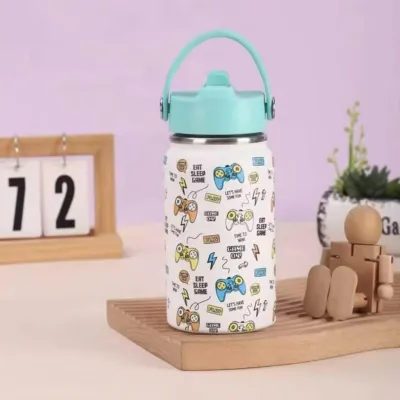
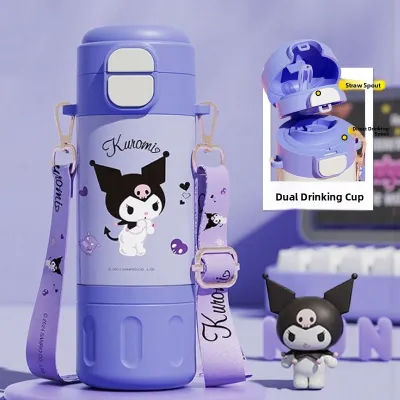
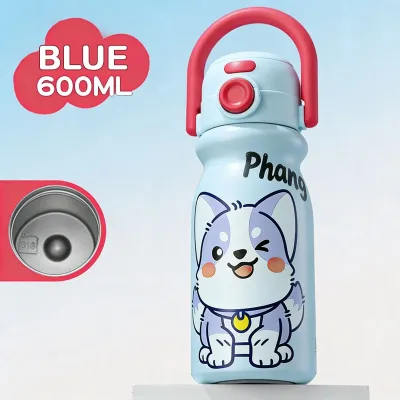
Prices are valid at publication and may change. Please refer to the product page for the latest price.
When evaluating potential tumblers, always prioritize the physical weight and capacity of the vessel over generic marketing labels. A stainless steel tumbler is naturally heavier than a plastic bottle, and when filled with liquid, it can easily become too heavy for a young toddler to lift safely. Look for smaller capacities, typically between 7 to 10 ounces, for early transition stages. Always consult the manufacturer’s specific age and weight recommendations on the packaging, as these guidelines are designed to prevent muscle strain and accidental drops that could lead to injury.
Spout vs. Straw vs. 360-Degree Lids: Choosing the Right Flow
The drinking interface of the tumbler plays a critical role in your child’s oral development and dental health. Spout lids are often the first choice for parents because they closely mimic the familiar shape and flow of a baby bottle. When selecting a spout lid, look for soft, flexible silicone materials that are gentle on tender, teething gums. It is essential to inspect these spouts regularly for bite resistance; active chewers can easily puncture soft silicone, creating small torn pieces that present a serious choking hazard. If you notice any tears, cracks, or thinning of the material, stop using the lid immediately and replace it.

Straw cups represent an excellent step forward for oral motor development, as they encourage a mature swallowing pattern. Drinking from a straw requires your toddler to seal their lips around the tube, pull their tongue back, and use their cheek muscles to create suction. For early transitioners, look for tumblers that feature weighted straws. These designs have a small weight at the bottom of the flexible straw that follows the liquid as the cup is tilted, allowing your child to drink from any angle, whether they are sitting upright or reclining. However, because straws have narrow channels, you must verify that the straw assembly can be completely separated from the lid for thorough cleaning.
The 360-degree or rimless lid is a sophisticated option that prepares your child for drinking from a standard open cup. These lids feature a circular valve that releases liquid only when the child applies gentle lip pressure to the edge, allowing them to sip from any side of the rim. This design promotes natural jaw stabilization and prevents the prolonged sucking habits associated with dental misalignment. While 360-degree lids are highly effective at minimizing major spills during active play, they may require more coordination, which can sometimes frustrate younger toddlers who are accustomed to the effortless flow of a bottle.
Choosing when to switch between these lid styles depends entirely on your child’s individual progress and behavior. If your toddler constantly chews on a soft spout rather than drinking from it, or if they show signs of frustration due to a slow flow rate, it may be time to introduce a straw or a 360-degree lid. Conversely, if they struggle with the coordination required for a straw, returning to a soft spout temporarily can ease the transition. Observe their swallowing patterns and consult your pediatrician or pediatric dentist if you have concerns about their oral development or teeth alignment during the weaning process.
Essential Safety and Hygiene Checks Before Buying
Material safety is the most critical factor when choosing any product that comes into contact with your child’s food or drink. When browsing kids insulated tumblers, look for high-quality, food-grade stainless steel, specifically labeled as 304 or 316 grade. These materials are highly resistant to rust, do not retain strong flavors, and do not leach chemicals into liquids. For all plastic lids, straw connectors, and silicone gaskets, read the product packaging carefully to verify that they are explicitly certified as free from Bisphenol A (BPA) and Bisphenol S (BPS). Because chemical regulations and formulations can change, do not rely on brand reputation alone; always check the physical product label or the manufacturer’s official documentation.
It is important to understand the distinction between leak-proof and spill-proof designs. A spill-proof cup is designed to prevent large messes when the cup is tipped over or dropped during normal use, usually relying on one-way silicone valves. A truly leak-proof cup, however, must withstand changes in air pressure and temperature without releasing liquid. In tropical climates, leaving an insulated tumbler in a warm car or under direct sunlight can cause the air inside to expand, forcing liquid up through the straw or spout when the lid is opened. Always check the manufacturer’s instructions regarding pressure release and avoid filling the tumbler with carbonated or hot liquids that can build up internal pressure.
While insulated tumblers are excellent at maintaining temperatures, this capability requires strict parental vigilance to prevent accidental scalding. Double-wall insulation is so effective that the outer surface of the tumbler will remain cool to the touch even if the liquid inside is dangerously hot. Never rely on the temperature of the outer stainless steel shell to judge the safety of the drink. Always manually test the temperature of the water, milk, or formula by dropping a small amount onto the inside of your wrist before handing the tumbler to your child.
In humid environments, mold can develop in hidden crevices within a matter of hours. When evaluating a tumbler, look closely at how the lid and valve assembly are constructed. Avoid designs with permanently sealed chambers, complex internal tracks, or non-removable silicone gaskets, as these are notorious breeding grounds for black mold. A safe tumbler must allow you to fully disassemble every single component—including the straw, the anti-colic valve, and the sealing rings—without needing specialized tools. If a product manual does not provide clear, step-by-step instructions on how to take the lid apart for deep cleaning, it is best to choose a different model.
How to Filter and Evaluate Options on E-commerce Platforms
Shopping for a kids insulated tumbler on online marketplaces requires a strategic approach to filter out low-quality or unsafe products. Start by using precise search terms such as “toddler stainless steel straw cup,” “insulated transition cup,” or “baby insulated tumbler with handles.” Avoid overly broad searches like “kids water bottle,” which often return large-capacity vessels designed for older children. Use the platform’s filtering tools to narrow down results by material, focusing on stainless steel, and look for listings that explicitly state the age suitability of the product.
When browsing product listings, learn to identify red flags that indicate a potentially low-quality or counterfeit item. Be highly skeptical of listings that lack detailed material specifications, such as failing to specify the grade of stainless steel or omitting clear “BPA-free” declarations. Vague age recommendations, such as “for babies and adults,” are a sign that the product has not been properly tested for toddler safety standards. Additionally, if the listing photos do not show the lid fully disassembled, or if the description lacks clear instructions on how to clean the internal parts, it is a strong indicator that the design may be difficult to maintain.
User reviews can provide invaluable, real-world insights into how a tumbler performs over time, but you must evaluate them critically. Look past the initial five-star ratings and focus on reviews that mention durability after several months of use. Search the review text for keywords like “mold,” “leak,” “rust,” or “broken valve.” Pay close attention to user-uploaded photos, which often reveal how easily the outer paint chips off when dropped, or whether the silicone straw shows signs of tearing after being chewed by a teething toddler.
Finally, assess the long-term value of the tumbler by looking beyond the initial purchase price in Philippine Pesos (₱). A cheap tumbler may seem like a bargain, but if the silicone straw tears or the gasket stretches out, and the manufacturer does not sell replacement parts, you will have to buy an entirely new tumbler. Check if the seller or brand offers affordable replacement lids, straw kits, and silicone rings separately. Investing a bit more upfront in a reputable brand that provides accessible replacement parts for a few Pesos can save you money and reduce waste over your child’s weaning journey.
Frequently Asked Questions (FAQ)
Can I put hot milk or formula in an insulated tumbler?
It is highly recommended to avoid storing warm milk or prepared infant formula in an insulated tumbler for extended periods. Warm dairy products provide an ideal breeding ground for harmful bacteria, which can multiply rapidly in the sealed, dark environment of an insulated container. If you must use the tumbler for milk, ensure it is consumed within the time limits recommended by your pediatrician—typically within one to two hours of preparation. Always consult the manufacturer’s manual, as many brands explicitly warn against storing dairy products in their insulated vessels due to the risk of bacterial growth and pressure buildup from fermentation.
How do I clean the silicone valves and straws to prevent mold?
To keep silicone components free from mold, you must establish a strict daily cleaning routine. Begin by completely disassembling all parts of the lid, removing the silicone gaskets, valves, and straws from the plastic housing. Use a specialized, narrow straw brush with soft bristles to scrub the inside of the straw and valve channels with warm, soapy water. Check your product manual to verify if the components are dishwasher-safe or if they can withstand high-temperature steam sterilizers, as excessive heat can warp certain plastics. After washing, place all parts on a clean, elevated drying rack in a well-ventilated area, ensuring they are completely dry before reassembling them.
When should I transition my toddler from a transitional cup to a regular open cup?
While transitional insulated tumblers are incredibly useful for outings and active play, pediatric dentists generally recommend introducing a regular open cup around twelve months of age. Look for developmental signs of readiness, such as your child’s ability to control their hand movements without spilling objects, and their capacity to sip liquid from the edge of a cup rather than sucking on it. Transitioning to an open cup helps develop advanced oral motor skills, strengthens the jaw muscles, and prevents the dental issues associated with prolonged use of spouts or straws. You can practice at home during mealtimes with small amounts of water in a tiny, durable open cup under close supervision.

Community discussion
Share your experience or ask a question. Comments are reviewed before publication.