
When choosing vitamins for kids gummies, parents must look beyond appealing shapes, bright colors, and sweet flavors. While these chewable supplements offer an easy way to fill nutritional gaps for picky eaters, not all formulations are created equal. The ideal gummy supplement should provide essential, highly bioavailable nutrients in safe, age-appropriate dosages while minimizing added sugars, synthetic dyes, and potential allergens.
Because children’s nutritional needs are highly individual, reading the Supplement Facts panel is the single most important step before making a purchase. A product that looks identical to another on the front of the bottle may contain vastly different nutrient forms, sugar levels, and additives on the back. Taking a few moments to decode these labels ensures you select a safe, effective product that genuinely supports your child’s growth and development.
Quick Reference: What to Look for and Avoid
Evaluating vitamins for kids gummies requires balancing nutritional benefits against unnecessary additives. To make informed decisions at the pharmacy or when browsing online marketplaces, parents can use a simple checklist to separate high-quality formulations from low-quality alternatives.
Products mentioned in this guide
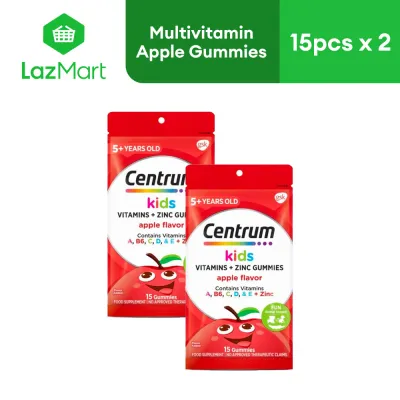
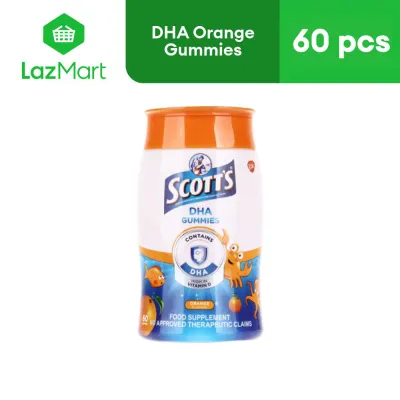
Prices are valid at publication and may change. Please refer to the product page for the latest price.
When inspecting a supplement label, prioritize products that list highly bioavailable nutrient forms, such as Vitamin D3 and methylcobalamin (Vitamin B12). Look for natural gelling agents like pectin, which holds up better in warm climates, and natural colorings derived from fruits and vegetables.
Conversely, avoid products with excessive added sugars, artificial dyes (such as Red No. 40 or Yellow No. 6), and synthetic preservatives. Always check the label for common allergens if your child has known sensitivities, and verify that the serving size matches your child’s age and development stage. Keep in mind that gummy vitamins are dietary supplements, not candy, and their formulation must be scrutinized with the same care as any other health product.
Beneficial Ingredients: Key Vitamins and Dosages
The primary purpose of any supplement is to deliver usable nutrients to the body. When evaluating vitamins for kids gummies, understanding which vitamins are included, their chemical forms, and how their dosages align with your child’s daily needs is essential.

Identifying Bioavailable Vitamins
Bioavailability refers to how easily and efficiently the human body absorbs and utilizes a nutrient. When scanning the ingredient list, look for specific, highly absorbable forms of essential vitamins rather than cheaper, synthetic alternatives. For example, ensure the product contains Vitamin D3 (cholecalciferol) rather than Vitamin D2 (ergocalciferol), as D3 is significantly more effective at raising and maintaining active vitamin levels in the blood.
Similarly, check the forms of B-complex vitamins and Vitamin C. Look for active folate (such as L-methylfolate) instead of synthetic folic acid, and methylcobalamin instead of cyanocobalamin for Vitamin B12. Vitamin C is highly beneficial for immune support and iron absorption, and it should ideally appear as ascorbic acid or sodium ascorbate. Always cross-reference these nutrient forms with general pediatric nutrition guidelines or consult your pediatrician to verify their suitability, rather than relying solely on front-of-pack marketing claims.
Matching Dosages to Your Child's Needs
Determining the correct dosage requires looking past the marketing claims and analyzing the Supplement Facts panel. Always check the “Serving Size” listed at the top of the label. A single serving is rarely just one gummy; it often requires two or three gummies to deliver the nutrient amounts listed. If you feed your child fewer than the recommended serving size, they will not receive the full nutritional value indicated on the bottle.
Next, examine the “% Daily Value” (% DV) column, which is typically broken down by age groups, such as children aged 1 to 3 years and children aged 4 years and older. Ensure the exact milligram (mg) or microgram (mcg) amounts per serving align with your child’s specific age, weight, and dietary gaps. Because nutritional needs vary, a child who eats a diverse diet may only need a low-dose supplement, whereas a picky eater might require a more comprehensive formula. Never assume a single product fits all age groups; always adjust the serving size based on professional pediatric recommendations.
Red Flags: Sugars, Additives, and Allergens to Avoid
While the active nutrients in gummies are beneficial, the inactive ingredients used to create their appealing taste, texture, and color can sometimes pose health risks or cause digestive discomfort.
Navigating Sugars and Sugar Alcohols
To make vitamins palatable to children, manufacturers often add significant amounts of sugar. When reviewing the label, look for added sugars such as corn syrup, cane sugar, glucose syrup, or tapioca syrup. Some gummy vitamins contain up to 3 to 4 grams of sugar per serving. If your child takes multiple gummy supplements daily, these sugars can quickly add up, contributing to dental cavities and exceeding recommended daily sugar limits.
To avoid added sugars, some parents turn to sugar-free options. However, these products often rely on sugar alcohols like sorbitol, xylitol, maltitol, or erythritol. While sugar alcohols are safer for dental health, they can cause digestive issues, including bloating, gas, and mild laxative effects in young children. Monitor your child’s tolerance closely if you choose sugar-free formulations, and opt for products that use minimal, natural sweeteners where possible.
Spotting Artificial Dyes and Flavors
Synthetic additives are commonly used to give gummy vitamins their vibrant colors and intense flavors, but they offer no nutritional value. Scan the “Other Ingredients” list at the bottom of the label for artificial dyes, which are often listed as FD&C Red No. 40, Yellow No. 5, Yellow No. 6, or Blue No. 1. Many parents prefer to minimize these synthetic dyes due to concerns over sensitivities and behavioral changes in select children.
Instead, look for clean alternatives that use natural colorings derived from fruit and vegetable juices, such as purple carrot juice concentrate, annatto, turmeric, or beetroot juice. Similarly, prioritize products flavored with natural fruit extracts rather than artificial flavors. Choosing products with natural colors and flavors reduces your child’s exposure to unnecessary synthetic chemicals.
Choosing the Right Gelling Agent and Checking Allergens
The gelling agent determines the texture of the gummy and is a key consideration for children with dietary restrictions. Traditional gummies use gelatin, an animal-based protein derived from beef or pork collagen. If your family follows a vegetarian, vegan, halal, or kosher diet, look for plant-based alternatives that use pectin, which is derived from citrus peels and apples.
In tropical climates like the Philippines, pectin-based gummies offer a practical advantage: they have a higher melting point than gelatin. Gelatin-based gummies can easily melt and fuse into a single sticky mass when exposed to high heat and humidity, making them difficult to dose accurately. Additionally, always check the label for common allergens such as gluten, dairy, soy, tree nuts, or peanuts. If your child has known food sensitivities, look for verified “free-from” statements and third-party allergen certifications on the packaging.
How to Decode the Supplement Facts Label
Understanding how to read the physical layout of a Supplement Facts label empowers you to verify the quality and safety of any gummy vitamin before purchasing it.
Start at the very top of the panel to identify the serving size and the number of servings per container. This ensures you can calculate how long the bottle will last and understand exactly how many gummies your child must chew to receive the listed nutrient amounts. Directly below the serving size, you will find the list of active ingredients, their quantities, and the corresponding % Daily Value for different age brackets. Ensure the active ingredients match the specific nutritional gaps you intend to address.
Next, move your eyes to the “Other Ingredients” section, which is typically located at the bottom of the panel in smaller print. This is where manufacturers list binders, fillers, preservatives, and coatings. Common ingredients here include citric acid, carnauba wax, vegetable oil, or mineral oil, which are used to keep the gummies from sticking together. Avoid products that list unnecessary fillers or hydrogenated oils.
Finally, look for quality indicators on the packaging. Third-party testing seals from independent organizations (such as USP, NSF, or ConsumerLab) provide assurance that the product actually contains the ingredients listed on the label without harmful levels of contaminants like heavy metals. Always check the expiration date on the bottom or side of the bottle. Gummy vitamins degrade and lose their potency much faster than traditional tablets or capsules due to their moisture content. In warm, humid environments, store the bottle in a cool, dry place, keep the lid tightly sealed, and discard any products that have expired or changed in texture and smell.
Safety Rules: Preventing Overconsumption and Choking Risks
Because gummy vitamins taste and look like candy, they carry unique safety risks that parents must actively manage to prevent accidental harm.
Children can easily mistake a bottle of gummy vitamins for a sweet treat, leading to accidental overconsumption. This poses a serious health risk, particularly with fat-soluble vitamins such as Vitamins A, D, E, and K. Unlike water-soluble vitamins, which the body excretes in urine when in excess, fat-soluble vitamins accumulate in the body’s tissues and can cause toxicity if consumed in high amounts over a short period. Iron is also highly toxic in overdose, which is why most manufacturers omit iron from gummy formulations. Always store vitamin bottles securely in a locked cabinet out of your child’s reach and sight, and never refer to vitamins as “candy” or “sweets.”
Choking is another critical hazard, especially for toddlers and younger children who may not have fully developed chewing skills. Gummy vitamins can be firm, rubbery, and difficult to break down. Always supervise your child while they take their vitamin, ensuring they chew it completely before swallowing. Verify the manufacturer’s age recommendations on the packaging; most gummy vitamins are not formulated or safe for children under the age of three or four due to choking risks.
Before introducing any new supplement to your child’s daily routine, consult a qualified pediatrician. A professional can help you determine if a supplement is genuinely necessary, recommend precise dosages based on your child’s growth, and advise you on when to stop use if adverse reactions occur.
Frequently Asked Questions (FAQ)
Are sugar-free gummy vitamins better for kids?
Sugar-free gummy vitamins help protect your child’s teeth from cavities and reduce daily sugar intake, but they are not automatically the superior choice. These products typically rely on sugar alcohols or artificial sweeteners to maintain a sweet taste. Sugar alcohols can cause digestive discomfort, bloating, or a mild laxative effect in sensitive young children. Parents must weigh the benefits of avoiding sugar against their child’s digestive tolerance and personal preferences for natural ingredients.
Do gummy vitamins contain enough nutrients compared to pills?
Gummy vitamins can deliver essential nutrients, but they generally contain lower nutrient concentrations and fewer vitamin types than traditional chewable tablets or liquid supplements. Active ingredients often have metallic or bitter tastes, which are difficult to mask in a gummy without ruining its flavor and texture. Additionally, the moisture content in gummies makes the active vitamins less stable, causing them to degrade faster over time. If your child has a severe nutritional deficiency, a traditional chewable tablet or liquid supplement prescribed by a pediatrician may offer a more reliable and potent dose.

Community discussion
Share your experience or ask a question. Comments are reviewed before publication.