
Choosing between the Imani I2 and other breast pumps depends on your daily routine, milk expression goals, and budget. If you need a hands-free, wearable pump that fits inside your bra to multitask in a busy household or office, the Imani I2 is a strong candidate. However, if you require clinical-strength suction to build a low milk supply or prefer a highly customizable traditional pump, other categories like hospital-grade or standard portable electric pumps may serve you better. Finding the right pump is about matching a device’s verified specifications to your unique physical needs and lifestyle.
In the Philippines, nursing mothers often balance work, household chores, and long commutes in tropical weather. These daily realities make the choice of a breast pump highly personal. A pump that works wonderfully for one mother might not suit another’s daily schedule or physical comfort. By evaluating the design, power, and compatibility of different pump categories, you can make an informed decision that supports your breastfeeding journey over the long term.
Understanding the Imani I2 and Alternative Options
The Imani I2 is categorized as a wearable, tubeless, hands-free breast pump. Unlike traditional pumps that connect breast shields to a separate motor unit via plastic tubing, the Imani I2 integrates the motor, cup, and breast shield into a single compact unit that sits directly inside a standard nursing bra. To understand if this design fits your needs, you must verify the official manufacturer specifications, such as motor weight, cup capacity, and the included flange sizes, directly from the product manual or official packaging.
Products mentioned in this guide
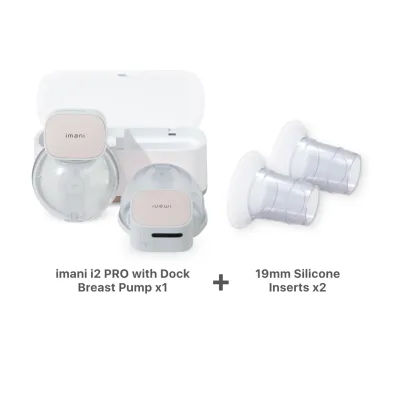
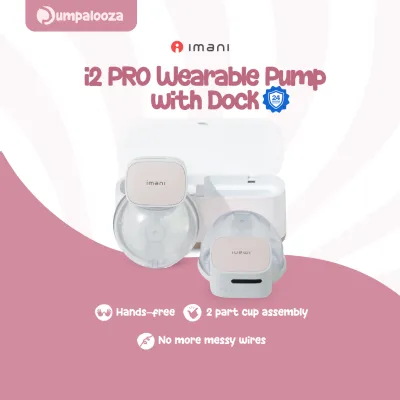
Prices are valid at publication and may change. Please refer to the product page for the latest price.
Alternative options on the market generally fall into three main categories, each serving different nursing goals:
- Hospital-Grade Pumps: These are heavy-duty, closed-system electric pumps designed for maximum efficiency, deep stimulation, and initiating milk supply. They are typically bulky, require an electrical outlet, and are often rented or purchased for intensive pumping needs.
- Standard Portable Electric Pumps: These units feature a small, rechargeable motor unit that can be clipped to a belt or placed on a table, connected by tubing to traditional breast shields. They offer a balance of strong suction customization and moderate mobility.
- Manual Pumps: Hand-operated and entirely cordless, manual pumps rely on physical compression to create suction. They are highly portable, silent, and require no electrical power.
When comparing these categories, remember that specific performance claims, battery life, and suction metrics must be checked against the latest official product documentation. Third-party summaries or online reviews can sometimes present outdated or inaccurate specifications, so verifying details directly with manufacturers or authorized distributors is always the safest approach.
Key Dimensions for Comparing Breast Pumps
To determine which pump aligns with your lifestyle, you must evaluate several critical design and performance dimensions. These criteria will help you compare the wearable design of the Imani I2 against more traditional options.

Portability and design dictate how and where you can pump. Wearable pumps like the Imani I2 allow you to move around freely, tend to your baby, or work at a desk without being tethered to a wall outlet or carrying a separate motor. This is particularly convenient in warm, humid tropical climates where minimizing heavy, skin-contacting gear can improve overall comfort. Conversely, traditional portable pumps require managing tubes and holding bottles, while hospital-grade models restrict you to a seated position near a power source.
Suction and cycle settings directly affect how comfortably and efficiently you can express milk. When evaluating any pump, check the device label or manual for adjustable modes, such as stimulation (or massage) mode and expression mode. Stimulation mode uses fast, shallow cycles to mimic a baby’s initial latch and trigger milk letdown, while expression mode uses slower, deeper suction to draw out milk. Look for devices that offer multiple levels of adjustment so you can customize the settings to your comfort level.
Flange compatibility and fit are crucial for comfort, tissue health, and optimal milk yield. The flange is the funnel-shaped plastic or silicone piece that fits over your nipple. Using an incorrect flange size can cause friction, pain, clogged ducts, and reduced milk output. Before purchasing any pump, measure your nipple diameter and check the manufacturer’s available flange and silicone insert sizes. Some pumps come with standard sizes that may require purchasing separate inserts to achieve a proper fit.
Power and charging methods determine how reliable the pump will be during power interruptions or travel. For wearable and portable electric pumps, verify the battery capacity, estimated operating time per charge, and charging interface. USB-C charging is highly practical in the Philippines, as it allows you to recharge your pump using power banks, car chargers, or laptops. Additionally, check whether the pump can be operated while plugged into a charger, as many wearable models disable operation during charging for safety reasons.
Imani I2 vs. Other Pump Categories
Comparing the Imani I2 directly to other pump categories helps clarify the trade-offs between convenience, suction power, and physical effort.
Imani I2 vs. Hospital-Grade Pumps
Hospital-Grade pumps are designed with powerful, highly durable motors that can initiate and sustain milk production even when direct breastfeeding is not possible. If you are establishing an initial milk supply in the early weeks postpartum, managing a low supply, or pumping for a premature infant in the hospital, a hospital-grade pump is generally recommended. The Imani I2, while convenient for daily maintenance, does not match the clinical suction strength or the advanced dual-motor customization of a hospital-grade unit. Choose a hospital-grade pump if your primary goal is therapeutic supply building, and consider renting one if upfront costs are a concern.
Imani I2 vs. Other Wearable Pumps
When comparing the Imani I2 to other wearable pumps on the market, pay close attention to cup shape, weight distribution, noise levels, and leak-proof designs. Some wearable pumps feature integrated smart apps that track pumping duration and volume, while others rely on simple physical buttons on the motor. Check the official user manuals to see how many parts require cleaning and assembly; fewer parts can save significant time during late-night sterilization. Additionally, verify if the cup design allows you to lean forward slightly without risking milk spills, which is a common challenge with wearable designs.
Imani I2 vs. Manual Pumps
Manual pumps offer a stark contrast to electric wearables. A manual pump requires no batteries, charging cables, or electrical outlets, making it an excellent, lightweight backup for travel or during power outages. It is also completely silent and highly affordable. However, manual pumping requires continuous hand coordination and physical effort, which can quickly become tiring if you need to pump multiple times a day. The Imani I2 automates this process entirely, allowing you to rest your hands and multitask, though it comes at a higher price point and requires regular battery maintenance.
Decision Framework: Which Pump Should You Choose?
To finalize your choice, apply this practical decision framework based on your daily routine, physical requirements, and budget.
Choose the Imani I2 if:
- Your daily routine requires you to pump while moving around, working, or caring for other children.
- You prefer a discreet, tubeless design that fits directly inside your nursing bra.
- The verified specifications, including the cup capacity and available flange or insert sizes, match your physical measurements.
- You have already established a stable milk supply and need a convenient tool for maintenance.
Choose a hospital-grade or standard portable pump if:
- You need to build, increase, or closely monitor a low milk supply.
- You prefer highly customizable suction levels and cycle speeds that traditional motor units provide.
- You require specialized medical-grade hygiene protocols, such as a completely closed system with easily sterilizable external parts.
- You pump frequently throughout the day and do not want to worry about recharging wearable batteries between sessions.
Verify first if:
- You have specific medical conditions, such as severe engorgement or mastitis, which may require professional guidance on pump selection.
- You require specialized flange shapes or sizes that are not compatible with wearable pump cups.
- You have access to hospital-grade pump rentals in your local area before committing to a high-cost purchase.
Budget considerations: When calculating the total cost of ownership, look beyond the initial purchase price. Evaluate the long-term expense of replacement parts in the Philippines. Consumable components like silicone duckbill valves, backflow protector membranes, and tubing degrade over time due to heat, humidity, and frequent washing. These parts must be replaced every few weeks or months to maintain optimal suction. Check local e-commerce platforms and baby specialty stores to compare the prices of these replacement parts in ₱, ensuring that maintaining your chosen pump remains affordable over your entire breastfeeding journey.
Frequently Asked Questions (FAQ)
Is the Imani I2 suitable for exclusive pumping?
Exclusive pumping involves expressing milk for every single feed, which requires a highly consistent and demanding schedule of eight or more sessions per day. Because wearable pumps generally feature smaller, integrated motors, they may not always empty the breast as efficiently as a traditional double electric or hospital-grade pump. If you plan to pump exclusively, check the Imani I2’s suction strength and cycle settings against your personal comfort and milk output. Many exclusive pumping mothers find success using a wearable pump as a secondary device for travel or multitasking, while relying on a robust traditional pump as their primary workhorse. If you notice a drop in milk supply, experience pain, or feel that the pump is not fully emptying your breasts, consult a lactation specialist or healthcare provider promptly.
How do I ensure the flange size is correct for my pump?
To find your correct flange size, measure the diameter of the base of your nipple (excluding the surrounding areola) in millimeters using a ruler or a printable sizing tool. Do this measurement before a pumping session. A properly fitting flange should allow your nipple to move freely in and out of the tunnel without rubbing against the sides, and it should draw in very little of the areola. Physical signs of a poor fit include pain during or after pumping, low milk yield, visible friction marks, or excessive breast tissue being pulled into the tunnel. If the standard flanges included with the Imani I2 or your chosen alternative pump do not fit, check the manufacturer’s product line for compatible silicone inserts or third-party sizing options to achieve a safe, comfortable fit.
What should I check regarding warranty and replacement parts?
Before purchasing any breast pump, verify the local warranty terms, coverage duration, and the location of authorized service centers in the Philippines. A valid local warranty is essential for electric pumps, as motor issues can occasionally occur due to daily wear or electrical surges. Additionally, check the local availability and cost of consumable parts like duckbill valves, diaphragms, and silicone cups. Using unauthorized third-party parts can compromise the pump’s suction, affect hygiene by allowing moisture into the motor, and potentially void the manufacturer’s warranty. Always source original replacement parts from authorized local distributors to ensure the safety of your expressed milk and the longevity of your device.

Community discussion
Share your experience or ask a question. Comments are reviewed before publication.