
Finding the right diaper for an older, highly active baby is rarely a matter of choosing a single, universally superior brand. Instead, the ideal diaper pants depend heavily on your baby’s unique body shape, daily activity level, and skin sensitivity under local tropical conditions. As babies grow into the extra-large (XL) size, they crawl, walk, and sweat more, making fit, absorbency, and comfort highly individualized.
To make an informed choice, caregivers must evaluate how different diaper designs perform on their child rather than relying on generic recommendations. The core decision factors—absorbency, fit, and comfort—must be tested in real-world scenarios. By observing how each brand handles your baby’s movements and wetting patterns, you can identify the option that provides the best protection and value.
Understanding the Contenders: Brand Focus and Design Traits
Every diaper brand approaches baby comfort and leak protection with a distinct design philosophy. Understanding these general structural traits helps you know what to look for when inspecting packaging claims and physical diapers.
Products mentioned in this guide
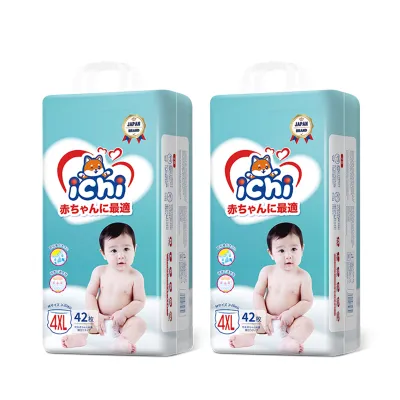
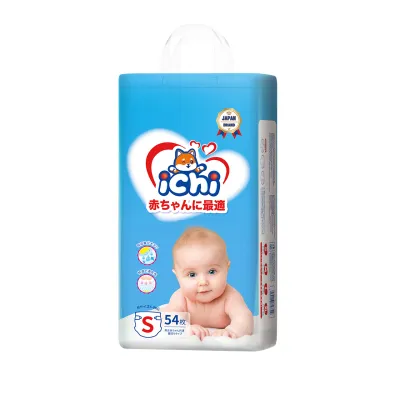
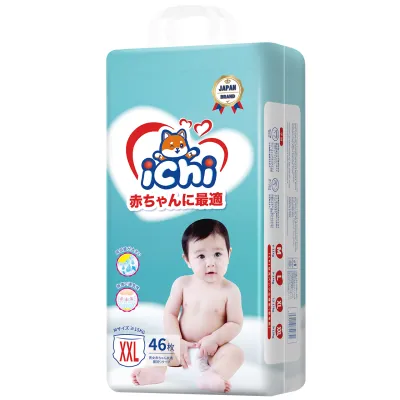
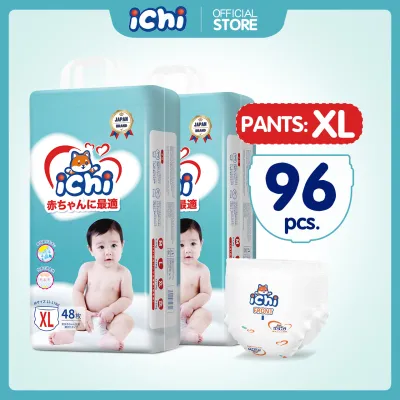
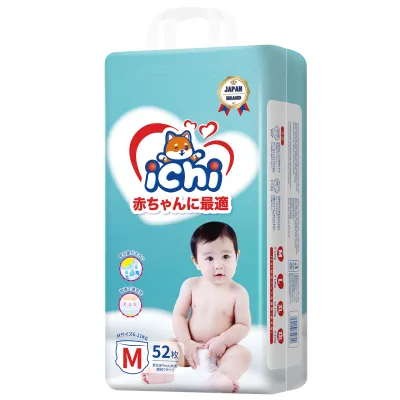
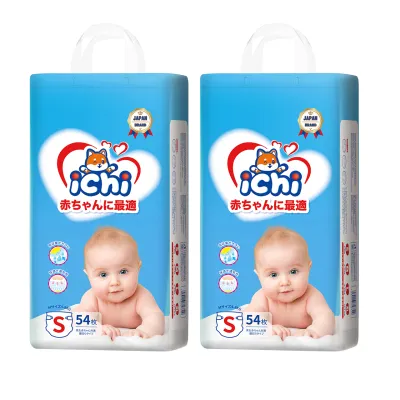
Prices are valid at publication and may change. Please refer to the product page for the latest price.
Ichi Pants XL is often positioned as a practical, everyday option for growing babies. When examining this diaper, look for its specific waistband design, core thickness, and overall cut. It typically features a flexible waist area designed to accommodate active movements while maintaining a secure hold. Caregivers should verify the softness of the outer sheet and the elasticity of the side bands to ensure they suit a baby’s daily routine.
Pampers and Huggies represent established global standards, each emphasizing different performance profiles. Pampers often markets a slimmer, more streamlined fit designed to minimize bulk between the legs, utilizing targeted wetness distribution channels to keep moisture away from the skin. Huggies, on the other hand, frequently focuses on a robust, snug fit with highly elastic waistbands and deep leg cuffs designed to prevent leaks during high-impact play. Observing these structural differences helps you determine which style aligns with your baby’s physical build.
Equator serves as a reliable baseline comparison, offering standard features and a straightforward design. When inspecting Equator pants, you will find traditional elastic waistbands, standard absorbent cores, and basic leak guards. This brand is typically positioned as a budget-friendly choice for families seeking dependable daily performance without premium structural additions. Comparing its basic design against the other brands helps you decide if a standard diaper meets your baby’s needs.
Key Comparison Dimensions for Active, Older Babies
As babies become more mobile, their diapering needs change significantly. Evaluating diapers across specific physical dimensions ensures your baby remains comfortable and dry throughout the day.

Fit, Elasticity, and Mobility
Active older babies require diaper pants that stretch and flex with every crawl, step, and climb. When evaluating a diaper, gently pull the waistband to check its stretch recovery. A high-quality waistband should expand easily to accommodate a full stomach after meals and contract smoothly to prevent slipping during active play.
The design of the leg cuffs is equally critical for preventing leaks without causing discomfort. Inspect the cuffs to ensure they hug the thighs snugly without leaving deep, red indentation marks. If the elastic is too tight, it can cause chafing in humid weather; if it is too loose, gaps will form when the baby bends their legs, leading to inevitable leaks.
Absorbency Capacity and Leak Protection
Older babies produce larger volumes of wetness, making core design and leak barriers vital. Observe how the absorbent core behaves when wet. A well-designed core distributes moisture evenly along the length of the diaper, preventing the gel from bunching up or sagging heavily between the legs, which can restrict your baby’s natural stride.
Check the height and flexibility of the standing inner leak guards along the thighs. These fabric barriers must stand upright to catch sudden rushes of liquid before they reach the outer edges. Additionally, monitor any wetness indicators and feel the outside of the diaper; a damp outer cover indicates poor moisture retention, which can be exacerbated by local humidity.
Material Comfort and Skin Breathability
In warm, tropical climates, heat and moisture buildup inside a diaper can quickly lead to skin irritation and diaper rash. Feel the inner top sheet with your fingers to assess its softness and texture. A rough or stiff lining can cause friction against your baby’s delicate skin during constant movement.
Look for packaging claims regarding air-flow, micro-pores, or breathable backsheets, and verify these claims during diaper changes. If your baby’s skin feels excessively hot, clammy, or shows signs of localized redness, the diaper may not be providing adequate ventilation. Prioritizing breathable materials is essential for maintaining skin health in humid conditions.
How to Test and Evaluate Diaper Performance at Home
Rather than purchasing large bulk boxes immediately, implement a systematic “small pack trial” method. Purchase a single small pack of Ichi Pants XL, Pampers, Huggies, and Equator to test them side-by-side. This approach allows you to observe real-world performance without a significant financial commitment.
Test each brand over a period of two to three days across different daily scenarios. Observe how the diaper performs during high-energy playtime, during afternoon naps when the baby remains in one position, and overnight during long stretches of sleep. This comprehensive testing helps you identify specific strengths and weaknesses that packaging claims cannot reveal.
When removing each diaper, perform a thorough physical inspection of your baby’s skin and the diaper itself. Check for sagging; a diaper that hangs down heavily when only moderately wet can impede your baby’s movement and cause discomfort. Look for red marks along the waist, hips, and inner thighs, which indicate a fit that is too tight or an unsuitable elastic material. Feel the baby’s skin and the outside of their clothing to ensure no moisture has seeped through.
Safety must always be your top priority during these trials. If you notice persistent diaper rash, severe chafing, or signs of an allergic reaction—such as localized hives or intense redness where the diaper contacts the skin—stop using that specific brand immediately. Keep the affected area clean and dry, and consult a pediatrician or qualified healthcare professional if the irritation does not improve quickly.
Making the Final Decision: Matching the Diaper to Your Baby
Selecting the right diaper pants involves matching your physical observations with your household’s daily routine and budget. Use your trial results to guide your final purchase decision.
Choose Ichi Pants XL if your baby’s body shape matches its specific cut, you observe reliable daily performance during your home trials, and the pricing fits comfortably within your household’s ongoing budget. This option is ideal for families seeking a practical balance of comfort and value for routine daytime wear.
Choose Pampers or Huggies if your active baby requires a highly specialized fit profile—such as an ultra-slim design for streamlined movement or heavy-duty leg cuffs for high-impact play—and you are willing to allocate a larger portion of your budget to these premium features. These brands are well-suited for babies who experience frequent leaks with standard designs.
Choose Equator if its standard structural design and baseline absorbency successfully meet your baby’s daily comfort needs without causing skin irritation. This choice provides a highly cost-effective solution for routine wear, especially when diaper changes are frequent.
Before making a final commitment, always verify the fit against your baby’s actual physical measurements. Manufacturer weight and size charts on packaging are general guidelines; if your baby has a rounder tummy or thicker thighs, you may need to size up to XL earlier than the weight range suggests. If your baby has highly sensitive skin, prioritize materials that feel exceptionally soft and dry during your home trials.
Frequently Asked Questions (FAQ)
When should I transition my baby from Large to XL diapers?
Transitioning to XL diapers is usually signaled by physical cues rather than weight milestones alone. Look for frequent leaks or blowouts, waistband elastic that leaves red marks on the stomach, or leg cuffs that pinch the thighs. If the diaper’s waistband feels tight and does not easily cover the baby’s hips, or if the absorbent core no longer covers the wetting zone fully, it is time to upgrade. Always cross-reference these signs with the manufacturer’s weight guidelines printed on the packaging, keeping in mind that active, growing babies often require a larger size before reaching the maximum weight limit of their current size.
Can I use the same XL diaper brand for daytime and overnight use?
Whether you can use the same XL diaper day and night depends on your baby’s sleep habits and wetting volume. Daytime diapers prioritize mobility, flexibility, and a slim profile to help your baby move freely. Overnight use requires sustained absorbency for up to 10 to 12 hours of sleep to prevent waking from dampness. If your chosen daytime XL diaper remains dry on the outside and leak-free until morning, it is perfectly suitable for 24-hour use. However, if you notice morning leaks or damp pajamas, you may need to evaluate a dedicated overnight diaper variant with a thicker core, or consider using a booster pad to handle the overnight volume.

Community discussion
Share your experience or ask a question. Comments are reviewed before publication.