
There is no universal winner between Huggies and Pampers XL pants; the most suitable choice depends entirely on your toddler’s specific body proportions, movement patterns, and skin sensitivity. In the warm, humid climate of the Philippines, active toddlers sweat more and move constantly, making the choice of waistband stretch, leg cuff seal, and breathability critical to preventing leaks and diaper rash. This guide provides a structured framework to help you inspect the design features, test the elasticity, and evaluate the leak protection of both brands so you can make a confident, condition-based decision for your active child.
Recognizing the XL Transition: When to Switch Pants
Transitioning from babyhood to the active toddler stage brings significant changes in your child’s physical shape and movement patterns. As toddlers begin to crawl, walk, climb, and run, their abdominal muscles tighten, their baby fat redistributes, and their legs become more muscular. These physical shifts alter how a diaper sits on their body, meaning a size that once fit comfortably during infancy may no longer provide adequate coverage or security.
To determine if your toddler is ready for XL pants, start by checking the manufacturer weight and age guidelines on the packaging of both Huggies and Pampers. While these weight ranges (often starting around 12 kilograms) provide a helpful baseline, they are only statistical averages and do not account for individual body shapes. A toddler who falls within the recommended weight range of a Large diaper may still need to transition to XL pants if they have a particularly round belly or thick thighs.
Products mentioned in this guide
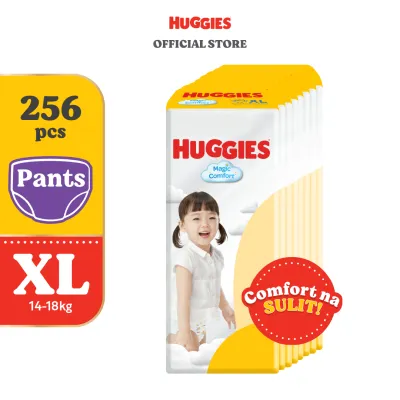
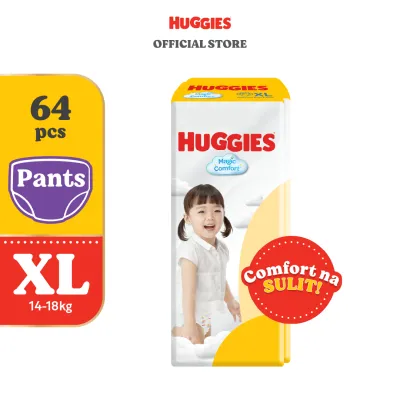

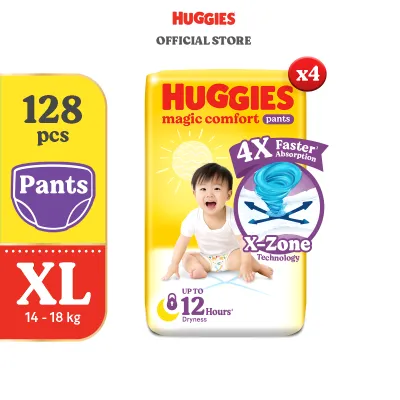
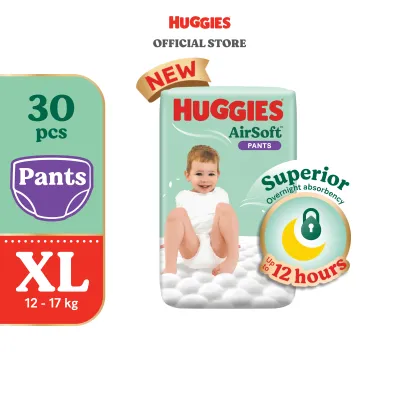
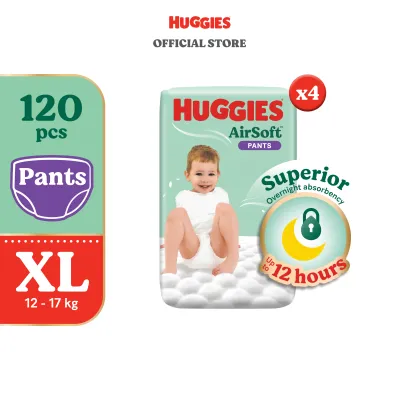
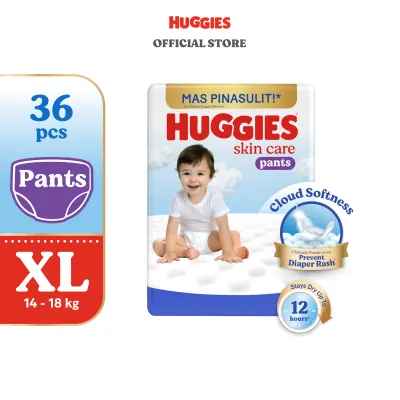
Prices are valid at publication and may change. Please refer to the product page for the latest price.
Observe your toddler’s body closely during daily activities for physical signs of outgrowing their current diaper size. Look for deep red marks or elastic indentations around the waist and inner thighs, which indicate that the diaper is under too much tension and is restricting circulation or chafing the skin. Frequent leaks, especially around the waistband when your toddler bends over or during high-energy play, are another clear indicator that the diaper’s rise is too short to contain wetness.
Increased mobility changes the stress points on a diaper, requiring a more secure fit that moves with your child. When a toddler runs or climbs, their legs move through a wide range of motion, which can pull the diaper chassis downward and create gaps at the thighs. Transitioning to XL pants provides the extra fabric rise, wider waistband, and stronger elastic recovery needed to keep the diaper securely in place during active exploration.
Comparing Fit and Stretch: Waistband and Leg Cuff Structures
The waistband is the primary anchor of a pants diaper, and its structural design determines how well the diaper stays up without restricting your toddler’s breathing or digestion. To compare Huggies and Pampers XL pants, physically stretch the waistbands of both diapers side-by-side before putting them on your child. Note the resistance of the elastic; a waistband that requires significant force to stretch may exert too much pressure on a toddler’s full belly, especially after meals or when they sit down.

Observe the waistband’s recovery, which is its ability to snap back to its original shape after being stretched. A high-quality waistband should stretch easily to accommodate movement and then gently contract to maintain a snug seal against the lower back and abdomen. A waistband that loses its elasticity quickly during play will sag, leading to gaps at the lower back that can cause messy waist blowouts when your toddler sits down.
Next, inspect the leg cuff design and elasticity, which serve as the secondary barrier against leaks. Look at the height of the inner leg gathers and the softness of the outer elastic bands. For toddlers with thicker thighs, a softer, more compliant leg cuff elastic is essential to prevent chafing and red marks, particularly in hot and humid weather. Conversely, for toddlers with leaner legs, a snugger, more resilient cuff elastic is necessary to maintain a tight seal and prevent liquid from escaping during wide-stride movements.
Check the overall cut of the diaper chassis by reviewing official product descriptions or testing a small pack to see how it contours to your child’s frame. Some diaper designs feature a narrower crotch area that allows for easier leg movement and reduces bulkiness between the thighs, while others offer a wider, more traditional cut that provides more coverage across the backside. Understanding these structural differences allows you to match the diaper’s silhouette to your toddler’s specific body shape.
Evaluating Leak Protection During Active Play
Active play puts immense pressure on a diaper’s absorbent core and barrier walls. When an active toddler jumps, climbs, or sits down abruptly, any liquid stored in the diaper is subjected to compression, which can force wetness back to the surface or out through the leg openings. To evaluate leak protection, you must look beyond simple absorbency and examine how each brand manages liquid distribution and containment under physical stress.
Look for targeted absorbency zones on the packaging of both Huggies and Pampers XL pants to understand how they distribute wetness. Some designs utilize specialized channels that quickly draw liquid away from the point of impact and distribute it evenly along the length of the core, preventing the diaper from sagging in one spot. Other designs concentrate absorbent polymers in specific areas, such as the front for boys or the center for girls, to match typical wetting patterns.
Inspect the inner leak guards, which are the vertical fabric barriers running along the inside of the leg cuffs. Gently pull these guards upright with your finger to check their height, stiffness, and elasticity. High, resilient leak guards that stand up naturally are better equipped to contain sudden, high-volume voids during active play, acting as a pocket that holds liquid until the absorbent core can fully draw it in.
Plan a short, structured trial period at home to observe how each brand performs during different activities. Use one brand exclusively for three to five days, then switch to the other, keeping a close eye on when and where any leaks occur. A leak at the waist during crawling suggests the waistband is too loose or the rise is too short, while a leak at the thigh during running points to a gap in the leg cuff seal or a core that is absorbing too slowly.
Assessing Material Comfort and Skin Sensitivity
In the tropical climate of the Philippines, heat and humidity trap moisture inside the diaper, creating a prime environment for diaper rash, heat rash, and skin irritation. When an active toddler sweats during play, the friction of a damp diaper rubbing against their skin can quickly lead to painful chafing. Therefore, evaluating the material comfort and breathability of XL pants is just as important as assessing their fit and absorbency.
Read the ingredient and material labels on the packaging of both Huggies and Pampers XL pants carefully. Look for the presence of added lotions, botanical extracts, or fragrances, as well as hypoallergenic declarations. If your toddler has highly sensitive skin or a history of eczema, fragrance-free options or diapers with minimal chemical additives are generally safer choices to minimize the risk of contact dermatitis.
Check the backsheet design—the outer cover of the diaper—for breathability indicators, micro-pores, or cloth-like textures that promote airflow. A breathable backsheet allows hot air and moisture vapor to escape from inside the diaper while keeping liquid securely contained. You can often feel the difference in breathability by holding the outer cover of a wet diaper; a breathable cover will feel slightly warm and damp on the outside, indicating that moisture is successfully evaporating.
Monitor your toddler’s skin closely for redness, chafing, or rashes after active play sessions. Pay close attention to the areas where the elastic bands contact the skin, such as the waistline, hips, and inner thighs. If you notice localized redness only along the elastic lines, the issue may be mechanical friction rather than chemical sensitivity, suggesting that you need to adjust the fit, try a brand with softer elastics, or transition to a larger size.
Calculating Cost Per Piece and Finding Authorized Sellers
Managing a household budget requires looking past the upfront price of a diaper pack and calculating the true cost of each diaper. Because XL pants typically have a higher cost per piece than smaller sizes, finding an efficient, high-performing diaper is essential to keeping your monthly expenses under control. To find the true value, always calculate the cost per piece rather than just comparing the total pack price.
To calculate the cost per piece, divide the total price of the diaper pack by the number of pants inside. For example, if a pack costs ₱600 and contains 40 pants, the cost per piece is ₱15.00. Compare this figure across different pack sizes and retailers to identify where you can get the most value. Keep in mind that a slightly more expensive diaper that prevents leaks and diaper rash may save you money in the long run by reducing the number of daily diaper changes and the need for expensive rash creams.
To ensure your toddler’s safety and comfort, only purchase diapers from authorized sellers, official brand stores, or established local supermarkets. Counterfeit or parallel-imported diapers sold on unregulated online marketplaces may look identical to genuine products but often lack proper absorbent polymers, breathable backsheets, and safety-tested materials. Using unauthorized products can expose your toddler’s skin to harsh chemicals and lead to frequent leaks due to poor construction.
Consider bulk buying options, mega-packs, or subscription services only after a successful trial period has confirmed that a specific brand works for your toddler’s unique fit and skin needs. Buying in bulk before testing can lead to wasted money if your toddler suddenly outgrows the size or develops a sensitivity to the materials. Once you are confident in your choice, purchasing larger boxes from official distributors is an excellent way to lower your cost per piece.
Making the Choice: A Conditional Framework for Your Toddler
Choosing between Huggies and Pampers XL pants should not be based on brand popularity, but on how each diaper performs under your specific household conditions and your toddler’s physical needs. By using a conditional decision framework, you can select the brand that provides an optimal balance of fit, comfort, and protection for your active child.
Choose Huggies XL pants if your physical inspection and home trial show that their specific chassis shape, leg cuff tension, and core distribution align well with your toddler’s body proportions. If your toddler has a sturdier build or thicker thighs, and you find that Huggies’ leg cuff design provides a secure seal without leaving deep red marks, this brand is likely the more suitable option for your child’s active play.
Choose Pampers XL pants if their waistband stretch, overall silhouette, and material softness resolve the specific fit issues or skin sensitivities you observed during your trial. If your toddler has a more slender frame or highly sensitive skin, and you find that Pampers’ waistband elasticity and inner lining texture keep them dry and free from chafing during sweaty play sessions, this brand will better support their daily comfort.
Before committing to a large purchase of either brand, verify that any recurring leaks are not simply due to improper sizing or application. If your toddler is at the upper limit of the weight range or has a very round belly, you may need to step up to an XXL size regardless of the brand to ensure adequate coverage. By systematically evaluating fit, stretch, leak protection, and material comfort, you can confidently select the XL pants diaper that keeps your active toddler dry, comfortable, and free to explore.

Community discussion
Share your experience or ask a question. Comments are reviewed before publication.