
Finding the perfect diaper fit for a growing toddler can be a challenging task, especially when your child begins to outgrow standard toddler sizes. In the warm, humid climate of the Philippines, a diaper that is too tight or poorly shaped can quickly lead to painful chafing, heat rashes, and uncomfortable dampness. When transitioning to extra-extra-extra-large (XXXL) diaper pants, parents often find that Huggies, Pampers, and Equator each approach this maximum size category with distinct cuts, materials, and elastic designs.
Because diaper sizing is not universally standardized, an XXXL in one brand may fit like an XXL in another, or offer a completely different shape that favors taller, leaner toddlers over those with rounder thighs. To find the best fit for your child, you must look closely at the specific physical dimensions, waistband elasticity, and leg barrier designs of each brand. By understanding how these three popular options compare, you can minimize the trial-and-error process, protect your toddler’s sensitive skin, and ensure reliable leak protection during both active daytime play and overnight sleep.
Understanding XXXL Sizing Across Diaper Brands
When shopping for toddler diaper pants, it is easy to assume that the “XXXL” label represents a uniform standard across the industry. However, diaper manufacturers design their sizing systems around proprietary fit models and varying regional specifications. This means that a toddler who fits comfortably in one brand’s XXXL pants might experience tightness or excessive sagging in another brand of the exact same labeled size.
Products mentioned in this guide
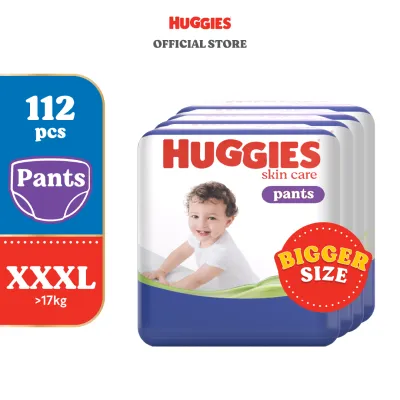
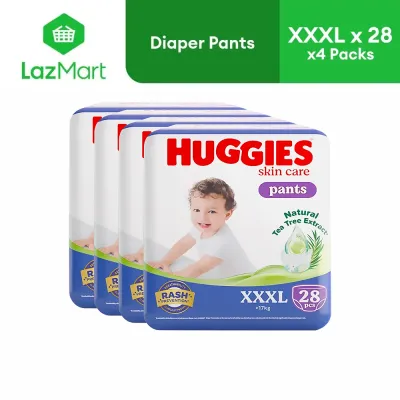
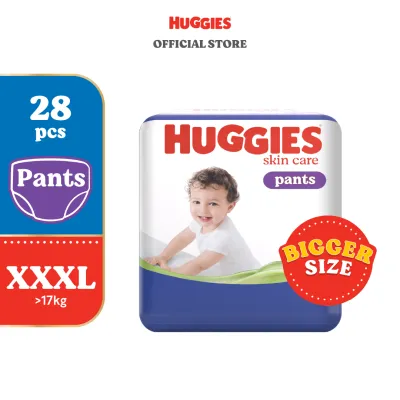
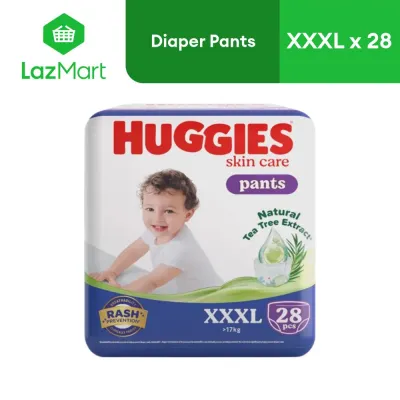
![Huggies Skin Care [XXXL] Pants Diaper (28pcs)](https://img.lazcdn.com/g/p/454d7aa5a1e3626fa1ee046b2a5994e6.jpg_400x400q80.jpg_.webp)
Prices are valid at publication and may change. Please refer to the product page for the latest price.
To navigate these discrepancies, parents should begin by checking the manufacturer’s stated weight range printed directly on the packaging. While weight is the primary metric used by brands, it is only a starting point because it does not account for a child’s unique body distribution. A toddler with a round tummy and slender legs will require a different diaper shape than a child of the same weight who has chunky thighs and a narrow waist.
Whenever possible, look for additional waist and thigh circumference guidelines on the product label or the manufacturer’s official online sizing charts. Because these detailed measurements are not always prominently displayed, treating the XXXL label as a flexible category rather than a strict measurement is essential. Comparing the physical dimensions of the diaper before purchasing in bulk will save you from dealing with ill-fitting diapers that cause leaks or discomfort.
Key Fit and Comfort Features to Compare
Evaluating diaper pants for larger toddlers requires looking closely at several key structural elements that directly impact daily comfort and skin health. The first feature to inspect is the waistband elasticity and its fastening mechanism. A high-quality waistband should offer a generous amount of stretch, allowing the pants to pull up easily over wide hips while remaining snug enough around the waist to prevent sagging when the diaper becomes heavy.

The design of the leg cuffs and the height of the inner leak barriers are equally critical, especially for active toddlers who are constantly running, climbing, and sitting. Leg cuffs must sit flat against the skin to create a secure seal, yet they must remain soft enough to avoid leaving deep, red indentations on chunky thighs. A taller barrier height provides an extra layer of defense against sudden surges of wetness, which is particularly important for older toddlers who release larger volumes of liquid at one time.
In tropical environments, material breathability and the texture of the inner lining play a vital role in preventing diaper dermatitis. High humidity and heat can trap moisture inside the diaper, creating a breeding ground for bacteria and yeast. Look for diaper pants that feature micro-porous outer layers to let hot air escape, alongside a soft, non-woven inner lining that quickly draws moisture away from the skin. A dry, breathable environment is the best defense against heat rash and chafing.
Huggies XXXL Pants: Fit Profile and What to Expect
Huggies XXXL pants are widely recognized for their sturdy construction and structured fit, making them a popular choice for parents seeking robust leak protection. When reviewing the packaging, you will find a specific weight range and sizing chart designed to accommodate larger toddlers who require a secure, body-hugging fit. The brand typically designs its pants with a focus on active movement, ensuring the diaper stays in place even during vigorous play.
During a trial fit, parents should observe the waistband stretch and the overall structure of the leg guards. Huggies often utilizes a highly elastic waistband that provides a secure grip around the torso, which helps distribute the weight of a wet diaper evenly. The leg guards are designed to wrap snugly around the thighs, offering a reliable barrier against leaks, though parents of toddlers with exceptionally thick thighs should monitor the skin for any signs of pressure marks.
Additionally, look for any specific fit indicators or visual guides that the manufacturer prints on the diaper itself. These visual cues can help you determine if the diaper is centered correctly and whether the waistband is stretched to its safe limit. If the visual indicators show that the diaper is pulling too tightly across the hips, it may be a sign that your toddler is approaching the upper limit of the brand’s XXXL capacity.
Pampers XXXL Pants: Fit Profile and What to Expect
Pampers XXXL pants are designed with a strong emphasis on softness, flexibility, and a lightweight feel, which appeals to parents prioritizing maximum freedom of movement for their toddlers. Before purchasing, verify the recommended weight limits and body dimensions listed on the Pampers product labels. The brand’s design philosophy often favors a more contoured, trim fit that mimics regular underwear, reducing bulkiness under clothing.
When examining these diaper pants, pay close attention to the flexibility of the side panels and the softness of the inner waistband. The side panels are engineered to stretch easily, accommodating sudden movements and changes in body shape as the toddler sits or bends. This high degree of elasticity helps prevent the waistband from digging into a round tummy, making it a comfortable option for toddlers who experience bloating or discomfort after meals.
Assess the leg cuff fit to ensure it aligns naturally with your toddler’s thigh shape. The leg cuffs on Pampers pants are typically designed to be exceptionally soft and pliable, aiming to minimize friction against the skin. While this soft design reduces the likelihood of red marks, parents should carefully check that the cuffs are fully extended outward during application to maintain an effective seal against leaks.
Equator XXXL Pants: Fit Profile and What to Expect
Equator XXXL pants offer an alternative option for parents navigating the transition to larger diaper sizes. To evaluate this brand, start by confirming the stated weight capacity and sizing guidelines printed on the Equator packaging. As a brand that often focuses on practical, everyday utility, its sizing parameters may differ slightly from the more globally recognized brands, making a physical inspection highly beneficial.
When conducting a physical check of Equator pants, inspect the overall cut, the elasticity of the waist, and the design of the leg barriers. The cut of these pants may lean toward a more traditional, generous shape, which can be advantageous for toddlers who need extra coverage in the rear or have a longer torso. The waist elasticity should be tested by gently stretching the band to its limit to ensure it offers sufficient recovery force to prevent slipping.
Note any distinct material or structural differences highlighted on the product label, such as specific absorption channels or unique lining textures. Understanding these physical attributes helps you assess how well the diaper will perform under pressure. If the material feels slightly different to the touch compared to other brands, consider how your toddler’s skin typically reacts to various synthetic fibers, especially in warm weather.
How to Conduct a Proper Fit Test at Home
To ensure your toddler is wearing the correct size and brand of XXXL diaper pants, you should perform a physical fit test at home using a few simple checks. Start by pulling the diaper up completely, ensuring the waistband sits comfortably above the hips and below the belly button. Once the diaper is in place, run two fingers easily under the waistband; if you feel excessive resistance or cannot slide your fingers in, the waistband is too tight and may cause discomfort.
Next, inspect the leg cuffs on both sides. Use your fingers to gently pull out the inner and outer ruffles, ensuring they sit flat against your toddler’s skin rather than curling inward. Let your child wear the diaper for a few hours of normal activity, then check the skin around the thighs and waist upon removal. While faint, temporary pink lines are normal, deep red marks or indentations that persist for more than a few minutes indicate that the diaper is digging in and a different cut or size is required.
Finally, observe the diaper’s position during active movement. Watch your toddler run, climb, or sit down to see if the diaper pants sag excessively, gap at the thighs, or shift out of place. A diaper that sags when dry will inevitably leak once wet, signaling that the current brand’s cut may be too loose or the waistband lacks the necessary elasticity for your child’s body shape.
Decision Framework: Which Brand to Try First
Choosing the right XXXL diaper pants involves matching your toddler’s unique physical proportions and your household budget with the specific design strengths of each brand. If your toddler has a balanced build and you prefer a structured, secure waistband that holds its shape well during high-energy play, starting with Huggies XXXL pants is a logical choice. Their robust leg guards and firm fit are well-suited for active children who need reliable containment.
If your toddler has a rounder tummy, sensitive skin, or prefers a softer, more fabric-like feel that stretches easily with every movement, Pampers XXXL pants may be the ideal starting point. Their highly flexible side panels and gentle leg cuffs are designed to minimize friction, making them excellent for preventing red marks on toddlers with sensitive skin or those prone to heat rashes in humid weather.
For parents looking for a practical alternative that balances cost-effectiveness with reliable coverage, Equator XXXL pants are worth considering. If their packaging specifications align with your toddler’s dimensions, this brand can provide a budget-friendly option (measured in ₱) for daily wear, especially when diaper changes are frequent.
Before committing to a large bulk purchase of any brand, always verify if your toddler is between sizes or if a specific cut suits them by purchasing the smallest available pack first. A physical trial of a single pack allows you to test the fit under real-world conditions, saving you money and preventing the frustration of being left with a large quantity of unusable diapers.
Frequently Asked Questions (FAQ)
When should I transition my toddler from XXL to XXXL diapers?
There are several clear, observable signs that indicate your toddler is ready to transition from XXL to XXXL diaper pants. First, look for persistent red marks or deep indentations around your child’s waist or thighs after you remove the diaper, which indicates the elastic is under too much tension. Second, if you experience frequent leaks around the legs or waist despite applying the diaper correctly, the current size may no longer have the absorption capacity or coverage your child needs. Finally, if the XXL pants feel overly tight, are difficult to pull up over your toddler’s hips, or sit too low on the waist, it is time to upgrade to XXXL.
What if the XXXL diaper still leaks or fits poorly?
If your toddler is already wearing an XXXL diaper and you still encounter frequent leaks or a poor fit, start by re-evaluating your application technique. Ensure that you always run your fingers around the leg cuffs to pull the ruffles fully outward, as tucked-in cuffs are a primary cause of leaks. Next, check if your toddler’s weight or physical shape has exceeded the manufacturer’s maximum stated limits for the XXXL size, as an over-capacity diaper cannot absorb effectively. If standard commercial XXXL sizes from Huggies, Pampers, or Equator consistently fail to fit or contain leaks, consult your pediatrician for guidance or look into specialized youth pants designed for older children.

Community discussion
Share your experience or ask a question. Comments are reviewed before publication.