
Choosing between Huggies, Pampers, and Equator swim diapers depends on verifying specific fit features like leg cuffs and waistbands, as swim diapers are designed to contain solid waste rather than absorb urine. Unlike standard diapers that swell up and become heavy when submerged, dedicated swim diapers maintain their shape in water. Finding the right option for your baby requires looking closely at how each brand constructs its waistbands, leg seals, and fastening mechanisms to ensure a worry-free day at the pool or beach.
In tropical climates like the Philippines, where beach trips and pool days are year-round activities, comfort and breathability are just as important as leak protection. High humidity and warm water can make tight elastics uncomfortable, potentially causing chafing or heat rashes around a baby’s delicate thighs and waist. By understanding what to look for on the packaging and how to physically inspect the product, you can select a swim diaper that offers the ideal balance of containment and comfort for your little one.
Key Factors for Evaluating Swim Diaper Performance
To judge how well a swim diaper will perform, you must first understand its primary function. Standard disposable diapers are packed with superabsorbent polymers designed to lock away liquids. If you put a regular diaper in a pool, it will instantly absorb water, balloon in size, sag, and lose its ability to hold anything. Swim diapers, on the other hand, are made with non-swelling materials that allow water to flow through while acting as a physical barrier to contain solid waste. They do not absorb urine, which is why they should only be put on right before your baby enters the water.
Products mentioned in this guide
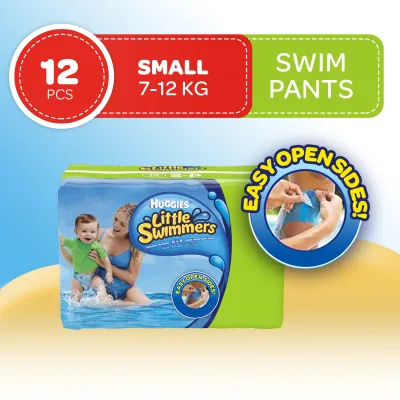
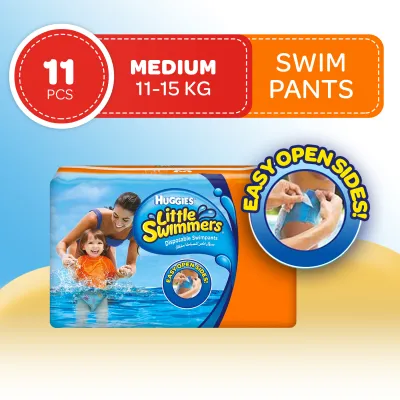
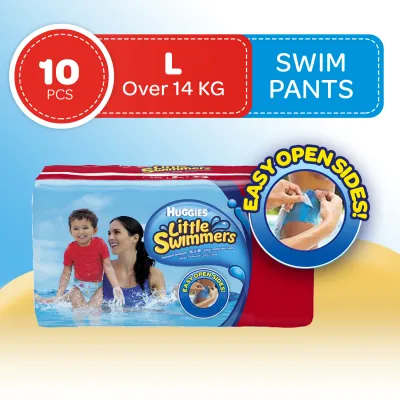
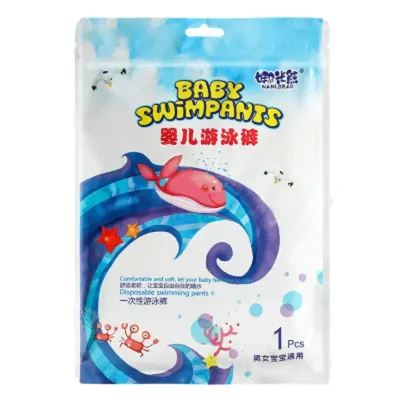
Prices are valid at publication and may change. Please refer to the product page for the latest price.
Because swim diapers do not absorb liquids, containment relies entirely on a secure, physical seal around your baby’s waist and thighs. Leg cuffs must sit flat against the skin without any visible gaps, yet they must remain elastic enough to stretch with your baby’s movements. The waistband must also provide a snug fit to prevent waste from escaping through the back. When evaluating different brands, look for double-layered leg barriers and wide, flexible waistbands that distribute pressure evenly.
Sizing is another critical factor that directly impacts leak protection. Swim diaper sizes do not always correspond perfectly to your baby’s regular diaper size. Because a loose fit can lead to immediate leaks in the pool, you should always check the manufacturer’s weight guidelines on the packaging. If your baby is between sizes, it is generally safer to choose the size that ensures the tightest, gap-free seal around the legs, provided it does not pinch or leave deep red marks on the skin.
Evaluating Huggies Swim Diapers for Fit and Containment
When inspecting a Huggies swimming diaper, the first physical feature to evaluate is the design of the side panels. Huggies swim diapers typically feature stretchy side panels designed to accommodate a wide range of baby shapes. Parents should gently pull these panels to test their resistance; they should offer a firm stretch that snaps back into place, which helps maintain a secure fit as your baby splashes and moves in the water.

Next, examine the leg cuffs of the Huggies swimming diaper. Look for the presence of protective gathers around the leg openings. These gathers should be soft to the touch but resilient enough to hug the contours of your baby’s thighs. When putting the diaper on, run your finger along the inside of the cuff to ensure the elastic is fully extended and not folded inward, which could create a pathway for leaks.
Another key feature to verify on Huggies packaging is the removal mechanism. Many Huggies swim diapers are designed with refastenable easy-open sides. This design allows you to adjust the fit around the waist if it feels too tight or too loose. More importantly, refastenable sides make post-swim changes much cleaner, as you can open the diaper like a book rather than pulling a wet, soiled diaper down your baby’s legs.
Evaluating Pampers Swim Diapers for Fit and Containment
Pampers swim diapers are characterized by a design that closely resembles real swimwear. When examining these diapers, look for the 360-degree stretchy waistband. This continuous elastic band is designed to slide on like training pants, providing an even, snug fit all the way around your baby’s torso. Parents should check the waistband’s elasticity to ensure it stretches smoothly without bunching up, which helps prevent red marks on the baby’s stomach.
For active babies who spend their time kicking and splashing, leg containment is paramount. Pampers swim diapers feature dual leak-guard barriers around the leg openings. You can identify these by the double layer of elastic ruffles. This dual-barrier system is designed to provide a secondary line of defense, ensuring that even if the inner cuff shifts during active play, the outer cuff remains flush against the skin to prevent solid waste from escaping.
To facilitate quick changes, Pampers utilizes easy-tear side seams. Unlike refastenable tabs, these seams are designed to be torn apart down the sides when the swim session is over. When evaluating this feature, check that the seams are sturdy enough to withstand the tension of putting the diaper on, but simple enough to tear open cleanly when it is time for a change.
Evaluating Equator Swim Diapers for Fit and Containment
Equator swim diapers are often considered as an alternative option in local online marketplaces. When evaluating this brand, pay close attention to the material composition indicated on the packaging. The inner lining should feel smooth and soft to prevent friction against your baby’s skin, which is especially important in hot, humid tropical environments where sweat can exacerbate diaper rash.
Test the tension of the waist and leg elastics on the Equator diaper. The elastics should feel firm but pliable. If the elastic feels too stiff or lacks sufficient stretch, it may not conform well to your baby’s movements, increasing the risk of gaps. Ensure the elastics have enough give to accommodate your baby’s natural shape while maintaining a continuous seal.
Finally, review the fastening or pull-up mechanism described on the product label. Some budget-friendly brands utilize basic pull-up designs without tear-away seams, while others include side tape fasteners. Understanding how the diaper is secured and removed will help you prepare for changes at public pools or beachside changing stations where space and convenience may be limited.
Side-by-Side Feature Checklist for Parents
To help you compare these three brands directly, use the following checklist to evaluate their physical design traits and packaging specifications before making a purchase.
| Feature | Huggies Swim Diapers | Pampers Swim Diapers | Equator Swim Diapers |
|---|---|---|---|
| Waistband Design | Stretchy sides with refastenable tabs | 360-degree elastic pull-on | Elastic pull-on or side tabs |
| Leg Cuff Style | Single or double protective gathers | Dual leak-guard barriers | Single elastic barrier |
| Removal Method | Refastenable or tear-away sides | Easy-tear side seams | Tear-away or pull-down |
| Size Indicators | Weight-based packaging labels | Weight-based packaging labels | Weight-based packaging labels |
When shopping on local e-commerce platforms or in physical stores, calculating the cost per piece is an excellent way to determine overall value. To do this, take the total price of the pack in Philippine Pesos (₱) and divide it by the number of diapers inside. For example, if a pack costs ₱450 and contains 9 swim diapers, the cost per piece is ₱50. Comparing this unit price across brands helps you balance your budget with the specific design features your baby needs.
Always cross-reference your baby’s current weight with the specific size chart printed on each brand’s packaging. Do not assume that a medium in one brand will fit exactly like a medium in another. Because swim diapers must fit snugly to perform their job, taking an accurate weight measurement before buying is the best way to avoid poolside accidents.
Decision Framework: Which Swim Diaper Fits Your Baby Best?
Choosing the right swim diaper comes down to matching the product’s structural design with your baby’s unique body shape and your personal convenience preferences. If your baby has a leaner build or a waist size that falls between standard categories, Huggies may be the most suitable choice. The refastenable side tabs allow you to customize the waist fit, ensuring the diaper remains secure without slipping down during active water play.
If your baby is highly active, constantly kicking, crawling, or running around the pool area, Pampers may offer the secure fit you need. The 360-degree stretchy waistband behaves like real swimwear, moving dynamically with your baby’s body, while the dual leak-guard barriers around the legs provide extra reassurance against solid leaks during vigorous movement.
For parents looking for a straightforward, accessible option for casual swimming sessions, Equator swim diapers are worth verifying. Check their availability on local online marketplaces and inspect the material softness to ensure it meets your comfort standards. This brand can be a practical choice for short pool visits where high-end specialized features are less critical.
Regardless of the brand you choose, always monitor your baby’s skin for any signs of irritation or chafing. The combination of saltwater, chlorine, heat, and friction can sometimes cause redness around the elastic bands. If you notice deep red marks that do not fade shortly after removing the diaper, or if your baby shows signs of discomfort, consider trying a different size or a brand with softer, more flexible elastics.
Frequently Asked Questions (FAQ)
Can I use a regular diaper underneath a swim diaper?
No, you should never layer a regular diaper underneath a swim diaper. Regular diapers are designed to absorb as much liquid as possible. When submerged in water, the regular diaper will instantly fill to capacity, becoming extremely heavy and sagging. This weight can pull the swim diaper down, creating large gaps that completely defeat the purpose of leak protection and posing a safety hazard by weighing your baby down in the water.
How often should I change a swim diaper during a pool session?
Ideally, you should check your baby’s swim diaper every 30 to 60 minutes. Because swim diapers do not absorb urine, they only need to be changed immediately if your baby has a bowel movement. To maintain pool hygiene and protect other swimmers, check the diaper visually and physically at regular intervals, and head to the changing station immediately if you suspect a solid accident has occurred.
Are swim diapers reusable or strictly single-use?
The Huggies, Pampers, and Equator swim diapers discussed in this guide are disposable, single-use products. They are made from materials designed to be discarded after a single swimming session. Attempting to wash, dry, or reuse disposable swim diapers will cause the structural elastics to degrade and the inner lining to break down, rendering them ineffective at containing waste during future pool visits.

Community discussion
Share your experience or ask a question. Comments are reviewed before publication.